

Have you ever wondered if using an auto car wash could be harming your car’s paint? You want your vehicle to look great, but what if those quick washes are actually causing damage over time?
It’s a common concern, and the answer might surprise you. By understanding how these washes work and what risks they pose, you can make smarter choices for your car’s care. Keep reading to discover the truth about auto car washes and your paint’s health.
How Auto Car Washes Work
Auto car washes clean vehicles quickly using a mix of water, soap, and machines. They come in different styles and use various tools to remove dirt. Understanding how these washes operate helps to see their effects on car paint.
Types Of Auto Car Washes
- Touchless Washes: Use high-pressure water and chemicals without brushes.
- Soft Cloth Washes: Use soft cloth strips to scrub the car gently.
- Brush Washes: Use spinning brushes that physically scrub the car surface.
- Hand Washes: Done by people with sponges and cloths for careful cleaning.
Cleaning Mechanisms Explained
Car washes spray water and soap to loosen dirt. Machines then scrub or rinse off the grime.
Soft cloth and brush washes physically touch the car, rubbing off dirt. Touchless washes rely on strong water jets and chemicals to clean without contact.
Some washes include wax or sealants at the end. These protect paint by creating a shiny layer.
Common Paint Issues Linked To Car Washes
Auto car washes offer convenience, but they can sometimes cause damage to your car’s paint. Understanding the common paint issues linked to these washes helps you make better choices and protect your vehicle’s finish. Let’s look at the most frequent problems you might notice after a visit to an automatic car wash.
Scratches And Swirl Marks
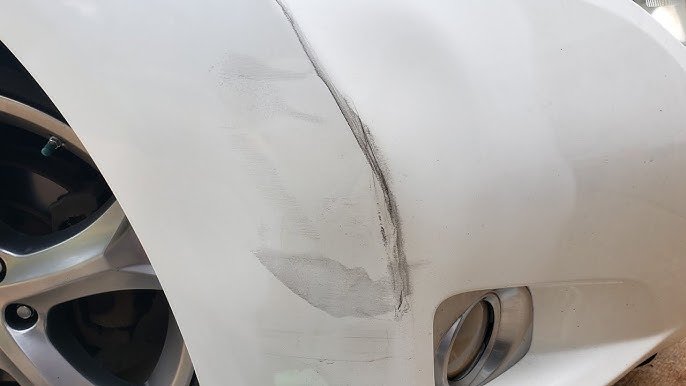
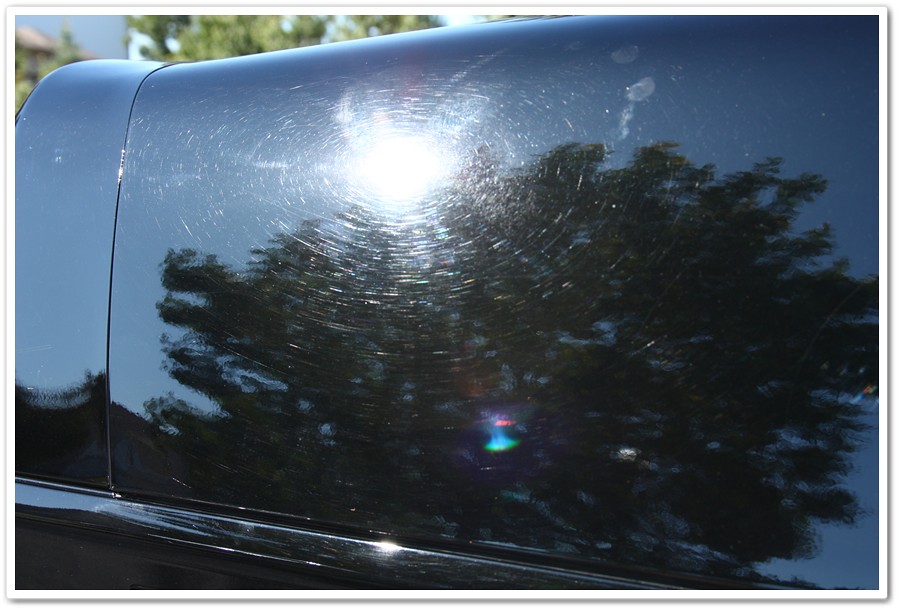
Scratches and swirl marks often appear after using automatic car washes with harsh brushes or dirty cloth strips. These tools can rub against your paint, creating tiny scratches that catch the light and make your car look dull. Even though they might seem minor at first, these marks can build up quickly, especially if you wash your car frequently at these stations.
Have you ever noticed fine spiderweb-like scratches on your car after a wash? That’s a sign your paint has been rubbed roughly. Choosing touchless or hand wash options can reduce this risk significantly.
Paint Fading And Dulling
The strong chemicals used in some automatic car washes can strip away protective wax and clear coat layers. Over time, this leads to paint fading and a dull appearance that’s hard to restore. Your car’s original shine depends on these protective layers, so frequent exposure to harsh detergents can wear them down.
Ask yourself if the quick wash is worth losing that showroom gloss. Regular waxing after washes can help maintain the paint’s vibrancy and protect it from fading.
Water Spots And Residue
Water spots form when minerals in the water dry on your car’s surface, leaving behind tiny, stubborn marks. Automatic car washes often use hard water without proper drying, which increases the chances of these spots. If left untreated, water spots can etch into the paint, causing permanent damage.
Have you checked your car for these spots after a wash? Using a microfiber towel to dry your vehicle or choosing washes with spot-free rinse options can keep your paint clear and smooth.
Factors Affecting Paint Damage
Car washes with rough brushes can scratch car paint and cause damage over time. Chemicals and dirt left on the surface also affect the paint’s condition. Choosing gentle cleaning methods helps protect your vehicle’s finish.
Understanding the factors that impact your car's paint can help you make informed decisions about using auto car washes. While these convenient options can be lifesavers in a time crunch, they come with their own set of risks. Let's dive into the elements that can affect paint damage and how to mitigate them.
Quality Of Car Wash Equipment
The quality of the equipment used at an auto car wash plays a significant role in determining potential paint damage. Older machines with worn-out brushes can be harsh on your car's surface, leaving scratches and swirls. It's worth checking if your local car wash has invested in modern, well-maintained equipment that uses softer materials. Opt for car washes that use touchless systems to minimize direct contact with your car's paint. High-pressure water jets can be effective without the risk of abrasion. Make a habit of asking the staff about the equipment's condition; it's your car, after all.
Frequency Of Washes
How often do you wash your car at an auto car wash? Frequent washing might seem beneficial, but overdoing it can lead to paint damage. Each wash cycle involves friction and exposure to cleaning agents, which can gradually wear down the protective layers of paint. Consider balancing auto washes with occasional hand washes. Hand washing allows for more control over the process, reducing the risk of repetitive damage. Reflect on your car's needs based on your driving habits and local conditions.
Environmental Conditions
The environment also plays a critical role in paint longevity. Cars exposed to harsh weather conditions, like extreme sun or salty air, are more vulnerable to paint damage. Auto car washes in such environments often use strong detergents to tackle tough grime, which can be corrosive over time. Protect your car by applying a high-quality wax or sealant regularly. This adds a protective layer that can help withstand environmental stressors. Are there specific conditions in your area that could be affecting your paint? Identifying these can help tailor your car maintenance routine. By understanding these factors, you can make smarter choices about car washes and maintain your vehicle’s aesthetic appeal.

Credit: www.reddit.com
Comparing Hand Washes And Auto Washes
Choosing between hand washes and auto washes for your car can affect more than just convenience—it impacts the health of your vehicle’s paint. Understanding the strengths and weaknesses of each method helps you make the best choice for maintaining your car’s appearance over time. Let’s break down how these washing methods stack up.
Pros And Cons Of Each Method
| Washing Method | Pros | Cons |
|---|---|---|
| Hand Wash |
|
|
| Auto Wash |
|
|
Impact On Paint Longevity
Your car’s paint faces daily challenges like dirt, UV rays, and moisture. How you wash your car plays a big role in how long the paint stays vibrant and free from damage.
Hand washing, when done correctly, preserves the paint’s clear coat by avoiding abrasive brushes and using gentle products. This method reduces the chance of scratches and helps maintain wax coatings longer, which protects the paint underneath.
Auto washes, especially those with rotating brushes, can wear down the clear coat faster. Imagine small scratches building up every time you use a brush-style car wash—over months, they can dull your paint’s shine and make it more vulnerable to fading.
Have you noticed swirl marks or dull spots after frequent auto washes? That’s a sign your paint might be losing its protective layer. Choosing a touchless or soft-cloth automatic wash can lessen this risk, but it still may not match the care of a good hand wash.
Think about your priorities: Is saving time worth the potential wear on your car’s finish? Or would investing a bit more effort in hand washing keep your paint looking new longer? Your decision shapes how your car ages.
Tips To Protect Paint During Car Washes
Protecting your car’s paint during washes keeps it shiny and new. Simple steps help avoid scratches and damage. Use gentle methods and quality products for the best results.
Choosing The Right Car Wash
Select car washes with soft cloth or foam brushes. Avoid automatic washes with harsh brushes that can scratch paint. Touchless car washes use water jets and soap, reducing paint wear. Hand washes remain the safest choice for delicate paint.
Pre-wash Preparations
Remove dirt and debris before washing. Use a hose or spray to rinse loose particles off the surface. This prevents scratching during washing. Check for bird droppings or tree sap and clean them gently first.
Post-wash Care
Dry your car with a soft microfiber towel to prevent water spots. Avoid air drying, which leaves mineral deposits. Apply a quality wax or sealant after drying to protect paint from UV rays and dirt. Regular waxing extends the life of your car’s finish.

Credit: www.reddit.com
When To Avoid Auto Car Washes
Knowing when to avoid auto car washes can save your car's paint. Some situations can harm your paint more than clean it. Being cautious helps maintain your car’s shine and value.
Signs Of Paint Damage
Look for these signs before using an auto car wash:
- Visible scratches or swirl marks on the paint surface
- Dull or faded paint that looks worn out
- Peeling or flaking clear coat layer
- Rust spots or bubbling under the paint
If you notice any of these, avoid harsh car washes. Hand washing or gentle cleaning methods are safer options.
Extreme Weather Considerations
Weather conditions can affect your car’s paint during washes:
- Avoid washing in freezing temperatures to prevent water spots and ice damage
- Skip car washes in very hot weather to stop soap from drying too fast
- After heavy rain or storms, wait for dirt and debris to settle before washing
Choosing the right time for a wash protects your paint from additional harm.
Credit: www.detailedimage.com
Frequently Asked Questions
Are Auto Car Washes Harmful To Car Paint?
Some auto car washes can cause minor paint damage. Brushes may create fine scratches over time. Touchless washes are gentler but less effective at removing dirt. Choosing a high-quality wash with soft cloths helps protect your car’s paint finish.
How Often Should I Use An Auto Car Wash?
Using an auto car wash every 1-2 weeks is generally safe. Frequent washing helps remove dirt and contaminants that can damage paint. Avoid excessive washing, especially with harsh brushes, to prevent paint wear and scratches.
Do Automatic Car Washes Cause Swirl Marks?
Automatic car washes with abrasive brushes often cause swirl marks. These small scratches reflect light and dull your car’s paint. Opt for touchless or hand washes to minimize swirl marks and maintain a glossy finish.
Can Auto Car Washes Remove Protective Wax?
Some car washes use strong detergents that strip wax layers. This reduces your car’s paint protection and shine. Look for washes labeled "wax-friendly" or consider applying wax after washing to restore protection.
Conclusion
Auto car washes can sometimes harm your car’s paint. Brushes and harsh chemicals may cause scratches or dullness. Choosing touchless or hand washes can protect the paint better. Regular care and gentle cleaning keep your car looking new. Understanding the risks helps you decide the best wash method.
Keep your car’s finish safe with smart washing choices. Protecting your paint takes simple steps and attention. Your car deserves gentle treatment for a lasting shine.