

Have you ever wondered if those automatic car washes could be harming your car’s paint? You want your vehicle to look great and last long, but some quick washes might be doing more damage than good.
Before you hit that button next time, it’s important to know what’s really happening to your paint under those spinning brushes. Keep reading to discover the surprising truth and how you can protect your car’s finish without sacrificing convenience.
How Automatic Car Washes Work
Automatic car washes clean vehicles quickly using machines and special tools. They use water, soap, and brushes or cloth to remove dirt. Cars move through different sections designed to wash, rinse, and dry them. The process varies depending on the type of system used. Understanding how these systems work helps you decide if they are safe for your car’s paint.
Types Of Automatic Wash Systems
- Touchless Washes:Use high-pressure water and strong detergents. No brushes or cloth touch the car’s surface.
- Brush Washes:Use rotating brushes or cloth strips to scrub the car. These brushes physically touch the paint.
- Hybrid Washes:Combine touchless and brush methods. Some areas use water jets, others use brushes.
- Conveyor Washes:Car moves on a conveyor belt through washing stages. Machines stay in place.
- Roll-Over Washes:Car stays still while a washing arm moves around it.
Common Cleaning Methods Used
- Pre-Soak:Soft chemicals loosen dirt and grime before scrubbing.
- Scrubbing:Brushes or cloth strips wipe the car’s surface to remove dirt.
- Water Rinse:High-pressure water washes away soap and loosened dirt.
- Wax Application:Adds a protective layer for shine and paint protection.
- Drying:Strong air blowers remove water to prevent water spots.
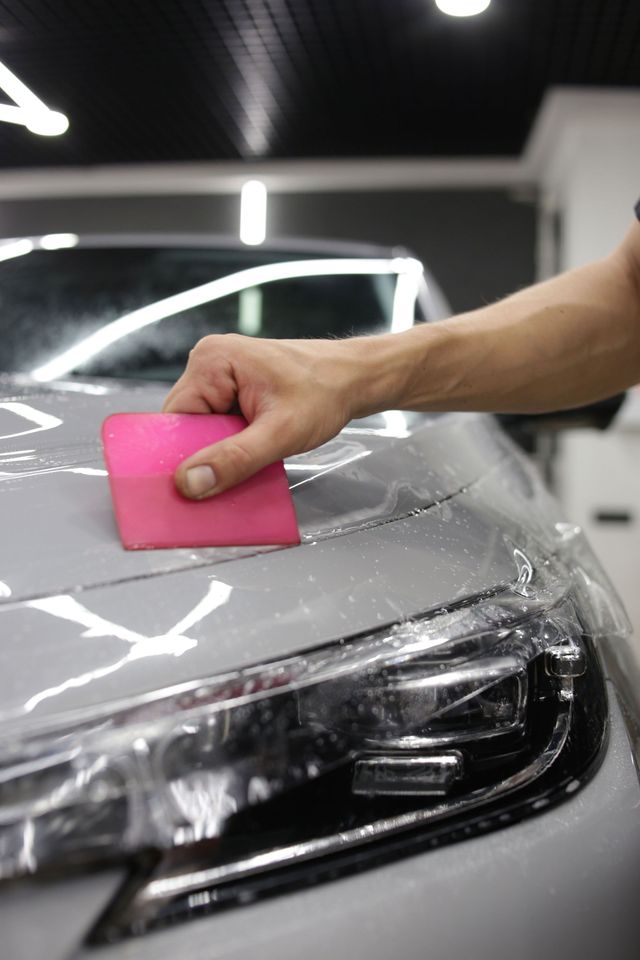
Credit: www.fortworthautodetail.com
Potential Risks To Car Paint
Automatic car washes offer quick and convenient cleaning, but they can pose certain risks to your car’s paint. Understanding these risks helps you decide how often and where to wash your vehicle. Let’s look at some common issues that might harm your paint job over time.
Scratches And Swirl Marks
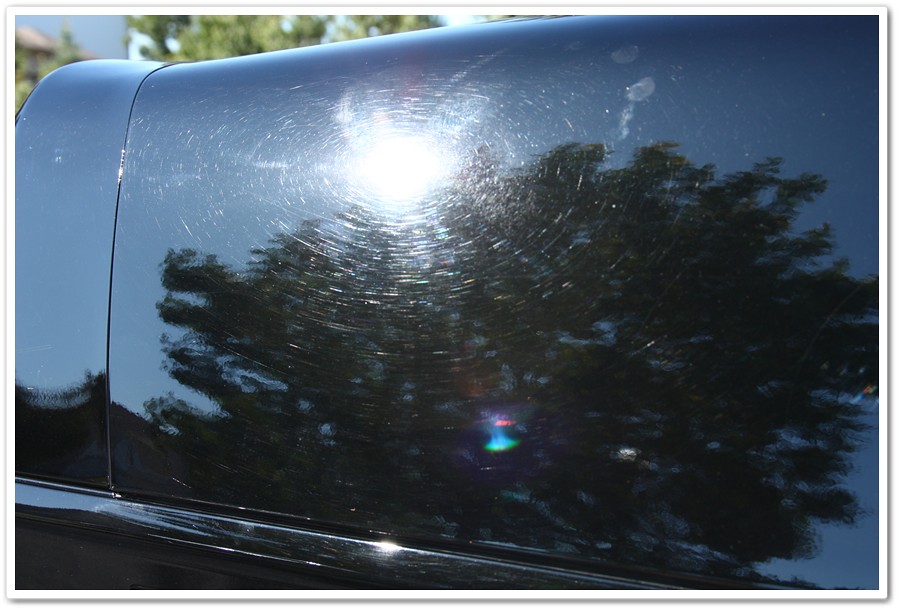
Automatic brushes often use rough or worn-out bristles that can scratch your car’s surface. These tiny scratches may look harmless at first but can build up into noticeable swirl marks.
Think about the last time you noticed faint circular lines on your car’s hood after a wash. Those marks usually come from abrasive brushes dragging dirt across the paint. You might avoid this by choosing touchless car washes or hand washing carefully yourself.
Effect Of Harsh Chemicals
Many automatic car washes rely on strong detergents and chemicals to break down grime quickly. While effective at cleaning, these chemicals can strip away protective wax and damage your paint’s clear coat.
Have you ever seen your car’s finish look dull or faded after repeated washes? It’s often due to harsh cleaners that eat away at the paint layers. Opting for car washes that use gentle, pH-balanced soaps can reduce this risk.
Impact Of Dirt And Debris
Dirt and debris stuck on brushes or in wash equipment can scratch your paint as they rub against your car. Even a small pebble trapped in a brush can cause chips or scratches during the wash cycle.
Imagine your car picking up tiny sand particles on a dusty day. If the car wash doesn’t clean its brushes thoroughly, those particles stay on the brushes and scratch your paint next time. Checking local reviews for cleanliness standards can help you pick a safer car wash.
Materials And Brushes In Automatic Washes
Automatic car washes use various materials and brushes. These are essential for cleaning vehicles efficiently. Their impact on car paint depends on their design and quality. Understanding the differences helps make informed choices.
Soft Cloth Vs. Brush Systems
Automatic washes often use two main systems: soft cloth and brush. Soft cloth systems are gentle on car paint. They use fabric strips that reduce scratches. Brush systems use bristles, which can be harsher. They risk causing micro-scratches on the paint. Choosing the right system affects your car's paint condition.
Quality Of Cleaning Materials
Cleaning materials in car washes vary in quality. High-quality cloths and brushes minimize damage. They are designed to lift dirt without scraping the paint. Low-quality materials often wear out quickly. They may hold dirt and debris, which can scratch surfaces. Always check the maintenance of the car wash equipment. Regular maintenance ensures the materials are effective and safe.
Credit: www.detailedimage.com
Comparing Manual And Automatic Washes
Choosing between a manual and an automatic car wash can feel like a simple decision, but it actually involves weighing how each method impacts your car’s paint. Each approach has its own set of advantages and drawbacks, especially when it comes to maintaining your vehicle’s finish. Let’s break down what you need to know before you decide which wash method suits your car best.
Pros And Cons Of Each Method
| Aspect | Manual Wash | Automatic Wash |
|---|---|---|
| Control | You control the pressure and cleaning tools, reducing the risk of damage. | Preset cycles with limited control over brush pressure or chemicals used. |
| Convenience | Time-consuming and requires effort and proper tools. | Quick and easy, often just a few minutes at the push of a button. |
| Cost | Usually more expensive if done professionally; DIY cost depends on supplies. | Generally cheaper per wash, especially with memberships or packages. |
| Risk to Paint | Lower if done correctly; using soft cloths and proper techniques. | Higher risk due to harsh brushes or abrasive materials in some machines. |
What surprises many is how much control you actually have when washing your car by hand. I’ve seen friends unknowingly scratch their paint with automatic washes that use stiff brushes. That’s why understanding each method’s impact is crucial before making a habit out of one.
Which Is Safer For Paint?
Manual washing tends to be gentler on your car’s paint because you can adjust pressure and choose softer materials. You get to inspect the paint closely and avoid rubbing dirt particles harshly. This hands-on approach helps prevent swirl marks and scratches that automatic brushes might cause.
Automatic washes, especially older or cheaper ones, often rely on rotating brushes that can trap dirt and grit, acting like sandpaper on your finish. However, some modern touchless automatic washes use high-pressure water and detergents, which reduce direct contact but may not clean as thoroughly.
Think about your car’s condition and your patience level. Would you rather invest a bit of time to protect your paint or opt for speed and risk minor damage? Sometimes, a combination works best—manual washes for deep cleans and automatic washes for quick maintenance.
Tips To Protect Your Paint During Automatic Washes
Protecting your car’s paint during automatic washes requires some care. Simple steps can reduce scratches and keep the paint looking fresh. Follow these tips to maintain your car’s shine and avoid damage from harsh brushes or chemicals.
Choosing The Right Car Wash
Select car washes that use soft cloth or foam brushes. These cause less abrasion on your paint. Touchless car washes use high-pressure water and detergents, avoiding direct contact with brushes. They are gentler but might leave some dirt behind. Check reviews or ask about the equipment before choosing a car wash.
Pre-wash Preparations
- Rinse your car with water to remove loose dirt.
- Close all windows and sunroof tightly.
- Remove or secure antennas and accessories.
- Check for loose paint or chips and avoid washing until fixed.
These steps help prevent dirt from scratching the surface during washing.
Post-wash Care
Dry your car quickly using a clean microfiber towel. This prevents water spots that can damage paint. Apply a wax or sealant after washing. It adds a protective layer against dirt and chemicals. Inspect your car for any missed spots or damage. Regularly caring for your paint keeps it bright and smooth.

Credit: www.reddit.com
Alternatives To Automatic Car Washes
Choosing alternatives to automatic car washes can protect your car’s paint. These methods offer more control and reduce risks of scratches or damage. They also help maintain the car’s shine for longer.
Hand Washing Techniques
Hand washing your car allows gentle cleaning. Use a soft sponge or microfiber cloth to avoid scratches. Start by rinsing the car with water to remove loose dirt.
Apply car shampoo mixed with water. Wash in small sections, rinsing the sponge often. Use a separate cloth for wheels to prevent dirt transfer.
Dry the car with a clean microfiber towel. Avoid air drying to prevent water spots. Hand washing keeps the paint safe and looks fresh.
Waterless Wash Options
Waterless wash products clean without water use. These sprays lift dirt and grime off the surface safely. Spray on a small area and wipe with a microfiber cloth.
Ideal for lightly dirty cars or quick touch-ups. Waterless washing saves water and avoids harsh brushes. Always use products made for automotive paint.
Common Myths About Automatic Car Washes
Automatic car washes often get a bad rap, especially when it comes to concerns about damaging your car’s paint. Many of these worries stem from common myths that have been passed around for years. Understanding the truth behind these myths can help you make smarter choices about how you clean your vehicle without unnecessary fear.
Debunking Popular Misconceptions
One widespread myth is that automatic car washes always cause scratches and swirl marks on your paint. While older or poorly maintained machines might leave minor marks, most modern car washes use soft cloths and gentle brushes designed to protect your vehicle’s finish.
Another misconception is that automatic washes strip away your car’s protective wax layer completely. In reality, many car washes now offer wax treatments during the wash cycle, which can actually help maintain your car’s shine and protection.
People often believe hand washing is always safer than automatic washing. However, improper hand washing techniques—like using dirty sponges or rough towels—can cause more damage than a well-maintained automatic wash.
What Experts Say
Professional detailers and paint specialists agree that the key factor is the quality of the car wash system, not the type of wash itself. Machines that use high-quality materials and regular maintenance are much less likely to harm your paint.
Experts also recommend choosing automatic washes that advertise “touchless” or “soft cloth” systems. These options reduce physical contact, lowering the chance of scratches or abrasions.
Have you ever wondered if your car wash choice reflects your car’s needs or just your habits? Paying attention to your car’s specific paint condition and selecting a car wash accordingly can make a big difference.
Frequently Asked Questions
Are Automatic Car Washes Harmful To Car Paint?
Automatic car washes can sometimes cause minor scratches. Brushes or harsh chemicals may damage clear coats. However, modern touchless systems reduce risks, making them safer for your car's paint when used properly.
How Often Should I Use An Automatic Car Wash?
Using an automatic car wash once every two weeks is generally safe. Frequent washes can help remove dirt and contaminants but avoid over-washing to prevent paint wear.
Can Automatic Car Washes Remove Dirt Effectively?
Yes, automatic car washes effectively remove dirt and grime. They use strong water jets and soaps designed to clean without harming paint when maintained well.
Do Automatic Car Washes Cause Swirl Marks On Paint?
Traditional brush-based automatic washes may cause swirl marks. Touchless or soft-cloth systems minimize this risk, protecting your car’s finish better.
Conclusion
Automatic car washes can sometimes harm your car’s paint. Brushes and harsh chemicals may cause scratches or dullness. Choosing touchless washes or hand washing protects your paint better. Regular cleaning keeps your car looking fresh and new. Small care steps extend your car’s beauty and value.
Think about your car’s needs before using any wash. A little attention goes a long way. Keep your paint safe and shining for years.