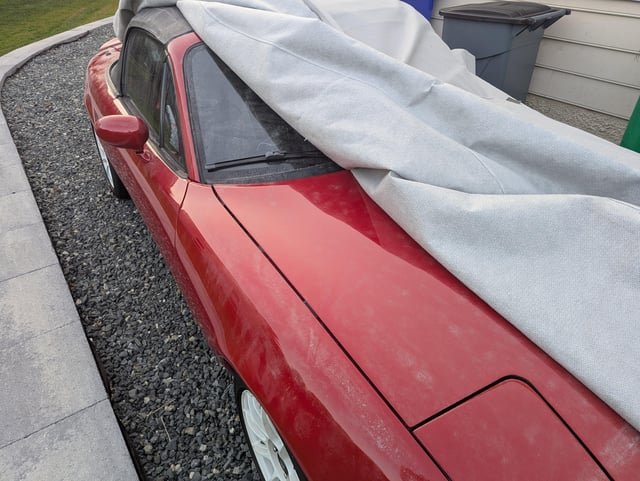

Have you ever wondered if the way you wash your car might actually harm its paint? You take pride in keeping your vehicle looking shiny and new, but could your regular car wash routine be doing more damage than good?
Understanding what’s really happening to your car’s paint during washing can save you from costly repairs and keep your ride looking flawless. You’ll discover the truth about car washes and learn how to protect your car’s finish every time you clean it.
Keep reading to find out what you need to watch out for—and how to keep your paint in perfect condition.
Credit: www.which.co.uk
Common Car Wash Types
Understanding the common types of car washes helps you make smarter choices for your car’s paint. Each method has its own way of cleaning and potential impact on your vehicle’s finish. Let’s look at the main types so you can decide what suits your car best.
Automatic Car Washes
Automatic car washes are popular for their speed and convenience. Your car drives through a machine that sprays water, soap, and brushes or cloth strips to clean the surface. While they save time, some brushes can be harsh and may cause tiny scratches or swirl marks on your paint.
Think about how often you use these washes. Occasional visits might be okay, but frequent use could dull your paint over time. If you choose this option, look for touchless or brushless automatic washes to reduce the risk of damage.
Hand Wash Methods
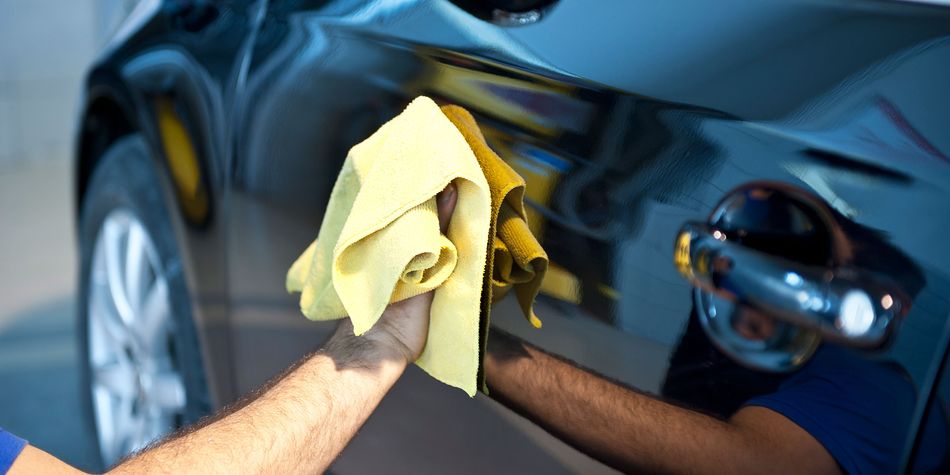
Hand washing gives you full control over how your car is cleaned. Using soft mitts and quality soap, you can carefully remove dirt without rubbing your paint the wrong way. This method is gentle and allows you to inspect your car for spots that need extra care.
However, hand washing requires time and proper technique. Using dirty towels or improper motions can still cause scratches. Have you ever noticed swirl marks after a quick wash? Taking your time and using the right tools can make a big difference.
Waterless Car Washes
Waterless car washes use sprays that lift dirt so you can wipe it away without rinsing. This method saves water and is handy when you don’t have access to a hose. It’s best for lightly soiled cars and works well if you want to maintain your paint’s shine between full washes.
But be cautious: if your car is very dirty, wiping without water can grind dirt into the paint, causing scratches. Always check your car’s condition before choosing this method. Have you tried waterless washes? They can be a quick fix, but not a complete replacement for traditional washing.
How Car Washes Affect Paint
Car washes are meant to keep your vehicle looking fresh, but how do they really affect your car's paint? Understanding the impact can help you make smarter choices about how and when to wash your car. Let’s break down the effects on your paint, so you can protect that shiny finish you worked hard to maintain.
Potential Paint Scratches
Automatic car washes with brushes can sometimes cause tiny scratches on your paint. These scratches happen when dirt and grit trapped in the brushes rub against the surface. Even touchless washes aren’t completely safe if debris isn’t properly rinsed off first.
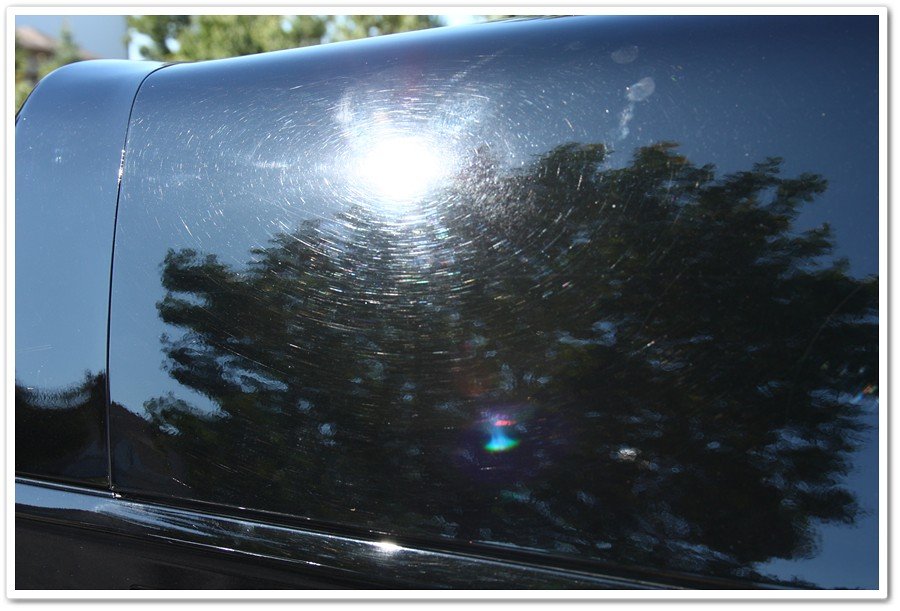
Have you ever noticed swirl marks after a wash? That’s often the result of abrasive materials dragging across your paint. To avoid this, consider hand washing with a soft mitt or using a no-contact wash method to reduce the risk of scratches.
Chemical Impact On Finish
Many car washes use strong detergents to remove grime quickly. However, some chemicals can strip away wax or damage the clear coat if they’re too harsh. Over time, this can dull the paint and make it more vulnerable to fading.
Check the ingredients or ask about the products used at your local car wash. Opt for pH-balanced or paint-safe cleaners to keep your finish intact. You might even want to reapply wax after a wash to restore protection.
Water Spots And Stains
After a wash, your car might develop water spots if the rinse water isn’t properly dried off. These spots happen when minerals in the water dry on the paint surface and leave marks. Hard water areas tend to cause more noticeable staining.
Do you usually let your car air dry? That can increase the chances of water spots. Using a microfiber towel or a blower to dry your car quickly can help prevent these unsightly stains and keep your paint looking flawless.
Risks Of Frequent Car Washing
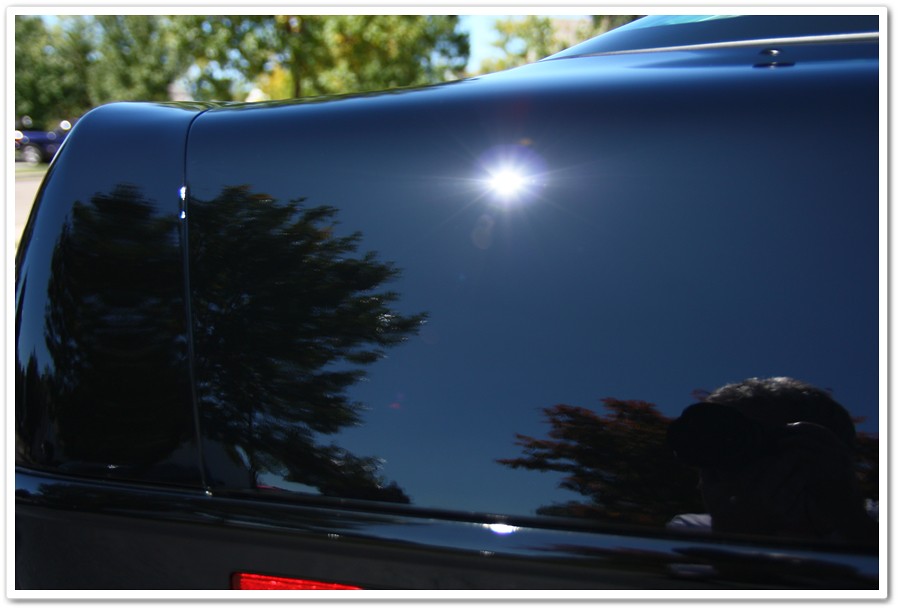
Frequent car washing can wear down the paint over time, causing scratches and dullness. Harsh chemicals and rough brushes may damage the clear coat. Gentle cleaning methods help protect your car’s finish and keep it looking fresh longer.
Frequent car washing might seem like a great way to keep your vehicle looking shiny and new. However, have you ever wondered if you're doing more harm than good? Repeatedly washing your car can lead to some unexpected consequences that affect the longevity and appearance of your car's paint. Let's explore some of these risks.
Wearing Down Protective Coatings
Every car comes with a protective coating that guards the paint against the elements. Over-washing, especially with harsh chemicals or abrasive materials, can strip away this vital layer. Imagine the protective layer as a shield; once it's compromised, your car's paint is more vulnerable to scratches, chips, and other damages. Have you noticed your car's surface feeling less smooth after frequent washes? This could be a sign that the protective coating is wearing thin. To prevent this, consider using softer sponges and less aggressive detergents during your washes.
Paint Fading Over Time
The vibrant color of your car can fade faster than you'd expect with too much washing. Even the sun's rays, combined with regular exposure to water and soap, can gradually dull the paint. Think about your favorite pair of jeans; wash them too often, and they lose their rich color. The same principle applies to your car's paint. To maintain its brilliance, try to limit washes to when they are truly necessary and park in shaded areas whenever possible. Frequent washing might make your car look clean in the short term, but it can lead to costly repairs and maintenance down the road. Are you willing to trade the immediate satisfaction of a spotless car for the potential long-term damage? Keep these insights in mind the next time you reach for the hose and sponge.
Credit: www.detailedimage.com
Safe Car Wash Practices
Safe car wash practices keep your paint bright and scratch-free. Using the right products and methods protects your vehicle’s surface. Careful drying prevents water marks and damage. Follow these simple steps for a clean, shiny car without harm.
Choosing The Right Products
Select car wash soaps made for automotive paint. Avoid household cleaners that strip wax or damage finish. Use microfiber wash mitts to reduce scratches. Rinse tools often to remove dirt and grit. Choose pH-balanced formulas that are gentle on paint.
Proper Washing Techniques
- Wash in the shade to prevent soap from drying fast.
- Start with a thorough rinse to remove loose dirt.
- Use the two-bucket method: one for soapy water, one for rinsing mitt.
- Wash top to bottom to avoid spreading dirt back onto cleaned areas.
- Use gentle, circular motions without applying too much pressure.
Drying Without Damage
Air drying leaves water spots that harm paint over time. Use a clean, soft microfiber towel to blot excess water. Avoid rubbing harshly to prevent swirl marks. Pat dry areas with stubborn water droplets. Change towels often to keep them free of dirt.
Benefits Of Regular Cleaning
Regular cleaning protects your car’s paint and keeps it looking new. Dirt, dust, and grime can damage the surface over time. Washing your car often removes these harmful substances. This simple habit helps your vehicle stay bright and fresh for years.
Maintaining Shine And Gloss
Cleaning your car regularly preserves its shine. Dirt and pollutants dull the paint’s surface. Washing removes these particles and restores the glossy finish. A clean car looks newer and more attractive on the road.
Preventing Corrosion
Road salt, bird droppings, and tree sap cause corrosion. These substances eat away at the paint and metal underneath. Regular washing removes corrosive materials quickly. This stops rust from forming and keeps your car’s body strong.
Enhancing Vehicle Value
A well-maintained car holds its value better. Shiny, clean paint suggests the vehicle is cared for. This attracts buyers and can increase resale price. Regular cleaning is a simple way to protect your investment.
Diy Vs Professional Washes
Deciding between washing your car yourself or relying on professionals can impact your car’s paint quality. Both options have benefits and drawbacks that affect how well your paint holds up over time. Understanding these can help you protect your vehicle and save money.
Pros And Cons Of Diy
Washing your car at home gives you full control over the process. You can choose gentle soaps and soft cloths to avoid scratches. Plus, it’s a budget-friendly way to keep your car clean.
However, DIY washes require patience and proper technique. Using the wrong tools, like harsh brushes or dirty sponges, can damage your paint. Have you ever noticed swirl marks after a quick home wash? That’s a common sign of improper care.
- Pros:Cost-effective, control over products, flexible timing
- Cons:Risk of paint damage, time-consuming, requires knowledge
When To Choose Professionals
Professional car washes often use specialized equipment and trained staff to protect your paint. They can safely remove dirt and grime without scratching or wearing down the clear coat. If your car has stubborn stains or you want a deep clean, professionals are a smart choice.
Still, not all professional washes are equal. Some automated systems use abrasive brushes that may harm your paint over time. It's worth asking about the type of wash system they use or opting for hand washes when possible.
- Choose professionals for tough dirt and regular maintenance
- Look for touchless or hand wash services to protect paint
- Avoid cheap automated washes with harsh brushes
Are you paying attention to how your car wash choices affect your paint? Sometimes investing a little more in the right wash can save you from costly paint repairs down the road.
Myths About Car Wash Damage
Many people believe car washes harm car paint. These ideas cause confusion and worry. Understanding the truth clears up these myths. Knowing what really damages paint helps protect your car better.
Debunking Common Misconceptions
Some think automatic car washes always scratch paint. This is not true for modern systems. New machines use soft cloths or foam that are gentle. Hand washing also gets blamed for damage. Using the right tools and techniques prevents problems.
Others say car wash soaps strip protective wax. Proper car wash soaps are made to be safe. Harsh household cleaners cause more harm than car wash products. Frequent washing actually helps maintain paint by removing dirt and grime.
What Really Causes Paint Issues
Most paint damage comes from dirt and debris left on the car. Grit rubbing on paint during washing causes scratches. Using dirty or rough cloths also harms paint. Sunlight and heat can fade paint over time.
Neglect leads to paint problems. Not washing off bird droppings, tree sap, or road salt causes stains. These substances eat into the paint surface if left too long. Regular cleaning and proper care keep paint looking new.

Credit: www.reddit.com
Frequently Asked Questions
Are Automatic Car Washes Harmful To Car Paint?
Automatic car washes can sometimes cause minor paint scratches. Brushes and harsh chemicals may damage the clear coat. However, modern touchless car washes are gentler and safer for paint protection. Choosing a high-quality car wash reduces potential harm.
How Do Car Wash Brushes Affect Car Paint?
Car wash brushes can trap dirt and grit that scratch your car’s paint. Repeated exposure may cause swirl marks and dullness. Soft, clean brushes or microfiber materials minimize paint damage during washing.
Is Hand Washing Better For Car Paint?
Hand washing is generally safer for car paint. It allows gentle cleaning and better control to avoid scratches. Using proper techniques and clean, soft cloths preserves paint integrity and shine longer.
Can Frequent Car Washes Damage My Car’s Paint?
Frequent car washes can wear down the protective wax and clear coat if done improperly. Using harsh chemicals or abrasive tools accelerates paint deterioration. Gentle washing methods and quality products maintain paint health despite regular cleaning.
Conclusion
Car washes can affect your car paint, but it depends on the type. Gentle hand washes and soft cloth machines are usually safe. Harsh brushes and strong chemicals may cause scratches or fading. Regular cleaning helps keep your car looking new.
Choose a car wash that uses safe methods and products. Protecting your paint takes simple care and smart choices. Your car will thank you with a shiny, clean look every time.