
Have you ever wondered if your car battery can go bad after just one year? You rely on your battery every day to start your car and keep things running smoothly.
But what if it suddenly fails much sooner than you expected? Understanding why this happens can save you from unexpected breakdowns and costly repairs. You'll discover the surprising reasons behind early battery failure and what you can do to keep your car running strong.
Keep reading—your next drive depends on it.
Car Battery Lifespan
Understanding the lifespan of your car battery is crucial for avoiding unexpected breakdowns. Many drivers wonder if a battery can fail after just one year. The answer depends on several factors, including the battery's quality and how you use and maintain your vehicle.
Typical Battery Duration
Most car batteries last between three to five years under normal conditions. Some high-quality batteries may even stretch closer to six years. However, it's not unusual for a battery to show signs of weakness after only a year, especially if it’s been subjected to harsh conditions.
Think about your own experience—have you ever had a battery die prematurely? It can be frustrating and costly, especially when you least expect it. Knowing the typical duration helps you plan for timely replacements and avoid surprises.
Factors Affecting Battery Life
Several key factors can shorten your battery’s life, sometimes causing it to go bad in less than a year. Here are the most common ones:
- Extreme Temperatures:Both very hot and very cold weather can drain your battery faster. Heat causes the fluid inside to evaporate, while cold reduces its ability to hold a charge.
- Short Trips:Frequent short drives don’t give your battery enough time to recharge fully.
- Electrical Load:Using multiple accessories like GPS, lights, and audio systems can tax the battery.
- Corrosion and Poor Maintenance:Dirty or corroded terminals can interrupt the flow of electricity and reduce battery efficiency.
- Faulty Charging System:If your alternator isn’t working properly, your battery won’t charge as it should.
Have you checked your battery terminals recently? Sometimes, a simple clean-up can extend your battery life significantly. Paying attention to these factors can save you from the hassle of unexpected battery failure.

Credit: carfromjapan.com
Signs Of A Failing Battery
Car batteries can fail unexpectedly. Recognizing early signs helps avoid being stranded. A failing battery shows clear symptoms. Watch for these signals to know if your battery needs attention.
Slow Engine Crank
When you turn the key, the engine turns over slowly. It takes longer to start your car. This happens because the battery cannot supply enough power. A slow crank often means the battery is weak or dying.
Dim Lights And Electrical Issues
Lights appear dimmer than usual, especially at night. Dashboard lights may flicker or fade. Other electrical components like radio or power windows may work poorly. These problems indicate the battery is losing charge.
Warning Lights On Dashboard
Your car’s dashboard may show a battery or check engine light. These warning signs alert you to battery or charging system issues. Ignoring these lights can lead to sudden battery failure.
Why Batteries Fail Early
Car batteries sometimes fail sooner than expected. A battery can go bad even after just one year. Understanding why this happens is crucial for car owners. Here are some common reasons for early battery failure.
Extreme Weather Impact
Weather conditions greatly affect battery life. Extreme heat can evaporate battery fluid. This reduces performance and lifespan. Cold temperatures can also weaken battery power. It makes starting the car harder. Both extremes stress the battery, leading to early failure.
Corrosion And Maintenance Neglect
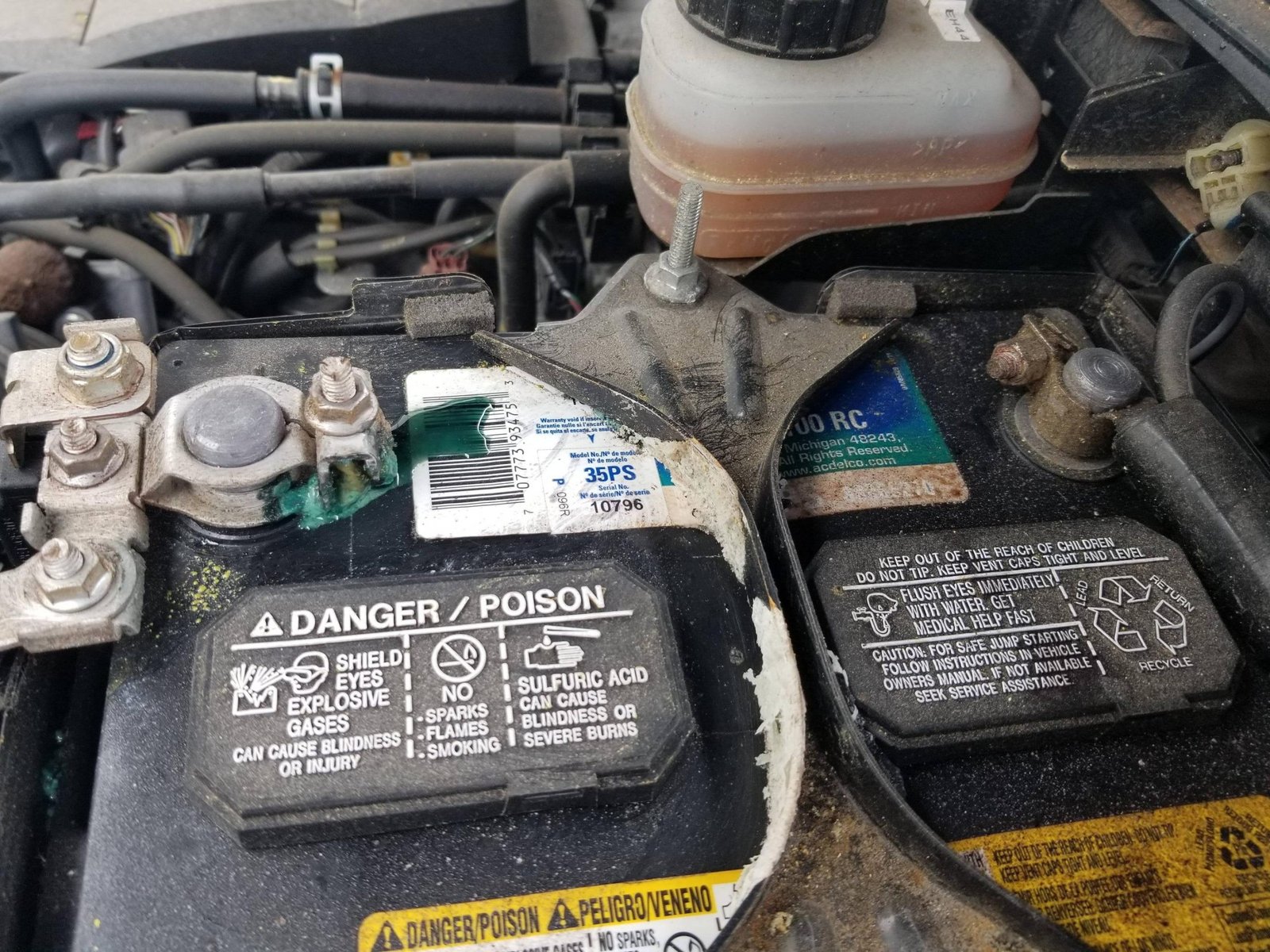
Corrosion can damage battery terminals. It disrupts the electrical flow. Regular maintenance can prevent corrosion. Neglecting battery care accelerates wear and tear. Simple checks can extend a battery's life. Clean terminals ensure a good connection.
Manufacturing Defects
Sometimes, a new battery may have defects. Manufacturing issues can cause early failure. Quality control misses these defects. It's rare but possible. Always buy from trusted brands. This reduces the risk of defects.

Credit: carfromjapan.com
Testing Battery Health
Testing your car battery's health is crucial, especially if it’s just about a year old. Batteries can fail sooner than expected due to various reasons like manufacturing defects, extreme weather, or irregular use. Understanding how to test your battery can save you from unexpected breakdowns and costly replacements.
Using A Multimeter
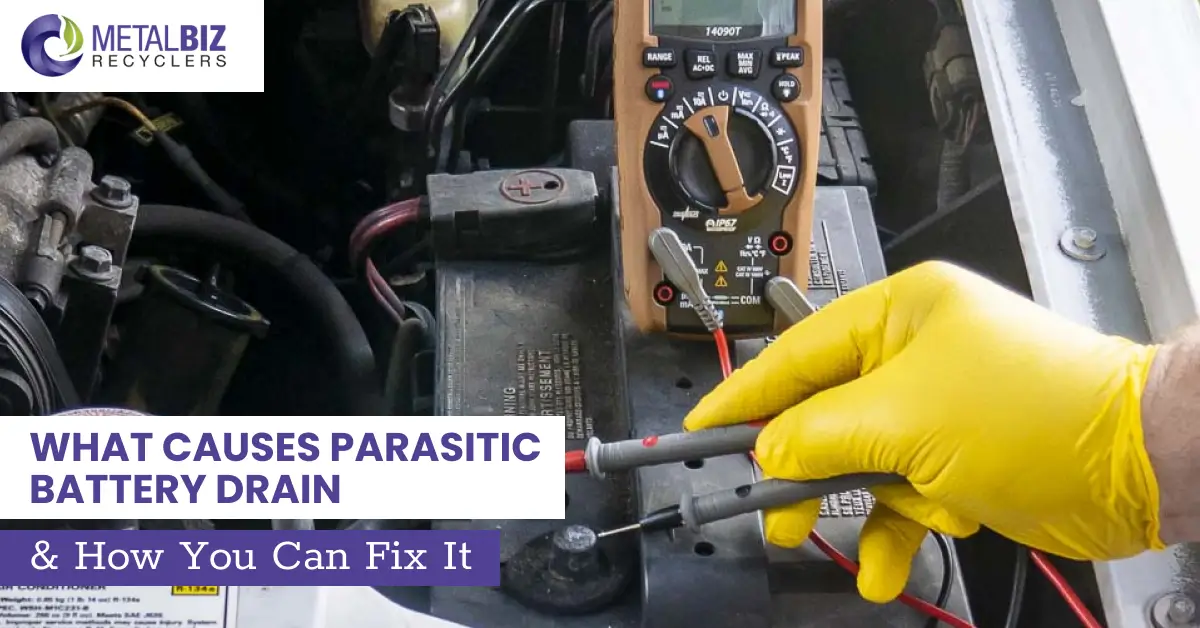
A multimeter is a handy tool you can use at home to check your battery’s voltage. Start by setting the multimeter to measure DC voltage, then connect the red lead to the positive terminal and the black lead to the negative terminal of the battery.
A healthy, fully charged car battery typically reads around 12.6 volts or more when the engine is off. If your reading is below 12.4 volts, your battery might be weak or partially discharged. Have you noticed your car struggling to start? This simple test could reveal if the battery is the culprit.
Professional Battery Testing
Sometimes, a multimeter isn’t enough to get the full picture. Professional battery testers can perform load tests that simulate real operating conditions. This helps determine whether the battery can hold charge under stress.
Many auto shops offer this service, often free or at a low cost. They can also check the battery’s overall health, including its ability to recharge and its internal resistance. Would you trust a quick voltage reading alone, or would you want a thorough check to avoid surprises on the road?
Preventing Early Battery Failure
Preventing early battery failure is key to keeping your car running smoothly without unexpected breakdowns. Batteries can lose their strength quickly if not cared for properly, even within the first year. Understanding simple habits and maintenance routines can add months or even years to your battery’s life.
Regular Maintenance Tips
Check your battery terminals regularly for corrosion or dirt. A dirty or corroded terminal can block the flow of electricity, causing your battery to work harder and wear out faster.
Clean terminals with a mix of baking soda and water using a toothbrush. Make sure your battery is securely fastened in its tray to avoid vibrations that can damage internal components.
Have you ever ignored a loose battery cable only to find your car won’t start? Staying on top of these small checks can prevent big headaches.
Proper Charging Habits
Overcharging or undercharging your battery can both cause damage. Avoid using cheap or incompatible chargers that may deliver inconsistent power.
When your car sits idle for long periods, use a trickle charger to keep the battery at optimal charge levels without overdoing it. Short trips don’t allow your alternator to fully recharge the battery, so occasional longer drives help maintain battery health.
Think about how often you drive your car and the length of those trips—could adjusting your driving routine improve your battery’s lifespan?
Storage Considerations
If you plan to store your car for weeks or months, remove the battery or use a battery maintainer to avoid deep discharge. Extreme temperatures, especially heat, can speed up battery degradation.
Store the battery in a cool, dry place if removed. If it stays in the vehicle, park in shaded areas or a garage to protect it from harsh weather conditions.
Have you noticed your battery struggling after a hot summer or cold winter? Proper storage is often the missing link to preventing early battery failure.
When To Replace Your Battery
Knowing when to replace your car battery is essential for reliable vehicle performance. A battery can fail even after just one year. Recognizing the signs early avoids unexpected breakdowns and costly repairs.
Evaluating Battery Performance
Check for slow engine crank or dim headlights. These often signal a weak battery. Use a multimeter to measure voltage; healthy batteries read around 12.6 volts when the car is off. If voltage drops below 12.4 volts, it may need replacement.
Look for corrosion on battery terminals and any swelling or leaks on the battery case. These signs indicate battery damage. Pay attention to warning lights on the dashboard as well.
Choosing The Right Replacement
Select a battery that matches your car’s specifications. Consider size, power rating, and terminal type. Always pick a battery with enough cold cranking amps (CCA) for your climate. Higher CCA helps start engines in cold weather.
Check the warranty period and brand reputation. A reliable battery offers longer life and better performance. Proper installation is vital; ensure terminals are clean and tightly connected for best results.
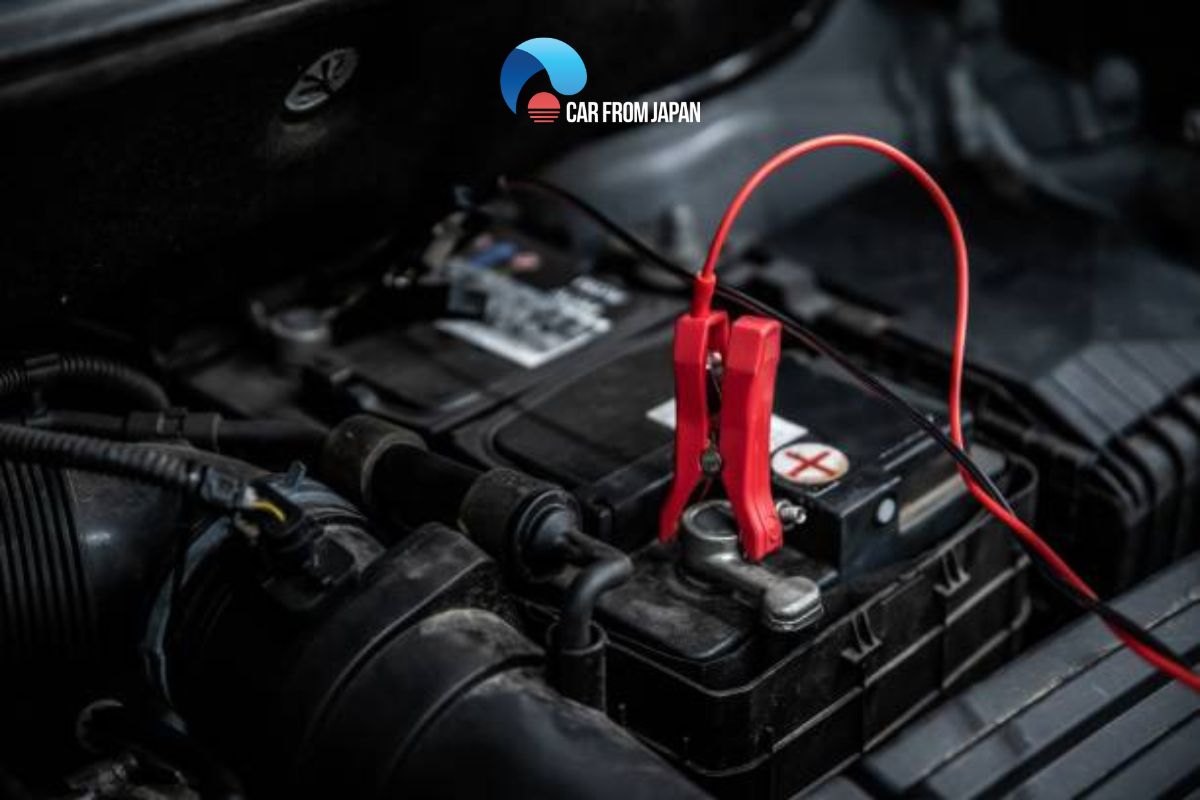
Credit: carfromjapan.com
Frequently Asked Questions
Can A Car Battery Fail Within One Year?
Yes, a car battery can fail within one year due to defects, extreme weather, or improper maintenance. Regular checks help prevent early failure.
What Causes A Car Battery To Go Bad Quickly?
Quick battery failure often results from overcharging, extreme temperatures, corrosion, or leaving lights on. Proper care extends battery life.
How Can I Tell If My Battery Is Failing?
Signs include slow engine crank, dim lights, and warning dashboard lights. Testing voltage and load confirms battery health.
Does Infrequent Driving Affect Battery Life?
Yes, infrequent driving causes battery discharge, reducing its lifespan. Regular use or a trickle charger helps maintain charge.
Conclusion
A car battery can go bad after just one year. Many factors affect battery life, such as weather and driving habits. Regular checks help catch problems early. Watch for signs like slow starts or dim lights. Replacing a bad battery keeps your car reliable.
Don’t wait for a breakdown to take action. Staying aware saves time and money. Keep your battery healthy to avoid surprises on the road. Simple care makes a big difference.