
Have you ever worried about your car getting damaged when hailstorms strike? You’re not alone.
Hail can leave dents, cracks, and scratches that cost a lot to fix. But can a simple car cover really protect your vehicle from this kind of damage? If you want to save money and avoid stress, understanding how car covers work against hail is crucial.
Keep reading to discover what you need to know to keep your car safe when the skies turn rough.
Hail Damage Risks
Hailstorms can catch you off guard, especially when your car is parked outside. The risk of hail damage is real and can lead to costly repairs. Understanding how hail affects your vehicle helps you decide if a car cover is worth the investment to protect your ride.
Common Hail Impact On Cars
Hailstones can leave dents, scratches, and even cracks on your car’s surface. The roof, hood, and trunk are the most vulnerable areas because they face the sky directly. Windows and mirrors are also at risk of shattering or cracking if the hail is severe enough.
I once saw a friend’s car after a sudden hailstorm — the entire hood was covered with small dents that took weeks to fix. Have you ever noticed tiny dimples on cars after bad weather? Those are signs of hail damage, and even small dents can reduce your car’s resale value.
- Dents on metal surfaces
- Chipped paint leading to rust
- Broken or cracked glass
- Damaged side mirrors and lights
Types Of Hailstones And Damage Severity
Not all hailstones are the same size or hardness, and this directly affects how much damage they cause. Small hailstones usually cause minor dents, while larger, golf-ball-sized or bigger hailstones can cause serious damage.
| Hailstone Size | Potential Damage | Example |
|---|---|---|
| Pea-sized (0.25 inch) | Minor dents, scratches | Small dimples on roof or hood |
| Marble-sized (0.5 inch) | Noticeable dents, paint chips | Visible dents and paint damage |
| Golf ball-sized (1.75 inch) | Severe dents, broken glass | Cracked windows, large dents |
| Baseball-sized (2.75 inch) or larger | Major body damage, shattered glass | Extensive damage, costly repairs |
Knowing the size and type of hail common in your area can help you prepare better. Have you checked local weather patterns for hail history before choosing your car cover?
Car Cover Materials
Choosing the right material for your car cover can make a huge difference when it comes to protecting your vehicle from hail damage. Not all covers are created equal, and understanding the materials used can help you pick one that truly shields your car. Let’s break down what you need to know about car cover materials.
Soft Vs Hard Protective Covers
Soft covers are usually made from fabrics like polyester, cotton blends, or microfiber. They are lightweight and easy to handle but may not offer strong protection against larger hailstones. These covers work best for light hail or as a dust shield.
Hard protective covers, on the other hand, often feature rigid panels or thick padding. Some combine hard outer shells with soft inner layers to absorb impact. If you live in an area prone to severe hailstorms, these covers can provide significantly better protection.
Impact Resistance Features
Look for covers that highlight impact resistance through materials like foam padding or multi-layer constructions. Some include air-cushion layers designed to absorb and distribute the force from hail.
Additional features such as reinforced stitching and water-resistant coatings also add to durability and protection. Have you checked if your cover’s material claims to reduce impact damage? That might be the difference between a dent-free car and costly repairs.
Effectiveness Of Car Covers
When you think about protecting your car from hail, a car cover might be one of the first solutions that comes to mind. But how effective are they really? Car covers can offer a layer of protection, but their effectiveness often depends on the severity of the storm and the quality of the cover itself. Investing in a good car cover could mean the difference between a minor inconvenience and a costly repair.
Case Studies And Real-world Tests
Various studies have tested car covers in real-world settings to assess their performance against hail. In one study, cars with high-quality padded covers showed significantly less damage compared to those without any protection. Another test in a region prone to hailstorms found that multi-layered covers with foam padding were particularly effective in minimizing damage.
Personal experiences also support these findings. I once used a basic cover during a minor hailstorm, and it did provide some protection, although a few dents still appeared. My neighbor, however, used a specialized hail-resistant cover and his car emerged unscathed. These examples show that not all car covers are created equal.
Limitations In Severe Hailstorms
While car covers can be helpful, they have their limitations, especially in severe hailstorms. Covers made of thin material or single layers might not withstand large hailstones, leading to potential damage. Even the best covers can struggle against extreme conditions, where hailstones are unusually large and forceful.
It's crucial to assess the type of hailstorms common in your area. If severe storms are frequent, consider additional protective measures like hail-resistant carports or garages. Relying solely on a car cover in these situations might not offer the comprehensive protection you need. Are you willing to take that risk with your valuable asset?

Credit: www.walmart.ca
Choosing The Right Cover
Choosing the right car cover is essential if you want real protection against hail damage. Not all covers are created equal, and picking one that fits your vehicle and stands up to harsh weather can make a big difference. Let's look at what really matters when selecting a cover that can shield your car from hail.
Size And Fit Considerations
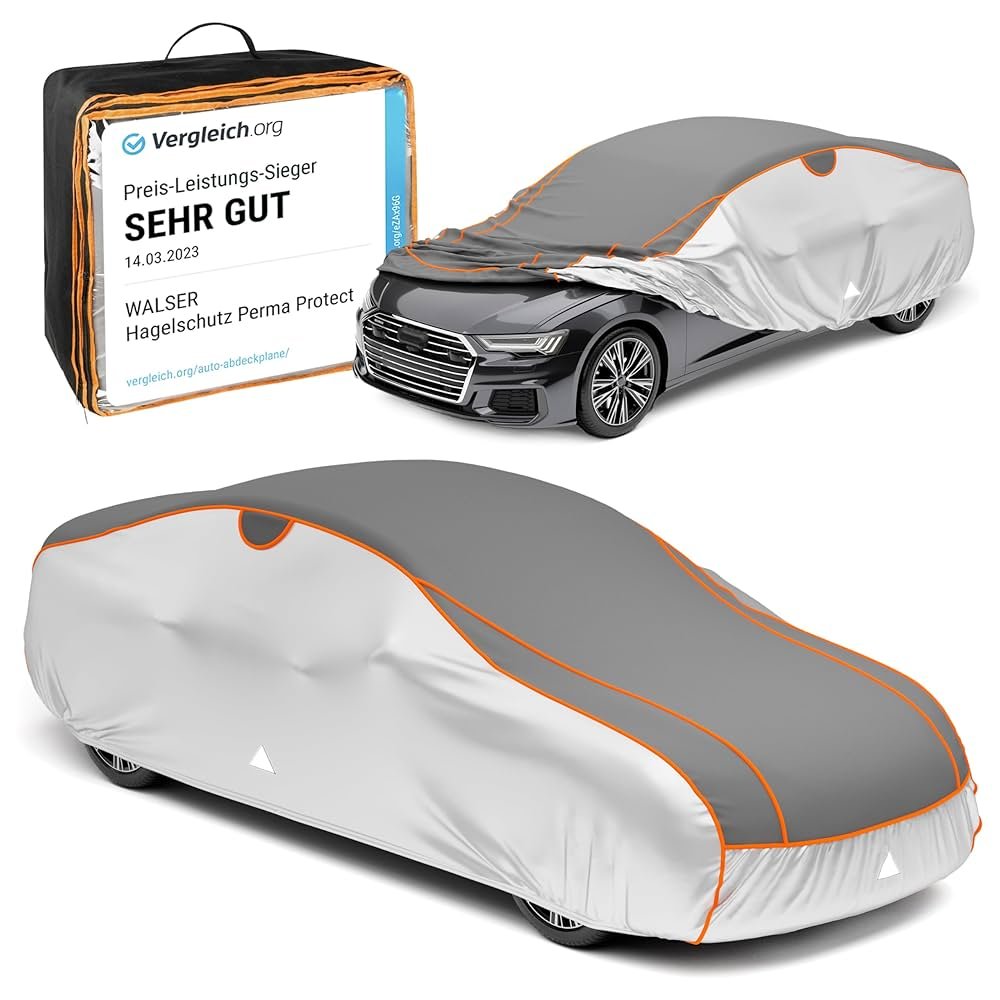
A cover that’s too small leaves parts of your car exposed, making it vulnerable to hail. On the other hand, a loose cover can flap in the wind, causing scratches or even blowing away. You want a cover that hugs your car’s shape snugly but is easy to put on and remove.
Think about your car’s make and model. Covers designed specifically for sedans won’t fit SUVs or trucks properly. If you drive a classic or customized vehicle, look for covers with adjustable straps or elastic hems. These features help keep the cover tight and secure during storms.
Weatherproof And Durability Factors
Hail protection demands a cover made from tough, weather-resistant materials. Look for multi-layered fabrics with padding or foam that can absorb impacts. Some covers even come with built-in airbags or extra cushioning designed specifically for hailstorms.
Durability also means resistance to sun, rain, and wind. If the material breaks down quickly, it won’t protect your car when you need it most. Check product reviews to see how covers hold up over time. Investing in a high-quality cover can save you from costly repairs later.
Alternative Protection Methods
Protecting a car from hail damage requires more than just a cover. Alternative protection methods offer extra safety and peace of mind. These options vary in cost, convenience, and effectiveness. Choosing the right one depends on your budget and how often hail occurs in your area.
Garage And Shelter Options
Garages provide the best protection against hail. They shield your car completely from falling ice. A permanent garage is a strong investment for long-term protection.
Carports and portable shelters also help. They offer partial coverage and reduce hail impact. These structures are easier to install and less expensive than full garages.
- Attached or detached garages
- Metal or fabric carports
- Portable pop-up shelters
Choose a shelter with a sturdy roof and strong supports. This ensures it withstands heavy hailstorms.
Temporary Hail Protection Solutions
Temporary protection works well if hail is rare or unexpected. These solutions are quick to set up and remove.
Hail blankets or pads made from soft foam absorb hail impact. They cover the entire car surface and prevent dents.
- Thick foam hail blankets
- Inflatable car covers
- Padded tarps with straps
Another option is using heavy blankets or moving blankets. Place them on the car and secure tightly. This method offers some protection but may not stop large hail.
Temporary solutions are helpful during hail warnings. Keep these items ready for fast deployment.

Credit: www.walmart.ca
Maintenance And Care
Proper maintenance and care extend the life of your car cover. They keep the cover effective against hail and other weather elements. Taking time to care for your cover prevents damage and ensures it stays protective.
Proper Use Of Car Covers
Always place the cover gently on your car. Avoid pulling too hard, which can tear the fabric. Secure all straps or fasteners to keep the cover in place. Check that the cover fits your car snugly without being too tight. Move the cover carefully to prevent scratching the paint. Use a cover designed specifically for hail protection for best results.
Cleaning And Storage Tips
Clean the car cover regularly to remove dirt and debris. Use mild soap and cold water for washing. Avoid harsh chemicals that can damage the fabric. Let the cover dry completely before folding it. Store the cover in a dry, cool place away from sunlight. Folding the cover neatly prevents creases and weak spots. Keep the cover away from sharp objects to avoid tears.

Credit: www.amazon.ca
Frequently Asked Questions
Can A Car Cover Prevent Hail Damage Effectively?
A quality car cover can reduce hail damage by absorbing impact. It helps protect paint and glass but may not fully prevent dents from large hailstones.
What Type Of Car Cover Is Best For Hail Protection?
Thick, padded, or hail-specific car covers offer the best protection. They cushion the vehicle against hail impact better than thin, standard covers.
Does A Car Cover Protect Windows From Hail?
Yes, padded car covers can protect windows by absorbing hail impact. However, extreme hailstorms may still cause window damage despite cover use.
Can A Regular Car Cover Withstand Heavy Hailstorms?
Regular covers provide minimal protection against heavy hail. Investing in a specialized hail-resistant cover is recommended for severe hailstorm areas.
Conclusion
A car cover can help reduce hail damage to some extent. It acts as a cushion against small to medium hailstones. Thicker, padded covers offer better protection. Still, very large hail can cause dents or cracks. Using a car cover is better than no protection.
It also keeps your car clean from dirt and debris. Choosing the right cover depends on your area’s weather. Regular use can save money on repairs later. So, consider a quality cover as part of your car care routine.