
Have you ever wondered if you should skip washing your car during winter? You might think that cold weather and snow make it pointless.
But here’s the truth: letting dirt and salt build up on your car can cause serious damage. Imagine your car looking dull and worn out before spring even arrives. You don’t want that, right? You’ll discover why getting a car wash in winter isn’t just okay—it’s actually one of the best ways to protect your vehicle.
Keep reading to learn how washing your car now can save you money and headaches later.
Car Wash In Winter
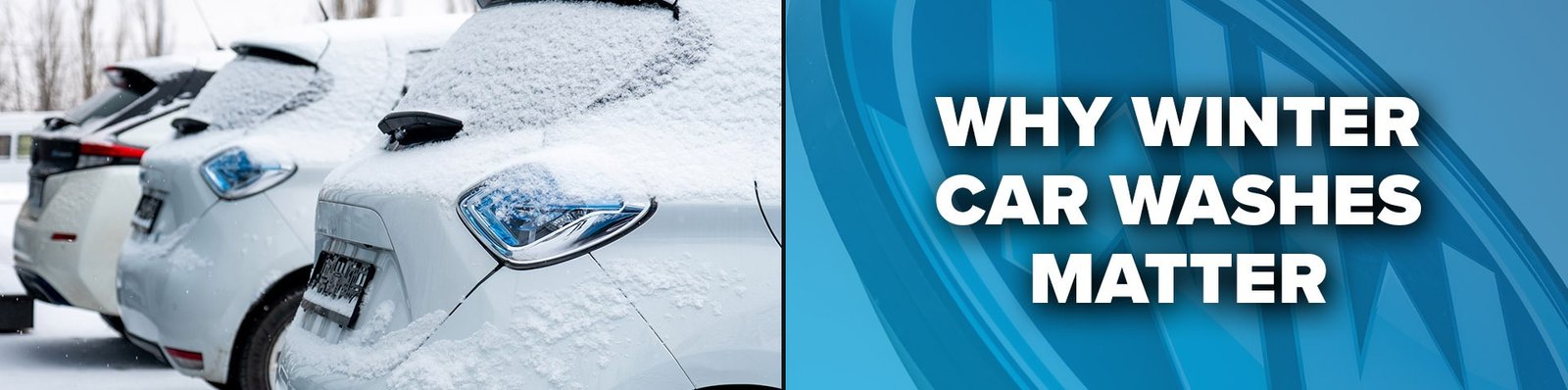
Many people avoid washing cars in winter due to cold weather worries. Yet, keeping your car clean during cold months is very important. Snow, salt, and dirt can harm your vehicle’s paint and metal. A good wash removes these elements and protects your car. Winter car washes help maintain your vehicle’s value and appearance.
Why Wash Your Car In Cold Months
Salt and chemicals used on roads cause rust and corrosion. They stick to your car’s body and undercarriage. Washing your car removes these harmful substances. Clean cars also prevent paint damage and fading caused by dirt buildup.
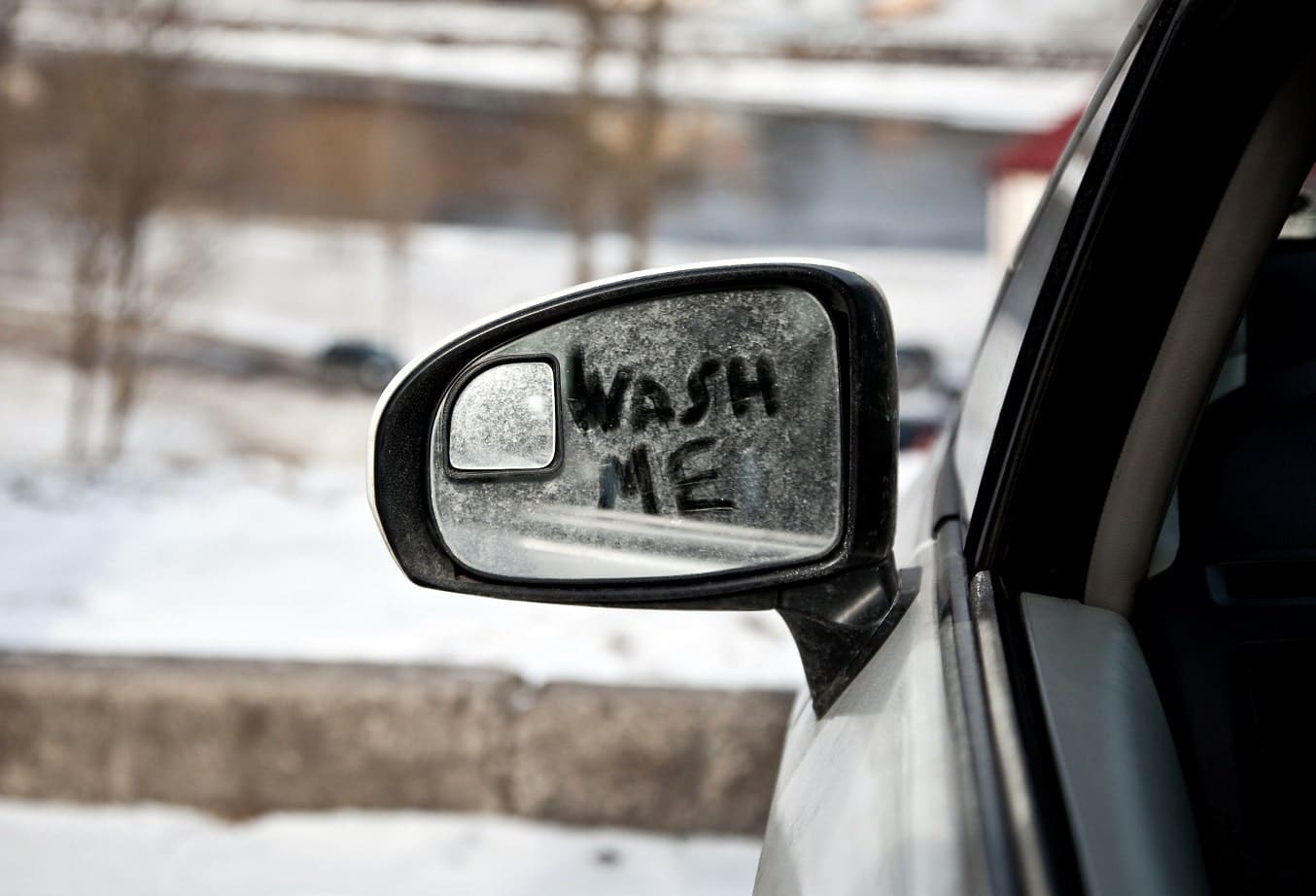
Regular washing improves visibility by clearing headlights and mirrors. It helps keep your car safe on slippery roads. A clean car also feels better to drive and looks great despite the cold.
Common Winter Wash Myths
Many believe washing cars in winter causes freezing or damage. This is not true if you use the right methods. Professional car washes use warm water and special soap safe for cold weather.
Another myth says car washing wastes water in winter. Modern car washes recycle water efficiently. Hand washing with care also uses less water than you think.
Some think dirt protects the car from winter damage. Dirt holds salt and grime that cause more harm. Washing your car removes these dangerous layers.
Benefits Of Winter Car Washes
Washing your car in winter offers many benefits beyond just keeping it clean. Cold weather, snow, and road salt can harm your vehicle’s body and parts. Regular winter washes protect your car and keep it looking good all season long.
Preventing Salt Damage
Road salt melts ice but damages your car’s metal. Salt causes rust and corrosion on the body and undercarriage. Washing removes salt before it causes harm. This prevents costly repairs and keeps your car strong.
Maintaining Paint Quality
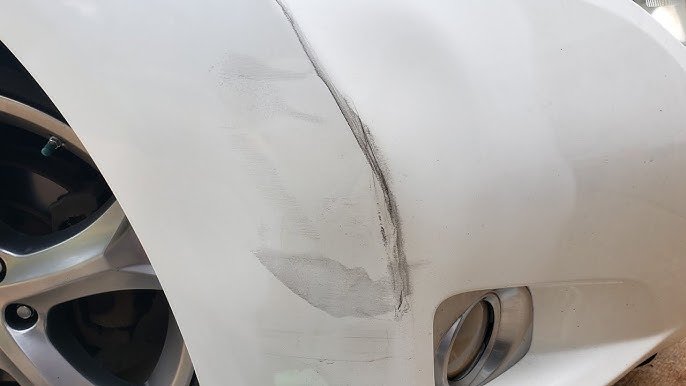
Winter grime dulls your car’s paint. Dirt and salt stick to the surface and cause scratches. Washing removes these harmful substances. Clean paint resists fading and stays shiny longer, even in harsh weather.
Improving Visibility And Safety
Dirty windows and mirrors reduce visibility. Salt and dirt block your view, creating dangerous driving conditions. Washing clears these surfaces. Clean glass helps you see better and drives safely in winter roads.
Best Methods For Winter Washing
Winter can be harsh on your car's exterior. Salt, slush, and grime build up quickly. Keeping your car clean is essential even in cold months. But how do you wash your car in winter without freezing your fingers off? Here are the best methods for winter washing that will help protect your vehicle and keep it shining.
Touchless Car Washes
Touchless car washes are a great option during winter. They use high-pressure jets to clean without brushes or cloths. This method is quick and minimizes scratches on your car's paint. Plus, you stay warm inside your car throughout the wash.
Hand Washing Tips
Hand washing your car in winter is possible with the right steps. First, choose a day when temperatures are above freezing. Use car wash soap mixed with warm water to prevent ice formation. Wear waterproof gloves to protect your hands. Rinse your car with lukewarm water to remove all soap. Dry your car immediately to avoid water spots.
Using Hot Water Safely
Hot water can help melt ice and grime, but be cautious. Avoid using boiling water; it can damage paint and glass. Use lukewarm water instead for safe cleaning. Never pour hot water directly on a frozen windshield; it can crack the glass. Always test water temperature on a small area first.
Credit: www.simoniz.uk
Timing And Frequency
Knowing when and how often to wash your car in winter is key to keeping it protected. Dirt, salt, and grime from the roads can build up quickly and cause damage if not cleaned regularly. But washing too often or at the wrong times might do more harm than good.
Ideal Washing Schedule
Try washing your car every two weeks during winter. This frequency helps remove salt and dirt before they cause rust or paint damage. If you live in an area with heavy snowfall or frequent road salt use, consider washing weekly.
Pay attention to your car’s condition. If you notice a layer of grime or salt accumulating, don’t wait for your usual schedule—wash it sooner. You want to catch buildup before it eats into your vehicle’s finish.
Think about your vehicle’s exposure. Cars parked outside need washing more often than those kept in a garage. Ask yourself: How often do you drive on salted roads? Your answers should guide your washing routine.
Weather Considerations
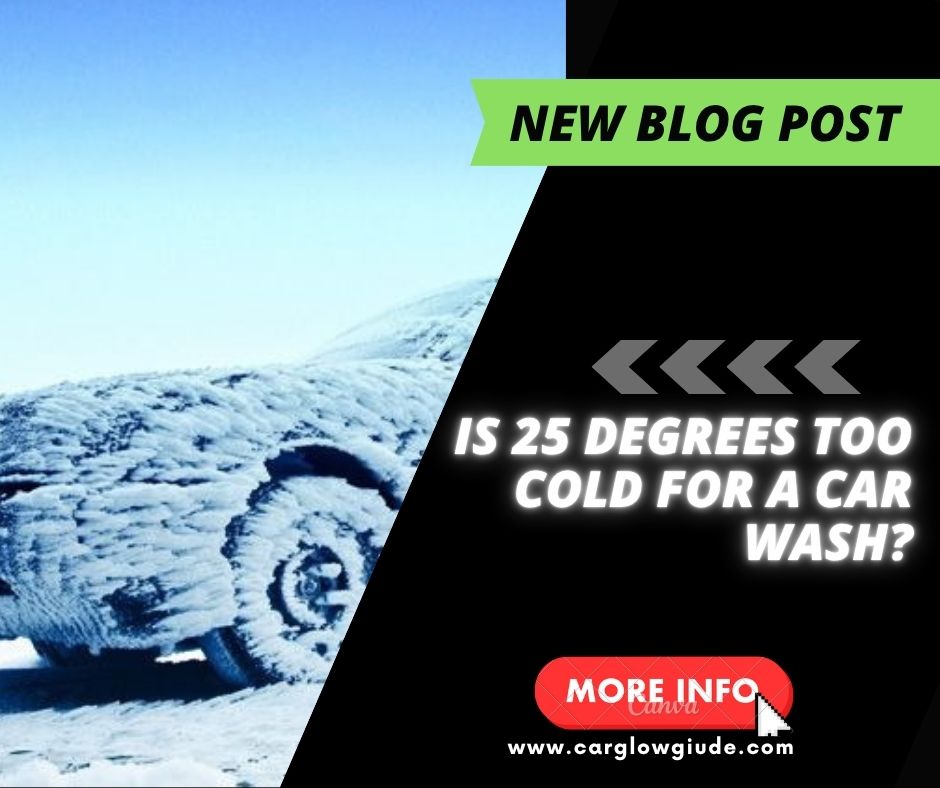
Choose warmer days to wash your car. Temperatures above freezing help water dry quickly, preventing ice from forming on your vehicle. Washing on a cold day can leave your car coated with ice, which is dangerous and frustrating.
Check the weather forecast before heading to the car wash. Avoid washing right before a snowstorm or freezing rain, as new precipitation will undo your efforts. Instead, find a clear, dry window for the best results.
Indoor car washes can be a smart option in winter. They protect your car from the cold and speed up drying time. If you must wash outdoors, pick a spot with good sunlight and shelter from wind to keep your car from freezing up.
Protective Measures After Washing
After washing your car in winter, taking protective measures is crucial to keep it safe from harsh weather. Cold temperatures and road salt can damage your car's paint and metal parts if you don’t act carefully. Protecting your vehicle properly helps maintain its look and prevents costly repairs down the line.
Applying Wax Or Sealant
Adding a layer of wax or sealant after washing acts as a shield against salt, dirt, and moisture. Wax creates a smooth barrier that repels water and prevents ice from sticking to the paint.
Choose a product designed for winter use—it lasts longer and handles cold weather better. I once skipped waxing before a snowy week, and my car developed small rust spots near the wheel wells. That experience showed me how important this step really is.
Apply wax evenly using a soft cloth, then buff until your car shines. Sealants work similarly but often provide longer protection, sometimes lasting several months.
Drying Techniques To Avoid Freezing
Drying your car completely is a must to prevent water from freezing on surfaces and locks. Use microfiber towels to absorb water from all areas, especially door seals and mirrors.
Pay special attention to crevices where water hides. I’ve found that using a leaf blower or compressed air helps push water out of tight spots quickly.
Never leave your car wet outside in freezing temperatures. Ice buildup can cause doors to stick shut or damage rubber seals.
- Start drying right after washing to reduce freeze risk.
- Use a soft, absorbent towel for best results.
- Check hidden areas like wheel wells and under mirrors.
- Consider warming your garage before parking if possible.

Credit: jetsplash.com
Finding Winter-friendly Car Wash Services
Finding winter-friendly car wash services helps protect your car from salt and grime. Cold weather and ice make regular washes tricky. Choosing the right type of car wash keeps your vehicle clean without damage. Some options suit winter better than others. Understanding the differences helps you pick the best service for your needs.
Indoor Vs Outdoor Options
Indoor car washes offer shelter from freezing temperatures. Your car stays dry and warm during the wash. This prevents water from freezing on your vehicle. Indoor washes often use warm water and fast drying. They reduce risks of ice buildup and streaks.
Outdoor car washes work in open air. They may close during very cold days. Some use heated water and air blowers to help drying. Outdoor washes can be quick and convenient. But ice can form on wet surfaces after washing. Always check weather before choosing outdoor options.
Self-service Stations
Self-service stations let you wash your car yourself. They often have heated water and spray nozzles. You control water pressure and soap use. This method saves money and avoids long waits. You can focus on problem areas like salt spots.
These stations may have drying tools, but you might need your own towels. Washing your car at a self-service station in winter means working fast. Cold wind and freezing spray can chill your hands. Dress warmly and bring gloves for better comfort.
Credit: carglowguide.com
Frequently Asked Questions
Can I Wash My Car During Winter Safely?
Yes, you can wash your car in winter. Use warm water and avoid freezing temperatures. It helps remove salt and grime, protecting your paint and metal parts from corrosion.
How Often Should I Wash My Car In Winter?
Wash your car every two weeks in winter. Frequent cleaning prevents salt buildup and rust. It maintains your vehicle’s appearance and prolongs its lifespan.
Is It Better To Hand Wash Or Use Automatic Car Wash?
Automatic car washes are faster and safer in winter. They use warm water and avoid freezing. Hand washing risks freezing water on your car, causing ice damage.
Will Washing My Car Prevent Rust In Winter?
Yes, washing removes salt and dirt that cause rust. Regular cleaning helps protect your car’s metal surfaces. It’s an effective way to prevent corrosion during winter.
Conclusion
Yes, you can get a car wash in the winter. Washing your car helps remove salt and dirt that cause damage. Choose a car wash with warm water to avoid freezing. Dry your car well after washing to stop ice from forming.
Regular washes keep your car clean and protect its paint. Don’t wait for spring to clean your vehicle. Taking care of your car in winter saves money and time later. Keep your car looking good, no matter the season.