
Have you ever reached for Windex to clean your car windshield and then stopped, wondering if it’s really safe to use? You want your view to be crystal clear, but you also don’t want to risk damaging your glass or leaving streaks that make driving tricky.
It’s a simple question with answers you might not expect. Keep reading to find out whether Windex is the right choice for your car windshield and what you should use instead to keep your drive safe and spotless.
Windex Ingredients
Windex is a popular glass cleaner used in many homes. It contains various chemicals designed to remove dirt and grime quickly. Knowing what these ingredients are helps understand if Windex is safe for car windshields. Some chemicals work well on glass but may affect car surfaces differently.
Common Chemicals In Windex
- Ammonia: A strong cleaner that cuts grease and fingerprints.
- Isopropanol (Rubbing Alcohol): Helps evaporate moisture fast.
- Surfactants: These break down dirt and oils for easy wiping.
- Fragrance: Adds a fresh scent but does not clean.
- Water: The main base that dilutes other ingredients.
Potential Effects On Glass And Paint
Ammonia can clean glass very well, leaving it streak-free. It evaporates quickly and prevents smudges. But ammonia may harm car paint and rubber seals over time. Prolonged use might cause fading or cracking on painted surfaces.
Surfactants generally do not damage glass or paint but could leave residue if not wiped properly. Rubbing alcohol helps dry surfaces fast but can dry out rubber parts. Fragrance and water have little effect on car surfaces.
Using Windex occasionally on windshields is usually safe. Avoid spraying on painted areas or rubber trims. Always wipe dry to prevent residue build-up. For regular cleaning, products made for cars are a better choice.
Windshield Material
Understanding the material of your car’s windshield helps in choosing the right cleaner. Windshields are made from special glass designed to be strong and safe. This glass is not like regular window glass. It needs proper care to avoid damage.
Using the wrong product, like some household cleaners, might harm the windshield. Knowing what type of glass your windshield has can guide you to the best cleaning options. Also, some windshields have special coatings that require gentle treatment.
Types Of Windshield Glass
Most car windshields use laminated glass. This glass has two layers with a plastic layer in between. The plastic holds the glass pieces if it breaks. This design improves safety and reduces damage risk.
Some vehicles, especially older models, may have tempered glass. This glass is stronger but breaks into small pieces. It is less common for windshields but used for side and rear windows.
Coatings And Treatments
Many windshields have coatings to improve visibility and protect the glass. Some coatings repel water, making it easier to see in rain. Others reduce glare or block UV rays.
Cleaning products can damage these coatings if they are too harsh. Windex contains ammonia, which may harm coatings or cause streaks. Using cleaners made for automotive glass helps keep coatings intact.
Windex On Windshields
Windex can clean car windshields well but may leave streaks or damage tint. Use it sparingly and avoid repeated use. Safer options include products made for automotive glass.
Windex on Windshields Cleaning your car windshield can sometimes feel like a chore, especially if you're unsure about which products to use. You've likely heard of using Windex on household windows, but can you use it on your car's windshield? It's a common question, and the answer involves a few considerations. Let's explore whether Windex is safe for your car's glass, and how it might affect your windshield sealants.
Safety For Glass Surface
Windex is generally safe for glass surfaces, including your car's windshield. It effectively removes dirt, grime, and fingerprints, leaving a streak-free shine. However, using it under direct sunlight or on a hot windshield can lead to streaks. You might wonder about any potential damage to tinted windows. Standard Windex contains ammonia, which can be harmful to tint. If your windshield or windows are tinted, consider an ammonia-free version to avoid damage.
Impact On Windshield Sealants
Your windshield is more than just glass; it's a crucial part of your car's structural integrity. The sealants around the windshield ensure a snug fit, keeping out moisture and maintaining safety. Some sealants may react negatively to ammonia, causing them to deteriorate over time. Have you ever noticed a loose or leaking windshield? The culprit could be harsh cleaning agents breaking down the sealants. To protect your sealants, use a cleaner specifically designed for automotive glass. The question remains: Is Windex the right choice for your car's windshield? While it's effective, it's essential to weigh the pros and cons. Consider how crucial your windshield's condition is to your driving experience.
Credit: www.ronmacgillivraychev.com
Alternatives To Windex
Using Windex on your car windshield might seem convenient, but it's not always the best choice. You may wonder what other options exist that protect your glass and maintain visibility. Let’s look at some alternatives that work well and keep your windshield clear without any risks.
Car-specific Glass Cleaners
Car-specific glass cleaners are designed to handle the unique challenges of automotive glass. They remove bugs, dirt, and road grime without leaving streaks or harmful residues.
Many contain anti-fog and water-repellent ingredients, which improve safety during wet or cold weather. If you've tried regular household cleaners and noticed streaks or film, switching to a product made for cars can make a big difference.
Brands like Rain-X and Invisible Glass offer formulas that clean effectively and protect your windshield over time. Have you ever felt frustrated by constant smudges after cleaning? These specialized cleaners might solve that problem for you.
Diy Cleaning Solutions
If you prefer a budget-friendly and natural approach, DIY cleaning solutions can work well. A simple mixture of distilled water and white vinegar (usually a 50/50 ratio) can cut through grime without harsh chemicals.
Adding a few drops of dish soap helps break down oily residues. Use a microfiber cloth to avoid scratching the glass and to achieve a streak-free finish.
Many drivers swear by this mix for its affordability and effectiveness. Have you tried making your own cleaner before? You might find it cleans better than you expect and is gentle on your windshield’s surface.
Best Practices For Cleaning
Keeping your car windshield spotless is more than just a matter of appearance—it’s about safety and clear vision. Knowing the best way to clean your windshield ensures you don’t damage the glass or create streaks that block your view. Let’s talk about how you can clean effectively and how often to do it, so your windshield stays crystal clear without any hassle.
Proper Application Techniques
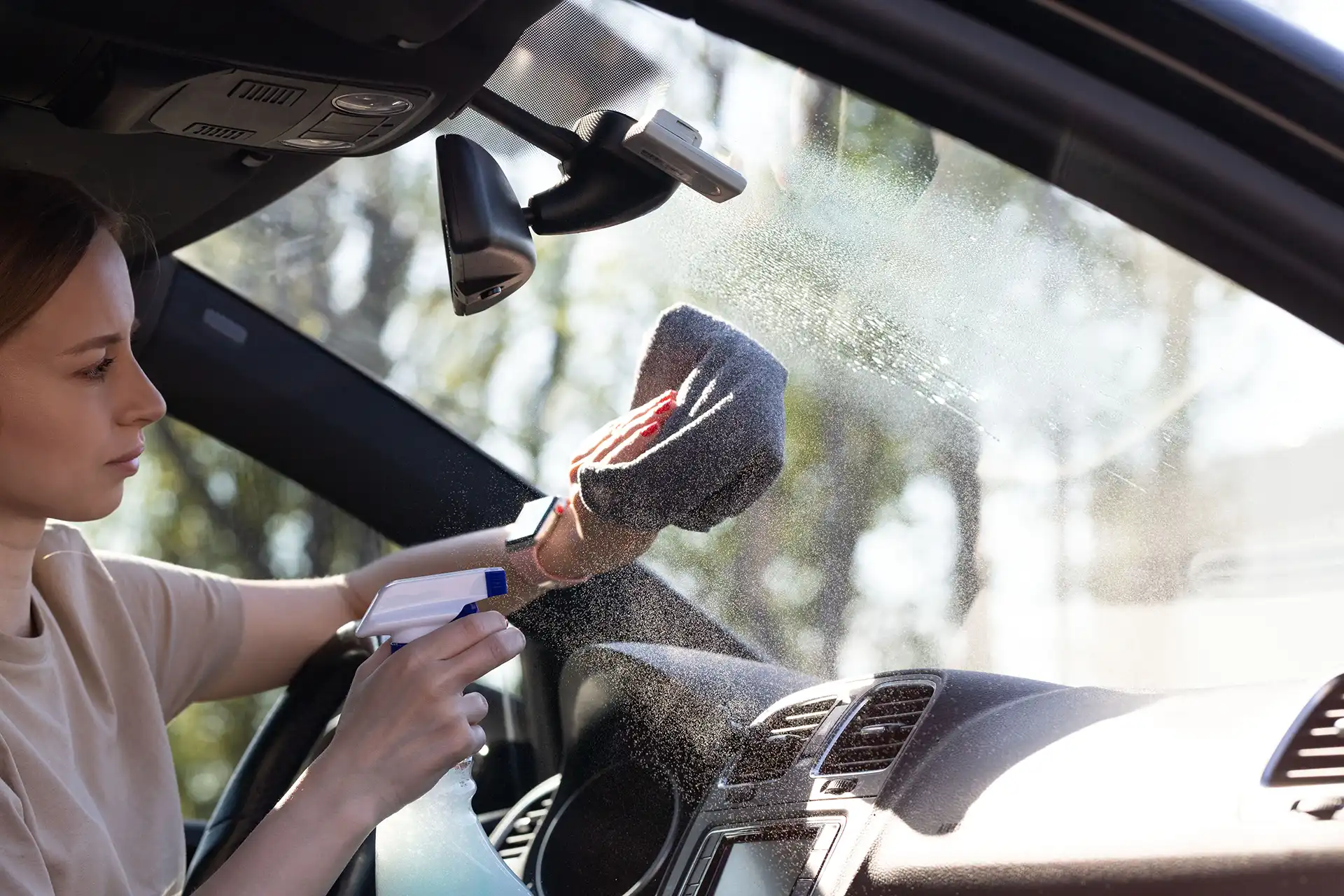
Using the right technique makes a huge difference in the cleaning results. Spray your cleaner—whether it’s Windex or a specialized glass cleaner—directly onto a microfiber cloth instead of the windshield. This prevents excess liquid from dripping into areas like the dashboard or wiper motor.
Wipe the windshield in a circular motion to lift dirt and grime, then finish with vertical or horizontal strokes to avoid streaks. If you notice stubborn spots, apply a little more pressure but avoid scrubbing hard enough to scratch the glass.
Using two clean microfiber cloths can help: one for applying the cleaner and another for drying and polishing. Have you ever struggled with streaks after cleaning? This simple trick can save you from that frustration.
Frequency Of Cleaning
How often you clean your windshield depends on your driving conditions. If you frequently drive on dusty roads or in rainy weather, you might need to clean it every few days. Otherwise, a weekly wipe-down is usually enough to keep your view clear.
Don’t wait for bugs, bird droppings, or hard water spots to build up—they can become harder to remove and might damage the glass over time. Think about your last time you cleaned your windshield—did it really improve your driving visibility?
Regular cleaning also helps your windshield wipers work better and last longer. When you clean regularly, you’re not just maintaining a clear view—you’re protecting your car investment.

Credit: www.reddit.com
Common Risks
Using Windex on a car windshield might seem easy and quick. Yet, there are common risks that can affect your car's safety and appearance. Knowing these risks helps protect your vehicle better.
Damage To Wiper Blades
Windex contains chemicals that can wear down wiper blades fast. These chemicals dry out the rubber, making blades crack and break. Worn blades do not clear water well, causing poor visibility. This can be unsafe while driving in rain or snow.
Streaks And Residue Issues
Windex can leave streaks on the windshield, blocking your view. It may also leave a sticky residue that attracts dirt and dust. This makes the glass look dirty again quickly. Streaks and residue reduce the effectiveness of your wipers too.

Credit: www.amazon.com
Frequently Asked Questions
Can Windex Damage My Car Windshield?
Windex contains ammonia, which can weaken windshield tint and rubber seals. Occasional use might be safe, but frequent use risks damage.
Is Windex Effective For Cleaning Car Windshields?
Yes, Windex cleans glass well and removes grime and streaks. However, specialized auto glass cleaners are often better for maintaining wiper performance.
Can Windex Harm Car Paint Near The Windshield?
Yes, Windex's ammonia can damage car paint if sprayed directly. Always avoid spraying near painted surfaces to prevent discoloration or damage.
What Is A Safer Alternative To Windex For Windshields?
Use auto glass cleaners specifically designed for vehicles. They clean effectively without harming tint, seals, or paint around the windshield.
Conclusion
Windex can clean your car windshield quickly and easily. It removes dirt and smudges well. But, it may leave streaks or damage some coatings. Use it only occasionally and rinse with water afterward. For best results, choose a cleaner made for cars.
Keep your windshield clear and safe. Clean it gently to avoid scratches. A clear view helps you drive better. Simple care keeps your windshield in good shape.