
Have you ever faced the frustration of a dead car battery when you’re stuck at home? You might wonder, “Can you charge a car battery in the house safely and easily?” The idea sounds convenient, but it raises important questions about safety and the right way to do it.
You’ll discover simple answers and clear steps that will help you bring your battery back to life without leaving your home. Keep reading to find out how to charge your car battery safely and avoid common mistakes that could cost you time and money.

Credit: www.ecoflow.com
Car Battery Basics
Understanding the basics of a car battery helps in knowing how to charge it safely at home. A car battery stores electrical energy to start the engine and power the vehicle’s electrical systems. It requires proper care to maintain its performance and lifespan.
Types Of Car Batteries
- Lead-acid batteries: Most common, affordable, and reliable for everyday cars.
- AGM (Absorbent Glass Mat) batteries: More durable and better for newer vehicles.
- Gel batteries: Use gel electrolyte, resistant to vibration, often for off-road vehicles.
- Lithium-ion batteries: Lightweight and long-lasting but costlier, mainly in electric cars.
How Car Batteries Work
Car batteries convert chemical energy into electrical energy. Inside, lead plates and acid create a chemical reaction. This reaction produces electricity that powers the starter motor and lights. When the engine runs, the alternator recharges the battery. It keeps the battery ready for the next start.
Common Battery Issues
- Dead battery: Often caused by leaving lights or accessories on.
- Corrosion: Build-up on terminals reduces electrical flow.
- Old age: Batteries lose capacity and fail after several years.
- Loose connections: Can prevent the battery from charging properly.
Charging Methods
Charging a car battery at home involves several reliable methods. Each option suits different needs and battery types. Choosing the right charging method helps keep your battery healthy and ready to use. Understanding these methods ensures safe and efficient charging indoors.
Using A Home Charger
Home chargers plug directly into standard wall outlets. They deliver controlled power to the battery. These chargers often have automatic shut-off features. This prevents overcharging and battery damage. Home chargers work well for regular maintenance or quick charging sessions.
Trickle Chargers Explained
Trickle chargers supply a low, steady current to the battery. They are ideal for long-term battery care. These chargers prevent the battery from losing charge over time. Trickle chargers keep batteries healthy during storage. They require minimal supervision and use very little electricity.
Portable Chargers
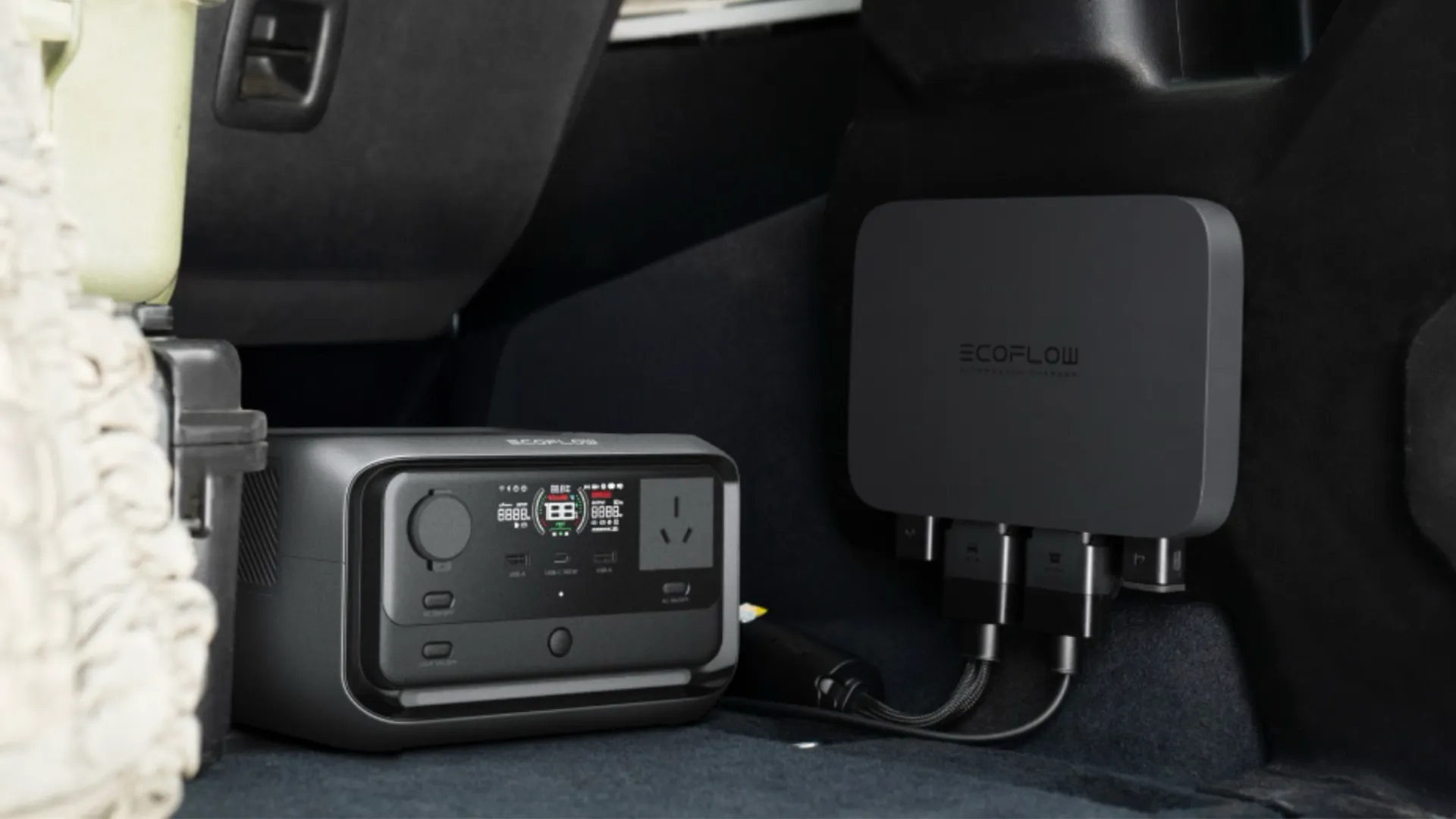
Portable chargers are compact and easy to carry. They often come with multiple charging modes. Some models include jump-start functions for emergencies. Portable chargers connect easily to the battery terminals. They provide flexibility for charging in various locations, including indoors.
Safety Precautions
Charging a car battery indoors needs care to avoid sparks or gas buildup. Use a well-ventilated area and never leave the charger unattended. Always follow the charger’s instructions to keep safety first.
Safety precautions are crucial when charging a car battery indoors. Understanding the risks ensures a safe environment. Always prioritize safety to prevent accidents or injuries.
Proper Ventilation
Ensure the area is well-ventilated. Car batteries release gases while charging. These gases can be harmful if inhaled. Open windows or use fans to disperse fumes. Avoid confined spaces to reduce gas buildup. Proper airflow is essential for safety.
Protective Gear
Wear protective gear while handling batteries. Use gloves to avoid acid burns. Safety goggles protect eyes from splashes. Clothing should cover exposed skin. This minimizes contact with harmful substances. Always prioritize personal safety.
Avoiding Sparks And Flames
Keep the area free from sparks and flames. Batteries can emit flammable gases. Sparks may cause explosions. Do not smoke near the battery. Avoid using electrical devices nearby. This reduces the risk of ignition. Follow these precautions for a safe charging experience.

Credit: ipowerqueen.com
Step-by-step Charging Guide
Charging a car battery inside your home might seem daunting, but it’s quite manageable if you follow the right steps carefully. This guide walks you through the essential actions to safely and effectively charge your battery. Each part is designed to keep you informed and confident throughout the process.
Preparing The Battery
First, find a well-ventilated area near an electrical outlet. Car batteries can release gases, so fresh air is crucial to avoid any buildup. Make sure the battery terminals are clean; you can use a wire brush or sandpaper to remove corrosion.
Wear safety gloves and goggles to protect yourself from acid leaks or sparks. If the battery is inside the car, you might want to remove it to charge it more safely and comfortably. Double-check the battery’s voltage and type to match it with your charger.
Connecting The Charger
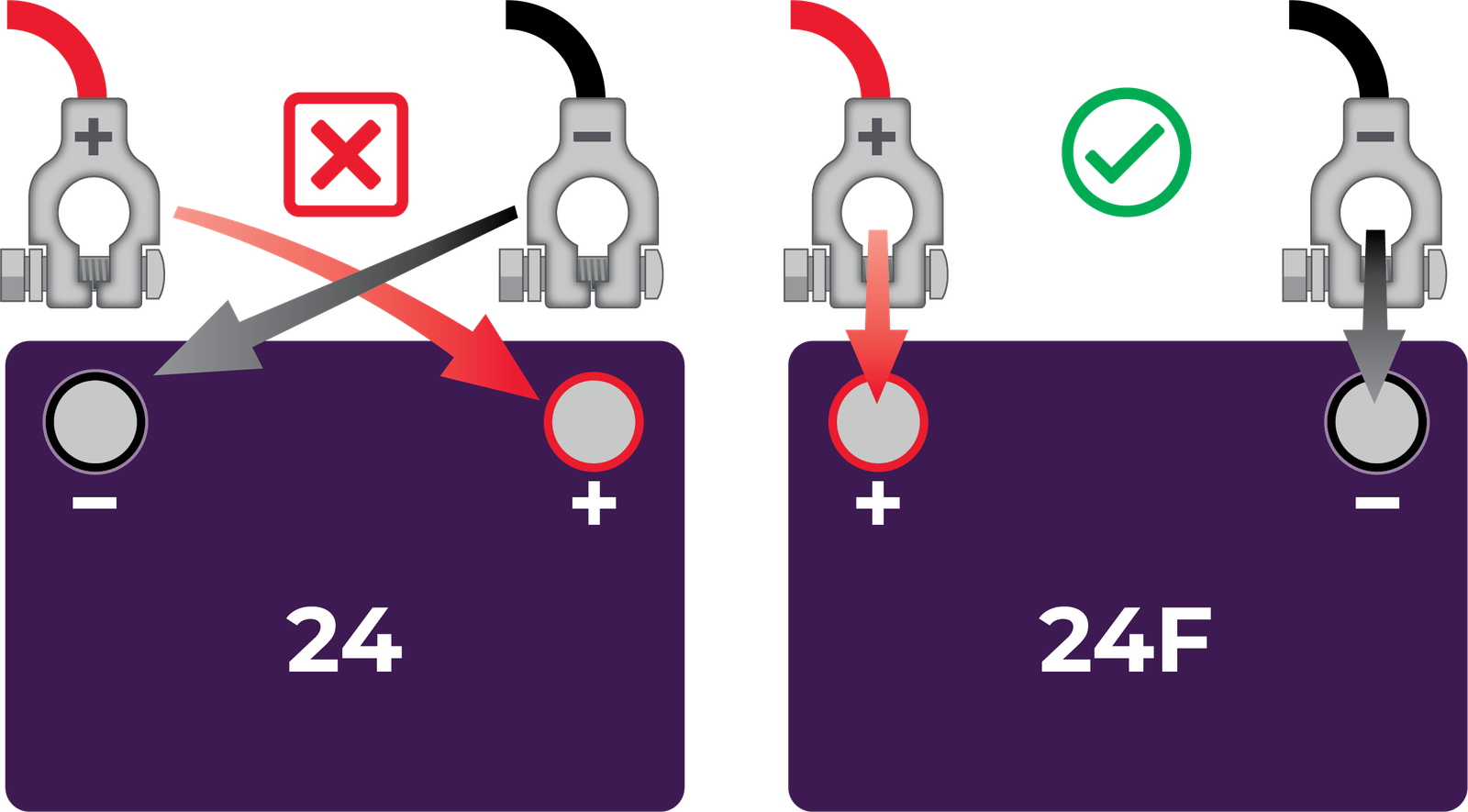
Start by turning off the charger before attaching any cables. Attach the red (positive) clamp to the battery’s positive terminal, marked with a “+” or red cover. Then connect the black (negative) clamp to the negative terminal, marked with a “-” or black cover.
Be careful not to let the clamps touch each other or any metal surface. If you’re charging a battery inside the car, connect the negative clamp to a grounded metal part away from the battery to reduce spark risk. Plug the charger into the outlet and turn it on once everything is secure.
Monitoring The Process
Keep a close eye on the charger’s indicator lights or display. Many modern chargers have automatic shut-off features to prevent overcharging. Check the battery occasionally for heat or unusual smells—any sign of overheating means you should stop immediately.
Charging times vary, but avoid leaving the battery unattended for hours without checking. Ask yourself: is the battery getting warm? Is the charger showing a full charge? These small checks can prevent damage and extend your battery’s life.
Common Mistakes To Avoid
Charging a car battery inside your home might seem straightforward, but it’s easy to make mistakes that can damage the battery or even pose safety risks. Understanding the common pitfalls helps you protect your battery and keep your home safe. Let’s look at key errors to avoid so you can charge confidently and correctly.
Overcharging Risks
Leaving your battery connected to the charger for too long can cause overcharging. This overheats the battery, leading to swelling or even leaking harmful acid. You might think “more charge means better performance,” but it actually shortens your battery’s life.
Use a charger with an automatic shutoff or monitor the charging time closely. Have you ever left a device plugged in overnight? The same caution applies here—overcharging is a real danger.
Incorrect Connections
Connecting the charger’s cables the wrong way is a common and dangerous mistake. Reversing the positive and negative terminals can cause sparks, damage the battery, or ruin the charger itself. It’s vital to double-check which cable goes where before plugging in.
Take a moment to identify the positive (+) and negative (–) terminals clearly. If you’re unsure, consult your vehicle’s manual or a professional. Have you ever rushed and realized a small mistake caused a big problem? This is one of those times.
Ignoring Battery Condition
Trying to charge a battery that is severely damaged or frozen can be hazardous and ineffective. Cracks, leaks, or corrosion on terminals indicate the battery may not charge properly and could leak acid during the process. Cold batteries often need to warm up before charging to avoid internal damage.
Inspect your battery carefully before charging. If you notice any signs of damage, it’s safer to replace the battery or seek expert advice. Would you risk your safety by charging a compromised battery? It’s better to be cautious.
When To Seek Professional Help
Charging a car battery at home can be simple in many cases. Yet, some situations need expert attention. Knowing when to seek professional help protects you and your vehicle. It also ensures the battery is charged correctly.
Signs Of Battery Damage
Visible cracks or leaks on the battery indicate damage. Swollen or bloated battery cases are a warning sign. Corroded terminals or a strong sulfur smell means trouble. Such damage risks sparks or acid spills. Professionals can safely assess and fix these issues.
Complex Battery Systems
Modern vehicles often have complex battery setups. Hybrid and electric cars use special batteries. These require specific knowledge and tools to charge. Incorrect charging can harm the battery or car electronics. Experts understand these systems and avoid costly mistakes.
Safety Concerns
Car batteries contain dangerous chemicals and produce gases. Charging indoors raises risks of fire or poisoning without proper ventilation. Handling batteries involves electrical shock hazards. Professionals follow safety rules and use protective gear. This reduces risks and keeps you safe during charging.
Maintenance Tips For Longevity
Keeping a car battery healthy extends its life and improves performance. Simple care routines prevent many common problems. Proper maintenance saves money and hassle over time.
Regular checks and cleaning help the battery stay in good shape. Storing the battery correctly also protects it from damage. These tips work well for anyone charging a car battery at home.
Regular Inspections
Look at the battery often. Check for cracks or leaks on the case. Make sure the terminals are tight and not loose. Watch for corrosion or buildup around connections. Early spotting of issues avoids bigger problems later.
Cleaning Battery Terminals
Dirt and corrosion block the flow of electricity. Clean terminals with a mix of baking soda and water. Use a small brush to scrub gently. Dry the terminals before reconnecting. Regular cleaning keeps the battery working well.
Proper Storage
Store the battery in a cool, dry place. Avoid extreme heat or freezing cold. Keep it off the ground to prevent moisture. Charge the battery before storing it long. Proper storage stops damage and helps the battery last longer.
Credit: www.abc.net.au
Frequently Asked Questions
Can You Safely Charge A Car Battery Indoors?
Yes, you can safely charge a car battery indoors if you use a well-ventilated area. Avoid sparks and open flames. Use a smart charger with automatic shut-off to prevent overcharging and hazards.
What Equipment Is Needed To Charge A Car Battery At Home?
You need a compatible battery charger, safety gloves, and eye protection. A charger with automatic voltage regulation is ideal. Ensure the charger matches your battery type and voltage for safe, efficient charging.
How Long Does It Take To Charge A Car Battery Indoors?
Charging time depends on battery size and charger output. Typically, it takes 4 to 24 hours. Slow charging preserves battery life better than quick charging. Always follow manufacturer guidelines.
Is It Dangerous To Charge A Car Battery Inside The House?
It can be dangerous if proper precautions are ignored. Charging produces hydrogen gas, which is flammable. Always charge in a ventilated area and keep away from flames and sparks to avoid risks.
Conclusion
Charging a car battery inside your house is possible but needs care. Use a proper charger and follow all safety steps. Keep the area well-ventilated to avoid gas buildup. Never leave the charger unattended during use. Small mistakes can cause fires or damage.
Always read the charger’s instructions before starting. Taking these steps helps you charge safely and protect your home. Safety first—always.