
Have you ever wondered if it’s safe or even possible to get a car wash when it’s cold outside? You might hesitate, thinking freezing temperatures could damage your car or that the water will just turn to ice.
But keeping your car clean during chilly months is more important than you realize. You’ll discover the truth about cold-weather car washes and learn how to protect your vehicle while keeping it spotless. Stay with me—you might be surprised by what you find out!

Credit: www.motor1.com
Effects Of Cold Weather On Car Washes
Cold weather changes how car washes work and affects your vehicle. Low temperatures bring unique challenges to cleaning cars. Understanding these effects helps protect your car and get better results.
How Cold Impacts Car Wash Quality
Cold air can make water freeze quickly on your car. This stops soap and water from cleaning properly. Machines may slow down or stop working due to ice. Cold weather reduces the ability to remove dirt and grime. The final rinse may leave spots or streaks.
Risks Of Freezing Water
Water left on your car can freeze fast in cold weather. Ice forms on windows, mirrors, and door handles. Frozen water can cause damage to seals and locks. It makes doors hard to open and windows tough to roll down. Freezing water can also harm the car wash equipment.
Impact On Car Paint And Finish
Cold weather makes car paint more brittle and less flexible. Harsh chemicals freeze and can cause small cracks on the surface. Ice scraping during a wash may scratch the paint. Salt and dirt left behind can eat away at the finish. Regular gentle washing helps protect paint in cold months.
Types Of Car Washes Suitable For Cold Weather
Cold weather car washes like touchless or heated automatic washes protect your vehicle from ice and salt damage. Choosing these options helps keep your car clean without freezing water or harsh scrubbing. This way, washing stays safe and effective even in winter.
When the chilly winds of winter blow and temperatures drop, giving your car a wash can seem daunting. However, maintaining a clean vehicle during cold weather is essential to avoid the corrosive effects of road salt and grime. Luckily, there are several types of car washes that are suitable for colder climates, allowing you to keep your car looking pristine without braving the elements too much.
Automatic Vs. Manual Washes
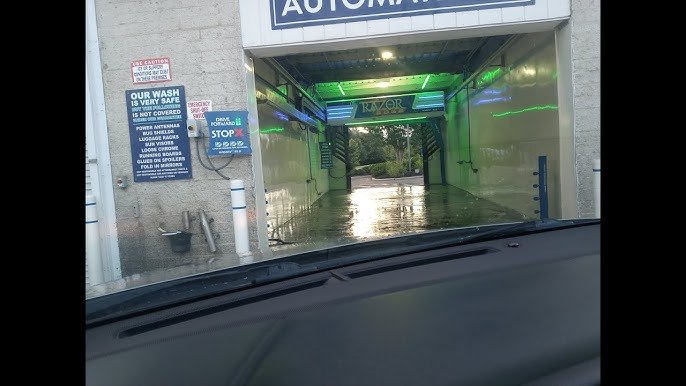
Automatic washes are a convenient choice for those cold days when spending time outside feels unbearable. You can stay warm inside your car as it passes through the washing tunnel. However, be cautious of the brushes used in some automatic washes, which might scratch your car's paint over time. On the other hand, manual washes provide a more thorough clean, allowing you to focus on trouble spots. If you choose a manual wash, make sure to dress warmly and bring gloves to protect your hands. Manual washes give you control but require a bit more effort and exposure to the cold.
Touchless Car Wash Benefits
Touchless car washes are an excellent option for winter. They use high-pressure jets of water and cleaning agents to remove dirt and salt without touching your car's surface. This means there's no risk of scratches, and they can be gentler on your vehicle's paint. These washes are also fast, getting you back on the road in no time. While they might not clean as thoroughly as a manual wash, they strike a good balance between convenience and protection.
Diy Wash Tips In Winter
If you're up for a DIY car wash despite the cold, there are ways to make it more manageable. Choose a day when the temperature is above freezing to prevent water from freezing on your car and your driveway. Use a bucket of warm water to help dissolve grime more effectively. Consider using a hose with a spray nozzle for easy rinsing, but avoid using hot water directly on the car, as it could crack the windshield. Remember to dry your car thoroughly after washing to prevent ice from forming on the surface. By choosing the right type of car wash and following these practical tips, you can keep your car looking its best even in the coldest months. Have you tried any of these methods? What works best for you?
Best Practices For Washing Cars In Cold Weather
Washing your car in cold weather can be tricky but not impossible. The key lies in following smart steps that protect your vehicle and prevent damage caused by freezing temperatures. Let's look at some practical tips to keep your car clean and safe during chilly days.
Choosing The Right Time And Place
Pick a time when the temperature is above freezing, ideally during midday. This reduces the chance of water freezing on your car immediately after washing. Avoid washing your car outside overnight or early in the morning when frost is common.
Find a sheltered spot, like a garage or covered area, to shield your car from wind and snow. If you must wash outside, choose a sunny day with minimal wind for better drying conditions.
Using Warm Water Safely
Warm water helps dissolve dirt and grime more easily, but don't use hot water directly. Sudden temperature changes can crack your car’s paint or glass. Lukewarm water, around 90°F (32°C), is best to loosen dirt without causing damage.
Try filling buckets with warm water rather than relying on a hose, which may deliver cold water. Washing your car in sections also prevents water from sitting too long on the surface.
Drying Techniques To Prevent Ice
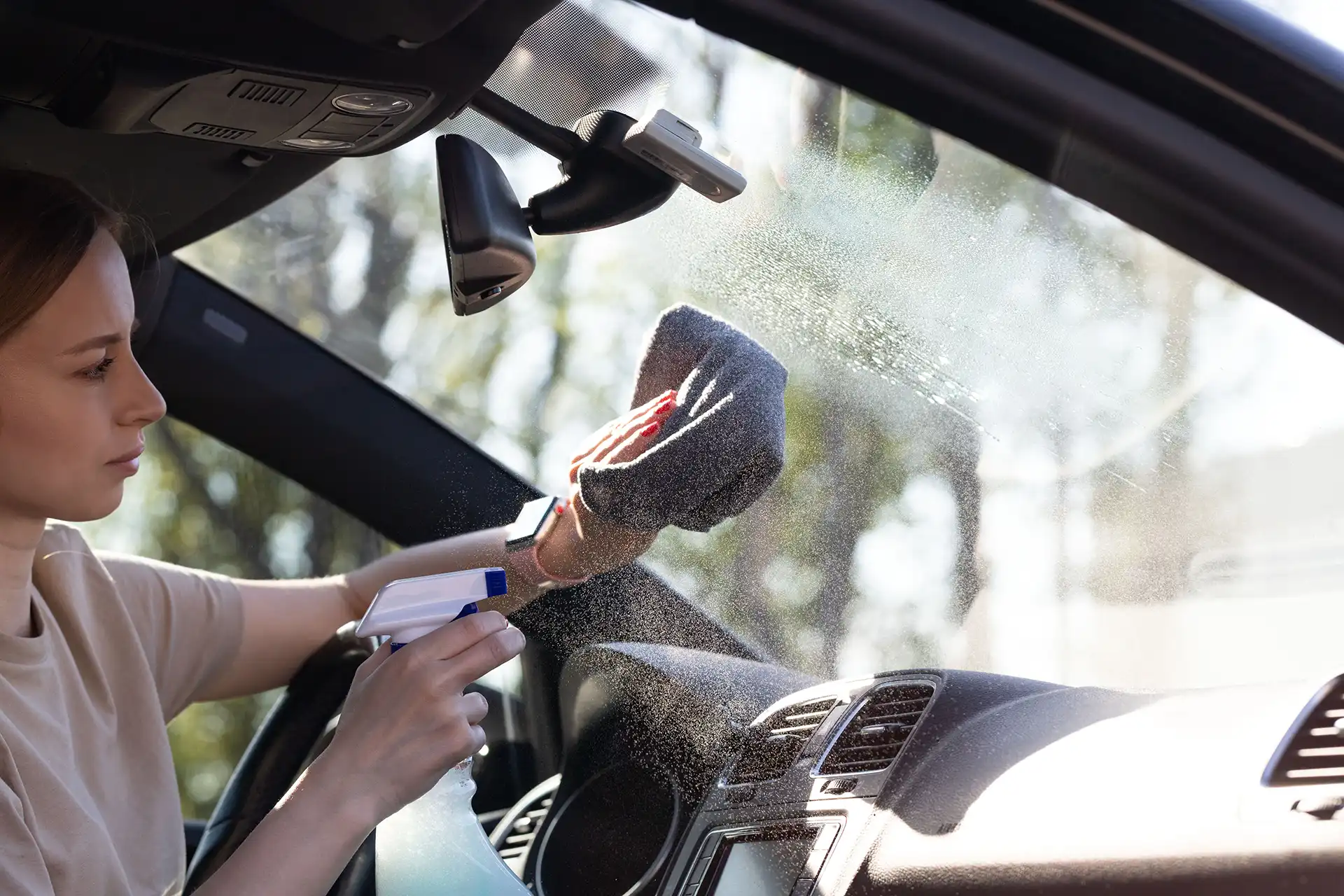
After washing, dry your car immediately using a microfiber towel or chamois. Leaving water droplets on your car in cold weather invites ice formation, which can be tough to remove later.
Pay special attention to door seals, mirrors, and handles to avoid frozen parts that might stick or break. Using a leaf blower or compressed air can help clear water from hard-to-reach spots quickly.

Credit: blog.napacanada.com
Protecting Your Car After A Winter Wash
Protecting your car after a winter wash is essential to keep its paint and parts safe. Cold weather and road conditions can cause damage quickly. Taking extra care after washing helps maintain your car's look and value. Small steps make a big difference in winter car care.
Applying Protective Waxes
Wax adds a strong layer over your car’s paint. It stops moisture and dirt from sticking. Use a wax made for winter conditions. Apply wax on a dry, clean surface for best results. Wax helps prevent scratches caused by ice and salt.
Dealing With Salt And Road Grime
Salt and grime can cause rust and corrosion fast. Wash your car regularly to remove these harmful substances. Pay special attention to the wheel wells and undercarriage. Use a hose with warm water to help dissolve salt. Dry your car well to avoid water spots and ice buildup.
Regular Maintenance Tips
- Check tire pressure often; cold air lowers it.
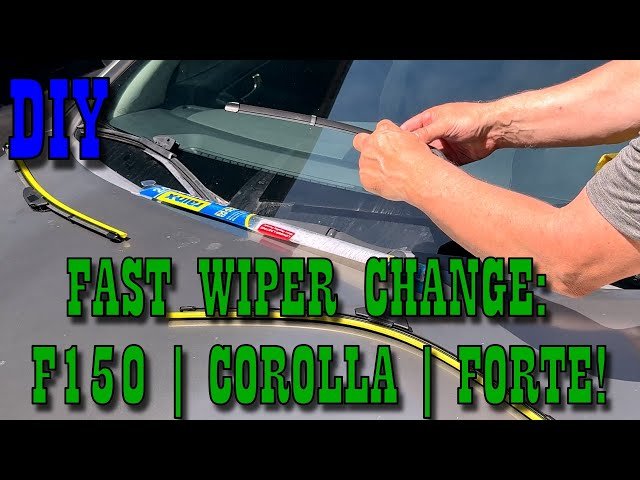
- Clean windshield wipers to prevent streaks and damage.
- Keep windows and mirrors clear for safe driving.
- Use a car cover if you park outside.
- Inspect your car for chips or scratches and fix them quickly.
Expert Tips To Avoid Common Mistakes
Washing your car in cold weather needs special care. Small mistakes can cause big problems. Follow expert tips to keep your car safe and clean. These tips help avoid common issues that happen during winter car washes.
Avoiding Frozen Locks And Seals
Water can freeze in locks and door seals. It may cause doors to stick or locks to jam. Use a quick spray of silicone lubricant on rubber seals before washing. Keep car doors slightly open after washing to let air dry inside. Never pour hot water on frozen locks—it can crack metal parts.
Preventing Water Spots And Streaks
Cold weather makes water dry slowly, leaving marks. Use warm water for rinsing to reduce spotting. Dry the car quickly with a soft microfiber cloth. Work in small sections to prevent water from freezing on the surface. Avoid washing your car outside in freezing rain or snow.
Handling Detergents In Low Temperatures
Detergents work slower in the cold. Choose a car wash soap made for winter use. Mix detergents with warm water to activate them better. Avoid harsh chemicals that can damage paint in freezing weather. Rinse thoroughly to remove all soap and prevent residue buildup.
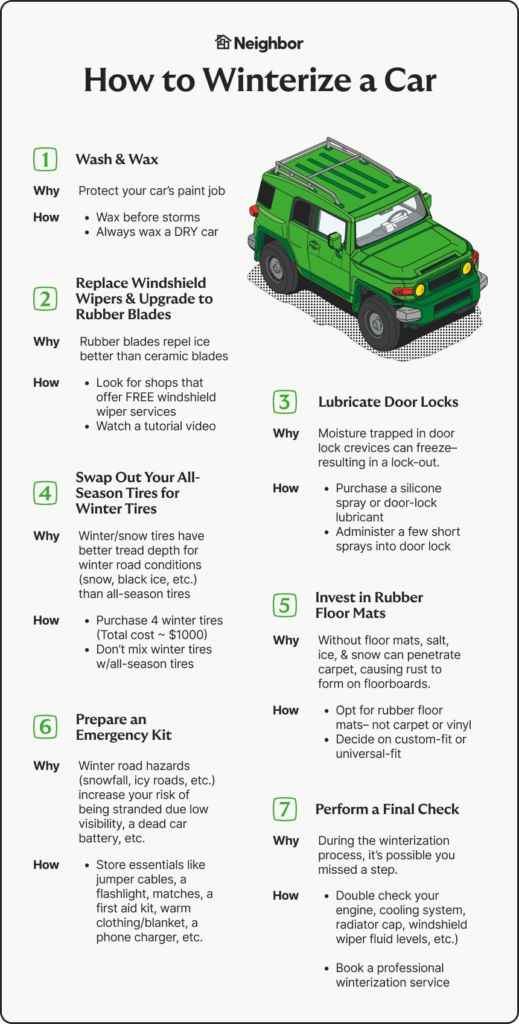
Credit: www.neighbor.com
Frequently Asked Questions
Can You Wash A Car In Freezing Temperatures?
Yes, you can wash a car in freezing temperatures. Use warm water and avoid prolonged exposure to cold. Quick drying prevents ice buildup and protects your car's finish.
Is It Safe To Use Automatic Car Washes In Winter?
Automatic car washes are generally safe in winter. Choose touchless systems to avoid ice damage. Ensure the facility uses warm water to prevent freezing issues.
How Often Should You Wash Your Car In Winter?
Washing your car every 1-2 weeks in winter is ideal. This helps remove salt, grime, and debris that cause rust and damage.
Does Washing A Car In Cold Weather Prevent Rust?
Regular washing in cold weather helps prevent rust. It removes salt and dirt that cause corrosion, protecting your car’s metal surfaces effectively.
Conclusion
Car washes in cold weather are possible and safe. Choosing the right type helps protect your car. Avoid automatic washes that freeze water on your vehicle. Hand washes with warm water work best. Regular cleaning prevents salt and dirt damage.
Keep your car looking good all winter. Stay careful and enjoy a clean ride.