
Have you ever pulled your car out of a car wash only to find scratches, dents, or other damage? It’s frustrating and can leave you wondering: can you sue a car wash for damage?
If your vehicle was harmed while getting cleaned, you deserve to know your rights and what steps you can take next. You’ll discover when a car wash can be held responsible, what evidence you need, and how to protect yourself in the future.
Keep reading to find out exactly what you can do if your car wash experience goes wrong.

Credit: aoonuauto.com
Liability Of Car Washes
Understanding the liability of car washes is crucial if you find your vehicle damaged after a visit. Car washes operate under certain responsibilities, but their liability isn’t absolute. Knowing where the line is drawn can help you decide if you have grounds to sue or if the damage falls outside their control.
Types Of Damages Covered
Car washes may be liable for various types of damage, but not all are treated equally. Typical damages that can be covered include:
- Scratches or dents caused by malfunctioning equipment
- Broken mirrors or loose parts due to poor handling
- Electrical issues caused by water exposure inside sensitive areas
However, wear and tear or pre-existing damage usually doesn’t count. You need to prove the damage happened during the wash for a claim to hold.
Common Causes Of Damage
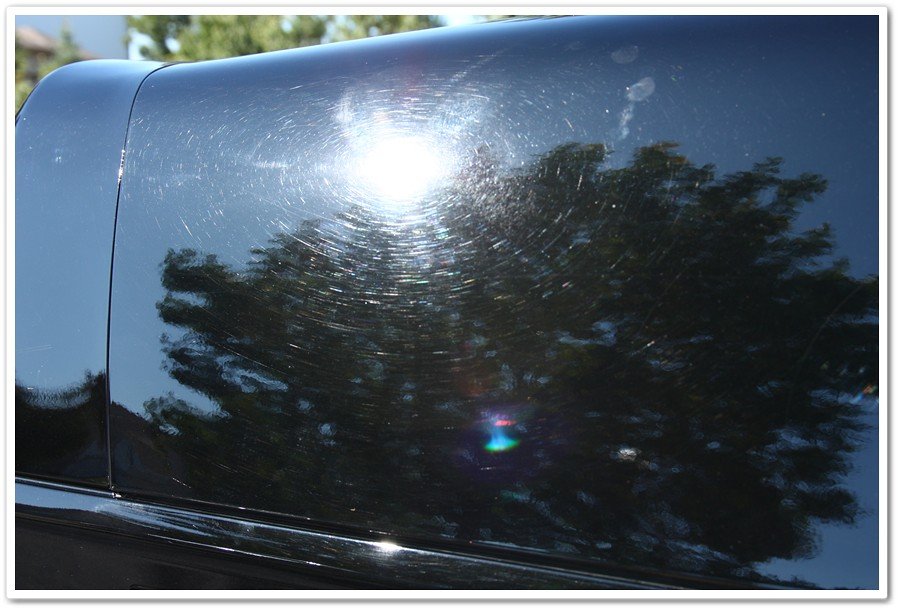
Some causes of damage are more common than others. Mechanical failures like broken brushes or malfunctioning dryers often lead to scratches or dents. Inadequate maintenance or operator error can also cause harm to your vehicle.
Have you ever noticed a car wash skipping steps or rushing through the process? That’s a red flag. These situations increase the chance of damage and might strengthen your case if your car gets harmed.
Car Wash Policies And Disclaimers
Most car washes display policies or disclaimers limiting their liability. These often state they are not responsible for certain types of damage, especially if your vehicle has pre-existing issues or aftermarket parts. It’s important to read these carefully before using their service.
Some facilities require you to sign a waiver or agree to terms online. If you’ve agreed to such disclaimers, it might be harder to win a lawsuit. But if the damage results from negligence or faulty equipment, disclaimers might not fully protect the car wash.
Steps To Take After Damage
Discovering damage after a car wash can be frustrating and overwhelming. Knowing exactly what to do next can protect your rights and improve your chances of resolving the issue. Taking prompt and organized action is crucial to build a strong case if you decide to take legal steps.
Documenting The Damage
Start by carefully inspecting your vehicle the moment you notice something wrong. Take clear photos from multiple angles, focusing on the damaged areas and any surrounding spots that might be affected.
Write down detailed notes about the damage, including when you noticed it and any relevant conditions. This record helps create an accurate timeline and shows you were attentive to your car’s condition.
Reporting To The Car Wash
Contact the car wash immediately to report the damage. Speak to a manager or supervisor and provide your documentation as proof.
Ask if they have a formal complaint process or insurance for such incidents. Getting their response in writing can be very helpful if you need to escalate the matter later.
Gathering Evidence
Besides photos and notes, collect any receipts or records from the car wash visit. These prove your presence and the date of the service.
If possible, find witnesses who saw the damage occur or noticed the condition of your car before and after the wash. Their statements can add credibility to your claim.
Have you ever thought about checking if the car wash has posted disclaimers or liability waivers? These might affect your options and are worth reviewing carefully.
Legal Grounds For A Lawsuit
Understanding the legal grounds for suing a car wash is crucial if your vehicle suffers damage during the cleaning process. Identifying the right basis for your claim can significantly impact the outcome of your case. The law recognizes several key grounds that could support your lawsuit, each addressing different aspects of responsibility and liability.
Negligence Claims
Negligence occurs when a car wash fails to exercise reasonable care, causing damage to your vehicle. For example, if an employee operates machinery carelessly or ignores visible risks, you may have a valid claim. You must show that the car wash owed you a duty of care, breached that duty, and that breach directly caused your vehicle’s damage.
Think about whether the car wash had proper training or maintenance procedures. Did they skip safety checks or use faulty equipment? These details matter because negligence isn’t about intent—it’s about carelessness that leads to harm.
Breach Of Contract
Your relationship with a car wash often involves an implicit or explicit contract. This means they promise to clean your car without causing harm. If your car is damaged, you might argue that the car wash failed to fulfill its part of the deal.
Look at any terms or guarantees they offer. Did they promise “gentle cleaning” or “no scratches”? If the service falls short, that broken promise could be the basis for your claim. Remember, you need to prove the car wash didn’t meet the agreed standard of service.
Product Liability
Sometimes, the damage comes from defective equipment or cleaning products used by the car wash. Product liability holds manufacturers or suppliers responsible for harm caused by faulty products. If a brush or cleaning solution damages your car, you might have a claim against those who made or sold the product.
This type of lawsuit requires proving the product was defective and that the defect caused your vehicle’s damage. Ask yourself if the damage was unusual or unexpected given normal use of the car wash. If so, product liability could be a strong argument.

Credit: www.reddit.com
Filing A Claim
Filing a claim for car wash damage requires proof of harm and clear evidence. Gathering photos and receipts strengthens your case. Promptly contacting the car wash and your insurer helps resolve the issue faster.
Filing a claim against a car wash for damages can be complex. It is essential to understand the steps involved. This process can help secure compensation for any losses.
Small Claims Court Process
Small claims court handles minor disputes quickly. It is a viable option for car wash damage claims. First, gather all evidence, including photos and receipts. Then, file the claim with the court clerk. Present your case to a judge, detailing the damage. The judge will make a decision based on the evidence provided. This process is usually straightforward and cost-effective.
Hiring An Attorney
An attorney can provide legal expertise in car wash damage cases. They guide you through the legal process and paperwork. Hiring one can be beneficial if the damage is extensive. They help negotiate settlements or represent you in court. It is crucial to choose an attorney experienced in such cases. This ensures you receive the best possible advice and representation.
Expected Outcomes
The outcome depends on the evidence and the case's strength. Small claims court might award compensation for repairs. If the case is strong, an attorney might secure a higher settlement. The goal is to cover repair costs and related expenses. Outcomes can vary, but presenting a well-prepared case improves your chances.
Preventing Damage At Car Washes
Car washes offer convenience and save time, but they can sometimes cause unexpected damage to your vehicle. Preventing such damage is within your control if you take a few smart steps before and during your visit. Paying attention to where and how you get your car washed can save you from costly repairs later.
Choosing Reputable Car Washes
Not all car washes are created equal. Look for places with positive reviews and a track record of careful service. If a car wash has clear safety guidelines and well-maintained equipment, it’s a strong sign they prioritize customer vehicles.
Ask friends or family where they get their cars cleaned. Sometimes, a personal recommendation beats online ratings. Have you ever noticed how some car washes seem to avoid scratches or dents? That’s often because they use softer brushes or touchless systems.
Understanding Terms And Conditions
Before you hand over your keys, read the terms and conditions carefully. Many car washes include clauses about liability for damage. Knowing these details helps you decide if you want to proceed or seek an alternative.
Pay attention to disclaimers about pre-existing damage or specific parts of your vehicle, like antennas or spoilers. If the car wash requires you to remove certain items, don’t skip this step. Have you ever signed something quickly, only to regret it later? Taking a moment to read can protect your interests.
Regular Vehicle Maintenance
Keeping your vehicle in good shape can minimize damage during a wash. Check for loose parts, cracked mirrors, or worn-out trim before you arrive. A quick inspection might reveal vulnerabilities that could get worse with a high-pressure wash.
Make it a habit to clean your car regularly, but also inspect it for any signs of wear. When I started doing this, I noticed minor issues early and avoided bigger problems. Could regular checks help you spot damage before it turns costly?
Credit: www.pacificaforums.com
Alternatives To Lawsuits
Before taking legal action, consider other ways to solve car wash damage issues. Lawsuits can be costly and take a long time. Alternatives often bring faster and less stressful results. These options focus on communication and fair solutions.
Mediation And Arbitration
Mediation and arbitration involve a neutral third party. They help both sides talk and find a solution. Mediation is more flexible and friendly. Arbitration is more formal, like a mini court. Both options save money and time compared to court. They keep the process private and less stressful.
Insurance Claims
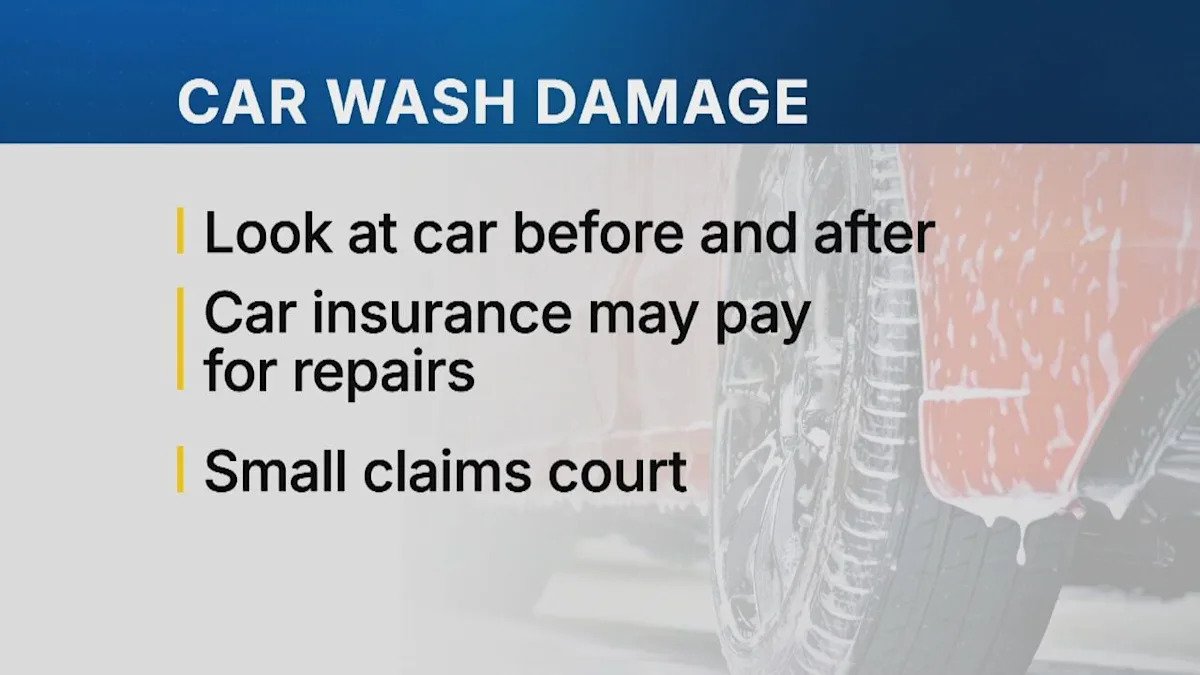
Car insurance may cover damage caused by a car wash. Check your policy to see if it applies. File a claim with your insurance company. They may pay for repairs and handle the rest. This method avoids direct conflict with the car wash. It also offers financial support for fixing the damage.
Customer Service Resolutions
Start by contacting the car wash’s customer service team. Explain the damage clearly and calmly. Provide photos and receipts if available. Many businesses want to keep customers happy. They may offer a refund or pay for repairs. Keep records of all communication for proof. This approach often leads to quick and fair fixes.
Frequently Asked Questions
Can I Sue A Car Wash For Vehicle Damage?
Yes, you can sue if the car wash caused damage. Prove negligence or breach of duty by the car wash. Document the damage and gather evidence to support your claim.
What Evidence Is Needed To Sue A Car Wash?
You need photos of the damage, receipts, and witness statements. Keep repair bills and any communication with the car wash. This helps establish liability and the extent of damage.
How Long Do I Have To Sue A Car Wash?
Statutes of limitations vary by state but typically range from 1 to 3 years. Act quickly to preserve evidence and meet legal deadlines for filing a claim.
Can Car Wash Contracts Limit Damage Claims?
Many car washes have liability waivers or disclaimers. These may limit your ability to sue but could be challenged if negligence is proven.
Conclusion
Suing a car wash for damage depends on many factors. You need clear proof that the car wash caused the harm. Check your local laws about liability and consumer rights. Keep all receipts and take photos of the damage. Talk to the car wash staff before making any claims.
Sometimes, they may offer to fix or pay for the damage. Legal action should be a last step after trying to resolve the issue directly. Knowing your rights helps you make the best choice. Stay calm and gather all needed information first.