

Have you ever wondered if you can safely take your soft top through a car wash? If you own a convertible, you probably want to keep your soft top clean without risking damage.
But not all car washes are created equal, and some might harm your fabric roof or seals. You’ll discover exactly what you need to know before driving your soft top into a car wash. Keep reading to protect your investment and keep your convertible looking its best.
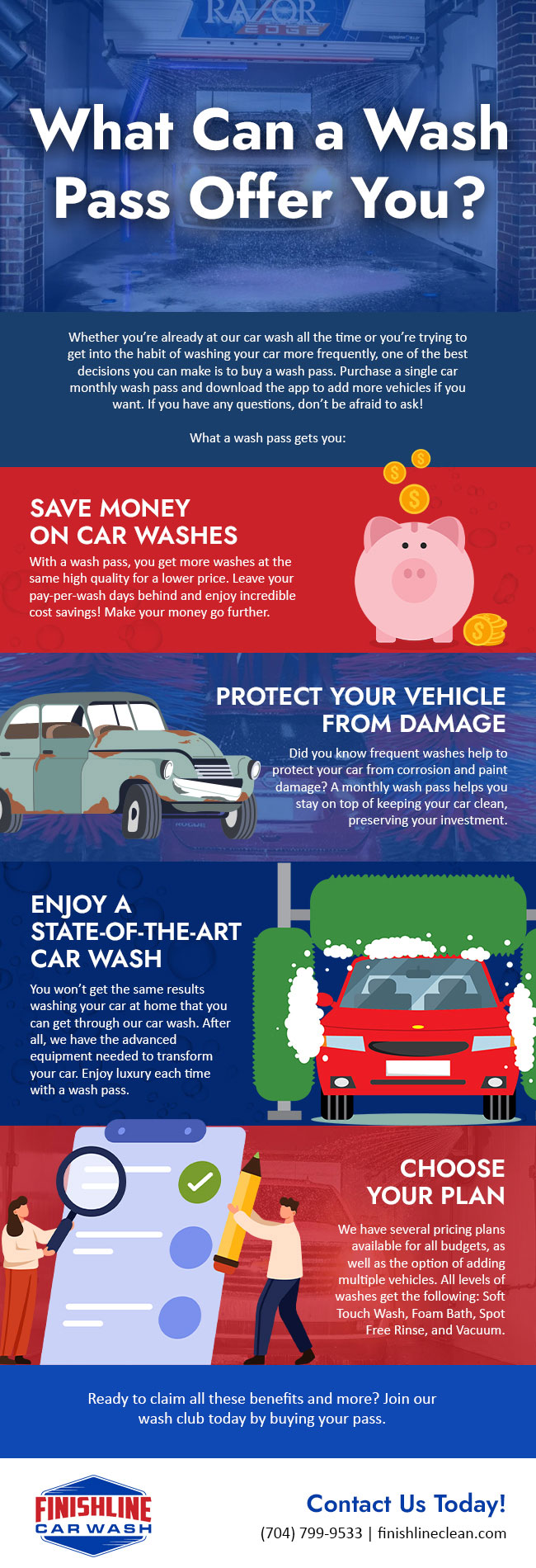
Credit: finishlineclean.com
Soft Tops And Car Washes
Soft tops add a unique charm to convertibles, but they also require special care. When you think about taking your soft top through a car wash, it’s natural to wonder if the process might damage the fabric or mechanisms. Understanding how soft tops are made and how car washes work can help you make an informed decision and keep your vehicle looking great.
Types Of Soft Tops
Not all soft tops are created equal. Some are made from vinyl, which tends to be more durable and water-resistant but can crack over time. Others use fabric materials like canvas or twill, which are softer and more breathable but may require more gentle handling.
Some soft tops have additional layers or coatings to protect against UV rays and water, while others might be older and less protected. Knowing the type of material your soft top is made from helps you choose the best cleaning method and avoid damage.
How Car Washes Work
Automatic car washes use strong brushes, high-pressure water jets, and chemical soaps to remove dirt quickly. These brushes, while effective on hard surfaces, can be too harsh for soft tops, especially fabric ones.
Touchless car washes rely on high-pressure water and detergents without brushes, which is generally safer for soft tops. However, the pressure can sometimes force water into seals or seams if your soft top isn’t in perfect condition.
Have you ever noticed your soft top feeling stiff or rough after a car wash? This might be due to harsh chemicals or abrasive brushes stripping away protective coatings. It’s worth considering hand washing or specialized soft top cleaning services to keep your roof flexible and intact.

Credit: www.reddit.com
Risks Of Automatic Car Washes
Taking your soft top through an automatic car wash might seem like a quick and easy way to clean your vehicle. However, there are several risks involved that can lead to costly damage. Understanding these risks can help you decide if this method is really the best choice for your soft top.
Potential Damage To Fabric
The fabric on soft tops is delicate and can easily suffer from harsh treatment. Automatic car washes use strong brushes and high-pressure water jets that may cause tears, scratches, or wear on the material.
Repeated exposure to these elements can cause the fabric to fade or lose its waterproof coating. Have you noticed any rough spots or thinning areas after a wash? That’s often a sign the fabric is being damaged.
Mechanical Parts And Soft Tops
Soft tops have mechanical parts like zippers, latches, and hinges that can be vulnerable in an automatic wash. The spinning brushes can catch on these parts, bending or breaking them.
Water pressure can also force moisture into seams and joints, increasing the risk of mold or rust. If your soft top has a rear window made of plastic, the chemicals and friction can cause it to cloud or crack.
Would you want to spend time and money fixing damage caused by a quick wash? Sometimes, hand washing your soft top with gentle products is the safest way to protect it.
Safe Washing Alternatives
Washing a soft top convertible can be a delicate task. You might wonder if traditional car washes are safe for your vehicle’s soft top. While automated car washes can be convenient, they often pose risks like scratches and leaks. So, what are the safer alternatives? Let's dive into some methods that protect your car while keeping it spotless.
Hand Washing Techniques
Hand washing is often the safest method for cleaning a soft top. It allows you to control the pressure and avoid potential damage. Use a soft sponge or microfiber cloth to gently scrub the surface. Always wash in the shade to prevent soap from drying too quickly.
Rinse thoroughly with a gentle stream of water. Make sure all soap is removed to avoid residue. If you've ever noticed streaks after a wash, it's usually from insufficient rinsing.
Using Gentle Car Wash Products
Choose products specifically designed for soft tops. Regular car soaps can be too harsh and strip away protective coatings. Look for pH-balanced formulas that are safe for fabric or vinyl.
Apply the cleaner with a gentle touch, focusing on areas with visible dirt or stains. It's crucial to follow the manufacturer's instructions for the best results. Have you ever considered how the right product can extend the life of your soft top?
Finally, after washing, let the top air dry completely before folding it down. This prevents mold and mildew buildup. A clean, well-maintained soft top not only looks great but also enhances your car's longevity.
Preparing Your Soft Top For A Wash
Preparing your soft top before heading into a car wash is crucial to protect it from damage and ensure a thorough clean. Taking a few minutes to inspect and clean the surface can save you from costly repairs later. Are you ready to learn simple steps that make a big difference?
Cleaning Loose Debris
Before you start the wash, remove any loose debris from your soft top. Leaves, twigs, or dirt can scratch the fabric or clog the wash system. Use a soft-bristled brush or a gentle vacuum to clear away dust and particles.
Pay close attention to the seams and folds where debris tends to gather. Skipping this step might mean dirt gets pushed deeper into the fabric during the wash. Have you checked your soft top lately for hidden dirt?
Checking For Damage
Take a close look at your soft top for any tears, holes, or worn areas. Even small damage can worsen during a car wash, especially with high-pressure water jets. If you spot any issues, consider repairing them before washing.
Also, inspect the stitching and the seals around the windows. Loose threads or gaps can let water seep in, causing interior damage. How often do you inspect your soft top for signs of wear and tear?
Aftercare Tips For Soft Tops
After washing your soft top, proper care is essential to maintain its look and durability. Neglecting aftercare can lead to mold, fading, or material damage. Paying attention to drying and protective treatments can extend the life of your soft top and keep it looking fresh.
Drying Methods
Dry your soft top as soon as possible after a wash or rain. Leaving it wet invites mold and mildew, which are tough to remove and can cause unpleasant odors.
Use a clean, absorbent microfiber towel to gently blot the surface. Avoid rubbing vigorously, as this can damage the fabric or vinyl coating.
If you can, park your car in a shaded, well-ventilated area to air dry the top completely. Do you have a garage or carport? That’s the best place to avoid direct sunlight fading your soft top while it dries.
Protective Treatments
Applying a protective treatment after drying shields your soft top from UV rays, dirt, and water. Look for products designed specifically for soft tops, whether fabric or vinyl.
- Fabric soft tops benefit from a water-repellent spray that keeps moisture from soaking in.
- Vinyl tops need conditioners that prevent cracking and fading.
- Always test a small area first to ensure compatibility with your material.
Regular application of these treatments can make a noticeable difference. Have you noticed how some convertibles look newer for longer? It’s often because the owner invests in protective care consistently.
When To Avoid Car Washes
Knowing when to avoid car washes is important for soft top owners. Some conditions can damage the fabric or mechanisms. Protecting the soft top means understanding these risks.
Weather Conditions
Avoid car washes during extreme weather. Cold temperatures can make the fabric stiff and brittle. This increases the chance of cracks and tears. Strong winds can blow dirt and debris onto the surface, causing scratches. Hot weather can soften glue and seals, leading to leaks after washing.
Age And Condition Of Soft Top
Older soft tops need more care. Over time, fabric loses flexibility and becomes fragile. Worn seals and zippers might break in a car wash. Small tears can grow larger from brushes and water pressure. Inspect your soft top regularly and skip automatic washes if it shows wear.

Credit: www.kleankutdetailing.com
Frequently Asked Questions
Can Soft Tops Get Damaged In Automatic Car Washes?
Yes, automatic car washes with brushes can damage soft tops. The brushes may cause tears, scratches, or wear on the fabric. It’s safer to use touchless car washes or hand wash your soft top to maintain its condition and durability over time.
Are Touchless Car Washes Safe For Soft Tops?
Touchless car washes are generally safe for soft tops. They use high-pressure water and detergents without brushes, reducing the risk of damage. However, always check the car wash’s guidelines to ensure they accommodate soft tops and won’t harm the fabric or seams.
How Often Should You Wash A Soft Top?
You should wash your soft top every 1 to 3 months, depending on exposure. Regular cleaning prevents dirt buildup, stains, and mold. Use gentle cleaners made for fabric tops and avoid harsh chemicals to keep your soft top looking new and extending its lifespan.
Can Water Damage A Soft Top In A Car Wash?
Properly sealed soft tops are water-resistant and won’t get damaged by water in car washes. However, if the seams or seals are worn, water may leak inside. Regular inspections and maintenance help prevent water damage during washing.
Conclusion
Soft tops can be tricky in car washes. Many machines use brushes that may damage the fabric. Always check your car wash’s rules before entering. Hand washing is often safer for soft tops. Regular care helps keep your soft top looking good.
Clean gently and let it dry fully. Protect your investment with proper cleaning methods. Your soft top will last longer with good care. Stay cautious and keep your car looking great.