
Have you ever worried about what happens to your sump pump during a power outage? If you live in an area prone to heavy rain or flooding, keeping your basement dry is crucial.
You might be wondering, can you use a car battery to power your sump pump when the electricity goes out? The answer could save you from costly water damage and sleepless nights. You’ll discover how a car battery can be a reliable backup power source and what you need to know before trying it yourself.
Keep reading to protect your home and gain peace of mind when the unexpected strikes.

Credit: www.reddit.com
Car Battery Basics
Understanding car battery basics helps decide if it suits a sump pump backup. Car batteries store electrical energy to power a vehicle's engine and electronics. Knowing their types, capacity, and voltage clarifies their use beyond cars.
Types Of Car Batteries
Car batteries mainly come in two types:
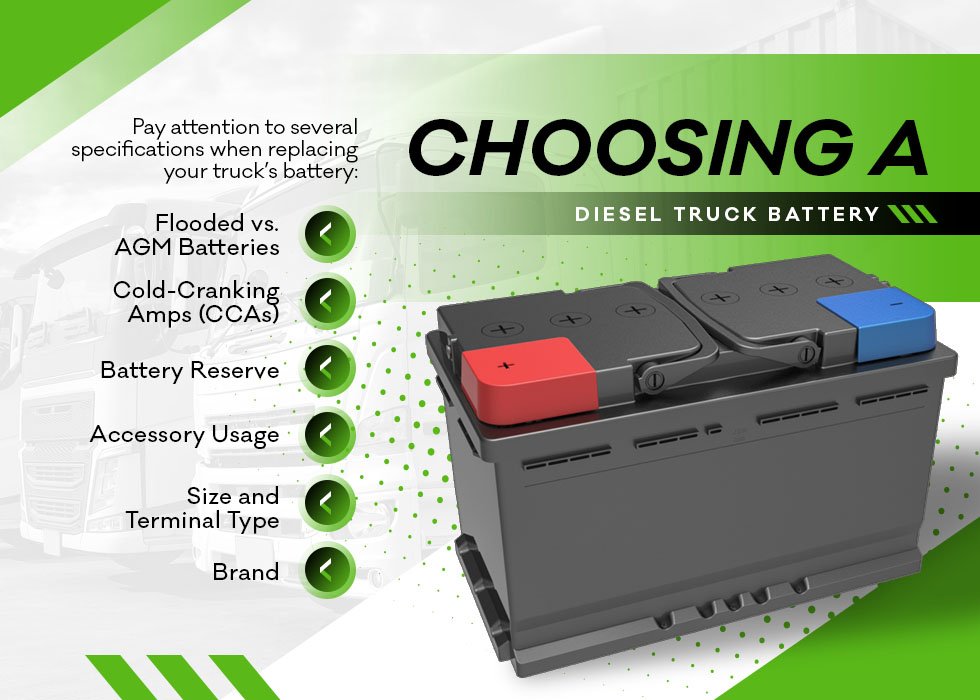
- Lead-Acid Batteries:Common and affordable, these batteries have liquid acid inside. They deliver high power but require maintenance.
- AGM (Absorbent Glass Mat) Batteries:More durable and sealed, these batteries resist spills and vibrations. They cost more but last longer.
Each type affects how well the battery handles continuous power demands.
Battery Capacity And Voltage
Car batteries usually provide 12 volts of power. This voltage suits many small appliances and pumps. Capacity is measured in amp-hours (Ah), showing how long the battery can supply power.
Higher capacity means longer run time for devices like sump pumps during power outages. Typical car batteries range between 35 Ah and 100 Ah. Choosing the right capacity depends on the sump pump’s power needs and expected backup time.
Sump Pump Power Needs
Understanding the power needs of your sump pump is crucial before deciding if a car battery can provide a reliable backup. Sump pumps vary widely in how much electricity they require to function effectively. Knowing the voltage and power consumption helps you gauge whether a car battery can keep your pump running when the power goes out.
Typical Voltage Requirements
Most sump pumps operate on standard household voltage, which is usually 120 volts AC. However, if you're considering a car battery, you're dealing with 12 volts DC. This difference matters because your sump pump will need a converter or inverter to run off a car battery.
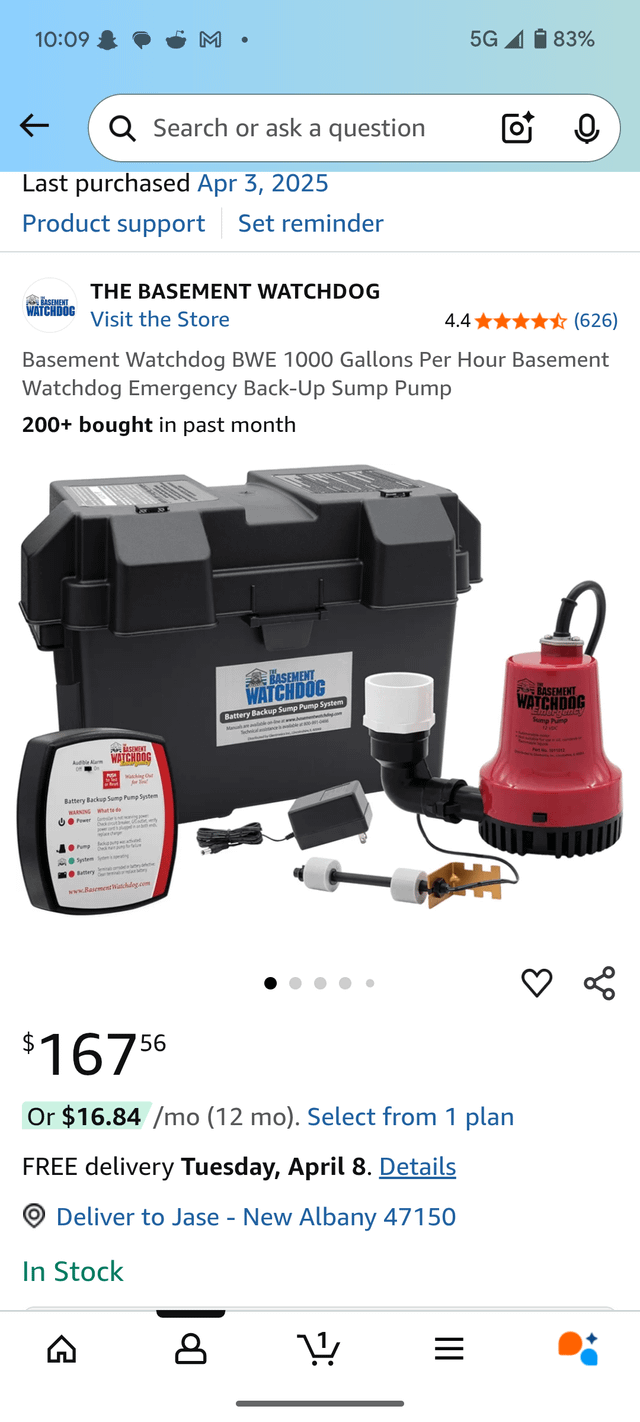
Smaller, battery-operated sump pumps sometimes run directly on 12 volts, making them a better match for a car battery. If your pump is designed for 120 volts, you’ll need to factor in the efficiency loss when converting power.
Power Consumption Rates
Sump pumps generally consume between 400 to 800 watts when running. The startup power, or surge wattage, can be significantly higher—sometimes double the running wattage. This surge is important because your car battery must supply enough current to start the pump motor.
For instance, a 12-volt car battery typically has a capacity measured in amp-hours (Ah). If your pump draws 10 amps during startup and 5 amps while running, a 50Ah battery might run the pump for only a few hours under ideal conditions. You should consider both the power draw and the battery’s capacity to avoid unexpected shutdowns.
Have you checked your sump pump’s label for exact wattage or amps? This simple step can save you from underestimating your backup power needs.
Compatibility Of Car Batteries With Sump Pumps
Using a car battery for a sump pump requires careful consideration of compatibility factors. Not all car batteries match the electrical needs of sump pumps. The battery must supply the correct voltage and current to operate the pump safely and efficiently. Battery life and performance also affect how well the system works during power outages or emergencies.
Matching Voltage And Current
Sump pumps usually run on 12-volt power, which is the same as most car batteries. This voltage match makes car batteries a possible power source. Current, measured in amps, is also important. The battery must provide enough amps to keep the sump pump running without damage.
Check the sump pump’s specifications for its voltage and current needs. Compare these with the car battery’s output. Using a battery with lower current can cause the pump to stop working. A battery with too high current is not dangerous but may be inefficient.
Battery Life And Performance
Car batteries are designed for short bursts of high power to start engines. Sump pumps need steady power for long periods, especially during heavy rain. This difference affects battery life.
Using a car battery for a sump pump may lead to faster battery drain. Car batteries may also wear out quickly if used this way often. Deep cycle batteries are usually better because they handle long, steady power use.
Monitor the battery’s charge and replace it if performance drops. Proper maintenance ensures reliable sump pump operation during power failures.
Setting Up A Car Battery For A Sump Pump
Using a car battery to power your sump pump during an outage can be a lifesaver. Setting it up correctly ensures your pump runs smoothly and safely when you need it most. Let’s look at what you need and how to handle the wiring to protect both you and your equipment.
Required Equipment And Tools
To connect a car battery to your sump pump, gather these essentials:
- Car battery:A fully charged 12-volt battery is ideal.
- Battery charger:To maintain the battery’s charge during long outages.
- Power inverter:Converts DC power from the battery to AC power for the sump pump.
- Battery cables with clamps:For secure and easy connections.
- Multimeter:To check voltage and confirm connections.
- Protective gloves and safety glasses:Always prioritize safety when handling batteries.
Having these tools ready will save you time and reduce the risk of mistakes.
Safe Wiring Practices
Safety is crucial when wiring a car battery to your sump pump. Incorrect setup can cause damage or even injury.
- Disconnect all power sources:Before starting, unplug your sump pump and ensure the battery is disconnected.
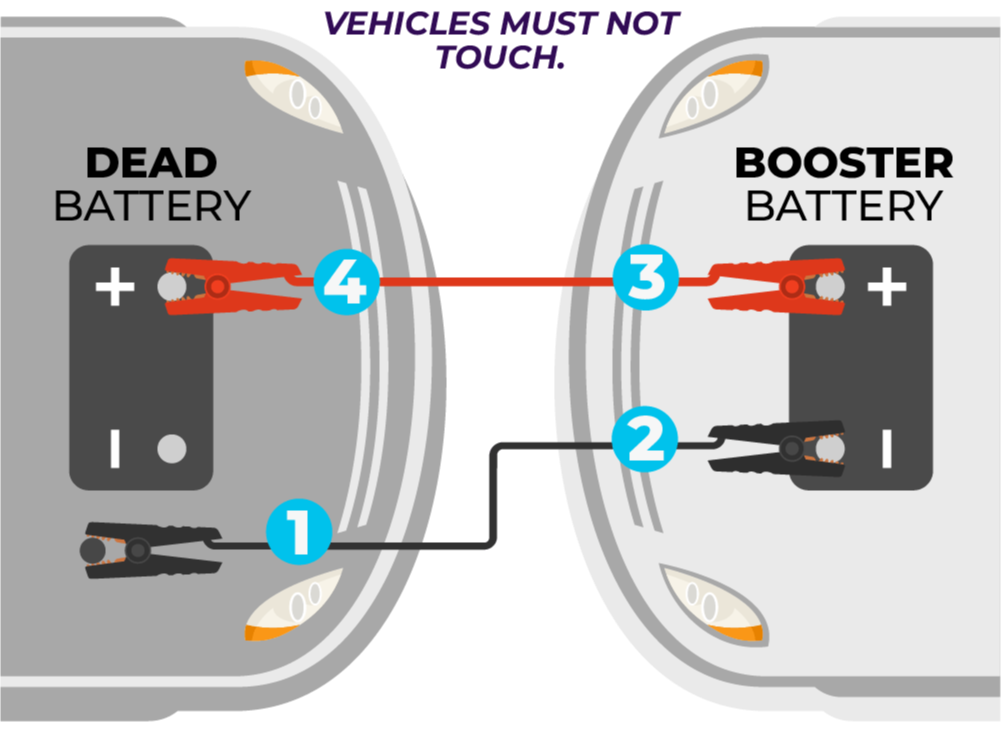
- Connect the inverter to the battery:Attach positive (red) clamp to the positive terminal and negative (black) clamp to the negative terminal carefully.
- Use proper gauge wires:Too thin wires can overheat; choose cables rated for the pump’s current draw.
- Check polarity twice:Reversing connections can harm your pump and battery.
- Secure all connections:Loose clamps can spark or disconnect under load.
Have you tested your setup with a multimeter after wiring? This simple step can prevent frustrating failures during an emergency.
Advantages Of Using Car Batteries
Car batteries provide reliable power for sump pumps during outages. They ensure continuous operation, protecting your basement from flooding. Their portability and easy availability make them a practical backup energy source.
The advantages of using car batteries for a sump pump are numerous. Car batteries offer a practical and efficient power source. They can be a reliable alternative for emergencies or temporary setups. Below are some key benefits of using car batteries for sump pumps.
Portability And Availability
Car batteries are portable and easy to find. Their compact size allows them to be moved effortlessly. You can purchase them at most automotive stores. In emergencies, this availability is crucial. If a power outage occurs, a car battery can save the day.
Cost-effectiveness
Car batteries are affordable compared to other power solutions. They provide a budget-friendly option for temporary use. You avoid the high costs of specialized backup systems. This makes them a smart choice for homeowners.

Credit: www.reddit.com
Limitations And Risks
Using a car battery for a sump pump has clear limits and potential risks. Understanding these helps prevent damage and ensures safety. Car batteries are not designed for long, deep discharges like sump pumps need. This mismatch can cause problems in performance and battery life.
Battery Drain And Overload
Car batteries provide short bursts of high power. Sump pumps need steady power over longer periods. This difference can quickly drain the battery. A drained battery may fail to restart the pump during a power outage.
Overloading the battery strains it beyond its design. This stress can cause overheating and permanent damage. The battery’s reduced capacity means it won’t hold a charge well after repeated use. A dead battery leaves the sump pump useless when needed most.
Safety Concerns
Car batteries contain acid and produce flammable gases. Improper handling can cause acid leaks or explosions. Using the wrong charger or connecting cables incorrectly increases these risks.
Electrical shorts or sparks near a car battery can ignite gases. This danger is higher in damp basements where sump pumps operate. Proper ventilation and safety precautions are essential but often overlooked.
Failing to secure the battery can lead to spills and injuries. The weight and size of car batteries make safe placement difficult. Always consider these risks before using a car battery as a sump pump power source.
Alternative Power Solutions
Alternative power solutions keep your sump pump running during power outages. Choosing the right backup power helps protect your home from flooding. Not all power sources work well with sump pumps. Consider options designed for long, reliable use.
Deep Cycle Batteries
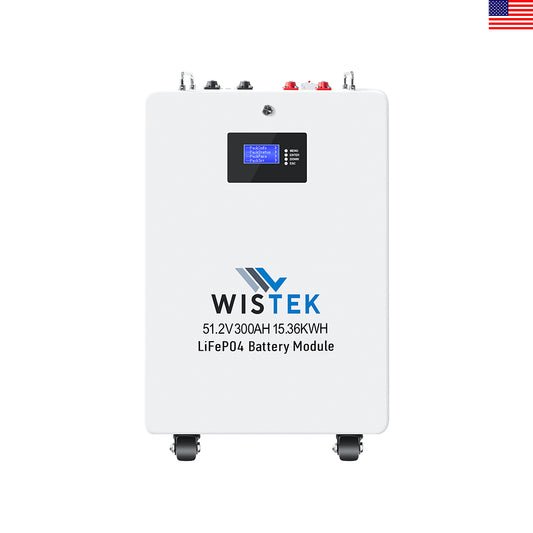
Deep cycle batteries provide steady power over a long time. They are different from car batteries because they discharge slowly. These batteries recharge easily and last through many cycles. They work well with sump pumps in emergencies. Pairing them with an inverter can convert stored energy to usable power. This setup runs the pump quietly and efficiently. Maintenance is simple, making deep cycle batteries a practical choice.
Backup Generators
Backup generators supply power directly from fuel sources like gas or propane. They start automatically during a power failure. Generators can run multiple appliances, including sump pumps. They offer long hours of operation and strong power output. Portable models are easy to store and move. Proper fuel storage ensures readiness at all times. Noise and fumes require placing generators outside. They provide a reliable power source for heavy-duty needs.

Credit: www.jackery.com
Maintenance Tips For Battery-powered Sump Pumps
Maintaining a battery-powered sump pump is essential to ensure it works effectively when you need it most. Neglecting upkeep can lead to battery failure and potential flooding. Focusing on simple, regular maintenance routines can save you from costly repairs and water damage down the line.
Regular Testing
Test your sump pump at least once a month to confirm it is working properly. Pour a bucket of water into the sump pit to trigger the pump and watch if it activates and drains the water quickly.
If the pump doesn’t start or struggles to pump out water, it might be time to check the battery or clean the pump components. Testing frequently helps catch problems early before an emergency arises.
Battery Charging And Storage
Keep your battery fully charged to guarantee maximum runtime during a power outage. Connect the battery charger to a reliable power source and monitor charging status regularly.
If you store the battery separately, make sure it’s in a cool, dry place and recharge it every few months. Batteries lose charge over time even when not in use, so regular charging prevents unexpected failures.
Have you considered labeling your battery with the last charge date? It can help you track maintenance and avoid guessing when it was last charged.
Frequently Asked Questions
Can A Car Battery Power A Sump Pump Effectively?
Yes, a car battery can power a sump pump temporarily. It provides enough voltage but may drain quickly. For long use, deep-cycle batteries are better suited to handle continuous power demands.
How Long Will A Car Battery Run A Sump Pump?
The runtime depends on the battery’s capacity and the pump’s power. Typically, a standard car battery can power a sump pump for 1-3 hours. Runtime decreases with frequent pump cycles or higher wattage pumps.
Is It Safe To Use A Car Battery With A Sump Pump?
Using a car battery is safe if properly connected and ventilated. Avoid over-discharging the battery and ensure correct wiring. Safety precautions prevent damage and reduce risks of electrical hazards.
What Type Of Battery Is Best For Sump Pumps?
Deep-cycle batteries are ideal for sump pumps. They offer steady power output and can handle repeated discharges. Unlike car batteries, deep-cycle types last longer and support extended sump pump operation.
Conclusion
Using a car battery for a sump pump can work in some cases. It provides power during outages but may not last long. Car batteries are made for short bursts, not constant use. Choosing the right battery type is important for safety and performance.
Regular maintenance helps keep everything running smoothly. Always check your sump pump’s power needs before connecting any battery. This way, you protect your home from water damage. A good backup plan keeps your basement dry and safe. Consider all options carefully before deciding on a car battery.