
When it comes to cleaning your car windshield, you might wonder if the glass cleaner sitting under your sink—like Windex—is a good choice. You want crystal-clear visibility, especially on those rainy or foggy days, but is using Windex on your car windshield safe?
Could it actually damage your glass or leave streaks that block your view? If you’ve ever asked yourself these questions, you’re not alone. Keep reading, because we’re about to break down everything you need to know to keep your windshield spotless without risking harm to your car.

Credit: www.reddit.com
Windex And Car Windshields
Using Windex on your car windshield might seem like a quick and easy solution for a streak-free shine. But before you grab that bottle, it’s important to understand what Windex is made of and how it interacts with automotive glass. Let’s take a closer look at the ingredients and common uses of Windex to see if it’s really the best choice for your windshield.
What Is Windex Made Of
Windex is primarily a glass cleaner made up of several chemical ingredients designed to cut through grease and grime on household windows.
- Ammonia:A key ingredient that helps break down dirt and evaporates quickly to reduce streaks.
- Water:Acts as a solvent to dissolve other components and spread the cleaner evenly.
- Surfactants:These help lift dirt and oils from surfaces.
- Fragrances and dyes:Added for scent and appearance, but they don’t contribute to cleaning power.
The high ammonia content is effective on glass but can cause problems on automotive surfaces, especially tinted windows or rubber seals. Have you ever noticed a strange smell after spraying Windex? That’s the ammonia working hard, but it might also be damaging certain parts of your car.
Common Uses Of Windex
Windex is widely used for cleaning household glass surfaces like windows, mirrors, and glass tabletops. It works great for removing fingerprints, smudges, and general dirt from these areas.
Many people also use Windex for quick touch-ups on car windows and windshields. It can give a shiny, clean look in a pinch. However, frequent use on your windshield might not be the best idea because automotive glass is exposed to different conditions and materials than household glass.
- Cleaning glass surfaces inside the home
- Removing grease and fingerprints from mirrors
- Quickly wiping down glass tabletops and decorative glass
- Occasionally used on car windows but with caution
Have you ever thought about the difference between cleaning a window in your house and your car’s windshield? The materials and exposure to outdoor elements mean you need a cleaner designed specifically for automotive use to avoid damage and maintain visibility.
Impact On Windshield Materials
Understanding how Windex interacts with windshield materials is crucial before you reach for that spray bottle. Your car’s windshield is more than just glass; it includes delicate components like wipers, sealants, and sometimes tints that can react differently to cleaning agents. Let’s look closely at how Windex might affect each of these parts.
Effect On Glass Surface
Windex is designed mainly for household glass, which is different from automotive glass in composition and coating. Regular use of Windex can leave streaks or residue, reducing visibility rather than improving it. Over time, the chemicals might wear down any protective coatings on your windshield, making it more prone to scratches and damage.
Have you noticed a haze forming after cleaning your windshield with Windex? That could be the coating breaking down, which means your visibility and safety might be compromised.
Effect On Windshield Wipers
The rubber blades of your windshield wipers are sensitive to harsh chemicals. Windex contains ammonia and other ingredients that can dry out or crack the rubber over time. This deterioration reduces the effectiveness of your wipers, leaving streaks or causing them to skip across the glass.
Think about how often you use your wipers during rain or snow. Damaged blades can become a real hazard, so protecting them from harsh cleaners is essential for clear vision.
Potential Damage To Tint And Sealants
If your windshield has a tint or special sealants, Windex may cause problems. The ammonia in Windex can weaken the adhesive on tints, leading to bubbling or peeling. It can also degrade rubber or silicone sealants around the windshield, potentially causing leaks.
Have you experienced peeling tint or water leaks after cleaning your windshield? It might be linked to the cleaning products you use. Choosing the right cleaner can help maintain these important components longer.
Safety Concerns
Cleaning your car windshield with the wrong product can be dangerous. Windex is a popular glass cleaner, but its use on car windshields raises safety concerns. Understanding these concerns can help ensure both clear visibility and health safety.
Visibility Issues
Using Windex might affect your windshield's clarity. Some Windex versions contain ammonia. Ammonia can leave streaks on the glass. These streaks create glare and reduce visibility, especially at night or in bright sunlight. Clear visibility is crucial for safe driving. Ensure the cleaner you use does not leave streaks.
Chemical Residue Risks
Chemicals in Windex could leave residues on the windshield. These residues might interact with rainwater. Such interactions can form a blurry film, hampering visibility. In adverse weather, this could pose a serious hazard. Residues may also affect windshield wiper effectiveness. Ensuring a residue-free finish is key for safe driving.
Health Considerations
Windex contains chemicals that might affect health. Ammonia and other ingredients can release fumes. These fumes are potentially harmful if inhaled in enclosed spaces like a car. Drivers and passengers could experience irritation or respiratory discomfort. Safe cleaning practices help maintain a healthy car environment.
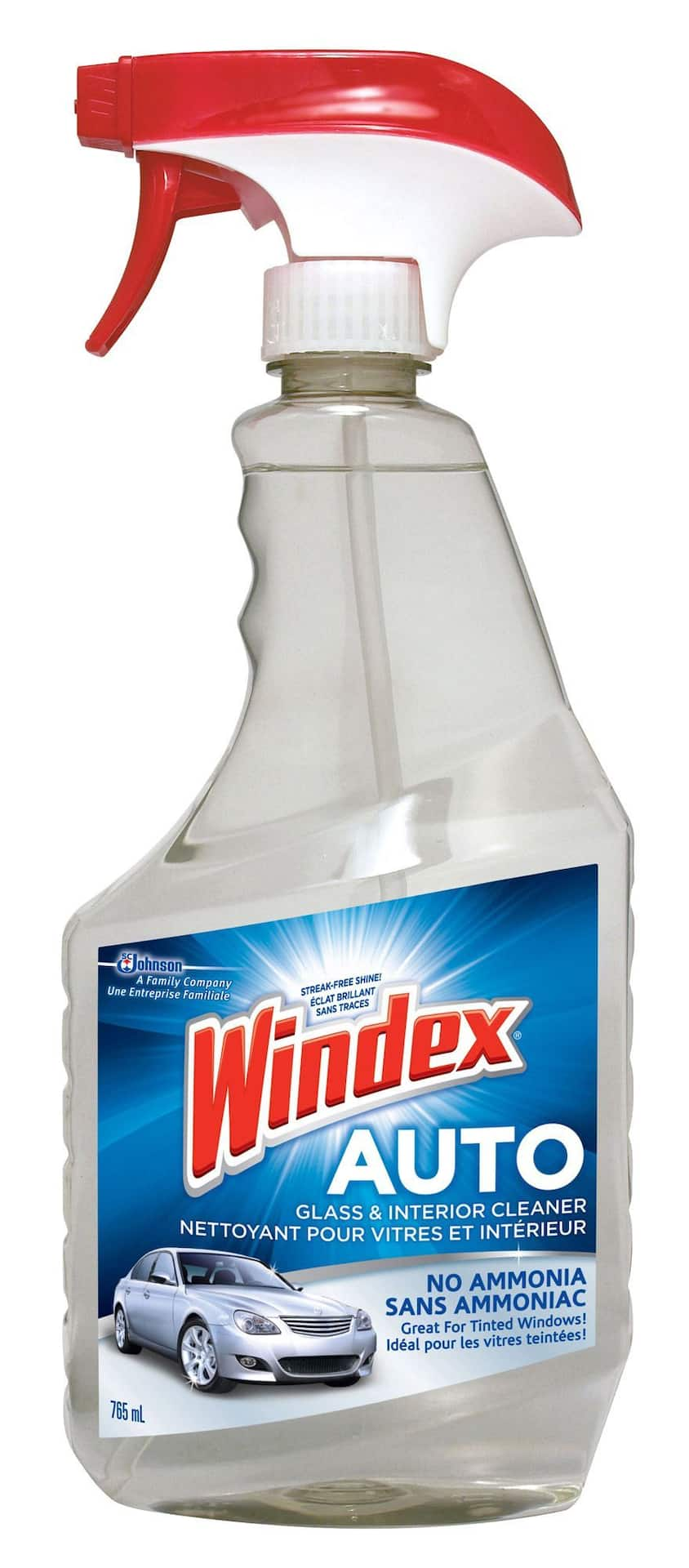
Credit: www.canadiantire.ca
Recommended Alternatives
Using the right cleaner keeps your windshield clear and safe. Some cleaners can harm the glass or the car’s paint. Choosing alternatives made for cars protects your vehicle and improves visibility. These options clean well without damage.
Car-specific Glass Cleaners
Car glass cleaners are made to remove dirt and grime gently. They do not leave streaks, which helps in bright sunlight or night driving. These cleaners often contain ingredients that resist fog and repel water. They also avoid damaging rubber seals around windows.
- Safe for tinted windows and all glass types
- Effective at removing bugs, bird droppings, and road grime
- Leaves a clear, streak-free finish
- Often available in spray bottles for easy use
Using these products ensures your windshield stays clean longer and improves your driving safety.
Diy Cleaning Solutions
Simple homemade cleaners can work well on car windshields. They use common household ingredients and avoid harsh chemicals. A mix of vinegar and water cleans effectively and prevents streaks. Another option is mild dish soap diluted in water.
- Mix equal parts white vinegar and water in a spray bottle
- Add a few drops of dish soap to warm water
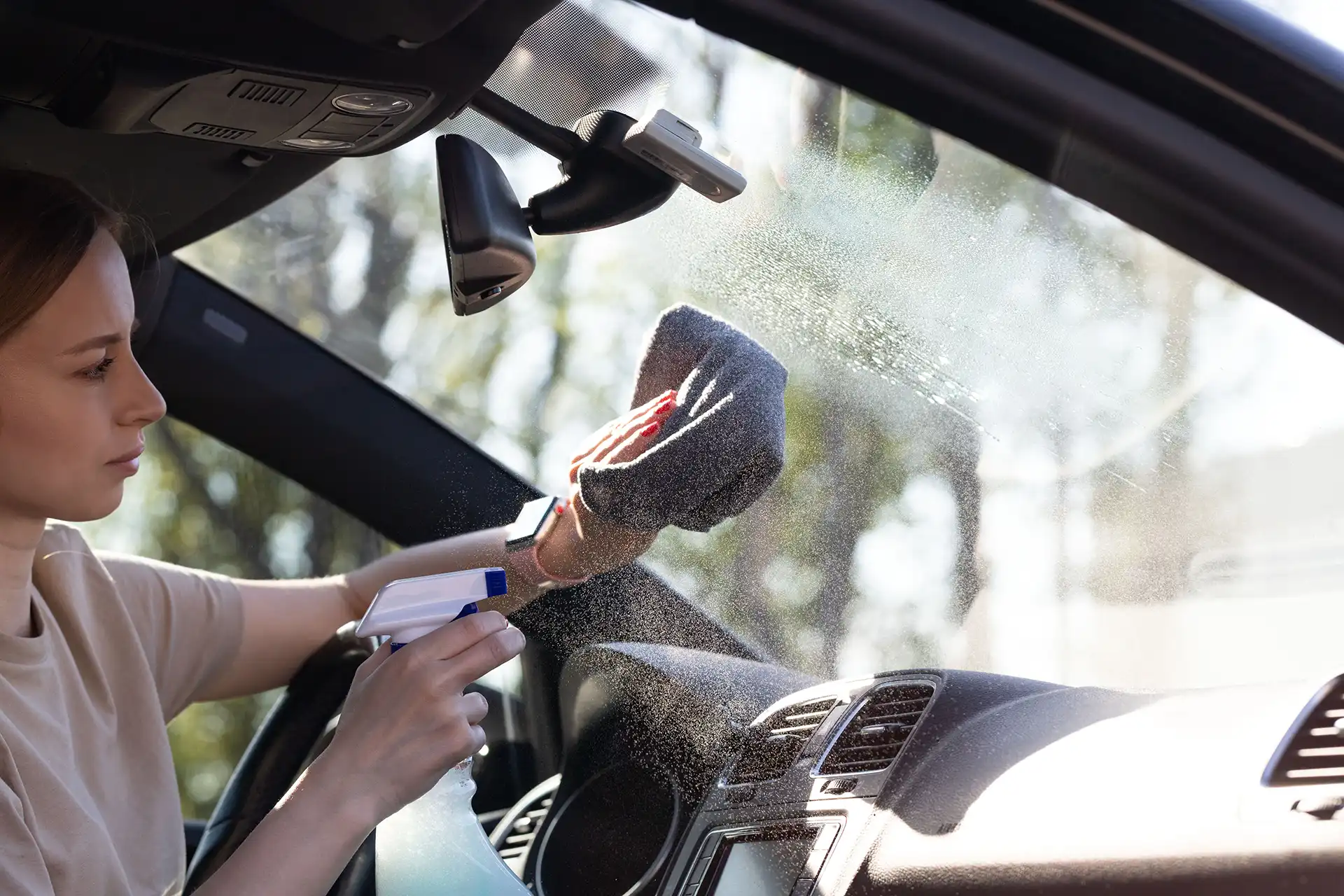
- Use a soft microfiber cloth to clean the glass
- Rinse with clean water and dry to avoid streaks
These solutions save money and reduce exposure to strong chemicals. They keep your windshield clear and safe for driving.
Proper Cleaning Techniques
Proper cleaning techniques keep a car windshield clear and safe. Dirt, grime, and smudges reduce visibility while driving. Using the right tools and method helps avoid streaks and scratches. A clean windshield also improves the effectiveness of wipers and prevents damage over time.
Tools To Use
- Microfiber cloths for gentle wiping
- Soft sponges or non-abrasive pads
- Glass cleaner or mild soap solution
- Spray bottle to apply cleaner evenly
- Bucket with clean water for rinsing
Step-by-step Cleaning Process
- Rinse the windshield with water to remove loose dirt.
- Spray the glass cleaner evenly across the surface.
- Use a microfiber cloth to wipe in circular motions.
- Focus on stubborn spots with gentle pressure.
- Rinse again with clean water to remove residue.
- Dry the windshield with a fresh microfiber cloth.
Frequency Of Cleaning
Clean the windshield at least once a week. More frequent cleaning is needed during rain or dusty conditions. Regular cleaning prevents buildup that impairs vision. Check for and remove bugs or bird droppings quickly. Consistent care keeps the glass clear and safe to drive.

Credit: www.amazon.com
Tips For Maintaining Windshield Clarity
Keeping your windshield clear is key for safe driving. Dirt, smudges, and environmental damage can block your view. Simple care steps keep the glass clean and damage-free. These tips help maintain perfect visibility every day.
Avoiding Streaks And Smudges
Use a soft microfiber cloth to clean your windshield. Avoid paper towels or rough fabrics that can scratch the glass. Clean in a circular motion to remove dirt evenly. Always clean on a cool windshield to prevent quick drying. Use a cleaner made for glass to avoid residue. Avoid using household cleaners with ammonia as they can damage tint or glass coatings.
Protecting Against Environmental Damage
Park your car in shaded areas to protect the windshield from sun damage. Regularly remove bird droppings, tree sap, and bug splatter quickly. These substances can eat into the glass if left too long. Apply a water-repellent treatment to help rainwater slide off easily. Check windshield wipers often and replace them if worn to avoid scratching. Cover your car during harsh weather to reduce dirt buildup and damage risk.
Frequently Asked Questions
Can Windex Damage A Car Windshield?
Windex can damage windshield coatings or tint films if used frequently. It contains ammonia, which may degrade rubber seals and plastic components. For occasional use, it’s generally safe, but specialized glass cleaners are better for long-term care and protection.
Is Windex Safe For Car Windshield Cleaning?
Windex is safe for cleaning car windshields if used sparingly. Avoid spraying directly onto heated glass or tinted windows. Use a microfiber cloth to prevent scratches and reduce streaks for a clear, safe clean.
Can Windex Remove Tough Windshield Stains?
Windex effectively removes dirt, grease, and bug splatter on windshields. However, it may not fully remove hard water spots or mineral deposits. For stubborn stains, consider a dedicated automotive glass cleaner or vinegar solution.
Should I Avoid Windex On Tinted Windshields?
Yes, avoid Windex on tinted windshields. Its ammonia content can damage or discolor tint films. Use ammonia-free glass cleaners specifically designed for tinted windows to maintain clarity and longevity.
Conclusion
Windex can clean your car windshield but use it with care. It may leave streaks or damage some coatings on the glass. Choose a cleaner made for cars to keep your windshield clear and safe. Always test a small area first before full use.
Clean windshields improve your driving view and safety. Simple steps keep your car windshield shining and protected.