

Have you ever wondered whether you should turn your car off in a car wash? It might seem like a simple question, but the answer can actually affect your safety and your car’s performance.
You might be surprised by what happens when you keep your engine running or shut it off during the wash. Keep reading to discover the best practice and avoid common mistakes that many drivers make. Your car—and your peace of mind—will thank you.
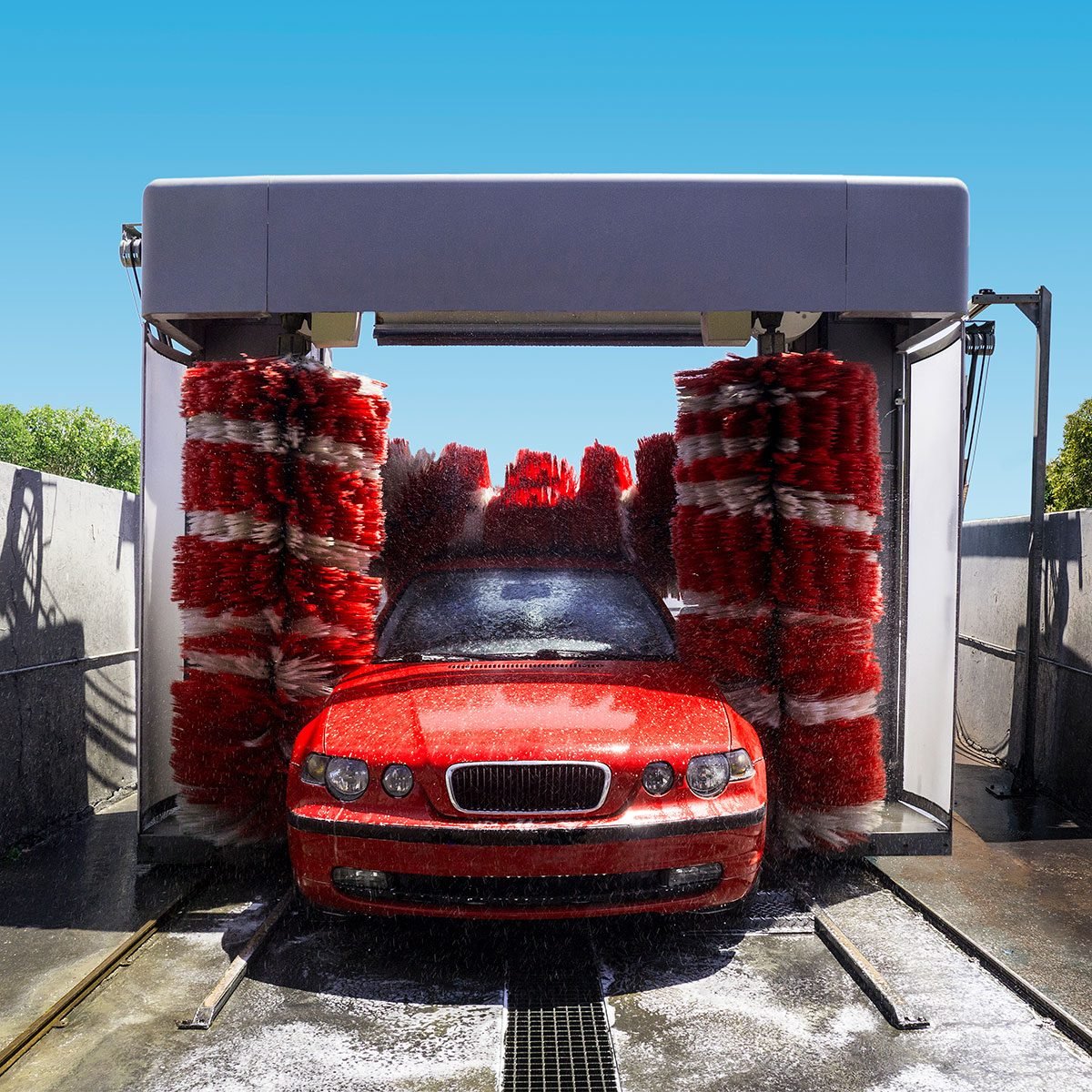
Credit: www.familyhandyman.com
Why Turning Off Your Car Matters
Turning off your car during a car wash is more than just a routine step—it's a crucial action that can save you from costly repairs and safety hazards. Many drivers underestimate the risks involved when the engine stays running amid moving brushes, water jets, and automated machinery. Understanding why turning off your car matters helps you protect your vehicle and yourself during the wash process.
Preventing Engine Damage
Your engine isn't designed to run while your car is being pushed through a car wash. The sudden resistance from the brushes and water pressure can strain engine components if it's still on. Turning off the engine avoids unnecessary wear and tear on parts like the belts and alternator, which aren't built to handle that kind of load in such situations.
Think about the last time you left your car idling for an extended time—did you notice it running hotter or behaving differently? That same stress increases during a car wash with added external forces. Saving your engine from this stress means fewer chances of unexpected breakdowns after a wash.
Avoiding Accidental Movement
Leaving your car on can lead to accidental movements, especially if the transmission isn’t securely in park or if the brakes fail. Automated car washes often move your car using conveyor belts, and any unintended acceleration could cause collisions with the machinery or other vehicles. Turning off the engine completely reduces this risk and keeps everything under control.
Imagine being inside a car wash when your vehicle suddenly jerks forward—this can be dangerous for you and anyone nearby. Have you ever witnessed or heard about such incidents? Avoiding these scenarios is as simple as switching off your ignition before the wash begins.
Protecting Electrical Systems
Your car's electrical systems are sensitive to water exposure and sudden movements. Keeping the engine running might keep some circuits active, increasing the risk of electrical shorts or malfunctions due to moisture. Turning off your car helps shut down these systems safely, reducing the chance of damage to sensors, wiring, or onboard computers.
Modern cars rely heavily on electronic controls that can be pricey to repair or replace. By simply turning off your car, you minimize the risk of water-induced electrical failures during the wash. Don’t you want to avoid unexpected trips to the mechanic right after a routine clean?
Common Car Wash Types And Their Requirements
Cars usually need to be turned off during most automatic washes for safety reasons. Different car wash types may have specific instructions about engine status. Always follow the guidelines posted to avoid damage or accidents.
Understanding the ins and outs of car washes can save you from unnecessary worry and help maintain your vehicle's condition. Each type of car wash has its own specific requirements, and knowing these can enhance your car washing experience. Let's break down the common car wash types and what they demand from you and your car.
Automatic Drive-through Washes
In automatic drive-through washes, you might wonder whether you should turn your car off. Typically, these washes require you to put your car in neutral and keep it running. The conveyor belt moves your car through the wash cycle. Some modern systems may have specific instructions, so always pay attention to signs or ask an attendant. I once made the mistake of turning off my car, causing a brief delay and a few honks from the queue behind me. Learn from my error and keep your car running unless instructed otherwise.
Touchless Car Washes
Touchless car washes can be a safer option for preserving your car's paint job. Unlike the drive-through types, these washes use high-pressure water and detergents instead of brushes. In most cases, you'll need to keep your car running and in neutral, similar to automatic drive-through washes. The system is designed to guide your car through without physical contact. Check for any instructions specific to the facility you visit to ensure a seamless experience.
Manual And Self-service Washes
Manual and self-service washes offer you full control, which means you'll need to decide when to turn your car off. In these scenarios, turning off your car is often best for safety and to prevent unnecessary idling. You can take your time scrubbing and rinsing without the worry of a running engine. Once, while using a self-service wash, I forgot to turn off my headlights, leading to a drained battery. Remember to switch off all electronics to conserve battery life during these washes. Are you leveraging the right type of car wash for your needs? With this understanding, you can ensure a smoother car wash experience every time.
How To Safely Prepare Your Car
Preparing your car before entering a car wash is crucial to avoid damage and ensure a smooth cleaning process. Small steps you take can protect your vehicle’s delicate parts and prevent costly repairs. Let’s look at how you can get your car ready safely and efficiently.
Securing Windows And Mirrors
Make sure all windows are completely closed. Even a slightly open window can let water inside, damaging your interior.
Fold in your side mirrors if possible. This reduces the risk of them getting hit or scratched by the car wash equipment.
Think about this: Have you ever noticed water spots or streaks inside your car after a wash? That often means a window wasn’t fully closed.
Disabling Automatic Features
Turn off automatic windshield wipers before entering. They might activate unexpectedly and get damaged or cause scratches.
Also, disable any automatic braking or parking sensors. These systems can misinterpret the car wash machinery as obstacles and react improperly.
Have you experienced sudden braking or alerts during a wash? It’s likely because these features weren’t turned off.
Engaging The Parking Brake
Always engage your parking brake firmly. This keeps your car from rolling during the wash, especially on incline surfaces.
Using the parking brake adds an extra layer of safety beyond just putting your car in park.
Ask yourself: Is your parking brake strong enough to hold the car still, or could a slight nudge cause movement? Taking this simple precaution can save you from accidents.
Risks Of Leaving Your Car On
Leaving your car running in a car wash might seem harmless or even convenient. However, this choice carries several risks that can affect your safety and your vehicle’s condition. Understanding these dangers will help you make a smarter decision the next time you pull into a wash.
Potential For Injury
When your car stays on, the risk of accidental movement increases. If the vehicle shifts unexpectedly, it could cause harm to you, the car wash staff, or damage to the equipment.
Imagine a situation where a sudden jerk happens while the brushes are cleaning. You might think you’re safe inside, but any movement can lead to collisions or entrapment.
Also, some car washes require you to stay alert to stop the car in specific spots. Leaving your engine running might distract you from paying attention, increasing injury risks.
Mechanical And Electrical Hazards
Your car’s mechanical systems aren’t designed to run continuously under washing conditions. Water and soap can interfere with engine components if the car is on.
Electrical parts, like sensors and wiring, are vulnerable to water exposure. Running the engine might cause short circuits or damage these systems.
Another issue is overheating. Car washes often make you wait in place longer than expected. Keeping the engine on during this time can lead to overheating, which might cause costly repairs.
Exceptions And Special Cases
Some car wash situations require special attention. Not all vehicles follow the same rules for turning off the engine. Different technologies and features affect what you should do. Here are common exceptions to consider before entering a car wash.
Hybrid And Electric Vehicles
Hybrids and electric cars work differently from regular gas cars. Their engines may switch off and on automatically to save energy. Some car washes ask drivers to keep the engine running. This helps maintain battery power and proper function during the wash.
Check your car’s manual for specific instructions. Many hybrid and electric vehicles have a “car wash mode.” This mode adjusts systems to avoid damage and keeps the vehicle ready.
Using Remote Start Features
Remote start lets you start your car without a key. It warms up or cools down the interior before driving. In a car wash, remote start can cause problems. The car might start unexpectedly or move during the wash.
Turn off remote start before entering. This prevents the engine from turning on by itself. It also avoids safety risks for you and the car wash staff.

Credit: carma.com.au
Tips For A Smooth Car Wash Experience
A smooth car wash experience depends on simple actions. These tips help protect your vehicle and save time. Follow guidelines and stay alert during the wash.
Following Car Wash Instructions
Always read and follow the car wash signs carefully. Shut off your engine if the machine requires it. Keep your windows closed tight to avoid water inside. Remove antennas or fold side mirrors if needed.
Communicating With Attendants
Talk clearly with the car wash staff before starting. Ask if you should turn off the engine or leave it running. Inform them about any special care your car needs. Listen to their advice for a safe wash.
Post-wash Checks
Check your car for any missed spots or damage after the wash. Look under the car for water or soap puddles. Dry your car with a soft cloth if possible. Make sure all doors and windows work properly.
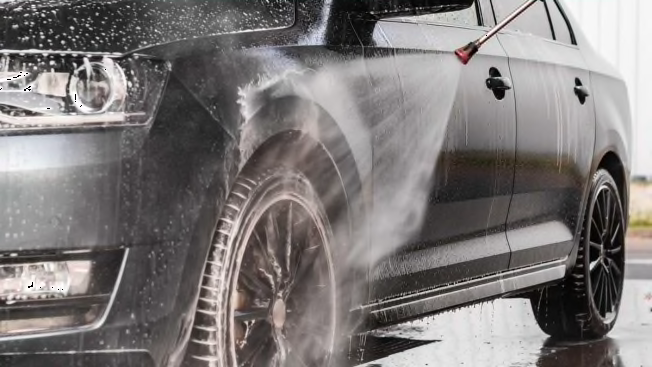
Credit: www.consumerreports.org
Frequently Asked Questions
Should I Turn Off My Car In An Automatic Car Wash?
Yes, you should turn off your car in most automatic car washes. It prevents engine damage and ensures safety during the wash cycle. Always follow the car wash instructions for the best results and vehicle protection.
What Happens If I Keep My Car Running In A Car Wash?
Keeping your car running can cause mechanical issues or safety hazards. The wash system may force your car to move unexpectedly, risking damage. Turning off your engine avoids these risks and complies with standard car wash protocols.
Is It Safe To Keep The Car In Neutral During A Car Wash?
No, it is generally not safe to leave your car in neutral and running. Car washes usually require the engine off and the parking brake engaged. This prevents unintended movement and protects your vehicle and the car wash equipment.
Why Do Some Car Washes Require The Engine To Be Off?
Car washes require the engine off to avoid accidents and mechanical stress. This ensures your car stays stationary while brushes and water jets clean your vehicle. It also prevents engine overheating or damage during the wash cycle.
Conclusion
Turning your car off during a car wash keeps you safe and protects your vehicle. Most car washes need the engine off to avoid damage. Leaving the car running can cause accidents or harm the system. Always follow the instructions at the car wash station.
This small step helps the wash run smoothly and keeps you safe. Remember, a quick pause can save you from trouble. Next time you wash your car, turn the engine off and enjoy a clean ride without worries. Simple and smart!