
Is your car battery dead, leaving you stuck and frustrated? You might be wondering, “How can I charge a car battery quickly and safely?” Knowing the right steps can save you time, money, and stress.
You’ll discover simple, clear methods to bring your battery back to life—even if you have no prior experience. Keep reading, and you’ll gain the confidence to handle this common problem like a pro.
Tools Needed For Charging
Charging a car battery requires specific tools to ensure the process is safe and effective. Using the right equipment helps protect both you and your vehicle. Knowing what tools to gather first can save time and avoid mistakes.
Below are key tools to have on hand before starting the charging process. These essentials make the task easier and more secure.
Choosing The Right Charger
Select a charger that fits your battery type and size. Chargers come in different power levels. A slow charger is safer for regular maintenance. A fast charger works for quick boosts but needs more care.
Look for features like automatic shut-off and overcharge protection. These reduce risk during charging. Make sure the charger has clear instructions and easy-to-use clamps.
Safety Gear Essentials
Protect yourself with basic safety gear. Always wear safety goggles to shield your eyes from sparks or acid. Gloves protect your hands from battery acid and electrical shock.
Work in a well-ventilated area to avoid harmful gas buildup. Have baking soda or water nearby to neutralize acid spills. Use insulated tools to prevent accidental shorts or shocks.
Credit: www.slashgear.com
Preparing The Battery
Preparing your car battery before charging is essential for safety and effectiveness. Taking a few moments to locate, inspect, and clean the battery can save you from unnecessary trouble later. Have you ever started charging only to find corrosion or damage that could have been avoided?
Locating The Battery
Your car battery is usually under the hood, but some models place it in the trunk or under a seat. Look for a rectangular box with two thick cables attached—one red (positive) and one black (negative). Make sure the engine is off and your car is in a stable position before you begin.
Inspecting For Damage
Carefully check the battery case for cracks, leaks, or bulges. Damage like this means the battery might be unsafe to charge and could require replacement. If you notice any corrosion or a strong sulfur smell, those are signs of a problem that needs attention.
Cleaning Battery Terminals
Dirty or corroded terminals can stop your charger from working properly. Use a mixture of baking soda and water to scrub off any corrosion with an old toothbrush. Make sure to wear gloves and avoid touching the terminals with metal tools to prevent sparks.
Charging Methods
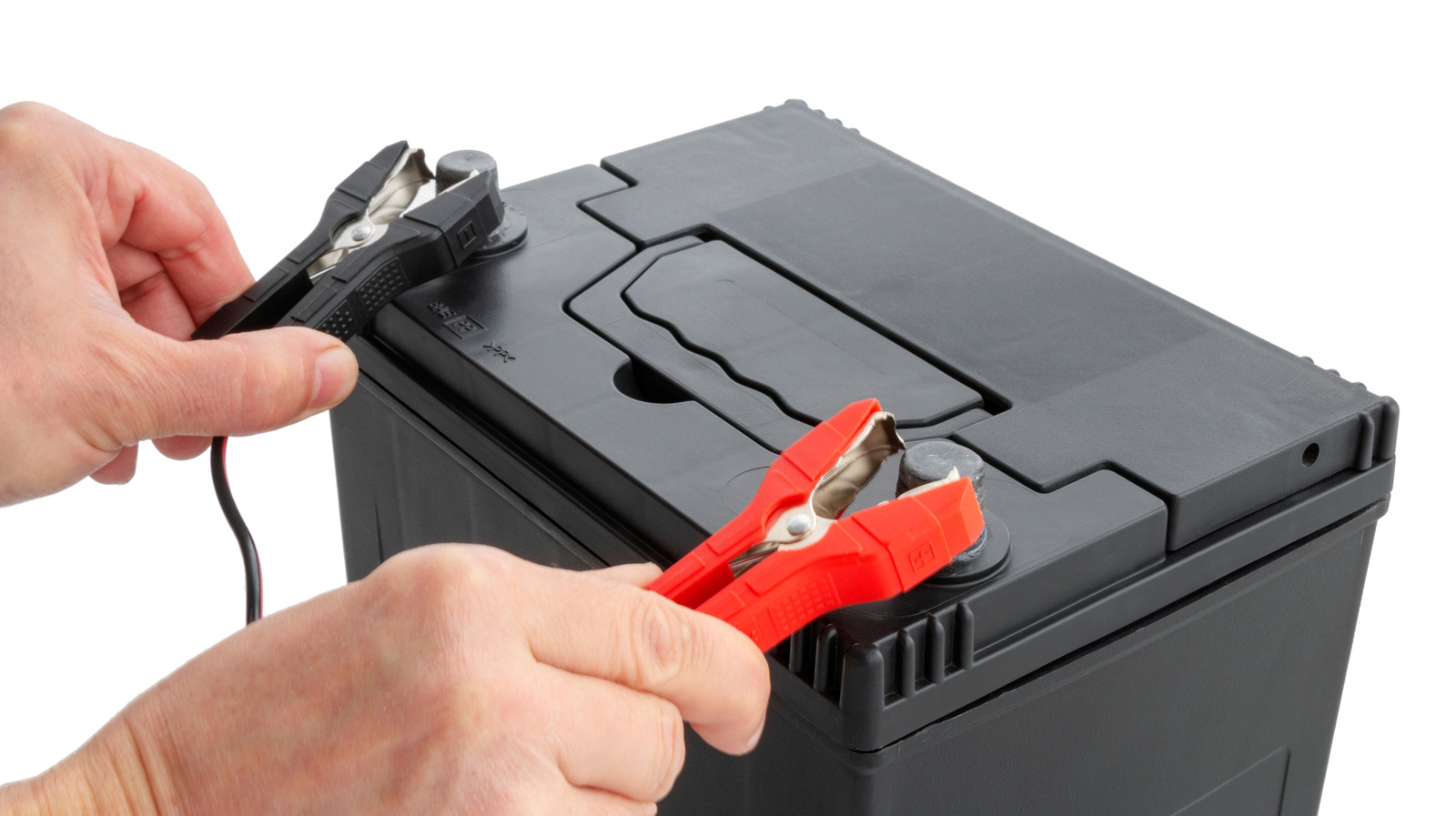
Use a charger designed for car batteries to restore power safely. Connect the charger’s positive and negative clamps to the battery terminals. Charging can take several hours, depending on the battery’s condition and the charger’s power.
Charging your car battery can seem daunting, but it's easier than you think. Understanding the different charging methods can save you time and stress. Whether you're using a trickle charger, jump-starting with another vehicle, or opting for a portable battery charger, each method has its unique advantages. Let's dive into the specifics of each approach.
Using A Trickle Charger
A trickle charger is a great option if you have time on your side. It slowly charges your car battery, reducing the risk of overcharging. Simply connect it to your battery, and leave it for several hours or overnight. It's perfect for maintaining a battery over long periods. I once used a trickle charger during a long winter vacation, and my car started effortlessly upon my return. Have you ever thought of keeping your battery healthy while you're away?
Jump-starting With Another Vehicle
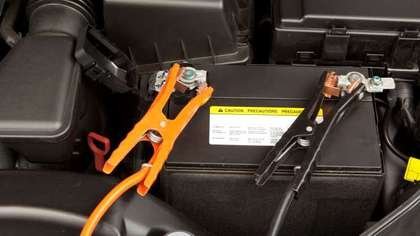
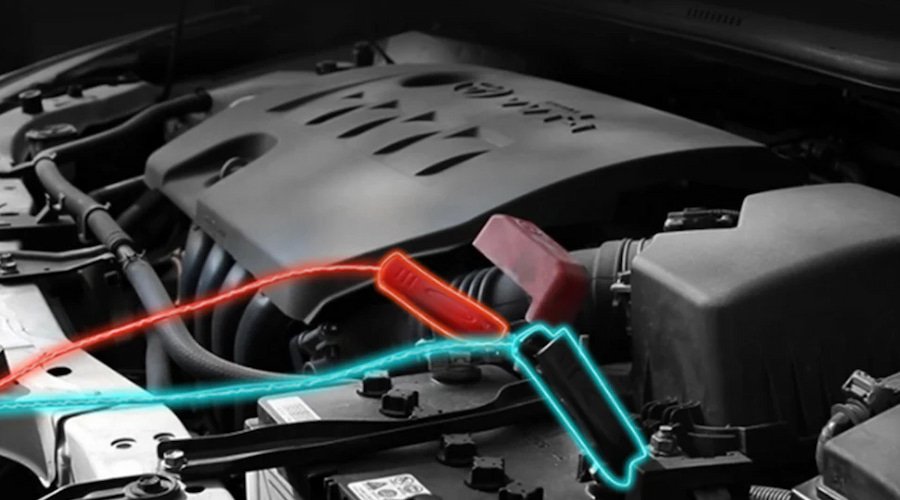
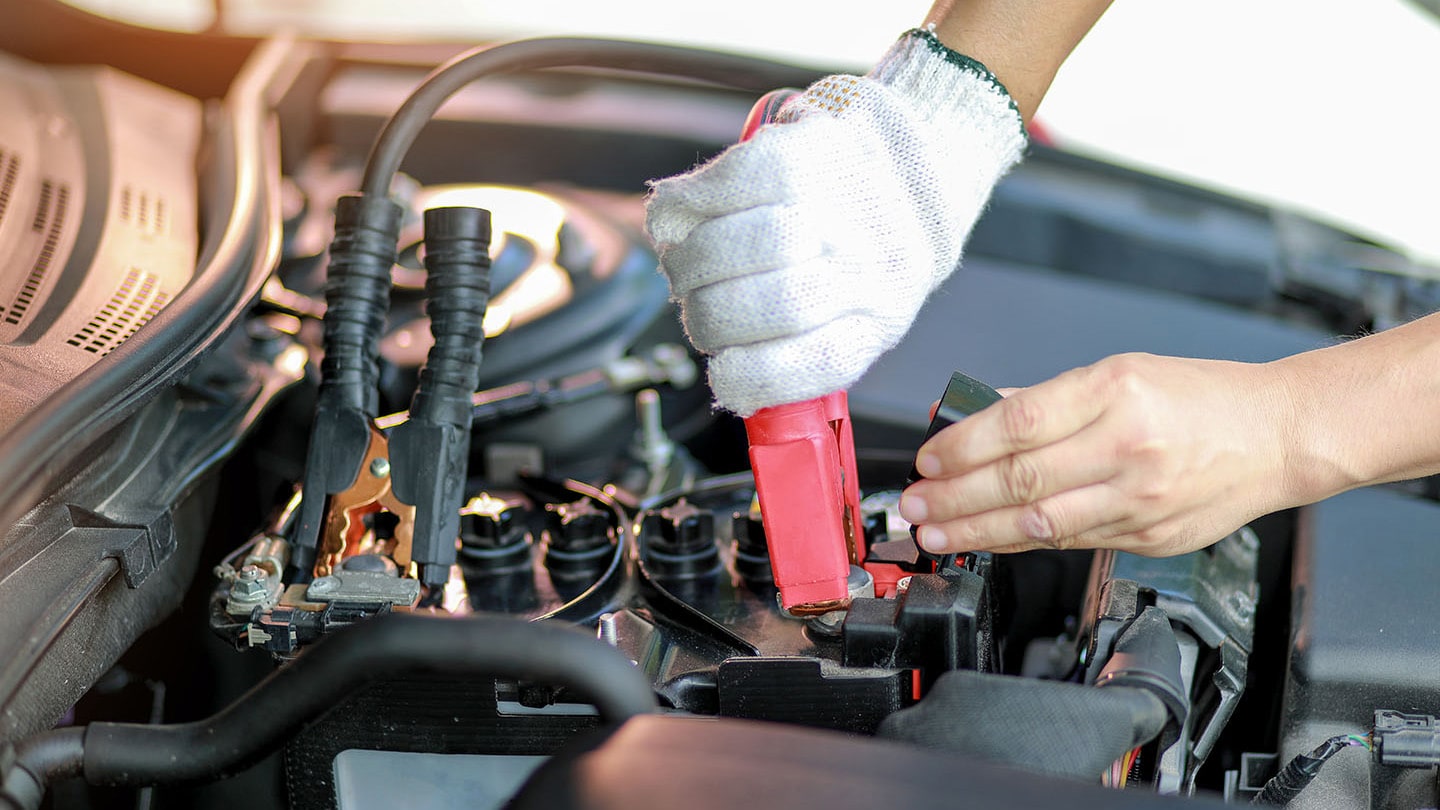
This method is a lifesaver when you're stranded with a dead battery. All you need is another vehicle and a set of jumper cables. Connect the cables in the correct order: positive to positive, negative to negative. Start the donor car, then your own. It’s a quick fix that gets you back on the road. But remember, it's only a temporary solution. Have you got a reliable friend to call in such emergencies?
Portable Battery Chargers
Portable battery chargers offer convenience and peace of mind. They're compact, easy to use, and can be stored in your car for emergencies. Simply connect the charger to your battery and let it do the work. I always keep one in my trunk, and it’s saved me more than once from being late to important meetings. Isn't it reassuring to have a backup when you're on a tight schedule? Each method offers distinct benefits and can fit different situations. Knowing these can help you choose the right solution for your needs. How prepared are you for your next battery hiccup?
Credit: www.chase.com
Step-by-step Charging Process
Charging a car battery requires careful attention to safety and proper technique. Following the correct steps ensures your battery charges efficiently without damage. Understanding the process helps you avoid common mistakes and keeps you safe during charging.
Connecting Charger Cables Correctly
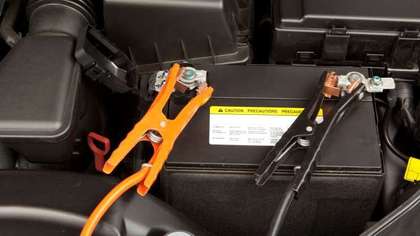
First, turn off the charger and the car. Locate the battery terminals. Connect the positive (red) cable to the battery’s positive terminal. Then, attach the negative (black) cable to the battery’s negative terminal or a metal part of the car’s frame. This prevents sparks and protects the battery. Double-check the connections before turning on the charger.
Setting Charger To Proper Voltage
Check your battery’s voltage before charging. Most car batteries are 12 volts. Set the charger to match this voltage. Some chargers have settings for different battery types; choose the correct one. Using the wrong voltage can damage the battery or charger. Adjust the charging rate to slow for better battery health.
Monitoring Charging Progress
Turn on the charger and watch the display or indicator lights. Charging can take several hours depending on battery size and charge level. Check the battery temperature and charger status regularly. Stop charging once the battery is full to avoid overcharging. Disconnect the charger cables in reverse order to avoid sparks.
Safety Tips During Charging
Charging a car battery might seem straightforward, but it requires careful attention to safety. Ignoring precautions can lead to sparks, acid spills, or even harmful gas buildup. Keeping these safety tips in mind helps protect you and your vehicle throughout the process.
Avoiding Sparks And Flames
Sparks near a charging battery can ignite explosive gases. Always keep open flames, cigarettes, and anything that could cause a spark far away. Make sure your charger is unplugged before connecting or disconnecting the clamps.
Have you ever thought about how a tiny spark could damage your car or injure you? Double-check connections for secure contact to avoid accidental sparks. Using insulated tools can also reduce the risk.
Handling Battery Acid Carefully
Car batteries contain sulfuric acid, which can cause serious burns. Wear protective gloves and safety glasses to shield your skin and eyes. If acid spills, neutralize it immediately with a baking soda and water mixture.
I once underestimated how corrosive battery acid is until a small spill ruined my clothes and caused skin irritation. Don't let this happen to you—always keep a neutralizing agent nearby and rinse any affected area with plenty of water.
Ensuring Proper Ventilation
Charging releases hydrogen gas, which can build up quickly in enclosed spaces. Always charge your battery in a well-ventilated area, preferably outdoors or in a garage with open doors and windows. This reduces the risk of gas accumulation and potential explosions.
Have you noticed a faint smell or heard a faint hiss while charging? This is a sign gases are being released, so make sure fresh air is flowing. Never charge your battery in a sealed room or near strong heat sources.
Credit: car-maintenance.carsdirect.com
Troubleshooting Common Issues
Troubleshooting common issues while charging a car battery can save you time and frustration. Problems often arise not from the battery itself but from the charger or connections. Understanding these issues helps you fix them quickly and get back on the road.
Battery Not Charging
If your battery isn’t charging, start by checking the battery’s condition. A battery that is too old or deeply discharged might not accept a charge. Also, ensure your charger is set to the correct voltage and charging mode.
Try testing the battery with a multimeter. If the voltage remains low after charging attempts, the battery may need replacement. Have you checked the battery’s age and health recently? It might be time for a professional test.
Charger Not Powering On
When your charger won’t power on, first check the power source and cable connections. Sometimes the issue is as simple as a blown fuse or a faulty outlet. Test the outlet by plugging in another device to confirm it’s working.
If the charger has a fuse or reset button, inspect it carefully. Overheating or surge protection may have triggered a safety shutdown. Have you ever found that a simple reset solved what seemed like a major problem?
Dealing With Corroded Terminals
Corroded battery terminals block the flow of electricity and prevent effective charging. You can spot corrosion by the white, green, or blue powdery deposits on the terminals. Cleaning them regularly keeps your battery connections strong.
Use a mixture of baking soda and water with a brush to scrub the corrosion away. Always disconnect the battery cables before cleaning to avoid short circuits. Do you inspect your terminals during every battery check? It’s an easy step that can make a big difference.
Maintaining Battery Health
Maintaining your car battery's health keeps it reliable and extends its lifespan. Good care means fewer unexpected failures and better car performance. Simple habits protect the battery and save money on replacements.
Regular Charging Schedule
Charge the battery regularly to keep its power steady. Avoid letting it drop below 50% charge. Use a smart charger that stops charging when full. This prevents overcharging and damage. Check the battery voltage weekly to monitor its state.
Storing Battery Safely
Store the battery in a cool, dry place away from heat. Extreme temperatures reduce battery life. Keep terminals clean and covered to avoid corrosion. Disconnect the battery if the car stays unused for weeks. Use a trickle charger to maintain charge during storage.
Signs You Need A Replacement
Look for slow engine crank or dim lights. Swollen battery case or leaks indicate damage. Frequent jump-starts show the battery is weak. If the battery is over 3-5 years old, test its health often. Replace it promptly to avoid getting stranded.
Frequently Asked Questions
How Long Does It Take To Charge A Car Battery?
Charging time varies by charger type and battery size. Typically, it takes 4 to 24 hours using a standard charger. Fast chargers can reduce this time to 1-2 hours. Always follow manufacturer guidelines for safe charging duration and avoid overcharging.
Can I Charge A Car Battery Without A Charger?
Yes, you can charge a battery using jumper cables and another car. Connect cables properly to avoid sparks or damage. Alternatively, solar chargers offer a slow, eco-friendly charging option. However, a dedicated charger is safest and most efficient.
What Is The Safest Way To Charge A Car Battery?
Use a smart charger with automatic shutoff to prevent overcharging. Charge in a well-ventilated area away from flames or sparks. Wear protective gear like gloves and goggles. Always follow the charger and battery manufacturer’s safety instructions.
Can I Charge A Completely Dead Car Battery?
Yes, a completely dead battery can be charged if it's not damaged. Use a smart charger to revive it safely. If the battery won’t hold a charge, replacement may be necessary. Regular charging maintains battery health and longevity.
Conclusion
Charging a car battery is easier than it seems. Always follow safety steps and use the right tools. Keep an eye on the charger while it works. A fully charged battery helps your car start smoothly. Regular checks can prevent battery problems later.
Now, you have the basic knowledge to charge your battery safely. Stay careful, and your car will stay ready to go.