
Have you ever wondered how cold is too cold for a car wash? You want your car to look its best, but extreme cold can cause problems you might not expect.
Washing your car in freezing temperatures might seem harmless, but it can actually damage your paint, locks, and even your water lines. If you’re unsure when it’s safe to wash your car or worried about the risks, this article will clear things up.
Keep reading to learn how to protect your car and keep it shining, no matter the weather.
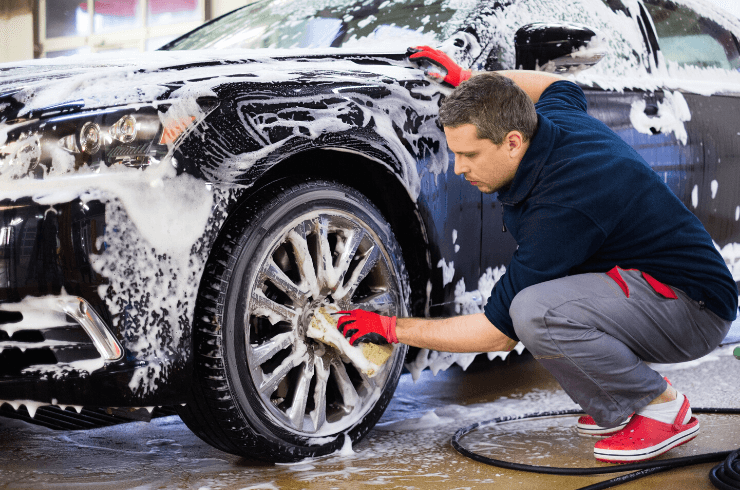
Credit: www.washdoctors.co.uk
Temperature Limits For Car Wash
Knowing the temperature limits for washing your car is crucial to avoid damage and ensure a thorough clean. Washing your vehicle in extreme cold can lead to unexpected problems that affect both the car’s finish and your safety. Understanding these limits helps you decide the best time and method to wash your car during chilly weather.
Safe Temperature Range
The ideal temperature for washing your car usually falls between 40°F (4°C) and 90°F (32°C). Within this range, water and soap rinse off easily, and the car dries quickly, reducing the chance of water spots. You can wash your vehicle outside or in an unheated garage without worrying about freezing or rapid evaporation.
Many people don’t realize that even temperatures slightly above freezing can be risky if water stays on the surface too long. Using warm water instead of cold can help prevent ice from forming on your car during the wash. Have you ever noticed how your windshield freezes faster after a wash on a cold morning? That’s exactly why sticking to the safe range is important.
Risks Below Freezing
Washing your car when the temperature drops below 32°F (0°C) introduces several risks. Water can freeze instantly on your car’s surface, locking dirt and soap into the paint or causing ice patches that may scratch the finish when rubbed. Frozen doors, locks, and handles are also common problems after a cold wash.
Moreover, car wash equipment and hoses may freeze or break, leading to interruptions or costly repairs. If you must wash your car in freezing weather, consider using a heated indoor facility or a professional touchless wash that uses antifreeze agents. Would you risk damaging your car just to get it clean on a frosty day?
Effects Of Cold Weather On Car Wash
Cold weather affects car washing in several important ways. Low temperatures create challenges that can harm your vehicle and the washing process. Understanding these effects helps you protect your car and avoid damage.
Water Freezing Issues
Water freezes quickly in cold weather, causing problems during a car wash. Frozen water can block hoses and nozzles, stopping the flow. Ice can form on the car surface, making cleaning difficult. Frozen water also increases the risk of slipping on wet surfaces.
Damage To Car Surfaces
Cold temperatures make car paint and glass more fragile. Washing a car in freezing weather can cause cracks or chips. Dirt and salt stuck on the car can freeze and scratch the paint. Using hot water on a cold car may cause thermal shock, damaging the surface.
Impact On Car Wash Equipment
Cold weather strains car wash equipment. Water lines and pumps can freeze and break. Machines may not work properly in freezing conditions. Ice buildup can cause mechanical failures. Regular maintenance is needed to keep equipment running in cold weather.
Choosing The Right Car Wash In Winter
Winter poses unique challenges for car maintenance. Snow, ice, and road salt can damage your vehicle's exterior. Choosing the right car wash in winter is crucial to protect your car and keep it looking its best. Not every car wash is suitable for cold weather, so knowing your options is key.
Automatic Vs Hand Wash
Automatic car washes offer speed and convenience. They use machines to clean your car, which is quick and efficient. Many automatic washes use warm water, which helps in freezing temperatures. But, they can sometimes be harsh on your car's paint. Hand wash, on the other hand, allows for a more gentle clean. It gives you control over pressure and soap used. This method is often better for delicate finishes.
Indoor Car Wash Benefits
Indoor car washes provide a controlled environment, free from harsh winter elements. They offer consistent cleaning regardless of outside temperature. Indoor facilities often have better drying equipment, which prevents water from freezing on your car. This reduces the risk of ice damage and keeps your vehicle spotless and protected.
Winter Car Wash Tips
Keeping your car clean during winter can be tricky, especially when temperatures drop below freezing. You might wonder if washing your car in such cold weather could cause more harm than good. With the right approach, a winter car wash not only maintains your vehicle’s appearance but also protects it from salt and grime that can cause rust.
Pre-wash Preparations
Before you start washing, check the weather forecast to avoid freezing rain or snow immediately after. Make sure your car is parked in a spot shielded from the wind to prevent water from freezing too quickly.
Remove any loose dirt or salt using a soft brush or cloth. This helps reduce the risk of scratching your paint when you apply water and soap. Have all your supplies ready, so you can work efficiently and avoid long exposure to cold.
Using Proper Cleaning Products
Choose car wash soaps that are designed for cold weather; these formulas resist freezing and provide better cleaning power against winter grime. Avoid household detergents, as they can strip protective wax from your car’s surface.
You might want to use a foam cannon or spray to apply soap, as it clings better to the car and loosens dirt without scrubbing too hard. This reduces the chance of damaging your paint in freezing temperatures.
Drying Techniques
After rinsing, dry your car thoroughly to prevent water from freezing on the surface or in door seals. Use microfiber towels or a car dryer to absorb water quickly and avoid streaks.
Pay special attention to door jambs, mirrors, and other crevices where water can hide and freeze later. Have you ever tried opening a car door only to find it frozen shut? Drying carefully can help you avoid that frustrating situation.
Protecting Your Car After Washing
After washing your car in cold weather, protecting it becomes just as important as cleaning it. Water left on your car can freeze quickly, leading to damage if you're not careful. Taking the right steps to shield your vehicle helps maintain its appearance and prevents costly repairs.
Wax And Sealants
Applying wax or sealants creates a protective barrier on your car’s paint. This layer repels water and prevents it from freezing directly on the surface. A good quality wax can also reduce dirt buildup, making your next wash easier.
Have you noticed how wax makes water bead up and roll off? That’s exactly the effect you want in winter to avoid ice sticking to your paint. Try to wax your car before the coldest days hit for the best protection.
Avoiding Ice Formation
Ice can cause scratches and chips when it melts and refreezes on your car. To stop this, dry your car thoroughly after washing, especially around door seals and windows. Leaving your car in a garage or covered area during freezing temperatures also helps.
Using a spray-on ice repellent on windows and locks can save you time and frustration. It’s a simple trick that prevents ice from sticking and damaging sensitive parts. Have you ever struggled with frozen door locks? This step can make a big difference.
Regular Maintenance
Cold weather demands more frequent checks and upkeep. Inspect your car’s rubber seals and weather stripping regularly to ensure they are flexible and intact. Cracked or brittle seals allow moisture inside, increasing the risk of ice damage.
Keep your windshield wipers in good shape and top off washer fluid with a winter formula. These small actions keep your visibility clear and your car safe on icy roads. Think about how these habits can save you time and hassle during winter drives.

Credit: blog.napacanada.com
Alternatives When It's Too Cold
When temperatures drop too low for a traditional car wash, you don’t have to leave your vehicle covered in grime until spring. There are smart alternatives that protect your car’s finish without risking damage from freezing water or icy conditions. These options keep your car looking good and help you avoid costly repairs caused by neglect during the cold months.
Spot Cleaning
Spot cleaning targets only the dirtiest areas of your car instead of washing the entire vehicle. Using a soft cloth or sponge with warm water, you can remove road salt, bird droppings, and mud spots that could harm your paint.
This method reduces the risk of water freezing on your car’s surface because you use less water overall. It’s quick and effective, especially after a short drive on salted roads. Have you noticed how a small patch of salt can eat into paint if ignored? Spot cleaning stops that damage early.
Using Waterless Wash Products
Waterless wash products are designed to clean your car without rinsing with water, making them perfect for freezing weather. These sprays lift dirt and grime safely from the paint, allowing you to wipe it away with a microfiber cloth.
They save time, water, and prevent ice buildup on your vehicle. I’ve used waterless wash sprays during winter nights when outdoor taps are frozen, and my car stayed spotless without any freezing hazards. Could this be your go-to solution for cold-weather car care?

Credit: www.usatoday.com
Frequently Asked Questions
How Cold Is Too Cold For A Car Wash?
Car wash temperatures below 32°F (0°C) are generally too cold. Freezing water can damage your car’s paint and lock doors. It’s best to avoid washing your car outdoors in freezing conditions to prevent ice formation and protect your vehicle.
Can Cold Weather Damage My Car During Washing?
Yes, cold weather can cause water to freeze on your car. Frozen water can crack paint, freeze locks, and damage seals. Using warm water and drying your car quickly helps prevent damage in cold weather conditions.
Is An Automatic Car Wash Safe In Freezing Temperatures?
Automatic car washes are usually safer as they use warm water and controlled conditions. However, if the outside temperature is extremely low, ice can still form. Check if the car wash operates in heated environments during winter for optimal safety.
Should I Use Warm Water For Washing In Cold Weather?
Yes, warm water helps dissolve dirt and prevents freezing on your car. Avoid hot water as it can cause sudden temperature changes and damage paint. Warm water is the best balance to clean effectively without harming your car.
Conclusion
Cold weather can affect your car wash experience a lot. Water can freeze quickly on your car and ground. This makes washing risky and less effective. Washing your car in very cold weather may cause damage. Try to wash when temperatures stay above freezing.
Warm water and a heated garage help a lot. Keep your car clean, but stay safe in winter. Knowing how cold is too cold protects your car and you. Simple care keeps your car looking good all year.