
Are you ready to save time and money by installing your car battery yourself? It might sound tricky, but with the right steps, you can do it safely and quickly.
Imagine never having to wait for help or pay extra fees just to get your car started again. In this guide, you’ll discover simple instructions that anyone can follow, even if you’ve never worked on a car before. Keep reading, and by the end, you’ll feel confident handling your car battery like a pro.
Tools And Materials Needed
Installing a car battery requires the right tools and materials. Having these ready makes the process safe and smooth. Using the correct equipment avoids damage to your vehicle and battery.
Gather everything before starting. Check each tool for good condition. This preparation saves time and effort during installation.
Essential Tools
- Socket wrench set – for loosening and tightening bolts
- Battery terminal puller – helps remove old battery cables safely
- Wire brush or battery terminal cleaner – cleans corrosion
- Gloves – protect your hands from acid and dirt
- Safety glasses – shield your eyes from sparks or debris
- Battery carrier or strap – makes lifting the battery easier
- Voltmeter or multimeter – checks battery charge and connections
Choosing The Right Battery
Select a battery that fits your car’s make and model. Check the owner’s manual for specifications.
Look for the correct size, terminal layout, and power rating. This ensures proper fit and performance.
Consider battery type: lead-acid or AGM (Absorbent Glass Mat). AGM batteries last longer and resist vibration better.
Check the battery’s cold cranking amps (CCA) rating. Higher CCA helps start the car in cold weather.
Credit: www.autobatteries.com
Safety Precautions
Installing a car battery involves more than just swapping out the old for the new. Your safety must be the top priority throughout the process. Batteries contain chemicals and electrical energy that can cause serious injury if handled carelessly.
Protective Gear
Always wear protective gear before you start. Safety goggles shield your eyes from unexpected splashes. Thick gloves protect your hands from sharp edges and corrosive substances.
I once skipped gloves and ended up with a painful acid burn that took days to heal. It’s not worth the risk—your skin and eyes are vulnerable.
Consider wearing long sleeves and closed-toe shoes to avoid skin exposure. These simple precautions create a barrier between you and potential hazards.
Handling Battery Acid
Battery acid is highly corrosive and can cause severe burns. Never touch battery acid directly, and avoid inhaling fumes. If acid spills, neutralize it immediately with a baking soda and water mixture.
Keep a clean rag and a container of baking soda nearby before you begin. This preparation helps you act quickly if an accident happens.
Think about where the acid can splash if the battery tips or leaks. Position yourself and the battery on a stable surface to minimize this risk. Are you ready to handle the battery with care and confidence?
Preparing Your Vehicle
Before installing a new car battery, preparation is key. Proper preparation ensures a smooth installation process. This part of the process involves a few simple steps that will make everything easier and safer.
Turning Off The Engine
Ensure the vehicle is parked on a flat surface. Engage the parking brake for safety. Turn off the engine completely. Remove the key from the ignition to prevent any electrical mishaps. This step ensures your safety during the battery installation.
Locating The Battery
Open the vehicle's hood using the release latch inside the car. Secure the hood with the prop rod to keep it open. Locate the battery, usually found on one side of the engine bay. Check for any covering or casing around the battery that needs removal. This makes accessing the battery terminals easier and safer.
Credit: autowiringpro.com
Removing The Old Battery
Removing the old battery is a key part of installing a new one. It ensures safety and prepares your car for the replacement. Follow these steps carefully to avoid damage or injury.
Disconnecting The Negative Terminal
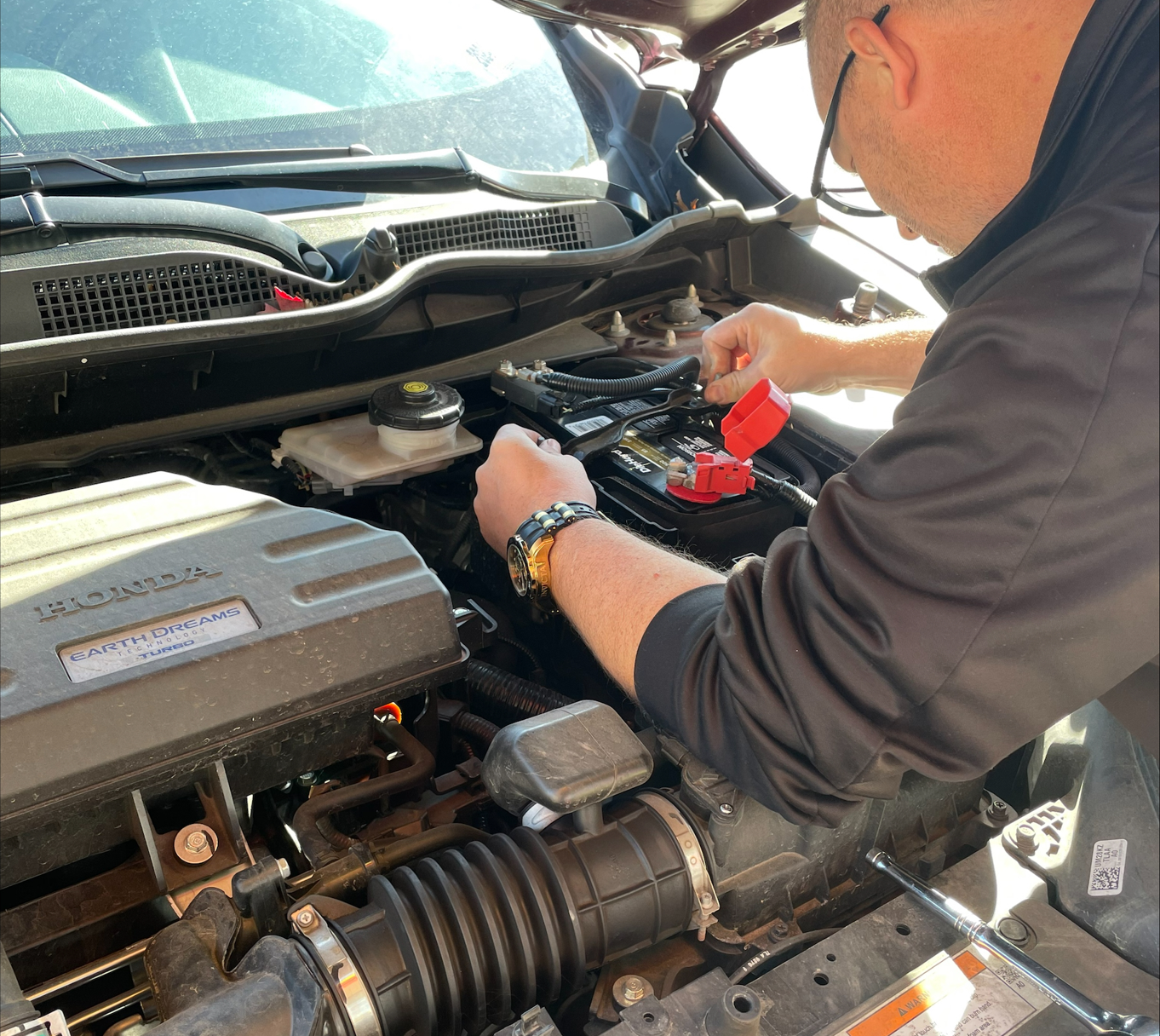
Locate the negative terminal, marked with a minus (-) sign. Use a wrench to loosen the nut on the negative terminal clamp. Carefully lift the cable off the battery post. Always disconnect the negative terminal first to prevent sparks.
Disconnecting The Positive Terminal
Find the positive terminal, marked with a plus (+) sign. Loosen the nut on the positive terminal clamp using a wrench. Gently remove the cable from the battery post. Keep the cables away from the battery to avoid contact.
Removing Battery Hold-downs
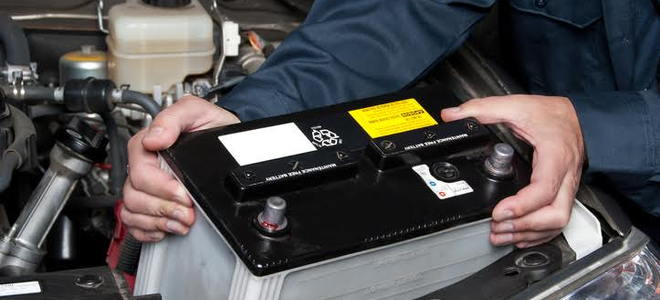
Identify the battery hold-down bracket securing the battery in place. Use the correct tool, often a socket wrench, to remove the hold-down bolts or clamps. Lift the battery straight up and out of the tray. Be careful; car batteries can be heavy.
Installing The New Battery
Installing a new car battery might seem straightforward, but getting each connection right is crucial for your vehicle’s performance and safety. This part of the process requires careful attention to detail and the correct sequence of steps. Let’s break down how to place and connect your new battery effectively.
Positioning The Battery
Start by carefully placing the new battery into the tray. Make sure the terminals align with their respective cables—positive to positive and negative to negative.
Check that the battery sits flat and snugly without tilting. A loose battery can cause damage or poor electrical contact. Have you noticed how even a small movement under the hood can affect your car’s function?
Connecting The Positive Terminal
Attach the positive cable first. It’s usually marked with a plus sign (+) or colored red. Secure the clamp firmly but avoid over-tightening, which can damage the terminal.
This step is vital because the positive terminal carries the electrical current to the car’s system. If you’ve ever had trouble starting your car due to a loose connection, this is often why.
Connecting The Negative Terminal
Next, connect the negative terminal, marked with a minus sign (–) or black color. This connection completes the circuit back to the battery.
Ensuring this terminal is tight helps prevent electrical shorts and protects your car’s electronics. Have you ever wondered why this connection is done last? It reduces the risk of sparks during installation.
Securing The Battery
Once both terminals are connected, secure the battery using the hold-down clamp or bracket. This keeps the battery in place during driving, especially on bumpy roads.
Double-check the battery doesn’t move by trying to wiggle it gently. A well-secured battery maintains consistent power flow and avoids damage from vibrations.
Final Checks
After installing your car battery, the final checks are crucial to make sure everything works smoothly. Skipping these steps can lead to poor performance or even damage. Taking a few extra minutes now can save you from unexpected headaches later.
Testing Battery Connection
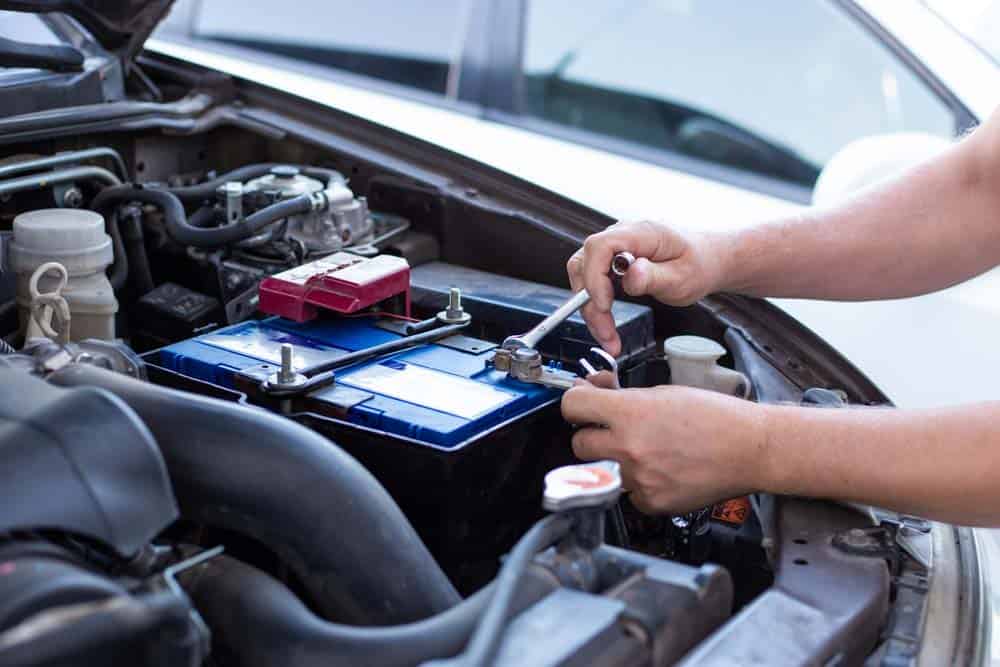
Once the battery is in place, ensure the terminals are tightly connected. Loose connections can cause your car to fail starting or create electrical issues. Use a wrench to snug the clamps firmly, but avoid over-tightening which might damage the battery posts.
Turn the ignition key and watch the dashboard lights carefully. Are they bright and steady, or flickering? Flickering lights often indicate a poor connection or a weak battery.
You can also test with a multimeter if you have one. A healthy, fully charged 12V car battery should read around 12.6 volts. If it’s significantly lower, your battery might need a charge or replacement.
Cleaning Up
After confirming the battery works well, clean the area around the battery. Remove any spilled acid or dirt to prevent corrosion and electrical shorts. Use a mixture of baking soda and water on a cloth for safe cleaning.
Dispose of old battery materials properly—never throw them in regular trash. Many auto shops accept used batteries for recycling. Keeping your workspace tidy is not just about looks; it protects your car and your safety.
Have you noticed any leftover debris or residue around your battery after installation? Taking care of it now helps keep your car running trouble-free and saves you time down the road.
Tips For Battery Maintenance
Keeping your car battery in top shape extends its life and saves you from unexpected breakdowns. Proper maintenance is simple and doesn’t require special tools. Just a little attention goes a long way to ensure your battery performs well every time you turn the key.
Regular Inspection
Check your battery at least once a month. Look for cracks, bulges, or leaks on the battery case. These signs could mean your battery is failing and needs replacement.
Also, test the battery voltage with a multimeter. A healthy battery should read around 12.6 volts when the car is off. If it's consistently lower, your battery might be weak or dying.
Don’t forget to inspect the battery terminals and cables. Loose or damaged connections can cause starting problems and reduce battery efficiency.
Preventing Corrosion
Corrosion on battery terminals is common and can block the electrical flow. You can spot it as a white, ashy substance around the terminals. Cleaning it regularly keeps your battery working smoothly.
Use a mixture of baking soda and water to clean corrosion safely. Apply the paste with an old toothbrush, scrub gently, then rinse with water and dry thoroughly. Wearing gloves protects your skin during this process.
After cleaning, apply a thin coat of petroleum jelly or a commercial terminal protector. This simple step prevents new corrosion from forming. Have you checked your battery terminals lately?
Credit: www.doityourself.com
Frequently Asked Questions
How Do I Safely Remove An Old Car Battery?
First, turn off the engine and wear safety gloves. Disconnect the negative cable, then the positive cable. Remove the battery hold-down clamp carefully. Lift the battery straight out to avoid acid spills. Always dispose of old batteries at recycling centers.
What Tools Do I Need To Install A Car Battery?
You need a wrench or socket set to loosen terminals. Use gloves and safety glasses for protection. A battery cleaning brush helps remove corrosion. Optionally, use a battery terminal protector spray to prevent rust.
How Do I Connect Car Battery Terminals Correctly?
Connect the positive (red) terminal first. Then connect the negative (black) terminal. Tighten both terminals securely but avoid over-tightening. This prevents sparks and ensures proper electrical connection for your car.
How Long Does It Take To Install A Car Battery?
Installing a car battery typically takes 15 to 30 minutes. Time depends on your experience and vehicle model. Proper preparation and safety precautions can speed up the process.
Conclusion
Installing a car battery is simple with the right steps. Always wear gloves and safety glasses. Connect the positive terminal first, then the negative. Tighten the clamps to avoid loose connections. Check that the battery sits securely in place. Clean any corrosion from the terminals before installation.
Testing the battery after installation helps ensure it works well. Following these steps keeps your car running smoothly. You can handle this task safely and confidently.