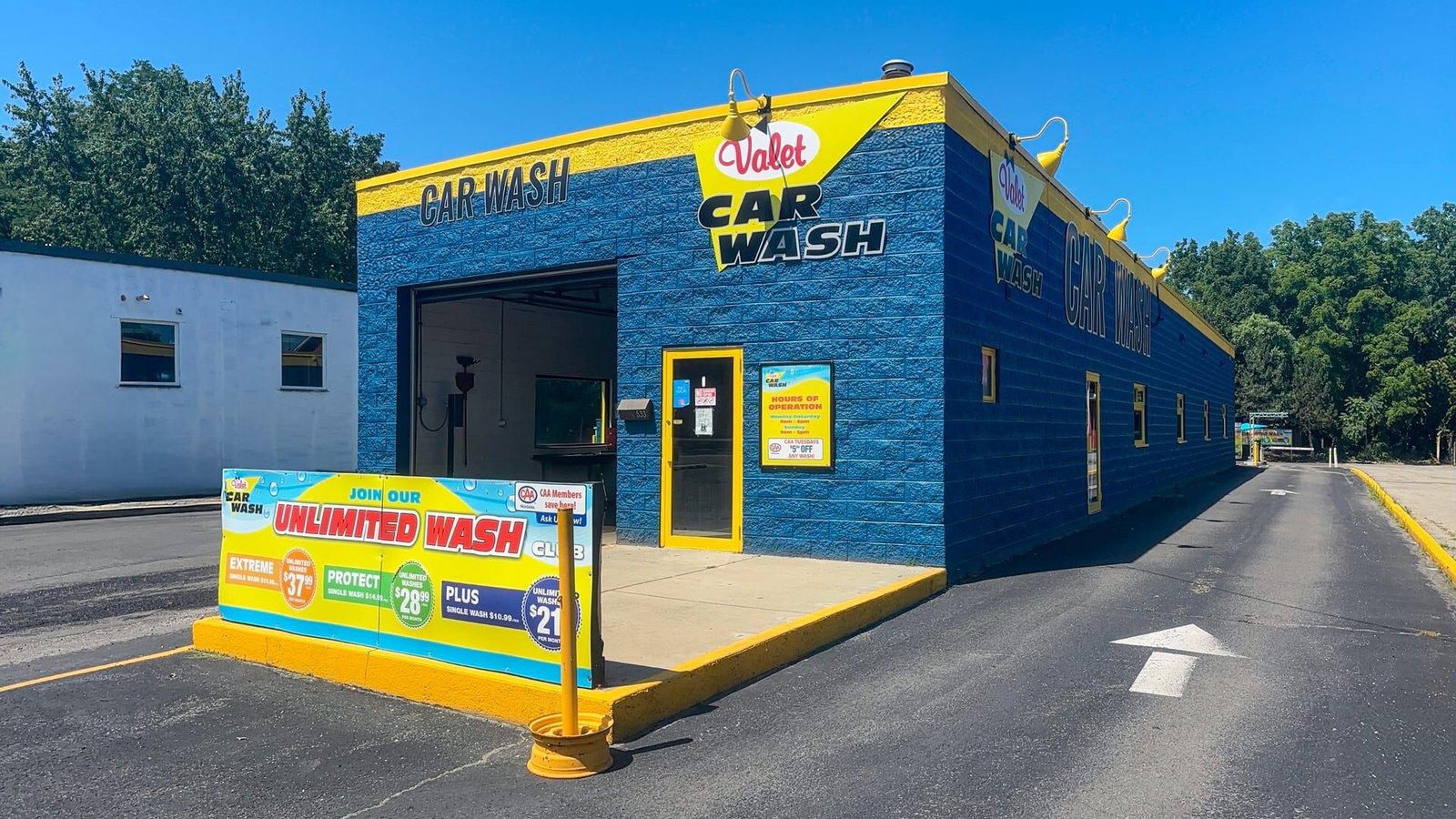


How often should you get a car wash? It’s a question many car owners wonder about.
Keeping your car clean isn’t just about looks—it protects your paint, maintains value, and even improves your driving safety. But washing too often or too little can both cause problems. You’ll discover the perfect balance for your car’s needs. By the end, you’ll know exactly when and why to wash your car to keep it looking great and lasting longer.
Keep reading to find out what your car really needs!
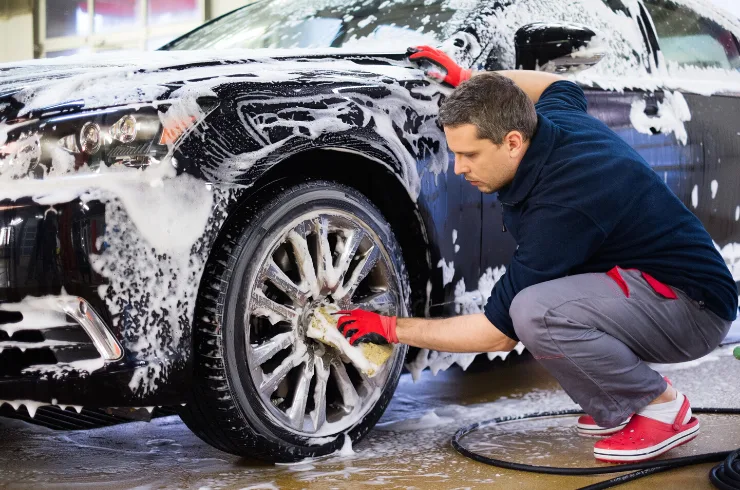
Credit: www.washdoctors.co.uk
Benefits Of Regular Car Washes
Regular car washes do more than just keep your vehicle looking shiny. They play a crucial role in maintaining your car’s condition and longevity. Understanding these benefits might change how often you decide to wash your car.
Protecting Your Car's Paint
Your car’s paint is constantly exposed to dirt, bird droppings, tree sap, and road salt. These contaminants can eat away at the protective clear coat, causing dullness and damage over time.
Regular washing removes these harmful substances before they cause lasting harm. Have you ever noticed how a freshly washed car seems to reflect light better? That’s the paint being preserved and protected.
Preventing Rust And Corrosion
Rust can start forming the moment dirt and moisture settle into tiny cracks or scratches on your car’s surface. If left unchecked, rust can spread and lead to costly repairs.
By washing your car regularly, you remove salt, mud, and grime that trap moisture. This simple habit can save you hundreds, if not thousands, in maintenance bills down the road.
Maintaining Vehicle Value
When you decide to sell or trade in your car, its appearance matters a lot. A well-maintained exterior signals to buyers that the vehicle has been cared for inside and out.
Regular car washes help keep your vehicle looking newer for longer. Would you pay more for a car that looks clean and well-kept? Most likely, yes—and so will potential buyers.
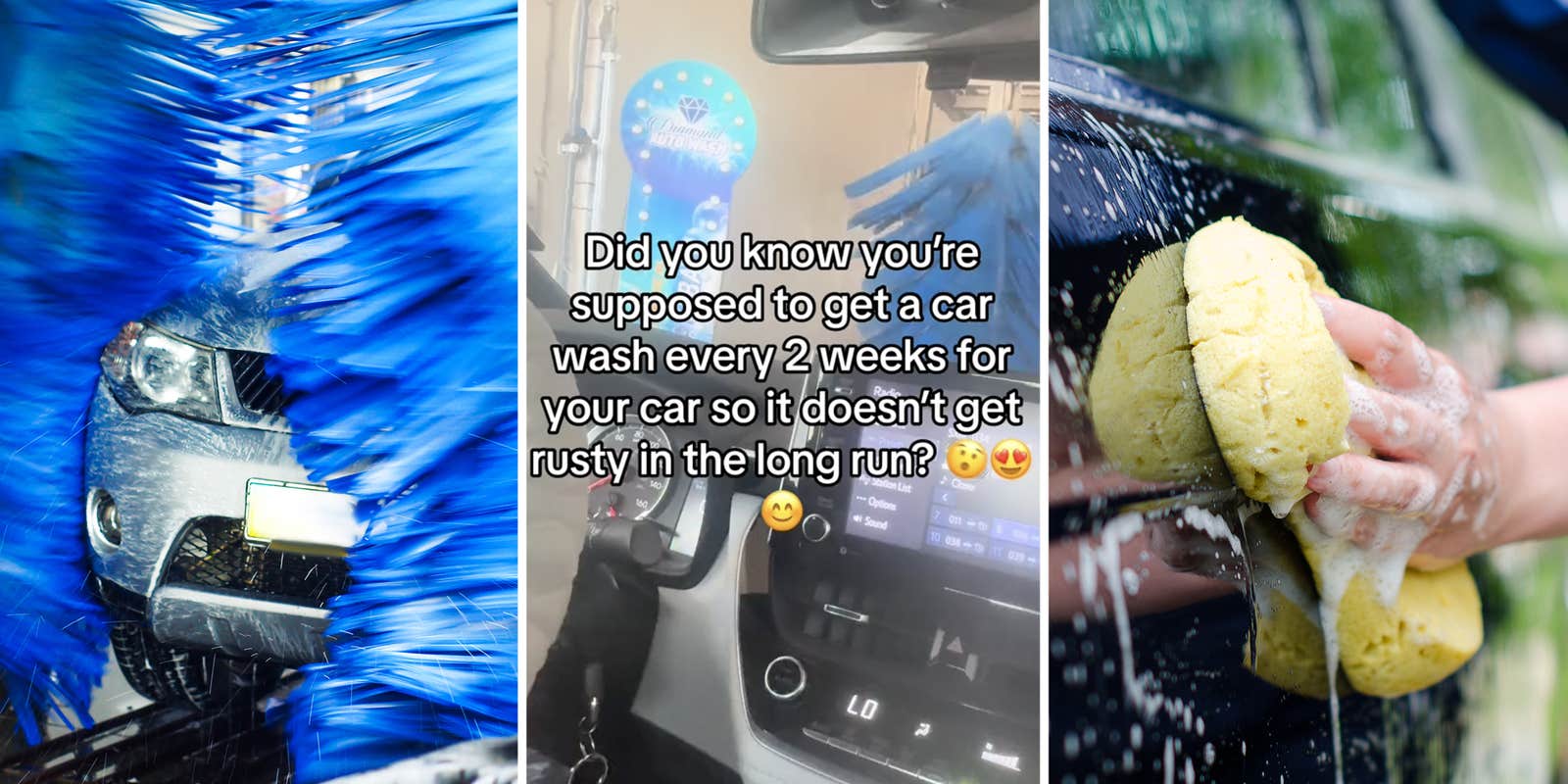
Credit: www.dailydot.com
Factors Influencing Wash Frequency
How often you should wash your car depends on several factors that affect how quickly dirt, grime, and contaminants build up on its surface. Understanding these factors helps you maintain your vehicle’s appearance and protect its paint over time. Let’s look at key influences that determine the right wash frequency for your car.
Local Weather Conditions
Weather plays a major role in how often your car needs a wash. If you live in an area with frequent rain or snow, your car is exposed to mud, salt, and other debris that can accelerate corrosion. Dry, dusty climates cause dirt to settle quickly, making your car look dull faster.
Think about the last time you drove through a muddy road after rain—did your car look clean afterward? That’s a clear sign you might need to wash it more often during certain seasons. Harsh winters with road salt require washing at least once a week to prevent rust damage.
Driving Habits And Environment
How and where you drive affects your car’s cleanliness. Daily city driving exposes your vehicle to pollution, bird droppings, and road grime, which can build up quickly. On the other hand, if you mostly drive on highways or rural roads, your car might stay cleaner longer but can still accumulate bugs and dirt.
Do you park under trees? Tree sap and bird droppings can damage your paint if not washed off quickly. Consider your usual routes and parking spots—these details help decide how often to schedule washes.
Type Of Vehicle And Paint
Your car’s paint type and finish also influence wash frequency. Dark-colored cars show dirt, dust, and water spots more clearly, so they often need more frequent cleaning. Matte or special finishes require gentle washing and specific products, so frequent washing might not always be ideal.
For example, a white or silver car can hide dust better but still collects grime that affects the paint over time. Knowing your vehicle’s paint characteristics helps you choose the right washing schedule to keep it looking fresh without causing damage.
Recommended Car Wash Schedules
Knowing how often to wash your car can save you time, money, and keep your vehicle looking fresh. The right schedule depends on your lifestyle, where you live, and how you use your car daily. Let’s look at some recommended car wash schedules that fit different needs.
Weekly Wash Routine
If you drive daily or park outside, washing your car every week helps protect the paint and finish. Dirt, bird droppings, and road salt can damage your car’s surface quickly. A weekly wash keeps grime from building up and makes your car shine consistently.
Think about how often you encounter rain or dusty roads. If you notice your car looks dull or feels gritty to the touch, it’s a sign to wash it more often. Many car enthusiasts swear by this routine because it keeps their vehicles in showroom condition.
Biweekly And Monthly Options
Not everyone has time for weekly washes. Washing your car every two weeks or once a month can work if you mostly park in a garage and avoid harsh conditions. It still prevents dirt and debris from causing long-term damage.
Try to inspect your car regularly between washes. Spot cleaning with a quick wipe can extend the time between full washes. This schedule suits people with less frequent driving or those living in mild climates.
Seasonal Adjustments
Your car wash routine should change with the seasons. Winter requires more frequent washing to remove salt and grime that cause rust. In spring and fall, washing every two weeks helps clear pollen and dust.
Summer might mean fewer washes unless you drive on dusty roads or near the ocean. Adjust your schedule based on weather and road conditions to keep your car protected year-round. How might your local climate change your car wash routine?
Choosing The Right Wash Method
Choosing the right wash method depends on your car’s condition and environment. Regular hand washes protect paint better, while automatic washes save time. Consider your budget and how often dirt builds up to decide.
Choosing the right wash method for your car can be as important as how often you wash it. The right technique not only ensures a gleaming finish but also protects the car’s paint and prolongs its lifespan. Let’s dive into some essential aspects of choosing your wash method.
Hand Wash Vs. Automatic Wash
Deciding between a hand wash and an automatic wash can be tough. Hand washing gives you more control, allowing you to focus on stubborn spots and delicate areas. However, it’s time-consuming and requires effort. Automatic washes, on the other hand, offer convenience and speed. They are great for a quick clean, but some might worry about potential scratches from brushes. Consider your priorities: do you value the personal touch or the convenience of automation?
Using Proper Cleaning Products
Using the right cleaning products can make a world of difference. Look for car-specific shampoos and waxes instead of household cleaners. These products are designed to protect your car's finish without stripping away protective layers. I once used dish soap in a pinch, and it dulled the paint over time. Investing in quality products can save you from costly repairs later.
Avoiding Common Washing Mistakes
Even with the best intentions, mistakes happen. Avoid washing your car in direct sunlight, as it can cause soap to dry too quickly and leave spots. Another common error is using abrasive materials like old towels, which can scratch the paint. Have you ever thought about the water pressure? High-pressure hoses might remove dirt effectively but can also damage seals and delicate parts. Think about these factors next time you wash your car.
Additional Care Tips For A Lasting Shine
Keeping your car's shine fresh goes beyond regular washing. You need to add extra care steps that protect and enhance your vehicle's appearance. These simple actions can make a big difference in how long your car looks clean and polished.
Waxing And Polishing
Waxing your car creates a protective layer that repels dirt and water. It also helps prevent paint fading from sun exposure. Polishing removes minor scratches and smooths the surface, making your car gleam like new.
Try waxing every 3 to 4 months for best results. Polishing can be done a couple of times a year or when you notice dullness. Using a quality wax and polish product tailored for your car’s paint type will give you a better finish.
Interior Cleaning
Your car’s interior needs attention too. Dust and dirt settle quickly, so vacuuming seats and carpets weekly keeps things fresh. Wiping down surfaces with a damp cloth removes grime and prevents buildup.
Don’t forget to clean windows inside and out for a clearer view. Using a protectant on leather or vinyl surfaces helps avoid cracking and fading over time. How often do you check your car’s interior for hidden dirt?
Protecting Against Environmental Damage
Environmental factors like bird droppings, tree sap, and road salt can harm your car’s paint. Removing these contaminants quickly prevents permanent damage. Carry a small spray bottle of water and microfiber cloth in your car for spot cleaning emergencies.
Parking in a shaded area or using a car cover shields your vehicle from UV rays and weather elements. These habits extend your car’s shine and save you money on repairs. What’s your strategy for protecting your car when you can’t avoid outdoor parking?

Credit: www.consumerreports.org
Frequently Asked Questions
How Often Should I Wash My Car For Best Results?
Washing your car every two weeks is ideal. This frequency prevents dirt buildup and protects the paint. However, wash more often if you drive in harsh conditions or salty areas.
Does Frequent Car Washing Damage The Paint?
Frequent washing does not harm paint if done correctly. Use gentle soap and a soft cloth. Avoid harsh chemicals and abrasive materials to keep your paint safe.
Can Car Washing Prevent Rust And Corrosion?
Yes, regular washing removes dirt, salt, and grime. These substances cause rust and corrosion over time. Keeping your car clean extends its lifespan and maintains its value.
Is Hand Washing Better Than Automatic Car Washes?
Hand washing is gentler and more thorough. Automatic washes can cause minor scratches or miss spots. Hand washing helps protect your car’s finish and keeps it looking newer.
Conclusion
Regular car washes keep your vehicle clean and protect its paint. Dirt and grime can cause damage over time. Washing every two weeks is a good rule for most cars. In rainy or snowy areas, more frequent washes help prevent rust.
A clean car looks better and lasts longer. Remember, simple care saves money on repairs later. Keep your car shining with regular washes. Your vehicle will thank you with a fresh, bright look. Easy steps, big benefits.