
Is your car battery dying faster than it should? You might be dealing with a parasitic draw—a hidden power drain that slowly saps your battery when your car is off.
Finding this problem can feel tricky, but you don’t have to be a mechanic to check for it yourself. You’ll learn simple, clear steps to detect parasitic draw and protect your battery from unexpected failure. Keep reading to save time, money, and avoid the frustration of a dead battery when you least expect it.
What Is Parasitic Draw
Parasitic draw is a hidden drain on your car’s battery that happens even when the engine is off. It quietly uses power from the battery, which can leave you stranded with a dead battery at the worst time. Understanding what parasitic draw is can save you time and money on unexpected jump-starts or battery replacements.
What Causes Parasitic Draw?
Many electrical components in your car need a small amount of power to keep settings like the clock or alarm system active. However, problems arise when something draws more power than it should. Common causes include:
- Faulty interior lights that stay on
- Aftermarket accessories like stereo systems
- Malfunctioning relays or switches
- Glitches in electronic control units (ECUs)
Have you ever left your car parked overnight only to find the battery dead the next morning? This unexpected drain is often due to parasitic draw.
How Does Parasitic Draw Affect Your Car Battery?
Even a small, continuous drain can kill a battery over several hours or days. Your battery is designed to provide a burst of power to start the engine, not to power electronics continuously. When parasitic draw is present, the battery slowly loses its charge, reducing its lifespan and reliability.
Why Should You Check For Parasitic Draw?
Ignoring parasitic draw can leave you with a dead battery at inconvenient times, like early mornings or late nights. Regularly checking for parasitic draw helps you catch electrical problems early, preventing costly repairs. It’s a simple step that keeps your car ready to start whenever you are.
Credit: www.defendersource.com
Common Causes Of Parasitic Draw
Parasitic draw happens when your car’s electrical system continues to use power even after the engine is off. This slow drain can leave your battery dead and your car refusing to start. Understanding the common causes of parasitic draw can help you spot the problem before it becomes a costly headache.
Faulty Electrical Components
Sometimes, a simple electrical part like a dome light, glove box light, or trunk light can stay on without you realizing it. A bulb that doesn’t switch off properly or a wiring short can drain your battery overnight. Have you ever left your car with the interior lights on by accident? That’s a classic example of how a small issue can cause a big drain.
Aftermarket Accessories
Adding non-factory items like alarms, stereo systems, or GPS trackers can increase your car’s power consumption. Poorly installed or defective aftermarket accessories may draw power continuously. If you’ve recently added something new, it’s worth checking if it’s causing an unexpected battery drain.
Malfunctioning Relays
Relays act like switches controlling different electrical circuits in your vehicle. When a relay gets stuck “on,” it keeps sending power to certain parts even when the car is off. This silent power leak is tricky to detect, but it often leads to parasitic draw without obvious signs.
Signs Of Battery Drain
A car battery drain can be frustrating and inconvenient. Recognizing the signs early helps prevent major issues. Here are some common symptoms indicating a battery drain.
Slow Engine Crank
A slow engine crank is a major sign of battery drain. When you turn the key, the engine struggles to start. It takes longer than usual for the car to start. This indicates insufficient power from the battery. This issue can leave you stranded if not addressed.
Dim Lights
Dim lights are another indicator of a battery problem. Headlights appear weaker than usual. Interior lights may also lose brightness. This happens because the battery cannot provide enough power. Dimming lights can affect your visibility and safety on the road.
Frequent Jump Starts
If you need frequent jump starts, your battery is likely draining. A healthy battery should not need regular jump starts. This suggests a persistent issue causing power loss. Addressing the problem can save you time and hassle in the future.
Tools Needed For Testing
Before you start testing for parasitic draw on your car battery, gathering the right tools is crucial. The effectiveness of your diagnosis depends heavily on the quality and suitability of your equipment. Let’s look at the essentials you'll need to get accurate and safe results.
Multimeter Selection
A multimeter is your primary tool for measuring electrical current in your car’s battery circuit. Not all multimeters are created equal, so choosing one with the right features is key. Look for a multimeter that can measure DC amperage with a range capable of detecting small currents, often as low as milliamps.
I once used a basic multimeter that couldn’t detect low current draws, which led me to believe there was no parasitic drain. Upgrading to a more sensitive model revealed a tiny but persistent draw that was killing my battery overnight. This experience highlights why investing in a quality multimeter pays off.
Check if the multimeter has a clamp feature; it allows you to measure current without disconnecting the battery cables, making the process quicker and safer. Brands like Fluke, Klein Tools, and Extech offer reliable meters suitable for automotive diagnostics.
Safety Gear
Working with your car’s electrical system involves risks, so wearing safety gear is non-negotiable. Start with insulated gloves to protect your hands from accidental shocks and burns. Eye protection is equally important because sparks or battery acid can cause serious injuries.
Have you ever experienced a sudden spark while probing your car’s battery? It’s startling and potentially dangerous. Wearing safety glasses will shield your eyes and give you confidence as you test circuits under the hood.
Additionally, make sure your workspace is well-ventilated and free of flammable materials. Keeping a fire extinguisher nearby is a smart precaution. Taking these safety measures ensures you can focus on diagnosing the parasitic draw without unnecessary hazards.
Step-by-step Testing Process
Checking for a parasitic draw on your car battery can save you from unexpected breakdowns and costly repairs. The process involves carefully measuring the current flowing when your car is off to spot any unusual battery drain. Let’s break down the testing process into clear, manageable steps so you can tackle this issue with confidence.
Prepare The Vehicle
Start by turning off all electrical components—lights, radio, and climate control. Remove the key from the ignition to ensure the car is completely powered down. This prevents any normal current flow from affecting your test results.
Next, open the hood and locate the battery terminals. Make sure you have easy access to both the positive and negative terminals since you’ll need to connect your multimeter here. Safety first: wear gloves and eye protection while working around the battery.
Set Up The Multimeter
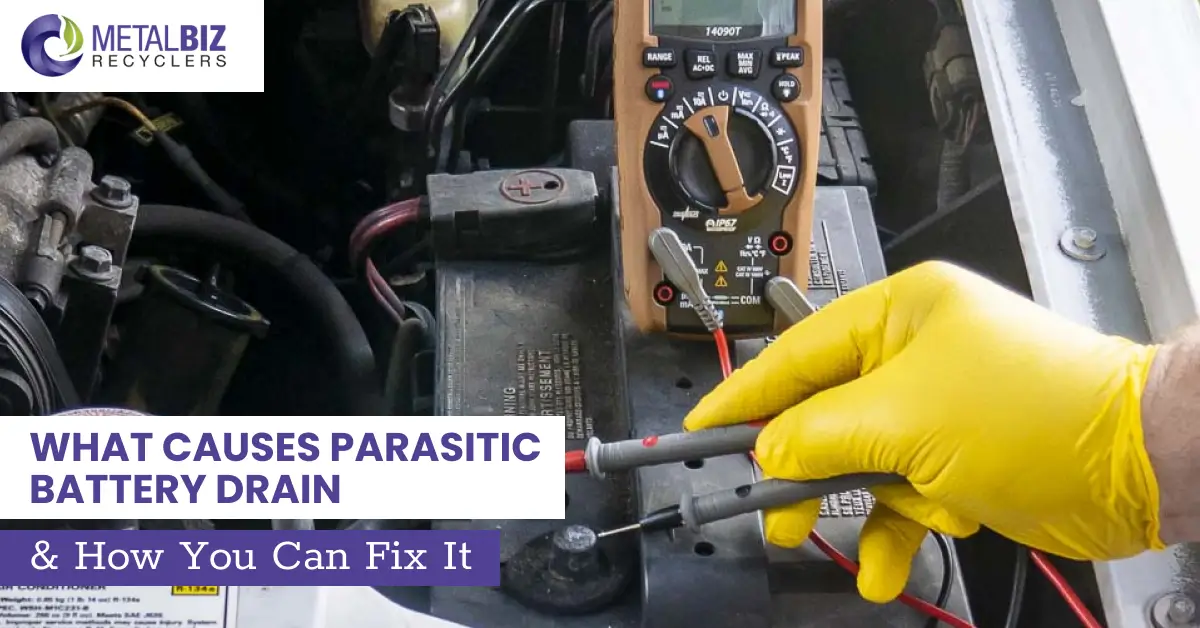
Use a digital multimeter capable of measuring current in amps or milliamps. Set the dial to the highest current range available to avoid damaging the meter. If your meter has a specific “DC current” setting, select that to get accurate readings.
Before connecting, ensure the multimeter leads are plugged in correctly—positive lead in the amp socket and negative lead in the common socket. This setup is crucial for reliable measurements and to prevent electrical hazards.
Measure Current Draw
Disconnect the negative battery cable carefully. Connect the multimeter leads in series between the negative battery post and the disconnected cable. This way, the current flowing out of the battery passes through the meter.
Wait for about 5 to 10 minutes to allow all vehicle systems to enter sleep mode. Watch the reading on the multimeter closely. A typical parasitic draw ranges from 25 to 50 milliamps; anything higher suggests an abnormal drain.
Identify Excessive Drain
If your multimeter shows a current draw above the normal range, you need to find the source. Start by pulling fuses one at a time and observing any drop in current on the meter. When the current decreases significantly, the circuit you just disconnected is likely causing the drain.
Mark the faulty circuit and inspect it further for any stuck relays, lights, or aftermarket devices that remain powered. Have you checked your glove box or trunk lights lately? Sometimes simple things are the culprits. Pinpointing the exact source saves time and money on repairs.
Credit: www.clubfrontier.org
Pinpointing The Drain Source
Pinpointing the source of a parasitic draw on your car battery can feel like searching for a needle in a haystack. Yet, with some patience and the right approach, you can isolate the exact circuit or component causing the unwanted battery drain. This step is critical because identifying the culprit saves you from unnecessary repairs and keeps your vehicle reliable.
Removing Fuses One By One
Start by turning off your car and ensuring all accessories are off. Then, use a multimeter set to measure current draw and connect it in series with the battery. Begin removing fuses one at a time from the fuse box.
Watch the multimeter closely after pulling each fuse. If the current draw drops significantly, you’ve found the circuit causing the drain. Make a note of that fuse’s label or location so you can investigate further.
This method is simple but effective. It narrows down the problem to a specific system, such as interior lights, radio, or alarm system. Have you ever been surprised by what minor component was draining your battery?
Testing Individual Circuits
Once you identify the suspect fuse, dive deeper into that circuit. You can test individual components by disconnecting them one by one while monitoring the multimeter.
For example, if the fuse controls your car’s interior lighting, unplug the dome light and check the draw again. If the current drops, you’ve found the exact part causing the drain. If not, move on to the next component in that circuit.
Keep track of each test to avoid confusion. This detailed approach helps you avoid replacing parts blindly and saves money. What’s the most unexpected part you’ve found faulty in your car’s electrical system?
Fixing Common Issues
Fixing common issues related to parasitic draw on your car battery often means digging into the electrical system to find what’s causing the unwanted power drain. It can be frustrating when your battery keeps dying, but understanding how to address these problems can save you time and money. Let’s look at practical ways to get your car’s battery back to normal.
Replacing Faulty Components
Sometimes, a single faulty part can drain your battery overnight. Components like door switches, interior lights, or aftermarket alarms often fail and stay on without you realizing it.
Start by identifying parts that show signs of wear or malfunction. Replacing these components is usually straightforward and can stop the drain immediately.
Have you checked if your trunk light or glove box light stays on? These small bulbs are common culprits and easy to replace.
Addressing Wiring Problems
Wiring issues can cause unexpected battery drain by creating short circuits or allowing current to flow when it shouldn’t. Look for damaged insulation, loose connections, or corrosion around battery terminals and fuse boxes.
Using a multimeter, you can test the continuity of wires and find breaks or shorts. Fixing wiring problems often involves cleaning contacts or replacing damaged wires.
Remember, even a tiny exposed wire touching the car’s metal frame can cause a parasitic draw. Are you confident your wiring is secure and well-insulated?
Resetting Modules
Modern cars have many electronic modules that sometimes glitch and cause power drain. Resetting these modules can clear errors and stop unnecessary battery usage.
You can reset modules by disconnecting the battery for 10-15 minutes or using a scan tool to clear fault codes. This simple step can often solve the problem without needing replacement parts.
Have you tried a module reset before replacing expensive components? It might save you a trip to the mechanic.
Preventing Future Parasitic Draw
Preventing future parasitic draw is key to keeping your car battery healthy. A parasitic draw happens when electrical components use power even after the engine is off. This drains the battery and can leave you stranded. Simple habits and regular checks help avoid this problem.
Regular Maintenance Tips
Check your battery and electrical system regularly. Clean battery terminals to stop corrosion. Tighten loose connections to ensure good contact. Replace old or damaged cables promptly. Test your battery’s voltage every few months. Keep an eye on warning signs like dim lights or slow starts. These small actions prevent power loss and extend battery life.
Proper Use Of Accessories
Turn off all accessories before leaving your car. This includes lights, radio, and chargers. Avoid using too many devices at once when the engine is off. Unplug phone chargers or GPS units if not in use. Use power-saving modes for your car’s electronics. Proper use reduces unnecessary battery drain and protects your car’s electrical system.
Credit: www.silveradosierra.com
Frequently Asked Questions
What Is Parasitic Draw On A Car Battery?
Parasitic draw is when electrical devices drain your car battery while the engine is off. It can cause battery failure and starting problems.
How Do I Test For A Parasitic Draw?
Use a multimeter set to measure current. Disconnect the negative battery cable and connect the meter between the cable and battery terminal to check for draw.
What Causes Parasitic Draw In Vehicles?
Common causes include faulty lights, aftermarket accessories, and malfunctioning electronics. These components continue to consume power even when the car is off.
How Much Parasitic Draw Is Normal?
A normal parasitic draw is usually below 50 milliamps. Anything above this can drain your battery and indicate a problem.
Conclusion
Checking for parasitic draw helps keep your car battery healthy. A simple test can find hidden battery drains fast. Catching problems early saves time and money. Use a multimeter to measure current flow carefully. Disconnect devices one by one to spot the culprit.
Regular battery checks prevent unexpected car troubles. Stay alert to signs like dim lights or slow starts. Taking small steps today avoids bigger issues tomorrow. Your car will thank you with reliable starts every time.