
Your car’s radiator fins play a crucial role in keeping your engine cool and running smoothly. But over time, dirt, bugs, and debris can clog these delicate fins, reducing their efficiency and risking engine overheating.
If you want to avoid costly repairs and keep your car performing at its best, learning how to clean your radiator fins properly is essential. In this guide, you’ll discover simple, effective steps to restore your radiator’s airflow and boost your car’s cooling power.
Keep reading—your engine will thank you.

Credit: autosparkzone.com
Signs Of Dirty Radiator Fins
Dirty radiator fins can cause serious problems for your car’s cooling system. Knowing the signs can help you catch issues early and avoid costly repairs. Here are some clear indicators that your radiator fins need cleaning.
Reduced Cooling Efficiency
You might notice your car’s air conditioning isn't as cold as before or the engine temperature gauge stays higher than usual. Clogged radiator fins block airflow, reducing the radiator’s ability to cool the engine. If your vehicle feels like it’s working harder on hot days, it’s a strong sign the fins need attention.
Overheating Engine
An overheating engine is a serious warning that something is wrong with your cooling system. Dirty or bent radiator fins prevent heat from escaping, causing the engine temperature to rise quickly. Have you ever been stuck on the side of the road with steam coming from under the hood? That’s often due to poor radiator fin condition.
Visible Dirt And Debris
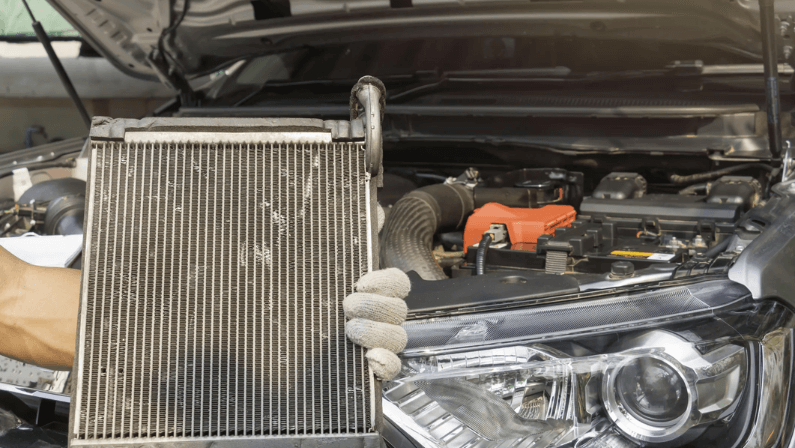
Take a close look at the front of your radiator. Dust, leaves, bugs, and other debris can get trapped between the fins. Sometimes, you might even see bent or damaged fins. This visible buildup is a clear sign that cleaning is overdue to keep your radiator working properly.
Credit: www.k1600forum.com
Tools Needed For Cleaning
Cleaning car radiator fins requires the right tools to avoid damage. Using proper equipment helps you clean efficiently and safely. Gather the tools before starting to save time and effort.
Soft Brush
A soft brush removes dirt and debris gently from radiator fins. Choose one with soft bristles to avoid bending the fins. A small paintbrush or a detailing brush works well for this task.
Garden Hose Or Pressure Washer
Water rinses away loosened dirt and dust from radiator fins. A garden hose with moderate pressure is safe for delicate fins. A pressure washer can work, but use a low-pressure setting to prevent damage.
Protective Gear
Protective gear keeps you safe while cleaning the radiator fins. Wear gloves to protect hands from sharp edges. Safety glasses shield your eyes from dirt and water spray. Long sleeves prevent skin irritation from debris.
Preparing Your Car
Start by turning off the engine and letting the car cool completely. Gently remove debris from the radiator fins using a soft brush or low-pressure water. Take care to avoid bending the delicate fins while cleaning.
Preparing your car is crucial before cleaning the radiator fins. This ensures safety and effectiveness. Begin with a few simple steps. They help set the stage for a smooth cleaning process. Let’s dive into the essentials.
Ensure Engine Is Cool
Never start with a hot engine. Let it cool completely. Heat can cause burns. Touch the hood gently. If it feels warm, wait. A cool engine protects you and the car. Safety first.
Park On A Level Surface
Find a flat spot. Avoid slopes. A level surface prevents accidents. It keeps the car stable. You can work without worry. Make sure the brakes are set. Stability is key.
Disconnect The Battery
Safety is important. Disconnect the battery before cleaning. It prevents electrical shocks. Use a wrench to loosen the terminals. Remove the negative cable first. Then the positive. This step avoids short circuits. Safety ensures peace of mind.
Step-by-step Cleaning Process
Cleaning your car radiator fins is essential to maintain proper airflow and prevent overheating. The process requires patience and care to avoid damaging the delicate fins. Here’s a straightforward way to get your radiator fins clean and functioning well again.
Remove Debris By Hand
Start by inspecting the radiator for leaves, twigs, or bugs stuck between the fins. Use your fingers or a pair of tweezers to gently pull out these larger pieces. Avoid pressing too hard to prevent bending the fins.
Use Brush To Loosen Dirt
Next, take a soft-bristled brush and carefully sweep across the fins. This helps dislodge dirt and dust that hand removal missed. Be gentle; a firm brush can damage the fins, so choose one like a paintbrush or a toothbrush.
Rinse Gently With Water
Use a hose with low water pressure to rinse the radiator fins. Spray from the back side of the radiator to push dirt out the same way it came in. Harsh water pressure can bend the fins or damage the radiator, so keep it gentle.
Straighten Bent Fins
If you notice any bent fins, take a fin comb or a small flathead screwdriver to carefully straighten them. Aligning the fins improves airflow and cooling efficiency. Have you checked your radiator fins closely enough to spot these subtle bends before?
Precautions To Avoid Damage
Cleaning car radiator fins requires care to avoid causing damage. These fins are thin and delicate, making them prone to bending or breaking. Taking the right precautions protects the radiator and helps maintain its cooling efficiency.
Avoid High-pressure Water Directly
Using high-pressure water directly on radiator fins can bend or break them. The strong force can damage the thin metal fins easily. Use low-pressure water or a gentle spray to clean dirt and debris safely. Keep the nozzle at a distance of several inches to reduce impact.
Handle Fins Carefully
Radiator fins are fragile and must be handled with care. Avoid touching or pressing them hard with tools or hands. Use a soft brush or compressed air to remove dirt without bending the fins. Straighten any bent fins gently with a fin comb or a small flat tool.
Check For Leaks After Cleaning
After cleaning, check the radiator for leaks or damage. Look for any wet spots, drips, or coolant puddles under the car. A damaged radiator can cause engine overheating. If leaks appear, get the radiator repaired or replaced immediately.
Maintaining Radiator Fins
Maintaining radiator fins is crucial for your car’s cooling system. These thin metal fins help cool the engine by allowing air to pass through. Dirt, bugs, and debris can block airflow and reduce cooling efficiency. Keeping the fins clean and in good condition prevents overheating and costly repairs.
Regular Inspections
Check the radiator fins often, especially after long drives or dusty roads. Look for bent, clogged, or damaged fins. Use a flashlight to see hard-to-reach areas. Early detection helps avoid serious problems and keeps the cooling system working well.
Timely Cleaning
Clean the fins gently using low-pressure water or compressed air. Avoid high pressure that can bend or damage the fins. Remove leaves, dirt, and insects carefully. Cleaning should be done regularly to ensure good airflow and prevent overheating.
Professional Servicing
Visit a mechanic for deep cleaning or if fins are badly bent. Professionals can fix damage and flush the radiator if needed. Regular servicing keeps your car’s cooling system in top shape and extends its life.
Credit: www.r3-forums.com
Frequently Asked Questions
How Often Should I Clean Car Radiator Fins?
Clean radiator fins every 6 months or during routine maintenance. Frequent cleaning prevents overheating and ensures efficient cooling. Check fins for debris or damage regularly to maintain optimal performance.
What Tools Do I Need To Clean Radiator Fins?
Use a soft brush, compressed air, and a garden hose. Avoid high-pressure water, which can damage fins. Gentle cleaning tools protect delicate fins while removing dirt and bugs effectively.
Can I Clean Radiator Fins Without Removing The Radiator?
Yes, you can clean fins without removal. Gently brush or blow compressed air through the fins. Be careful not to bend or damage them during cleaning for safe and effective results.
How Do Clogged Radiator Fins Affect Car Performance?
Clogged fins reduce airflow, causing the engine to overheat. Overheating can lead to engine damage and poor fuel efficiency. Regular cleaning keeps the cooling system functioning properly.
Conclusion
Cleaning car radiator fins keeps your engine cool and running well. Dirt and debris block airflow and cause overheating. Regular cleaning prevents costly repairs and improves car performance. Use gentle tools and water to avoid damage. A clean radiator helps your car last longer and saves money.
Take time to check and clean fins every few months. Small efforts make a big difference for your vehicle’s health. Keep your radiator fins clean and enjoy a smooth drive.