
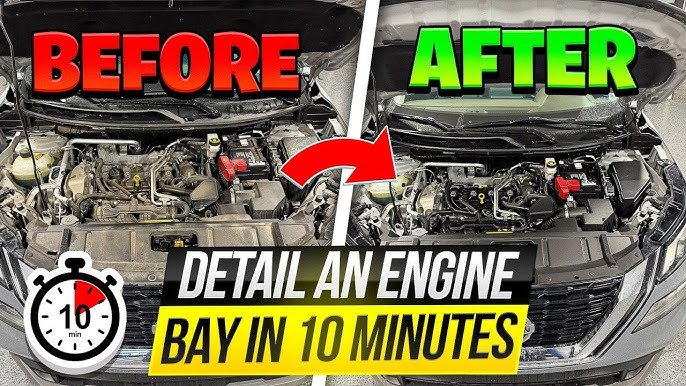
Have you ever wondered what’s lurking under your car hood? Cleaning this hidden area isn’t just about making your engine look good—it can actually help your car run smoother and last longer.
But you might be unsure where to start or worried about causing damage. Don’t worry, you’re in the right place. You’ll discover simple, step-by-step tips to safely clean under your car hood. By the end, you’ll feel confident keeping your engine bay spotless and protected.
Ready to give your car the care it deserves? Let’s dive in!
Prepare Your Tools
Preparing your tools is the first step to cleaning under your car hood safely and efficiently. Having the right supplies and protective gear ready makes the job easier. It helps you avoid damage to your car and keeps you safe during the process.
Gather Cleaning Supplies
Start by collecting all cleaning materials before you open the hood. Use a gentle engine degreaser to remove dirt without harming parts. Keep a soft brush or sponge to scrub stubborn grime. Have microfiber cloths ready to wipe and dry surfaces. Use a spray bottle filled with water for rinsing. Avoid harsh chemicals that can damage rubber or plastic components.
Wear Protective Gear
Protect yourself from dirt, chemicals, and sharp parts under the hood. Wear safety goggles to guard your eyes from splashes. Use gloves to keep your hands clean and safe from irritants. Wear old clothes or a coverall to avoid stains. Make sure your shoes have good grip to prevent slipping. Proper gear helps you stay safe and focused on the task.

Credit: www.autofinesse.com
Cool Down The Engine
Cleaning under the car hood requires patience and safety. The engine must be cool before starting. A hot engine can cause burns or damage. Cooling down ensures safe and effective cleaning.
Wait For The Engine To Cool Naturally
Turn off the car and park it in a shaded area. Leave the hood closed. Wait at least 30 minutes to an hour. This time lets the engine temperature drop safely.
Check Engine Temperature Carefully
Touch the hood or engine parts gently. Avoid direct contact with hot surfaces. Use a temperature gauge if available. Ensure the engine feels cool before cleaning.
Open The Hood Slowly
Open the hood carefully to avoid steam or heat bursts. Stand to the side, not directly over the engine. Let any remaining heat escape before starting to clean.
Protect Sensitive Components
Sensitive parts like the battery and electrical connections need extra care during cleaning. Cover these components with plastic bags to keep them dry and safe. This prevents damage and ensures your car runs smoothly after cleaning.
Cleaning under your car hood is crucial for maintenance. It keeps your engine running smoothly. But you must protect sensitive components from damage during cleaning. These parts are vital for your car's operation. Taking steps to safeguard them ensures your car functions properly. You can avoid costly repairs by being cautious. Below are some tips to protect these sensitive components.
Cover Electrical Parts
Electrical parts are sensitive to water. Cover them before cleaning. Use plastic bags or wrap to shield them. Make sure wires and connectors are dry. Wet electrical parts can cause short circuits. Double-check that covers are secure. This prevents accidental exposure to water.
Seal Air Intake
The air intake is important for your engine. Seal it to prevent water from entering. Use a plastic sheet or tape for a good seal. Water in the air intake can harm the engine. Ensure the seal is tight and intact. This protects your engine from damage during cleaning.
Remove Loose Debris
Removing loose debris from under your car hood is a crucial first step in engine cleaning. Dirt, leaves, and small particles can accumulate and cause blockages or damage over time. Clearing this debris not only makes your cleaning process easier but also helps your car run more efficiently.
Use A Brush Or Vacuum
Start by grabbing a soft-bristled brush or a handheld vacuum. A brush helps you reach tight corners and gently loosen dirt without scratching delicate engine parts. Meanwhile, a vacuum can quickly suck up loose debris without scattering it around.
Try brushing away dirt in small sections, then vacuuming the loosened particles right after. This approach prevents the debris from settling back onto the engine. Have you noticed how much dust can gather in just a few weeks? Removing it regularly keeps your engine fresher and safer.
Clear Leaves And Dirt
Leaves and dirt often pile up near air intakes and battery compartments. These spots attract moisture and can lead to corrosion or block airflow. Use your hands or a pair of tweezers to pick out stubborn leaves and clumps of dirt carefully.
Don’t overlook crevices where debris tends to hide. Clearing these areas prevents future buildup and possible overheating. You might be surprised how much cleaner your engine looks after just this simple step.
Apply Engine Cleaner
Applying engine cleaner is a crucial step in cleaning under your car hood. It helps break down grease, grime, and dirt that accumulate over time, ensuring your engine runs cooler and looks well-maintained. Knowing how to choose and apply the cleaner correctly can make a big difference in the results you get.
Choose The Right Cleaner
Not all engine cleaners are created equal. Look for a product specifically designed for engines, one that can cut through oil and dirt without damaging sensitive components. Avoid harsh chemicals that might strip away protective coatings or harm rubber hoses.
Consider cleaners that are biodegradable and safe for the environment. If your engine has delicate electrical parts, opt for a water-based cleaner. Have you checked the label for compatibility with your engine type?
Spray Evenly
Spraying the cleaner evenly ensures every part of your engine gets treated. Hold the spray bottle about 12 inches away to avoid soaking areas excessively. Focus on greasy spots but don’t forget the nooks and crannies where dirt hides.
Spraying too much in one spot can cause runoff, which might spread grime or affect other parts. Try spraying in a controlled, sweeping motion to cover surfaces uniformly. How often do you notice dirty buildup in those hard-to-reach areas?
Scrub Stubborn Areas
Stubborn dirt and grime can hide in tight spots under the car hood. These areas need extra attention to get clean. Scrubbing helps break down tough build-up and restores the engine’s neat look. Use gentle tools and careful techniques to avoid damage.
Use A Soft Brush
A soft brush reaches small spaces without scratching surfaces. Choose one with nylon bristles for safety. Brush gently in circular motions to lift dirt. Avoid hard scrubbing that may harm wires or plastic parts. Rinse the brush often to remove loosened grime.
Target Grease Spots
Grease spots stick firmly to engine parts. Use a degreaser or mild soap to soften these areas. Apply it directly to the grease and let it sit for a few minutes. Then scrub lightly with the soft brush. Repeat if needed until the grease fades away.
Rinse Carefully
Rinsing under your car hood might seem straightforward, but it requires a delicate touch. If you’re too rough or careless, you risk damaging vital components. A careful rinse ensures your engine bay stays clean without causing harm, making your cleaning effort truly effective.
Use Low-pressure Water
Using low-pressure water is key to avoiding damage. High-pressure water can force moisture into sensitive parts and loosen connections. Instead, opt for a gentle spray or a hose with a soft flow to wash away dirt without pushing it into hard-to-reach places.
I once saw a friend use a pressure washer, and it led to a costly repair because water got into the electrical system. That experience taught me to always keep the water pressure low and steady.
Avoid Direct Spraying On Electronics
Electronics under your hood don’t like water, especially not direct sprays. Protect components like the battery, alternator, and fuse box by steering the water around them rather than straight at them.
Covering these parts with plastic bags or cling wrap before rinsing can save you from unexpected electrical issues. Have you checked how close your water spray gets to these sensitive areas? Adjust your angle to reduce risk and keep your engine running smoothly.
Dry The Engine Bay
Drying the engine bay is a key step after cleaning under the car hood. Water can cause damage or rust if left on engine parts. Proper drying helps keep your engine safe and clean. Use gentle tools to avoid harming delicate components. Take your time to ensure everything is dry before closing the hood.
Wipe With Microfiber Cloth
Use a soft microfiber cloth to wipe down all surfaces. Microfiber absorbs water well without scratching metal or plastic. Focus on tight spaces and corners where water collects. Change cloths if they become too wet to avoid spreading moisture. Be gentle around wires and electrical parts.
Use Compressed Air If Available
Compressed air helps blow away water from hard-to-reach areas. It dries spots that cloths cannot reach. Hold the nozzle a few inches away to avoid damage. Use short bursts to clear moisture safely. This method speeds up drying and reduces the risk of rust.
Inspect And Reassemble
After thoroughly cleaning under your car hood, the next crucial phase is to carefully inspect and reassemble everything. This stage ensures your engine runs smoothly and safely, without any overlooked issues that could cause problems later. Paying attention to small details now can save you from costly repairs down the road.
Remove Covers
Start by taking off any plastic or metal covers you might have removed earlier to access the engine components. These covers often hide essential parts like the battery, fuse box, or air filter. Gently lift or unscrew them, keeping track of all fasteners so you don't lose anything.
When I skipped this step once, I ended up forcing a cover back into place, which caused a crack and some rattling noises while driving. Trust me, take your time here. Each cover has a specific spot and orientation, so double-check before snapping or screwing them back on.
Check For Loose Connections
Once the covers are off, inspect all visible wires, hoses, and clamps. Loose connections can cause misfires, leaks, or even electrical shorts. Tug gently on wires and hoses to ensure they’re secure but avoid pulling too hard.
Look closely at battery terminals and fuse connections. Corrosion or looseness here can lead to starting problems or erratic electrical behavior. If you find any loose parts, tighten them with the right tools or replace damaged connectors.
Have you ever experienced your car acting up after a cleaning session? Often, it’s because a wire or hose wasn’t properly reattached. Taking this extra moment to verify each connection can prevent those frustrating surprises.

Credit: www.autofinesse.com
Maintain Engine Cleanliness
Cleaning under your car hood helps prevent dirt buildup that can harm engine parts. Regular washing keeps the engine running cool and improves performance. Use gentle tools and avoid sensitive areas to protect electrical components.
Maintaining engine cleanliness is crucial for your car's performance and longevity. A clean engine runs more efficiently and can prevent costly repairs down the line. While it might seem daunting to clean under the hood, adopting a regular routine can make it a manageable task.
Regular Cleaning Schedule
Developing a regular cleaning schedule is key to keeping your engine in top shape. Aim to clean under the hood every few months, or more frequently if you drive in dusty conditions. Mark it on your calendar to ensure you never miss a session. During each cleaning, focus on removing debris and grime that accumulate over time. Use a handheld vacuum or a blower to clear away loose dirt before wiping surfaces with a damp cloth. This routine helps in spotting potential issues early, such as leaks or corrosion.
Tips To Prevent Dirt Build-up
Preventing dirt build-up under your hood can save you time and effort. Start by parking your car in a garage or covered area to shield it from dust and debris. If this isn’t possible, consider using a car cover. Regularly check and replace your engine air filter, as a clean filter can trap dirt before it reaches your engine. Also, inspect the seals and gaskets for any signs of wear, as they play a vital role in keeping contaminants out. Have you ever noticed how much better your car runs after a thorough cleaning? Keeping your engine clean is not just about aesthetics; it's about ensuring your vehicle runs smoothly and efficiently. What steps will you take today to maintain engine cleanliness?

Credit: autogeekonline.net
Frequently Asked Questions
How Often Should I Clean Under My Car Hood?
Cleaning under your car hood every 6 months is ideal. Frequent cleaning prevents dirt buildup and helps spot leaks early. However, adjust frequency based on driving conditions like dusty or wet environments for best results.
What Tools Do I Need To Clean Under My Car Hood?
You need a soft brush, microfiber cloth, degreaser, and water hose. A plastic bag and tape help protect sensitive parts. These tools ensure safe and effective cleaning without damaging engine components.
Can I Use A Pressure Washer Under My Car Hood?
Avoid using a high-pressure washer directly on engine parts. It can damage electrical components and force water into sensitive areas. Use a gentle spray or damp cloth instead for safe cleaning.
Should I Cover Engine Parts Before Cleaning?
Yes, cover the battery, air intake, and exposed electrical parts with plastic bags. This prevents water damage and short circuits. Securing covers with tape ensures protection during cleaning.
Conclusion
Cleaning under your car hood keeps your engine healthy and lasting longer. Start with cool engine parts and protect electrical components. Use gentle cleaners and soft brushes for best results. Take your time and avoid harsh sprays. Regular cleaning helps spot leaks and damage early.
A clean engine also runs more efficiently. Remember, safety comes first during the process. Follow these steps, and your car will thank you. Simple care makes a big difference in the long run.