
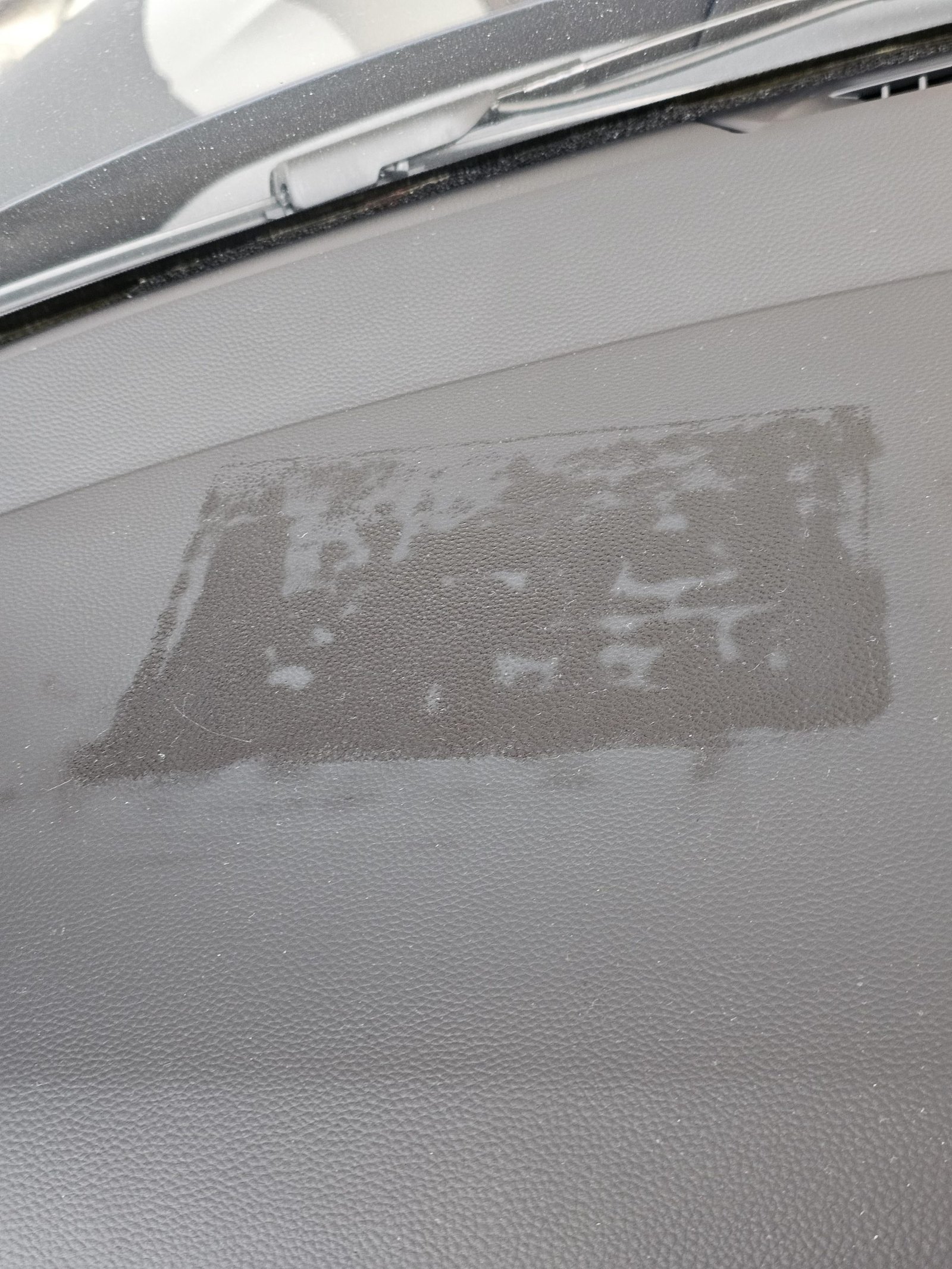
Have you noticed those annoying scratches ruining the look of your car’s dashboard? They can make your interior feel worn out and less enjoyable every time you get behind the wheel.
But what if you could fix those scratches quickly and easily without spending a fortune? You’ll discover simple and effective ways to get rid of scratches on your car dashboard. Keep reading, and by the end, your dashboard will look fresher and more like new—making your driving experience much more satisfying.
Credit: www.piloteers.org
Identify Scratch Types
Knowing the type of scratch on your car dashboard helps choose the best fix. Scratches can look similar but need different care. Some scratches are shallow and easy to fix. Others are deep and need more attention.
Identifying the scratch type saves time and prevents damage. It also helps you pick the right tools and products. Below are the main types of dashboard scratches to watch for.
Surface Scratches
Surface scratches are light marks on the top layer. They usually do not go deep into the material. These scratches appear as fine lines or small scuffs.
You can often feel them by running your finger gently over the area. Surface scratches do not affect the dashboard’s structure.
These are the easiest to fix and may disappear with simple cleaning or polishing. They often result from dust, keys, or light contact with objects.
Deep Scratches
Deep scratches cut through the surface and into the dashboard material. They are more visible and can be felt easily by touch. These scratches may cause cracks or dents.
Deep scratches can damage the dashboard’s look and sometimes its strength. They need special repair kits or professional help.
These scratches happen from sharp objects or strong impacts. Fixing deep scratches takes more time and care to restore the surface properly.
Gather Repair Materials
Before you dive into fixing scratches on your car dashboard, gathering the right materials is essential. Having everything prepared saves time and ensures you don’t get frustrated halfway through. The quality of your repair depends heavily on the tools and supplies you use, so choose wisely.
Cleaning Supplies
Start with cleaning supplies to remove dust, dirt, and oils from your dashboard surface. Use a soft microfiber cloth and a gentle cleaner designed for car interiors. Avoid harsh chemicals that might damage the material or leave residues that interfere with repair products.
Did you know that a clean surface actually helps the repair materials bond better? Skipping this step can cause your efforts to fail quickly.
Repair Kits
Repair kits specifically made for car dashboards often contain compounds to fill scratches and restore color. Look for kits that match your dashboard’s material—vinyl, leather, or plastic. These kits usually include applicators, colorants, and instructions tailored for effective results.
Picking the right kit matters because a generic filler might look worse than the original scratch. Have you checked the kit’s reviews or watched a tutorial before buying?
Polishing Tools
Polishing tools help blend the repaired area with the rest of the dashboard, making scratches almost invisible. You can use a soft buffing pad, or even a clean microfiber cloth, depending on the polish type. Some products require a gentle hand, while others benefit from a small electric buffer.
Consider how shiny or matte your dashboard is before polishing. The right finish makes your repair seamless and natural-looking, so don’t rush this step.
Clean The Dashboard
Clean the dashboard gently with a soft cloth to remove dust and dirt. Use a mild cleaner to avoid damaging the surface before treating scratches.
Cleaning the dashboard is a vital step in removing scratches. A clean surface ensures that products work effectively. Begin by preparing the dashboard for cleaning. This preparation removes any obstacles in the cleaning process.
Remove Dust And Debris
Dust can settle in dashboard scratches. Use a microfiber cloth to gently wipe the surface. Make sure to reach all corners of the dashboard. This action prevents scratching during the cleaning process. A vacuum with a brush attachment can help. It removes loose particles without harming the surface.
Use Appropriate Cleaners
Select cleaners designed for car interiors. These cleaners are gentle and effective. Avoid harsh chemicals that might damage the dashboard. Spray the cleaner on a soft cloth. Never spray directly on the dashboard. Wipe the surface in circular motions. This technique ensures even cleaning. After cleaning, dry the dashboard with a clean cloth. This prevents moisture buildup, which could lead to further scratches.

Credit: www.amazon.com
Fix Surface Scratches
Surface scratches on your car dashboard can be frustrating, but many of them can be fixed without professional help. These scratches usually affect only the top layer, making them easier to treat than deep gouges. You might be surprised how simple techniques can restore your dashboard’s look quickly and effectively.
Apply Heat Method
The heat method works best on scratches that are shallow and on plastic or vinyl dashboards. You’ll need a hairdryer or a heat gun set to low heat. Hold the heat source a few inches away from the scratch and move it back and forth for about 30 seconds.
The heat softens the plastic, allowing it to slightly melt and fill in the scratch. After heating, use a soft cloth to gently rub the area in circular motions. Be careful not to overheat the surface, as this can cause damage or discoloration.
Have you ever noticed how a warm plastic item becomes more flexible? This principle helps erase minor scratches, making your dashboard look almost new again. If your scratch doesn’t improve after one attempt, repeat the process but always use caution with the heat.
Use Plastic Polish
Plastic polish is a great option for fine scratches and scuffs. It contains mild abrasives that smooth out the surface without damaging it. You can find plastic polishes at automotive stores or online.
Start by cleaning the scratched area with a damp cloth to remove dust and dirt. Then, apply a small amount of plastic polish to a microfiber cloth and rub it into the scratch using circular motions. Buff the area until the scratch becomes less visible or disappears.
Plastic polish can also add a layer of protection to your dashboard. Have you tried polishing other plastic parts in your car? You’ll notice how it restores shine and reduces imperfections, making your interior look fresh and well-maintained.
Repair Deep Scratches
Deep scratches on a car dashboard need more than just cleaning. They require repair to restore smoothness and appearance. Fixing deep scratches involves filling the damaged area and then smoothing it out. This process helps make the dashboard look almost new again. Follow simple steps to repair deep scratches effectively.
Fill With Vinyl Repair Compound
Start by cleaning the scratched area with a soft cloth. Remove all dirt and dust for better adhesion. Use a vinyl repair compound designed for car interiors. Apply the compound carefully into the scratch using a small spatula or applicator. Make sure the compound fills the scratch completely. Avoid overfilling to prevent lumps. Allow the compound to dry as per product instructions. This step rebuilds the damaged surface for a smooth finish.
Sand And Smooth Area
Once the repair compound is dry, gently sand the area. Use fine-grit sandpaper, such as 600 or 800 grit. Sand with light, circular motions to blend the repair with the surrounding dashboard. Avoid sanding too hard to prevent more damage. After sanding, wipe the area clean with a soft cloth. This step ensures the surface feels smooth and looks even. The dashboard will regain its original texture and style.
Polish And Protect
Polishing and protecting your car dashboard helps restore its look and prevent new damage. This process smooths out scratches and adds a layer to guard against sun and wear. Regular care keeps the dashboard shiny and fresh for longer.
Apply Dashboard Conditioner
Start with a clean dashboard. Use a soft cloth to wipe away dust and dirt. Choose a conditioner made for car dashboards. Apply a small amount to the cloth, not directly on the surface. Rub gently in circular motions over the scratched area. Let the conditioner absorb for a few minutes. Wipe off any extra with a dry cloth. This nourishes the material and reduces the visibility of scratches.
Prevent Future Damage
- Park in shaded areas to avoid sun damage.
- Use a windshield sunshade when parked outdoors.
- Clean the dashboard regularly with a soft cloth.
- Avoid harsh chemicals or abrasive cleaners.
- Apply dashboard conditioner every few weeks.
These simple steps help keep the dashboard safe and looking new. Protecting the surface extends its life and maintains your car’s value.
When To Seek Professional Help
Knowing when to call a professional is key to fixing dashboard scratches safely. Some scratches are minor and easy to fix at home. Others need expert care to avoid damage or poor results.
Choosing professional help saves time and protects your dashboard’s look. Professionals have the right tools and skills to restore your dashboard perfectly.
Deep Or Large Scratches
Scratches that cut deep into the dashboard material need expert attention. DIY fixes may not fully cover or repair these marks. Professionals can fill and smooth deep scratches properly.
Dashboard Material Damage
If the dashboard material shows signs of cracking or peeling, a professional should handle the repair. They know how to treat and restore damaged surfaces without making it worse.
Complex Dashboard Designs
Dashboards with textured surfaces, patterns, or special finishes require careful repair. Professionals understand how to match texture and color perfectly.
Failed Diy Attempts
Some scratches get worse after home treatments. If fixes do not improve the look, professionals can undo mistakes and fix the scratches correctly.
Time Constraints
Busy schedules may not allow for careful DIY repairs. Professionals can quickly restore your dashboard, saving you time and effort.

Credit: www.youtube.com
Frequently Asked Questions
How Can I Remove Minor Scratches From My Car Dashboard?
Use a soft microfiber cloth with a plastic polish or dashboard cleaner. Gently rub the scratched area in circular motions until the scratch fades. Avoid harsh chemicals to prevent damage. Regular cleaning helps maintain the dashboard’s smooth appearance.
What Household Items Can Fix Dashboard Scratches?
Petroleum jelly or baking soda paste can reduce light scratches. Apply a small amount on a cloth and rub gently. These household remedies work temporarily and are safe for most dashboard materials. Always test on a small area first.
Is It Safe To Use Diy Methods On Dashboard Scratches?
Yes, mild DIY methods like plastic polish or mild soap are safe. Avoid abrasive tools or harsh chemicals that can worsen scratches. Proper care and gentle treatment keep the dashboard looking new without causing further damage.
When Should I Seek Professional Help For Dashboard Scratches?
If scratches are deep or cover a large area, professional repair is best. Experts use specialized tools and materials for effective restoration. This ensures the dashboard’s texture and color match perfectly after fixing.
Conclusion
Scratches on your car dashboard can be fixed with simple steps. Use gentle cleaners and soft cloths to avoid damage. Small scratches often disappear with a little care. For deeper marks, try specialized repair kits made for dashboards. Always test products on a small area first.
Regular cleaning helps keep your dashboard looking new. Taking care of your dashboard improves your car’s interior feel. A smooth, scratch-free dashboard makes driving more pleasant. Keep these tips in mind to maintain your car’s beauty easily.