
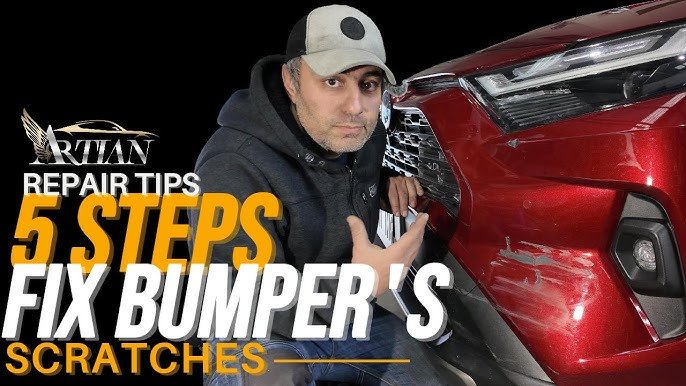
Have you noticed scratches on your plastic car bumper that make your car look less than perfect? Those marks can be frustrating, but the good news is you don’t have to live with them.
Imagine restoring your bumper’s smooth, clean appearance without spending a fortune or visiting a body shop. In this guide, you’ll discover simple and effective ways to get scratches out of your plastic car bumper. By the end, you’ll feel confident tackling those scratches yourself and making your car look great again.
Keep reading to learn how!
Identify Scratch Types
Identifying the type of scratch on your plastic car bumper is essential before fixing it. Different scratches need different treatments. Knowing the scratch depth helps you choose the right repair method.
Surface Scratches
Surface scratches are light marks that only affect the top layer of paint. They do not cut through the paint or plastic beneath. These scratches often feel smooth when you run your fingernail over them.
Surface scratches can often be polished out using rubbing compounds or scratch removers. They usually do not require repainting or heavy repairs. Quick fixes can restore your bumper’s look fast.
Deep Scratches
Deep scratches cut through the paint and sometimes damage the plastic bumper. You can feel these scratches with your fingernail as a groove or indentation. They may expose the black plastic under the paint.
Deep scratches need more work, like filling, sanding, and repainting. Ignoring deep scratches can lead to rust or further damage. Proper repair helps protect your bumper and keeps your car looking good.

Credit: autogeekonline.net
Gather Necessary Tools
Gathering the right tools is essential for removing scratches from a plastic car bumper. Having everything ready makes the process smoother and more effective. Preparing your workspace and tools beforehand saves time and effort.
Cleaning Supplies
Start with basic cleaning supplies to remove dirt and grime. Use a mild soap or car wash detergent and water. A soft microfiber cloth works best to avoid adding new scratches. Clean the area thoroughly before any repair work.
Scratch Removal Kits
Scratch removal kits contain materials designed for plastic surfaces. They often include rubbing compounds, scratch removers, and sometimes sandpaper. Choose a kit made for plastic bumpers for best results. Follow the instructions carefully to avoid damage.
Polishing Materials
Polishing helps restore shine and smoothness after scratch removal. Use a plastic polish or a fine rubbing compound. A soft polishing pad or cloth works well. Polishing removes minor imperfections and blends the repaired area with the rest of the bumper.
Prepare The Bumper
Clean the bumper thoroughly to remove dirt and grease. Dry it well before starting any scratch removal process. This ensures better results and prevents further damage.
Preparing your car bumper is a crucial step in removing scratches. A clean and dry surface ensures better results. It allows the repair materials to bond properly. Let’s explore how to prepare the bumper effectively.
Clean The Area
Start by washing the bumper with mild soap. Use a soft cloth to avoid further scratches. Rinse thoroughly with water to remove soap residues. Ensure all dirt and grime are gone. A clean surface reveals the extent of the scratches. It also helps in applying repair solutions smoothly.
Dry Thoroughly
Use a lint-free cloth to dry the bumper. Pat the surface to avoid streaks. Ensure there’s no moisture left before proceeding. A dry surface is essential for the next steps. It prevents any interference with repair materials. Proper drying also helps in achieving a smooth finish.
Credit: www.subaruxvforum.com
Fix Surface Scratches
Fixing surface scratches on your plastic car bumper can be simpler than you think. These scratches usually don't go deep, so you can often restore the smooth look without professional help. With a few household items and some care, your bumper can look much better in no time.
Use Toothpaste Or Baking Soda
Have you ever thought toothpaste could fix scratches? Its mild abrasive properties help smooth out the surface gently. Apply a small amount of toothpaste or a paste made from baking soda and water to a soft cloth.
Rub the paste over the scratch in a circular motion for a few minutes. Then, wipe it off with a damp cloth and check the results. Sometimes, repeating this process a couple of times makes a noticeable difference.
Apply Scratch Remover
Scratch removers made for plastic bumpers are widely available and designed for this exact problem. Choose one that matches your bumper’s material and color for the best effect.
Follow the product instructions carefully. Usually, you apply it with a microfiber cloth, rub gently, and let it dry before buffing it out. This step can remove scratches that toothpaste or baking soda alone can’t handle.
Polish The Surface
After removing scratches, polishing the bumper restores its shine and protects the surface. Use a plastic polish or a fine automotive polish for this step.
Apply a small amount on a clean cloth and rub it evenly over the area. Polishing not only improves appearance but also helps prevent future scratches by adding a protective layer.
Repair Deep Scratches
Repairing deep scratches on a plastic car bumper takes time and care. These scratches often cut through the paint and plastic, so simple polishing won't fix them. You need to fill the scratch and smooth the surface before repainting. Follow these steps for a strong, clean repair that restores your bumper’s look.
Sand The Scratch
Start by cleaning the scratched area with soap and water. Dry it well. Use fine-grit sandpaper (around 400 grit) to sand the scratch gently. Sand until the edges of the scratch are smooth and the surface feels even. This creates a good base for the filler to stick to.
Apply Plastic Filler
Choose a plastic filler designed for automotive use. Mix the filler according to the instructions. Use a plastic spreader to apply the filler inside the scratch. Press firmly to fill all gaps. Let the filler dry completely before moving on.
Sand And Smooth
Once the filler is dry, sand the area again. Use medium-grit sandpaper first, then switch to fine-grit for a smooth finish. The goal is to make the filled area level with the rest of the bumper. Wipe away dust with a clean cloth.
Repaint The Area
Mask off the surrounding area with painter’s tape to avoid overspray. Apply a primer suitable for plastic surfaces. After the primer dries, spray thin layers of matching car paint. Allow each layer to dry before applying the next. Finish with a clear coat to protect the paint and add shine.
Prevent Future Scratches
Preventing future scratches on your plastic car bumper is as important as fixing the current ones. Once you've restored your bumper's look, keeping it protected ensures your car stays looking fresh longer. Taking simple, proactive steps can save you time and money down the road.
Apply Protective Coatings
Adding a protective coating creates a shield against minor scratches and environmental damage. You can use clear paint protection films or ceramic coatings designed specifically for plastic surfaces. These coatings not only add a layer of defense but also enhance your bumper’s shine.
Think about how your car often brushes against bushes or other cars in tight spots. A good coating absorbs some of that contact, reducing the chance of scratches. Applying it yourself is easy with spray-on options, or you can get professional help for longer-lasting results.
Regular Maintenance Tips
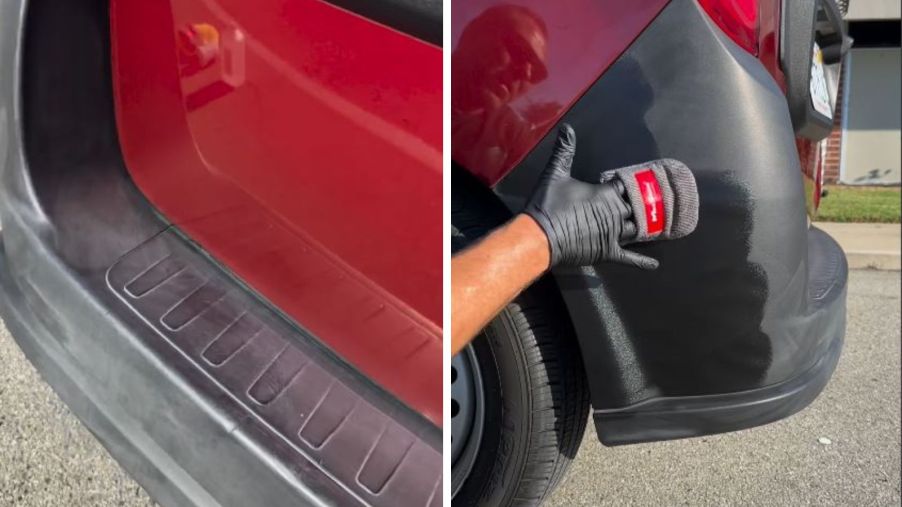
Keeping your bumper scratch-free requires routine care. Wash your car gently using a soft sponge or microfiber cloth instead of abrasive brushes. Dirt and debris can cause tiny scratches if rubbed harshly, so rinsing before washing is key.
Inspect your bumper regularly for small chips or marks and treat them quickly. Using a plastic-friendly polish can help maintain the surface and fill in minor imperfections. Have you noticed how a little upkeep prevents bigger problems? Making this a habit keeps your bumper looking great and reduces the need for costly repairs later.
Credit: www.motorbiscuit.com
Frequently Asked Questions
How Can I Remove Light Scratches From A Plastic Bumper?
To remove light scratches, use a plastic polish or scratch remover. Apply gently with a microfiber cloth in circular motions. Buff the area until scratches fade, then clean and dry the bumper for best results.
What Household Items Work For Plastic Bumper Scratch Repair?
To fix bumper scratches, try toothpaste or baking soda paste. Apply with a soft cloth and rub gently in circles. Rinse and dry the area afterward. These items can reduce minor scratches effectively without harsh chemicals.
Is It Safe To Use Sandpaper On Plastic Bumpers?
Yes, but only very fine grit sandpaper (2000+ grit). Wet sand gently to avoid damage. Follow with polishing to restore shine. Sanding is recommended for deeper scratches and requires caution to prevent worsening the surface.
Can Car Scratch Remover Kits Fix Plastic Bumper Scratches?
Yes, many scratch remover kits work well on plastic bumpers. They include compounds and polishes designed to blend scratches. Follow the kit instructions carefully for best results and avoid harsh chemicals that may damage plastic.
Conclusion
Removing scratches from a plastic car bumper is easier than it seems. Small scratches can often be fixed with household items. Deeper marks might need special products or professional help. Taking care of your bumper keeps your car looking fresh.
Regular cleaning and quick repairs save money in the long run. A little effort goes a long way in car care. Try these tips soon and enjoy a smoother, cleaner bumper.