
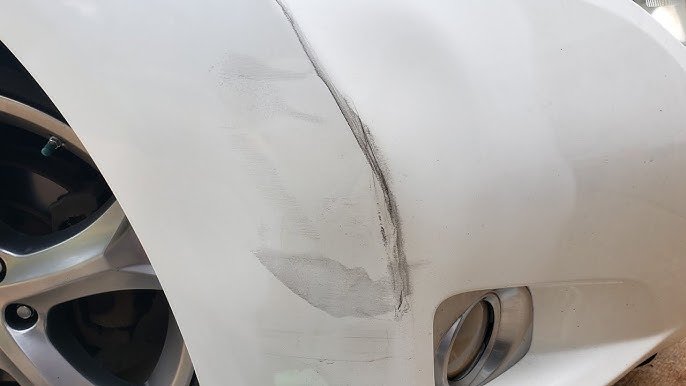
Got a dent in your car bumper that’s driving you crazy? You don’t have to rush to the repair shop or spend a fortune.
Imagine fixing that dent yourself, saving time and money, and making your car look good as new. You’ll discover simple, effective ways to pull a dent out of your car bumper. Whether it’s a small ding or a stubborn crease, these easy tips will help you restore your bumper’s smooth surface quickly.
Ready to bring your car back to its best? Let’s get started!
Tools Needed
Fixing a dent in your car bumper can be straightforward, but having the right tools makes all the difference. Without proper equipment, you might struggle or even damage the bumper further. Let’s look at what you’ll need to get the job done efficiently.
Basic Tools
- Hair Dryer or Heat Gun:Heating the bumper softens the plastic, making it easier to push dents out.
- Compressed Air Can:After heating, cooling the area quickly helps the plastic snap back to its original shape.
- Plunger:A simple household plunger can sometimes pull out small to medium dents by creating suction.
- Gloves:Protect your hands from heat and sharp edges while working on the bumper.
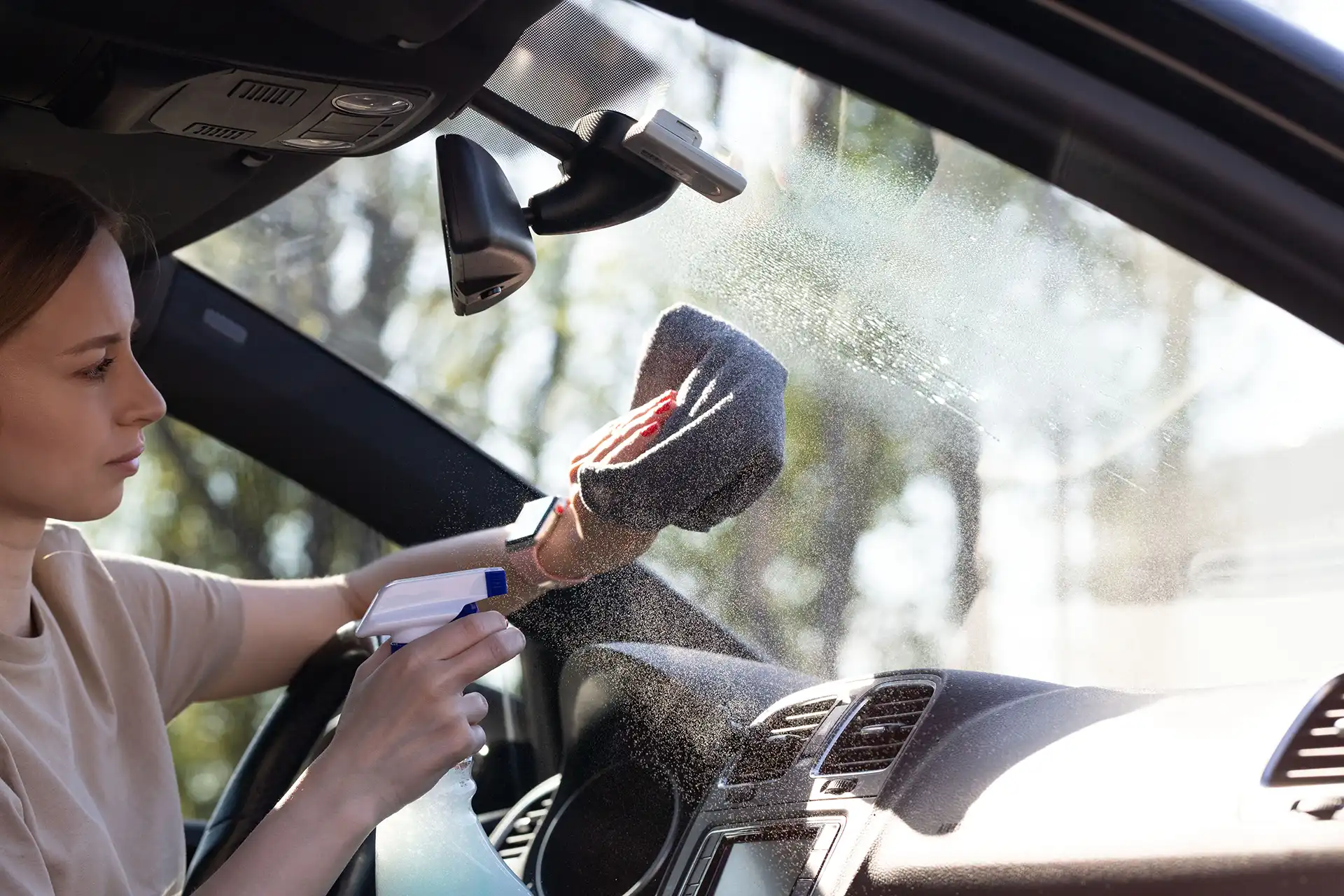
- Microfiber Cloth:Use it for cleaning the bumper before and after the repair to avoid scratching the surface.
These tools alone often solve minor dents. Have you tried using a plunger on your car before? Many don’t realize this is a quick fix that can save time and money.
Optional Tools For Stubborn Dents
- Dent Repair Kit:Comes with glue tabs and a pulling device to handle deeper dents.
- Plastic or Rubber Mallet:Useful for gently tapping the dent from the inside without damaging the paint.
- Suction Cup Dent Puller:Designed specifically for car bodywork, providing stronger suction than a household plunger.
- Body Filler and Sandpaper:For dents that don’t fully pop out, these help smooth out imperfections after repair.
Have you ever faced a dent that just wouldn’t budge? Using these optional tools can be the difference between a DIY success and a trip to the mechanic. Investing in even one or two of these can make your repair job easier and more professional-looking.
Credit: www.youtube.com
Safety Tips
Working on a car bumper dent involves tools and physical effort. Safety must be the first priority to avoid injuries. Proper precautions protect your skin, eyes, and hands. A clean, organized work area reduces risks and helps you focus on the repair. Follow these safety tips before starting your dent removal task.
Protective Gear
Wear gloves to protect your hands from sharp edges and chemicals. Safety glasses shield your eyes from flying debris or splashes. Use a dust mask if sanding or working with paint. Long sleeves and pants guard your skin from cuts and scrapes. Comfortable, closed-toe shoes prevent foot injuries.
Work Area Preparation
Choose a well-lit, ventilated space to work on your bumper. Remove any clutter to avoid tripping or knocking things over. Lay down a tarp or cloth to catch debris and protect surfaces. Keep tools organized and within reach for smooth workflow. Ensure children and pets stay away from the work zone.
Assessing The Dent
Check the dent size and depth carefully before starting the repair. Notice any paint damage or cracks on the bumper surface. Understanding the dent’s shape helps decide the best way to pull it out smoothly.
Assessing the dent is the first step in fixing your car bumper. Understanding the dent's characteristics helps in planning the repair. This involves looking at two main factors: size and location, and the material of the bumper.
Dent Size And Location
The size of the dent tells you how big the job is. Small dents are usually easier to fix. Large dents might need more effort or professional help. Check where the dent is on the bumper. Dents near edges or curves can be tricky. Those in the center might be easier to tackle.
Material Of The Bumper
Bumpers can be made from different materials. Common materials include plastic, fiberglass, and metal. Plastic bumpers are flexible and easier to repair at home. Fiberglass is lightweight but might need special tools. Metal bumpers are sturdy but may require more force. Knowing the material helps choose the right tools and techniques.
Heat Method
The heat method is a simple, effective way to pull dents out of your car bumper without needing professional tools. It works by making the plastic bumper more flexible, allowing you to reshape it more easily. This technique can save you time and money, especially if you're dealing with small to medium dents.
Using A Hair Dryer
A hair dryer is a handy tool for applying heat to your bumper. Hold the dryer about 6 inches away from the dent and move it around to warm the area evenly. Keep heating the spot for 1-2 minutes until the plastic feels hot and soft to the touch.
Once heated, gently push the dent out from the backside of the bumper if accessible. If not, try pressing from the front with your hands. The warm plastic will be more pliable, making it easier to restore the bumper's shape.
Applying Heat Safely
It’s important to avoid overheating, which can damage the paint or plastic. Stop heating if you notice any smoke or melting. Give the bumper a moment to cool down between heating cycles to prevent warping.
Protect your hands with gloves to avoid burns during this process. Also, work in a well-ventilated area to avoid inhaling any fumes. Have you ever tried fixing a dent this way and found it worked better than expected?
Cold Method
The cold method is a simple yet effective way to pull dents out of your car bumper without expensive tools. It uses the natural properties of plastic and metal reacting to temperature changes to pop dents back into shape. You don’t need to be a mechanic to try this at home, but it does require some patience and care.
Using Compressed Air
Start by cooling the dented area with a can of compressed air. Hold the can upside down and spray the dent for about 30 seconds. The sudden cold makes the plastic contract quickly.
Right after spraying, try to push the dent out from behind the bumper if possible. If you can’t reach behind, gently tap around the edges of the dent with your fingers to encourage the plastic to pop back.
This method works best on small to medium dents. Have you noticed how temperature can sometimes make materials behave oddly? This is exactly what you’re using to your advantage here.
Combining Heat And Cold
If compressed air alone doesn’t work, add a quick burst of heat first. Use a hairdryer on the dent for about 1-2 minutes to warm the plastic, making it more flexible. Be careful not to overheat and damage the paint.
Immediately spray the heated area with compressed air upside down. The rapid cooling after heating creates a pressure change inside the plastic. This can cause the dent to pop out on its own.
This push-and-pull between heat and cold tricks the material into reshaping. Have you tried this balance in other DIY fixes? It’s a clever way to use simple household items to get professional-like results.

Credit: www.sbkeswick.com
Using A Plunger
Using a plunger is a simple and effective way to pull a dent out of a car bumper. This tool creates suction that can gently pull the dent back into place without damaging the paint. It works best on small to medium-sized dents with smooth, flat surfaces.
This technique requires minimal tools and no special skills. It can save money compared to professional repairs. Understanding how to choose the right plunger and follow the correct steps is key to success.
Choosing The Right Plunger
Not all plungers work well on car bumpers. Avoid toilet plungers with a narrow flange. They do not create enough suction on curved surfaces.
Use a clean, cup-shaped plunger. A sink or shower plunger works best. Its wide, flat rubber cup forms a strong seal on the bumper.
Check the rubber for cracks or dirt. A smooth surface helps create better suction. The handle should be sturdy for easy pulling.
Step-by-step Process
- Clean the bumper area around the dent with soap and water.
- Wet the edge of the plunger cup to improve suction.
- Press the plunger firmly against the dent to form a tight seal.
- Pull the handle straight outward with steady force.
- Release and check if the dent moves or pops out.
- Repeat the process a few times if needed, but avoid excessive force.
- Dry the bumper and inspect for any remaining imperfections.
Dent Repair Kits
Dent repair kits offer a convenient and cost-effective way to fix minor dents on your car bumper without visiting a professional. These kits come with various tools designed to pull out dents and restore the bumper’s shape. Understanding the types of kits available and how to use them correctly can save you time and money while improving your car’s appearance.
Types Of Kits
There are several types of dent repair kits, each suited for different dent sizes and bumper materials. Some kits use glue pulling methods, where a glue tab attaches to the dent and a pulling device gently pulls the dent outward. Others include suction cups that create a vacuum to pull the dent out without damaging the paint.
Another popular option is the slide hammer kit, which provides more controlled pulling power for deeper dents. Paintless dent repair (PDR) rods are also included in some kits, allowing you to push dents out from the inside of the bumper, but these require access behind the bumper panel.
- Glue pulling kits:Easy to use, best for shallow dents.
- Suction cup kits:Ideal for larger, smooth dents.
- Slide hammer kits:Suitable for tougher dents needing stronger force.
- PDR rod kits:Useful when you can access behind the bumper.
How To Use Them Effectively
Start by cleaning the damaged area thoroughly to ensure the tools and glue adhere properly. Select the appropriate pulling tab size that matches your dent and attach it using the supplied glue. Let the glue set for a few minutes before attaching the pulling device.
When pulling, apply slow and steady pressure to avoid cracking the paint or stretching the bumper material. After the dent pops out, carefully remove the glue residue using the cleaner provided or a gentle adhesive remover. Practice patience—rushing the process can cause more harm than good.
Have you ever tried to fix a dent only to make it worse? Using the right kit and method can prevent this. If a dent doesn’t budge after a few pulls, stop and reassess rather than forcing it. Sometimes, multiple gentle pulls work better than one strong yank.

Credit: www.reddit.com
Professional Help
Sometimes, pulling a dent out of a car bumper requires more than just DIY fixes. Professional help can ensure the job is done right without risking further damage. Knowing when to call an expert can save you time, money, and a lot of frustration.
When To Seek Experts
If the dent is deep or located near sensitive parts like sensors or lights, it’s best to consult a professional. Professionals have the right tools and experience to handle complex dents without harming the bumper’s paint or structure.
Also, if your attempts to fix the dent make it worse, don’t hesitate to stop and get expert advice. Some damages might look simple but require specialized knowledge to restore properly. Think about your safety and the value of your car—when do you think it’s time to let an expert step in?
Cost Considerations
Professional dent removal might sound expensive, but it often saves money in the long run. DIY repairs can lead to bigger problems if done incorrectly, which means costly fixes later.
Many shops offer free estimates, so you can compare prices before committing. Keep in mind, the cost depends on factors like dent size, location, and the bumper material. Sometimes, investing a bit more upfront can keep your car looking great and maintain its resale value.
Frequently Asked Questions
How Can I Pull A Dent Out Of A Car Bumper?
You can pull a dent out using a plunger, hot water, or a hairdryer and compressed air. These methods soften the plastic, allowing the dent to pop back out.
Is It Safe To Use Heat To Fix Bumper Dents?
Yes, using heat like a hairdryer can safely soften the bumper. Heat makes the plastic flexible and easier to reshape without cracking.
What Tools Do I Need To Remove Bumper Dents?
Common tools include a plunger, hairdryer, compressed air, and hot water. These items help soften and pull out dents effectively without damage.
Can Small Bumper Dents Be Repaired At Home?
Yes, small dents can be fixed at home using simple tools like a plunger or heat methods. Larger dents may require professional repair.
Conclusion
Fixing a dent in your car bumper can save money and time. Small dents often come out with simple tools and patience. Be gentle to avoid making the damage worse. Practice on old parts if possible, to gain confidence. Remember, some dents need professional help for the best result.
Taking care of your car keeps it looking good longer. Now, you have the basics to try dent removal yourself. Give it a shot and see the difference it makes.