

Sap on your car windshield can be a real headache. It blocks your view, makes driving unsafe, and can be tough to clean off.
You might have tried scrubbing or wiping it away, only to find it stubbornly sticking around. But don’t worry—removing sap doesn’t have to be a struggle. You’ll discover simple, effective ways to get your windshield crystal clear again. Keep reading, and you’ll learn easy tricks that save you time and protect your car’s glass from damage.
Your clear view is just a few steps away!
Credit: blisscarwash.com
Causes Of Sap On Windshields
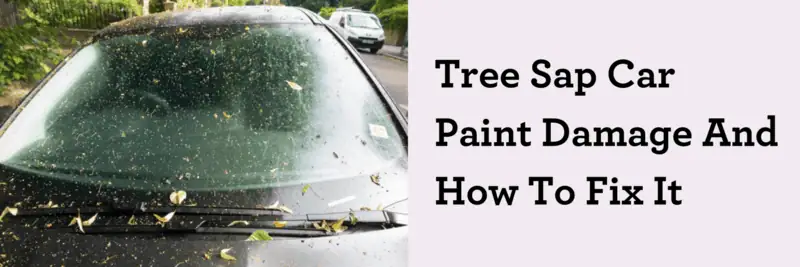
Sap on a car windshield is a common issue for many drivers. It happens when sticky tree resin falls on the glass. This resin can harden and become tough to remove. Knowing why sap appears on your windshield helps prevent damage. It also guides you on the best cleaning methods.
Common Tree Types That Leak Sap
Some trees produce more sap than others. Their sticky resin protects them from insects and disease. Here are common tree types that often cause sap on windshields:
- Pine trees – release thick, amber-colored sap
- Maple trees – produce a sticky, sweet-smelling sap
- Fir trees – emit a clear or slightly yellow sap
- Oak trees – sometimes drip dark, sticky sap
- Cedar trees – secrete sap with a strong smell
When And Where Sap Usually Appears
Sap tends to drip during warm weather. It often falls in late spring and summer. Trees produce more sap as they grow and heal wounds. Windshields parked under or near these trees face higher sap exposure.
You will notice sap spots more often:
- After sunny, hot days
- Near tree branches or leaves
- In parking lots with many trees
- During pollen and growth seasons

Credit: www.reddit.com
Risks Of Leaving Sap Untreated
Ignoring sap on your car windshield might seem harmless at first. However, leaving it untreated can lead to some serious problems that affect both your vehicle’s appearance and your safety. Understanding these risks helps you realize why prompt removal is essential.
Damage To Glass And Paint
Sap contains natural acids and sticky resins that can eat into your car’s paint and glass surface. Over time, this can cause permanent stains or etching that no amount of washing will fix. If the sap hardens, it becomes even tougher to remove without scratching the glass or damaging the paint.
Have you noticed dull spots or tiny pits on your windshield after ignoring sap? That’s sap slowly breaking down the protective layers. Your car’s resale value can drop because of this damage, and repair costs can add up quickly.
Visibility And Safety Concerns
Sap on the windshield distorts your view and can create glare spots, especially when sunlight hits it just right. This distraction can increase the risk of accidents, particularly on busy roads or during night driving. You don’t want to compromise your ability to see clearly when every second counts.
Think about how uncomfortable it feels to drive with streaks or spots on your windshield after rain. Sap can cause similar issues but worse, as it’s sticky and traps dirt and dust. Addressing sap early keeps your windshield crystal clear and your drives safer.
Essential Tools And Materials
Gather soft cloths, rubbing alcohol, and a plastic scraper to safely remove sap from your windshield. A gentle cleaner helps dissolve sticky residue without damaging glass.
Removing sap from your car's windshield can be a tricky task, but with the right tools and materials, it becomes much more manageable. Ensuring you have the proper items on hand can make all the difference in protecting your car's glass and maintaining visibility. Let’s dive into what you need for a successful sap removal mission.
Household Items That Work
Sometimes, the solution is right under your nose—or in your kitchen cabinet! Rubbing alcohol is a great start. It breaks down the sap, making it easier to wipe away. Just apply it with a soft cloth and watch the sticky residue disappear. Another unexpected hero is white vinegar. Its acidic nature helps dissolve the sap without harming your glass. Simply soak a cloth in vinegar, place it over the sap spot, and let it sit for a few minutes before gently scrubbing. Have you tried using baking soda paste? Mixing baking soda with a bit of water creates a gentle abrasive that can lift stubborn sap. Apply the paste, let it sit, and then rinse it off. It's simple, effective, and something you likely have on hand.
Specialized Products For Sap Removal
If household items don't quite do the trick, specialized products designed for sap removal can offer a solution. Commercial sap removers are available at most auto stores and are formulated specifically to tackle sticky substances on cars. They work quickly and are safe for glass. Clay bars, often used for detailing, can also be effective. They lift sap without scratching the surface. Use a lubricant spray alongside the clay bar to gently remove the sap. Consider adhesive removers like Goo Gone. Although primarily for sticky residues, they handle sap well too. Apply it directly, let it sit, and then wipe the sap away. Isn't it fascinating how many options you have at your disposal? Whether you're reaching for a kitchen staple or a dedicated car care product, there's a tool to fit your need. Which one will you try first?
Step-by-step Cleaning Methods
Removing sap from your car windshield needs care and patience. Sap can stick hard and block your view. Using the right cleaning methods helps protect your glass. Here are easy ways to clear sap safely and quickly.
Using Warm Soapy Water
Start with warm soapy water to soften the sap. Mix dish soap with warm water in a bucket. Use a soft cloth or sponge and soak it well. Place the cloth on the sap for a few minutes. This loosens the sticky residue. Gently wipe the sap away in circles. Rinse the area with clean water. Dry with a soft towel to avoid streaks.
Applying Rubbing Alcohol Or Vinegar
Rubbing alcohol or vinegar can break down sap fast. Put a small amount on a clean cloth. Rub the sap spot gently but firmly. Keep wiping until the sap dissolves. Avoid scrubbing hard to prevent glass scratches. After sap removal, wash the windshield with water. Dry the glass to clear any leftover residue.
Using Commercial Sap Removers
Choose a commercial sap remover designed for cars. Read the instructions before use. Spray or apply the product on the sap area. Let it sit for the time suggested. Use a soft cloth to wipe off the sap. Repeat if any sap remains. Rinse the windshield well after cleaning. Always use these products in a ventilated place.
Utilizing Clay Bars For Stubborn Spots
Clay bars work well for tough sap stains. Wet the windshield with water or lubricant. Rub the clay bar gently over the sap spot. The clay picks up sap and dirt without damage. Keep the surface wet while cleaning. Wipe the area with a microfiber cloth when done. This method leaves the glass smooth and clear.
Preventive Measures To Avoid Sap Build-up
Sap on your car windshield can be more than just an eyesore; it can damage the glass and make driving unsafe. Preventing sap build-up saves you time and effort in cleaning. Taking simple steps before sap appears can protect your vehicle and keep your view clear.
Choosing Parking Spots Wisely
Where you park can make a big difference in how much sap lands on your windshield. Avoid parking under pine, maple, or other sticky sap-producing trees. Even if a spot looks shady and cool, it might be a hidden source of sticky trouble for your car.
If you must park near trees, look for open areas with good airflow. This helps sap dry and fall away rather than stick to your windshield. Have you ever noticed your car is cleaner after parking in a lot with no trees? That’s no coincidence.
- Check local tree types before choosing a parking spot.
- Opt for covered parking garages when possible.
- Use shaded spots under metal or fabric canopies to avoid sap.
Applying Protective Coatings
Applying a protective coating to your windshield creates a barrier against sap and other contaminants. Products like glass sealants or ceramic coatings make sap easier to remove before it hardens. These coatings also improve visibility and reduce dirt accumulation.
When I started using a glass sealant, I noticed sap wiped off with just a damp cloth instead of scrubbing. It’s a small step that saves a lot of hassle. Do you want to spend less time cleaning and more time driving?
- Choose coatings specifically designed for automotive glass.
- Follow product instructions carefully for best results.
- Reapply the coating every few months to maintain protection.
Tips For Maintaining A Clean Windshield
Keeping your windshield spotless isn’t just about looks—it’s about safety and clarity while driving. Sap can be stubborn and tricky, but maintaining a clean windshield is easier with the right habits and quick responses. Let’s dive into practical tips that help you keep your windshield clear and sap-free.
Regular Cleaning Routine
Establish a simple cleaning schedule for your windshield. Wipe it down with a microfiber cloth and a gentle glass cleaner at least once a week to prevent buildup of dirt, sap, and other residues.
Don’t forget to check for sap after parking under trees. Sap hardens quickly, so catching it early makes removal much easier.
Consider using a water-repellent windshield treatment. It helps reduce the amount of sap and grime that sticks, making your regular cleanings more effective.
Quick Fixes For Fresh Sap Spots
Spotting fresh sap? Act fast before it hardens. Dab the spot gently with rubbing alcohol or hand sanitizer on a soft cloth to loosen the sticky residue.
A plastic scraper or an old credit card can help lift sap without scratching your glass. Use it carefully alongside a cleaning solution.
Have you tried warm soapy water? It’s a mild option that works well on fresh sap and won’t damage your windshield’s surface.
Remember, the sooner you address sap spots, the less effort you’ll need to clean them. What quick fix have you found works best on your windshield?

Credit: www.reddit.com
Frequently Asked Questions
How Can I Safely Remove Sap From My Car Windshield?
Use rubbing alcohol or a dedicated sap remover. Apply gently with a soft cloth. Avoid harsh scrubbing to prevent scratches.
What Household Items Remove Tree Sap From Glass?
Rubbing alcohol, hand sanitizer, or vinegar work well. Apply on sap, let sit a few minutes, then wipe clean.
Can Wd-40 Remove Sap From Car Windshields?
Yes, WD-40 dissolves sap effectively. Spray it on, wait a moment, then wipe with a microfiber cloth for best results.
Is It Safe To Use Nail Polish Remover On Windshields?
Acetone-based removers can damage glass coatings. Use non-acetone remover sparingly and test a small area first to avoid damage.
Conclusion
Removing sap from your car windshield is easy with the right steps. Use gentle cleaners and soft cloths to avoid scratches. Act quickly to prevent sap from hardening. Regular cleaning keeps your windshield clear and safe. This simple care helps maintain good visibility while driving.
Keep these tips handy for any sap trouble. Your car will look better and stay protected. Clear windshields mean safer and more comfortable drives every time.