

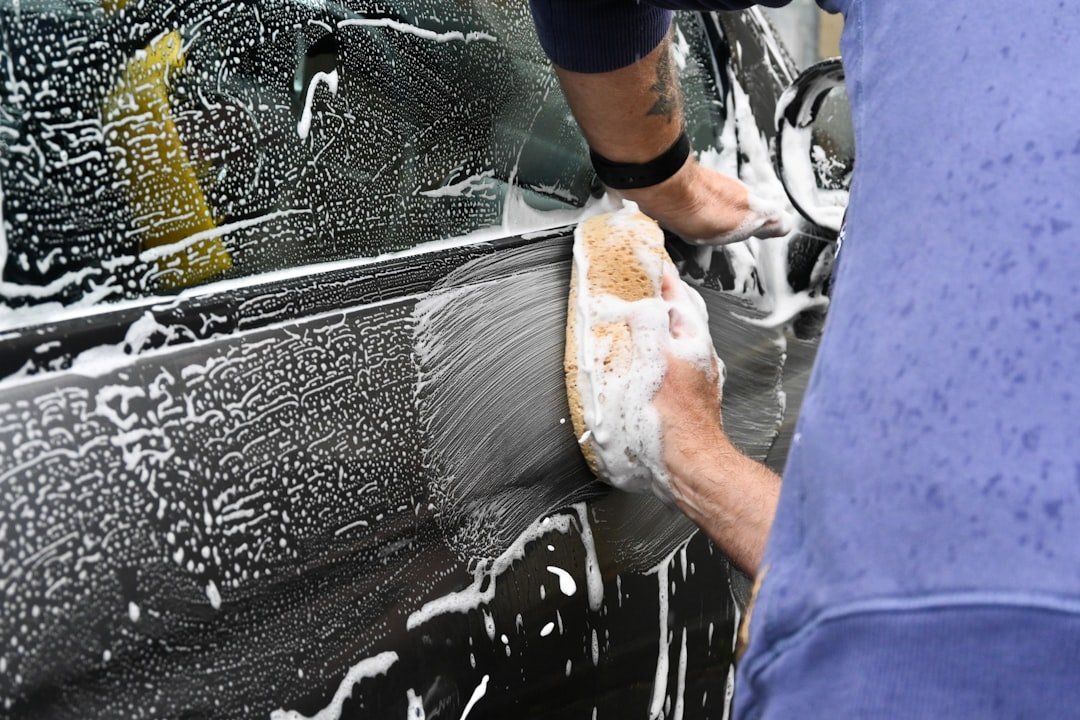
Have you ever wondered if the wax used at car washes is actually good for your car? You might think it makes your vehicle shine and protects the paint, but is it really that simple?
What if that shiny finish is hiding something that could harm your car over time? If you care about keeping your car looking great and lasting longer, you need to know the truth about car wash wax. Keep reading to discover what’s really going on and how to make the best choice for your car’s care.
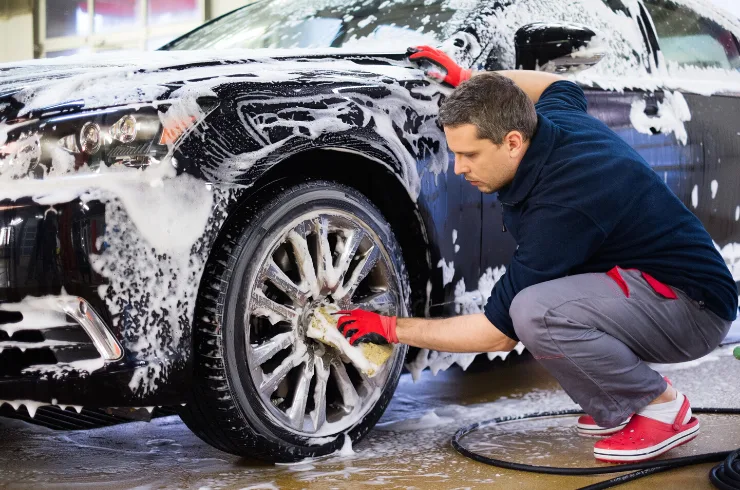
Credit: www.washdoctors.co.uk
Types Of Car Wash Wax
Choosing the right type of car wash wax can make a big difference in how your car looks and feels after cleaning. There are several varieties, each with unique benefits and drawbacks. Understanding these types helps you pick the wax that best suits your car’s needs and your personal preferences.
Synthetic Vs. Natural Waxes
Synthetic waxes are made from man-made polymers that create a durable, protective layer on your car’s surface. They often last longer than natural waxes and can provide a high-gloss finish that repels water and dirt effectively.
Natural waxes, usually derived from carnauba, give a deep, warm shine that many car enthusiasts love. However, they may not last as long as synthetic options and often require more frequent application to maintain the shine.
Have you noticed how some waxes protect better in harsh weather? Synthetic waxes often handle UV rays and rain with less wear, but natural waxes offer a classic look that’s hard to beat.
Liquid, Paste, And Spray Forms
Wax comes in different forms, each offering convenience and performance suited to various users. Liquid waxes are easy to apply and spread quickly over your car’s surface, making them great for larger vehicles or quick touch-ups.
Paste waxes tend to be thicker and offer a longer-lasting finish. They require a bit more elbow grease but often provide better protection against scratches and environmental damage.
Spray waxes are the fastest to use, ideal for maintaining shine between washes. While they don’t last as long as liquid or paste waxes, they’re perfect if you want a quick boost before heading out.
Which form matches your routine better? If you prefer speed, spray wax might be your go-to. But for deep protection, paste wax could be worth the extra effort.
How Car Wash Wax Works
Understanding how car wash wax works helps clarify its effects on your vehicle. Wax is more than just a shine booster. It forms a layer that guards your car's surface. This layer protects against dirt, water, and minor scratches.
Protective Layer Formation
Car wash wax creates a thin, protective coating on the paint. This coating blocks dirt and grime from sticking. It also helps prevent small scratches during washing. The wax bonds with the paint, sealing the surface. This layer acts as a shield against environmental damage.
Enhancing Shine And Hydrophobic Effects
Wax enhances the car's shine by smoothing the surface. It fills tiny imperfections, making the paint look glossy and new. The wax also repels water with a hydrophobic effect. Water beads up and rolls off easily, carrying dirt away. This keeps your car cleaner for longer periods.
Potential Risks Of Car Wash Wax
Car wash wax can sometimes leave a sticky residue that attracts dirt and dust. Overuse may cause paint damage or dullness over time. Proper application and regular maintenance help avoid these risks.
Car wash waxes promise a shiny and protected car surface. Yet, they might pose certain risks. Understanding these potential issues can help you make informed choices. Let's explore some concerns associated with car wash waxes.
Surface Damage And Swirl Marks
Car wash waxes might cause surface damage. Poor application can lead to swirl marks. These marks appear as tiny scratches on your car's paint. They can dull the car's shine. Using dirty or abrasive cloths increases the risk. It's crucial to use clean, soft towels for application. This minimizes the chance of creating swirl marks.
Wax Build-up And Residue Issues
Wax build-up can be another concern. Over time, layers of wax may accumulate on your car. This build-up can trap dirt and dust, affecting your car's appearance. Removing these layers can be challenging. Residue left behind can also be problematic. It may leave streaks or patches on the car's surface. Regular cleaning and proper application help avoid these issues.
Credit: www.meguiars.com
Misconceptions About Car Wash Wax
Many people hold wrong ideas about car wash wax. These misunderstandings can stop them from using wax properly. It is important to clear up these myths. Wax is often blamed for problems it does not cause. Knowing the facts helps keep your car's finish safe and shiny.
Wax And Paint Protection
Some think wax can harm a car’s paint. This is not true. Wax forms a thin layer that protects paint from dirt and sun. It helps prevent small scratches and fading. Wax does not damage the paint; it shields it. Using wax can keep your car looking new longer.
Frequency Of Wax Application
Many believe waxing too often ruins the paint. Waxing regularly actually benefits the car. The right frequency depends on the wax type and weather. Generally, waxing every three months is good. Over-waxing is rare and only happens with improper products. Proper use keeps the paint smooth and safe.
Safe Waxing Practices
Waxing your car can enhance its shine and protect the paint, but only if done safely. Using the wrong wax or applying it improperly can cause more harm than good. Understanding safe waxing practices helps you maintain your car's beauty without risking damage.
Choosing The Right Product
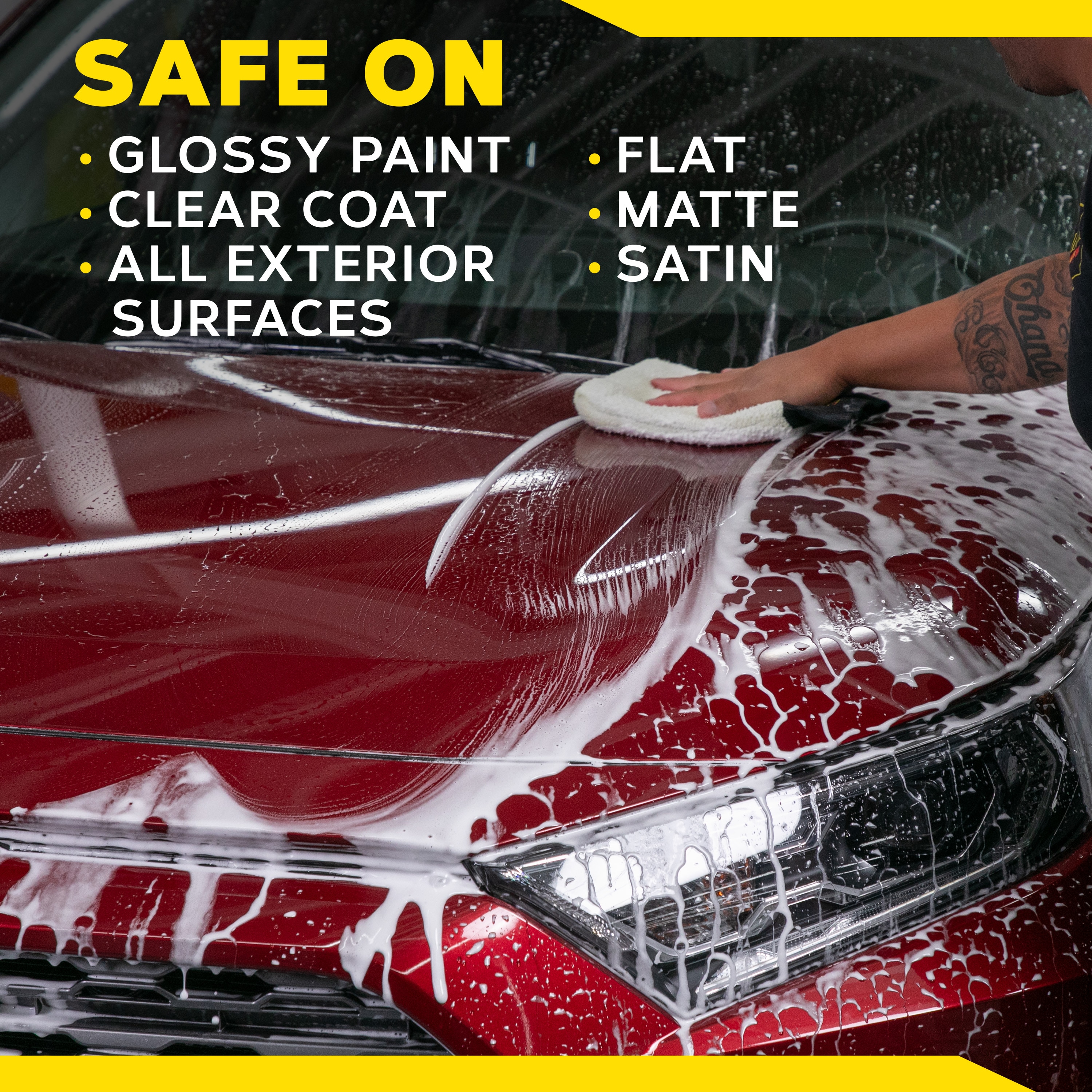
Not all waxes are created equal. Some contain harsh chemicals that can strip your paint or leave a dull finish. Look for waxes labeled as safe for your car’s paint type—whether it’s clear coat, single-stage, or ceramic.
Natural carnauba waxes often provide a deep shine and are gentle on paint. Synthetic waxes, on the other hand, usually last longer and offer better protection against elements. Consider your climate and driving habits when picking a product.
Have you checked the ingredients on your current wax? Avoid products with abrasive fillers or strong solvents that can erode your paint over time.
Proper Application Techniques
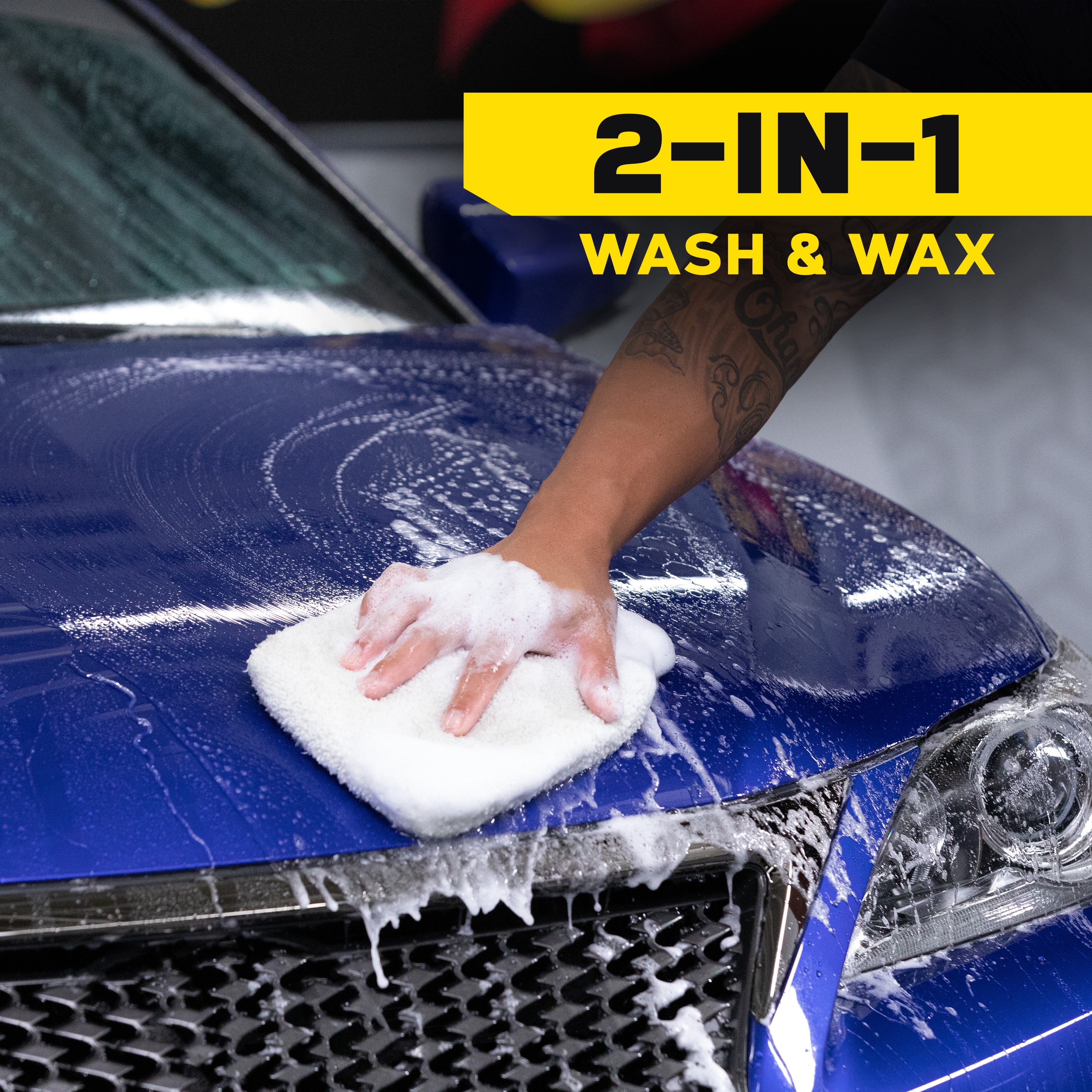
Applying wax correctly makes all the difference. Always wash and dry your car thoroughly before waxing to avoid trapping dirt under the wax layer. Work in small sections and apply wax with a soft, clean applicator pad.
Use gentle circular motions to spread the wax evenly. Let it haze over, but don’t let it dry completely—this can make removal difficult and cause streaks. Remove the wax residue with a microfiber cloth, flipping it often to avoid smearing.
Try waxing in the shade and on a cool surface to prevent the wax from drying too fast. Have you noticed how waxing under direct sunlight can leave spots? That’s your paint reacting to rushed application.
Credit: www.meguiars.com
Alternatives To Car Wash Wax
Car wash wax isn't the only way to protect and enhance your car's finish. If you're concerned about wax buildup or its potential downsides, there are effective alternatives that can keep your vehicle looking sharp. These options often provide longer-lasting protection and require less frequent application, saving you time and effort.
Sealants And Ceramic Coatings
Sealants offer a synthetic layer of protection that lasts longer than traditional wax. They create a durable shield against dirt, UV rays, and water spots. I once switched from wax to a sealant, and the difference in how my car repelled grime was clear after just one wash.
Ceramic coatings take this protection a step further. They bond with your car’s paint, offering a hard, glossy surface that can last months or even years. Although they require professional application or careful DIY steps, the payoff is worth it if you want less frequent maintenance and better resistance to scratches.
Waterless Wash And Quick Detailers
If you prefer quick touch-ups without water, waterless washes and quick detailers are great alternatives. These products clean and add a light protective layer in one go, perfect for in-between full washes. Keep a spray bottle and microfiber cloth handy, and you can instantly boost your car’s shine without hassle.
Have you ever noticed how grime can dull your car overnight? Using quick detailers regularly can prevent buildup and keep your paint vibrant. Plus, they’re gentle and safe for use on sealed or ceramic-coated surfaces, making them versatile tools in your car care routine.
Signs Your Car Wash Wax Is Harmful
Not all car wash waxes are safe for your vehicle’s paint. Some products can cause damage over time. Recognizing the signs of harmful wax helps protect your car’s finish. Early detection avoids costly repairs and keeps your car looking its best.
Dullness And Discoloration
A clear sign of bad wax is a dull or faded look. The paint loses its shine and appears lifeless. Discoloration can show as uneven patches or strange hues. This means the wax is breaking down the paint’s surface. Continuous use of harmful wax can worsen these effects.
Sticky Or Patchy Surfaces
Sticky residue after washing is a red flag. Wax that does not fully rinse off leaves a tacky feel. Patchy areas where wax clumps show poor product quality. These spots attract dirt and grime easily. Sticky wax also makes future cleaning harder and less effective.
Frequently Asked Questions
Is Car Wash Wax Harmful To Car Paint?
Car wash wax is generally safe for car paint when used correctly. It protects paint by adding a protective layer. However, overuse or poor-quality wax can cause buildup or dullness. Always choose high-quality wax and follow application instructions to avoid damage.
Can Car Wash Wax Cause Scratches On My Car?
Car wash wax itself does not cause scratches. Scratches usually result from dirt or debris trapped during washing. Using wax with proper washing techniques reduces the risk. Always wash your car thoroughly before applying wax to prevent scratches.
How Often Should I Apply Car Wash Wax?
Applying car wash wax every 4 to 6 weeks is ideal. Frequent waxing maintains shine and protection against elements. Over-waxing can lead to buildup, while under-waxing reduces protection. Follow product recommendations for best results.
Does Car Wash Wax Protect Against Uv Damage?
Yes, car wash wax provides a protective barrier against UV rays. This barrier helps prevent paint fading and oxidation. Regular waxing preserves your car’s color and finish. Use wax with UV protection for enhanced benefits.
Conclusion
Car wash wax can protect your car if used right. Some waxes may harm paint if applied too often. Choose a good quality wax made for cars. Always follow the instructions on the product label. Regular washing helps keep your car clean and shiny.
Avoid harsh chemicals that can damage the surface. Taking care of your car’s paint keeps it looking new. A little effort goes a long way in protecting your ride. Keep your car waxed, but don’t overdo it. Simple care means a longer-lasting finish and better shine.