
Have you ever wondered if washing your car when it’s cold outside could harm it? You might be worried about your car’s paint, the water freezing, or even the overall safety of the wash. Understanding what really happens when you get a car wash in cold weather can save you time, money, and stress.
Keep reading, because what you learn here might change the way you care for your car during chilly days.
Effects Of Cold Weather On Car Wash
Cold weather changes how a car wash affects your vehicle. Water and freezing temperatures create risks that do not happen in warm weather. Understanding these effects helps protect your car’s condition during winter car washes.
Freezing Risks For Wet Surfaces
Water on your car can freeze quickly in cold weather. Wet surfaces like windows, mirrors, and locks may become icy. Ice can make doors hard to open. It also creates slippery patches on your car’s body. Frozen water spots may leave marks or stains. These issues make cleaning more difficult after the wash.
Impact On Car Paint And Finish
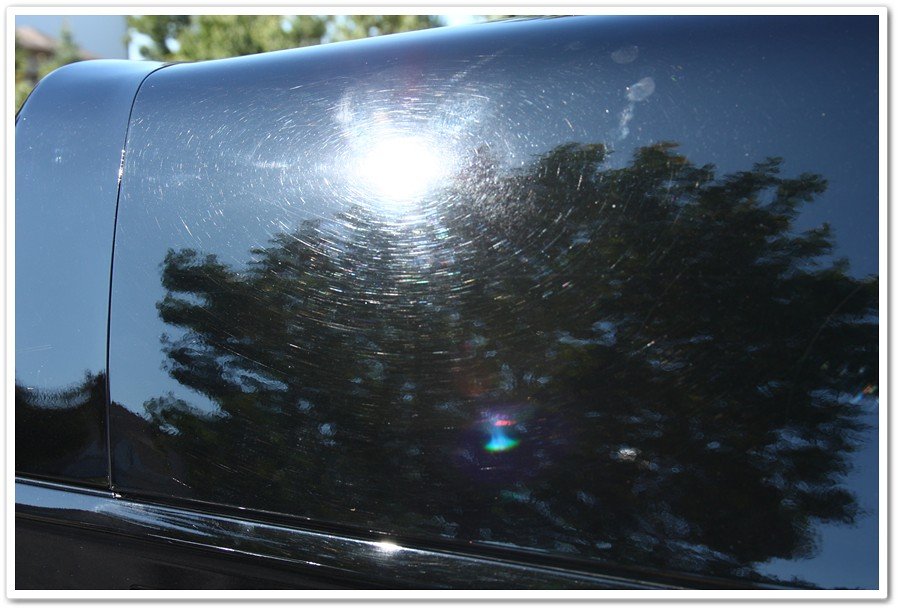
Cold weather can make car paint more fragile. Sudden temperature changes cause the paint to contract and expand. This can lead to small cracks or chips in the finish. Washing a cold car with hot water risks damaging the paint. Dirt and salt stuck on paint become harder to remove. Proper drying is critical to avoid water spots and damage.
Potential Damage To Car Components
Cold temperatures affect car parts during washing. Water can seep into electrical components and cause short circuits. Locks and hinges may freeze and break. Rubber seals around doors and windows can stiffen and crack. Wipers and windshield washer nozzles might freeze and stop working. Careful drying and using warm water help reduce these risks.

Credit: idealimageautosalonmd.com
Types Of Car Washes Suitable For Cold
Washing your car in cold weather can be tricky, but choosing the right type of car wash makes all the difference. Some washes protect your vehicle better and reduce the risk of damage from freezing temperatures. Knowing which options work best helps keep your car clean without adding winter hassles.
Automatic Touchless Washes
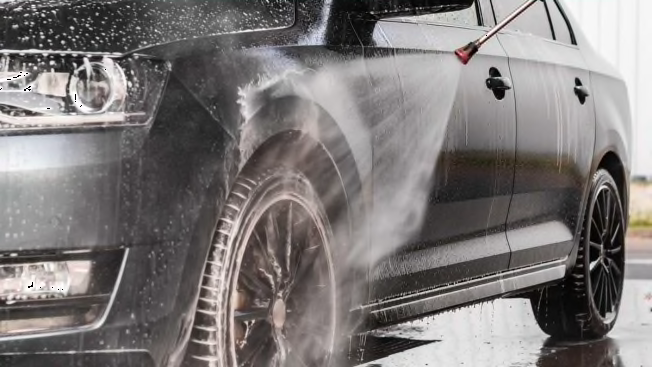
Automatic touchless washes use high-pressure water and detergents without brushes, which means less chance of scratching your paint. These washes are fast and convenient, especially when temperatures drop. However, the water may not be warm enough to fully remove road salt and grime, so check if the facility offers heated water options.
Hand Wash With Heated Water
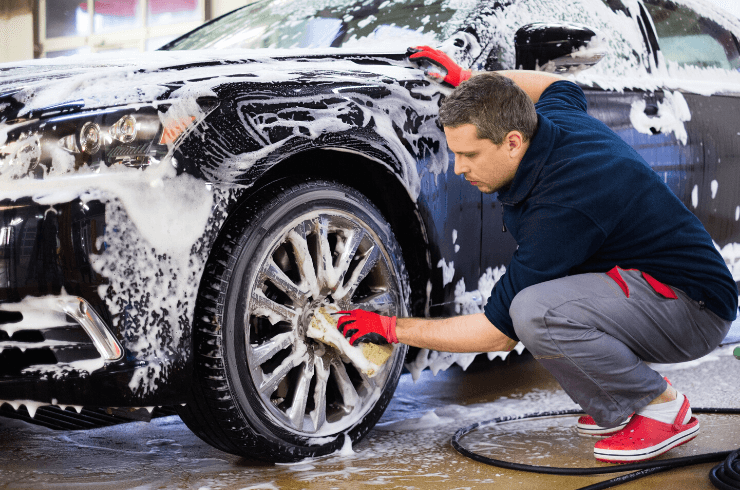
A hand wash with heated water is one of the safest ways to clean your car in cold weather. Heated water melts away salt and dirt more effectively and prevents freezing on your car's surface. Plus, you can focus on trouble spots like wheel wells and undercarriage, where winter grime tends to build up.
Use Of Protective Waxes And Sealants
Applying waxes and sealants during your wash adds a protective layer to your car’s paint. This barrier helps repel water and salt, reducing corrosion risks in freezing conditions. Consider asking your washer to include a wax or sealant treatment, or apply one yourself after drying for extra protection.
Benefits Of Washing Your Car In Cold Weather
Washing your car in cold weather removes salt and dirt that cause rust. It keeps your paint clean and protects metal parts from damage. Cold washes can help your car last longer and look better.
Washing your car in cold weather might seem counterintuitive, but it actually brings several advantages that can enhance the longevity and appearance of your vehicle. Despite the chilly temperatures, taking the time to clean your car during the colder months can prevent long-term damage and maintain your car's value. Let's explore the specific benefits that come with washing your car when the mercury drops.
Removing Road Salt And Debris
Winter roads are often treated with salt and other chemicals to prevent ice buildup. While this keeps roads safer, it can wreak havoc on your car's exterior. Regular washes help remove these corrosive substances before they can cause damage. Think of it as giving your car a protective shield against the harsh winter elements.
Preventing Rust And Corrosion
Rust and corrosion are silent enemies of your vehicle. Cold weather washing helps prevent these by removing not only salt but also moisture that can settle in the nooks and crannies of your car. By keeping your car clean, you're actively protecting it from these destructive forces.
Maintaining Visibility And Safety
A clean car is a safer car. Cold weather can cause grime to build up on your windows and mirrors, impairing your visibility. Regular car washes ensure that your view is clear, which is crucial for safe driving, especially in winter conditions. Plus, it keeps your headlights bright and effective. Incorporating these car washes into your routine might seem like a hassle, but consider how much it could save you in repair costs and safety concerns. Isn't it worth a few minutes in the cold to protect your investment?
Tips To Safely Wash Your Car In Cold Weather
Washing your car in cold weather needs care and the right approach. Cold temperatures can cause water to freeze quickly on your car’s surface. This can damage the paint and parts. Following simple tips helps keep your car safe and clean during winter.
Choose Warmest Part Of The Day
Pick a time when the sun is strongest. Midday is usually the warmest. This helps water dry faster and reduces ice formation. Avoid early mornings and late evenings. Temperatures are lowest then, increasing freezing risks.
Drying Techniques To Prevent Ice
Use a soft, dry microfiber cloth to wipe your car. Pat the surface instead of rubbing hard. Focus on areas where water pools, like door handles and mirrors. Use a leaf blower or air compressor to remove water from tight spaces. This keeps ice from forming quickly.
Avoiding Water Entry Into Sensitive Areas
Keep water away from door seals and engine compartments. Avoid spraying water directly into vents or electrical parts. Use a gentle spray setting on the hose or pressure washer. Water inside these areas can freeze and cause damage.
Common Myths About Cold Weather Car Wash
Many people worry about washing their cars in cold weather. Several myths make them avoid car washes during winter. These ideas are not always true. Understanding the facts helps keep your car clean and safe all year.
Car Wash Causes Immediate Freezing
Some believe water from a car wash freezes right away. This is not usually true. Professional car washes use warm water. They also dry cars quickly to stop ice forming. Freezing might happen only in extreme cold without drying.
Washing In Winter Weakens Paint
People think winter washing damages car paint. Cold water does not harm the paint if done correctly. Dirt and salt on cars can cause more damage than washing. Cleaning off salt helps protect the paint from rust and corrosion.
It’s Better To Skip Washing Until Spring
Skipping winter washes can cause buildup of salt and grime. This buildup can cause rust and damage. Washing in winter protects your car's body and keeps it looking good. Regular cleaning is better than waiting for warmer days.
Credit: www.washdoctors.co.uk
Credit: www.consumerreports.org
Frequently Asked Questions
Is It Harmful To Wash A Car In Freezing Temperatures?
Washing a car in freezing weather can cause water to freeze on surfaces. This may damage paint and locks. Using warm water and drying the car immediately reduces risks.
Can Cold Weather Affect Car Wash Results?
Yes, cold weather can cause water to freeze quickly, leaving spots or streaks. It also makes soap less effective. Choosing a heated car wash or washing during warmer parts of the day helps.
Should I Avoid Automatic Car Washes In Winter?
Automatic car washes can be safe if properly maintained. However, frozen brushes or nozzles might scratch your car. Hand washing or using touchless car washes is often better in cold weather.
Does Washing A Car In Cold Protect It From Salt Damage?
Yes, washing removes salt and grime that cause corrosion. Doing it regularly in winter helps protect the car’s paint and undercarriage. Just ensure the car dries thoroughly to prevent ice buildup.
Conclusion
Washing your car in cold weather is not always bad. Taking some care helps avoid problems like frozen water or damage. Use warm water if possible and dry the car well. Choose a sheltered spot to protect your car from ice.
Regular cleaning keeps your car safe from salt and dirt. A clean car lasts longer and looks better. Small steps make a big difference in cold weather car care. Keep your car clean, even in winter. It’s worth the effort.