
Have you ever looked closely at your car bumper and wondered what holds it all together? Those small plastic screws you see aren’t just ordinary fasteners—they play a crucial role in keeping your bumper secure and intact.
If you’ve been curious about what these plastic screws are called and why they matter, you’re in the right place. Understanding these tiny parts can save you time and money when it’s time for repairs or upgrades. Keep reading to discover everything you need to know about the plastic screws in car bumpers and how they impact your vehicle’s safety and appearance.

Credit: www.amazon.ca
Types Of Plastic Screws In Bumpers
Plastic screws in car bumpers come in various types. Each type serves a different purpose to hold parts securely. They help keep the bumper attached without rust or damage. Understanding these types can aid in repairs or replacements.
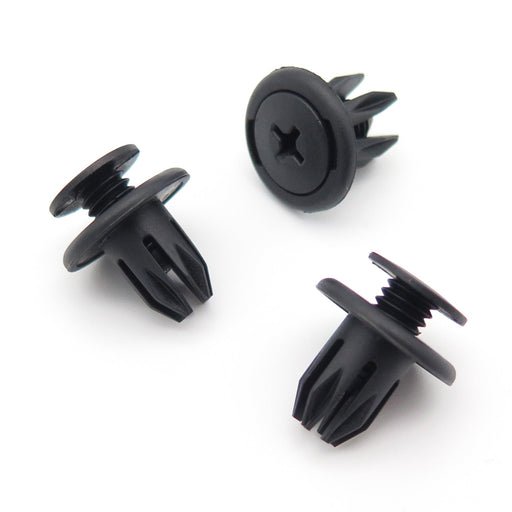
Push Rivets
Push rivets are simple fasteners that hold bumper panels together. They have a pin that pushes into the hole, expanding the rivet body. This expansion locks the rivet in place. Push rivets are easy to install and remove without tools.
Trim Clips
Trim clips secure plastic and fabric trims on bumpers. They clip into holes and hold parts tightly. These clips prevent rattling and keep trims aligned. Trim clips come in different shapes and sizes for various parts.
Panel Fasteners
Panel fasteners attach bumper panels to the frame. They often snap or screw in place. Panel fasteners provide a strong hold but allow easy panel removal. They protect the car body from damage during impacts.
Plastic Bolts
Plastic bolts function like metal bolts but resist rust and corrosion. They screw into plastic or metal parts to secure bumpers. Plastic bolts offer durability and strength for long-term use. They usually require a screwdriver for installation.

Credit: www.amazon.ca
Materials Used For Plastic Fasteners
Plastic fasteners in car bumpers need to be strong and durable. The materials used affect their performance and lifespan. These fasteners must resist heat, chemicals, and physical stress. Different plastics offer unique benefits for these tasks.
Nylon
Nylon is a common choice for plastic screws in bumpers. It is tough and flexible. Nylon resists heat and chemicals well. It can handle vibrations without breaking. This makes it ideal for car parts that face stress.
Polypropylene
Polypropylene is lightweight and has good chemical resistance. It does not absorb water, which helps prevent rust around the fastener. This plastic is less flexible than nylon but still strong. It is often used in parts that need to stay firm and stable.
Polyethylene
Polyethylene is known for its impact resistance. It handles cold temperatures better than many other plastics. This makes it useful for bumpers in colder climates. Polyethylene also resists many chemicals, keeping fasteners intact over time.
Functions Of Plastic Screws In Bumpers
Plastic screws in car bumpers are often called trim fasteners or bumper clips. They hold bumper parts together securely and resist rust. These screws keep bumpers stable and easy to remove for repairs.
Plastic screws in car bumpers play a vital role in vehicle safety and maintenance. These small components ensure that bumper panels remain securely attached. They also contribute to the overall durability and longevity of the vehicle. Understanding their functions can help in maintaining a car's structural integrity and aesthetic appeal.
Securing Bumper Panels
Plastic screws hold bumper panels in place. They ensure the panels remain fixed during driving. This stability prevents the panels from detaching, which could cause safety risks. They also make it easier to align panels properly.
Vibration Dampening
Plastic screws help reduce vibrations. They create a snug fit between components. This prevents rattling noises and enhances the driving experience. Their flexibility helps absorb minor impacts and vibrations.
Corrosion Resistance
Plastic screws resist rust and corrosion. Metal screws can corrode, leading to loose attachments. Plastic screws maintain their integrity over time. They ensure that the bumper remains securely attached without the risk of rust. This helps in preserving the vehicle's exterior appearance.
Common Sizes And Shapes
Plastic screws used in car bumpers come in various sizes and shapes, designed to fit specific mounting points and ensure a secure hold. Knowing these differences helps you pick the right screw for repairs or replacements, saving time and avoiding damage. Let’s break down the common types you’ll encounter.
Head Types
Plastic screws for bumpers usually have heads designed for easy installation and removal. The most common are:
- Phillips Head:Cross-shaped and widely used, offering good grip with a screwdriver.
- Torx Head:Star-shaped, providing better torque and reducing cam-out.
- Hex Head:Six-sided, allowing use with a wrench or socket for tighter fastening.
- Push-Type Head:Designed for quick snap-in installation without tools.
Choosing the right head type affects how easily you can work on your bumper. Have you noticed how some screws strip quickly? Picking the right tool and head can prevent that.
Shank Designs
The shank is the part of the screw that goes into the bumper or mounting hole. Plastic screws come with different shank shapes to match hole types and provide firm holds:
- Threaded Shank:Classic screw threads for secure fastening in pre-tapped holes.
- Barbed Shank:Features ridges or barbs that grip plastic panels when pushed in.
- Ribbed Shank:Similar to barbed but with ribs that reduce vibration and loosening.
Understanding shank designs helps you avoid loose bumpers or damage from forcing the wrong screw. Ever struggled with a screw that just wouldn’t hold? It might be the shank type.
Length Variations
Plastic screws in bumpers come in different lengths to suit varying thicknesses of materials. The length you need depends on the panel depth and the mounting surface behind it.
- Short screws (around 10-15mm) are ideal for thin plastic panels.
- Medium lengths (20-30mm) work well for thicker bumper sections or combined layers.
- Long screws (over 30mm) are used when fastening into metal brackets or deeper mounts.
Picking the right length prevents over-tightening or insufficient grip. When was the last time a screw felt too short or too long during your car repair? Getting it right makes all the difference.
How To Remove And Replace Plastic Fasteners
Removing and replacing plastic fasteners in car bumpers is a common task during repairs or upgrades. These fasteners hold the bumper securely and need careful handling to avoid damage. The process is simple with the right tools and steps. Follow the guide below to ensure a smooth removal and replacement.
Tools Needed
- Plastic trim removal tool
- Flathead screwdriver
- Pliers
- Replacement plastic fasteners
- Gloves for hand protection
Step-by-step Process
- Locate the plastic fasteners on the bumper.
- Use the trim removal tool or flathead screwdriver to gently pry up the center pin.
- Once the pin is loose, pull out the entire fastener carefully.
- Remove the bumper if necessary to access all fasteners.
- Insert new fasteners by aligning them with the holes.
- Push the center pin in to secure the fastener firmly.
- Check all fasteners for proper fit and tightness.
Tips To Avoid Damage
- Always use plastic tools to prevent scratching the bumper.
- Work slowly and gently to avoid breaking the fasteners.
- Wear gloves to protect your hands from sharp edges.
- Keep all removed fasteners in a safe place until replacement.
- Replace old or worn fasteners to maintain bumper stability.
Where To Buy Replacement Plastic Screws
Finding the right replacement plastic screws for your car bumper can be tricky. These small parts are essential for keeping your bumper secure and looking clean. Knowing where to buy them saves you time and frustration, especially if you want the perfect fit and quality.
Auto Parts Stores
Local auto parts stores often carry a variety of plastic screws designed for bumpers. Visiting in person lets you compare sizes and types directly. You can ask staff for advice, which helps if you’re unsure about the exact screw model you need.
Many stores also offer kits with different screw sizes, which is handy if you want to keep spares. Have you ever bought the wrong screw size online? Getting them at a store lets you avoid that hassle instantly.
Online Retailers
Shopping online gives you access to a wide range of plastic screws for almost every car model. Websites like Amazon, eBay, and specialized auto parts stores provide detailed descriptions and reviews. This helps you pick the right screw without leaving your home.
Be sure to check your car's make and model to find compatible screws. Some sellers offer bulk packs, which can save money if you need multiple replacements. Don’t underestimate the convenience of doorstep delivery for those small but important parts.
Specialty Suppliers
Specialty suppliers focus specifically on fasteners and automotive hardware. They often stock high-quality plastic screws that match OEM standards. These suppliers are perfect if you want parts that meet or exceed factory quality.
They may also provide technical support or guidance on the best screws for your bumper. If you need a rare or hard-to-find screw, specialty suppliers are your best bet. Have you checked if your local specialty supplier offers custom sizes or materials?
Benefits Of Using Plastic Screws In Bumpers
Plastic screws in car bumpers offer several advantages that make them a popular choice in automotive assembly. These fasteners are designed not just to hold parts securely but also to improve the overall efficiency and durability of the vehicle. Understanding their benefits can help you appreciate why manufacturers rely on them and why you might want to consider them for repairs or upgrades.
Lightweight Properties
Plastic screws are much lighter than metal ones, which helps reduce the overall weight of your car. This reduction can improve fuel efficiency, even if only slightly, which adds up over time. Have you ever noticed how every small change in weight can impact your vehicle’s performance?
Additionally, plastic screws don’t add unnecessary bulk, making them perfect for use in areas like bumpers where space and weight matter. Their lightweight nature also means less stress on the materials they secure, reducing the chances of damage during impacts.
Cost-effectiveness
Plastic screws generally cost less to produce than metal screws, which translates to savings for both manufacturers and consumers. If you’re fixing your bumper yourself, plastic screws are an affordable option that doesn’t compromise on strength for everyday use.
They’re also resistant to rust and corrosion, which means you won’t have to replace them frequently. Think about how much you spend on maintenance—choosing plastic screws can help cut those costs over the long run.
Ease Of Installation
One of the biggest advantages of plastic screws is how easy they are to install. You don’t need specialized tools or techniques, which makes DIY repairs more accessible. Have you ever struggled with rusty or stripped metal screws? Plastic screws avoid these common frustrations.
Their design often includes features that allow them to snap or twist into place quickly, saving you time during installation. This ease encourages you to tackle minor repairs yourself, keeping your car in good shape without extra expense.

Credit: www.aliexpress.com
Frequently Asked Questions
What Are Plastic Screws In Car Bumpers Called?
Plastic screws in car bumpers are commonly called push rivets or plastic fasteners. They secure bumper panels without metal threads.
Why Use Plastic Screws In Car Bumpers?
Plastic screws resist rust and corrosion, making them ideal for exterior car parts exposed to weather.
How To Remove Plastic Screws From Car Bumpers?
Use a flathead screwdriver or a trim removal tool to gently pry out plastic screws without damage.
Can Plastic Screws Be Reused On Car Bumpers?
Plastic screws often lose grip after removal and should be replaced to ensure a secure fit.
Conclusion
Plastic screws in car bumpers are often called push rivets or trim clips. These small parts hold the bumper securely without rusting. Knowing their name helps when you need repairs or replacements. They are easy to find at auto parts stores.
Using the right type keeps your bumper tight and safe. Next time you fix your car, remember these simple fasteners. They play a quiet but important role. Understanding them makes car care simpler and less stressful.