
Have you ever seen the letters "ABS" light up on your car’s dashboard and wondered what it means? That little warning can catch you off guard, especially when you’re focused on the road.
Understanding what ABS stands for and why it matters can make a big difference in how you handle your car—and your safety. You’ll discover exactly what ABS means, why it’s important, and what you should do if that light comes on while you’re driving.
Keep reading to stay in control and protect yourself behind the wheel.
Abs Symbol On Dashboard
The ABS symbol on your car dashboard is a small but important indicator that tells you about the status of your vehicle's Anti-lock Braking System. Understanding this symbol can help you stay safe on the road and avoid costly repairs. Let's take a closer look at what this symbol looks like and when you should pay attention to it.
Appearance And Location
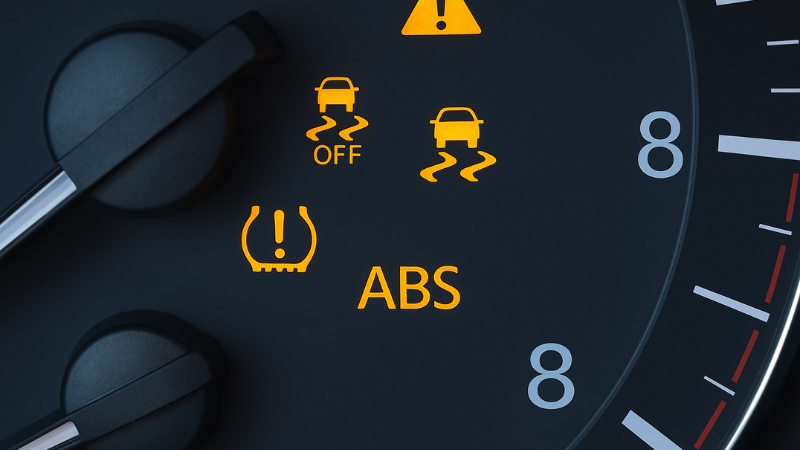
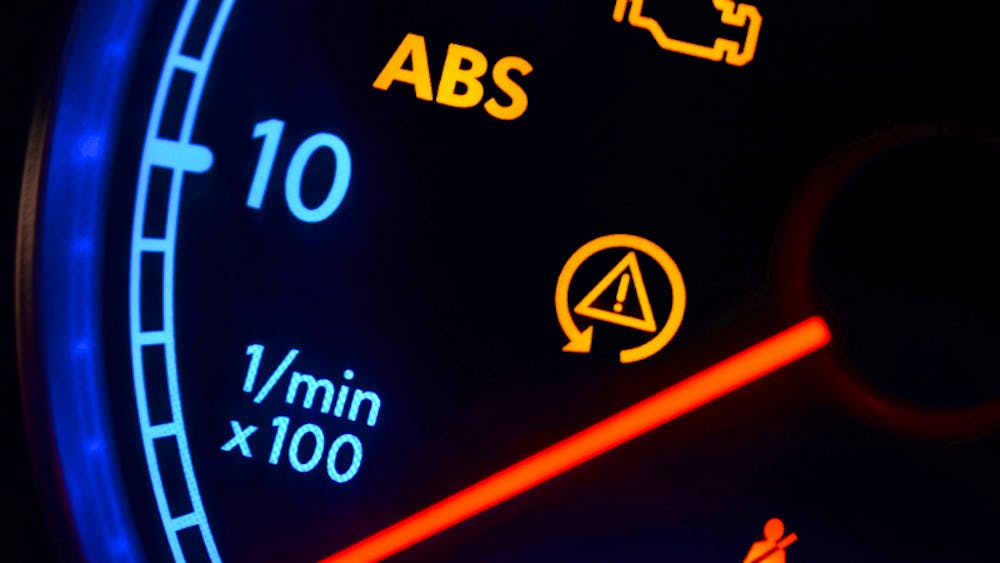
The ABS symbol usually looks like the letters ABSenclosed in a circle or a rectangle. It’s often accompanied by a small brake icon or exclamation mark. This symbol is typically found on the dashboard among other warning lights, near the speedometer or tachometer.
Its color is usually yellow or amber, which means caution. Unlike red warning lights, yellow suggests a system issue that needs attention but doesn't require you to stop immediately. Have you noticed how easily this symbol stands out against the dark dashboard background? That’s designed to catch your eye quickly.
When It Lights Up
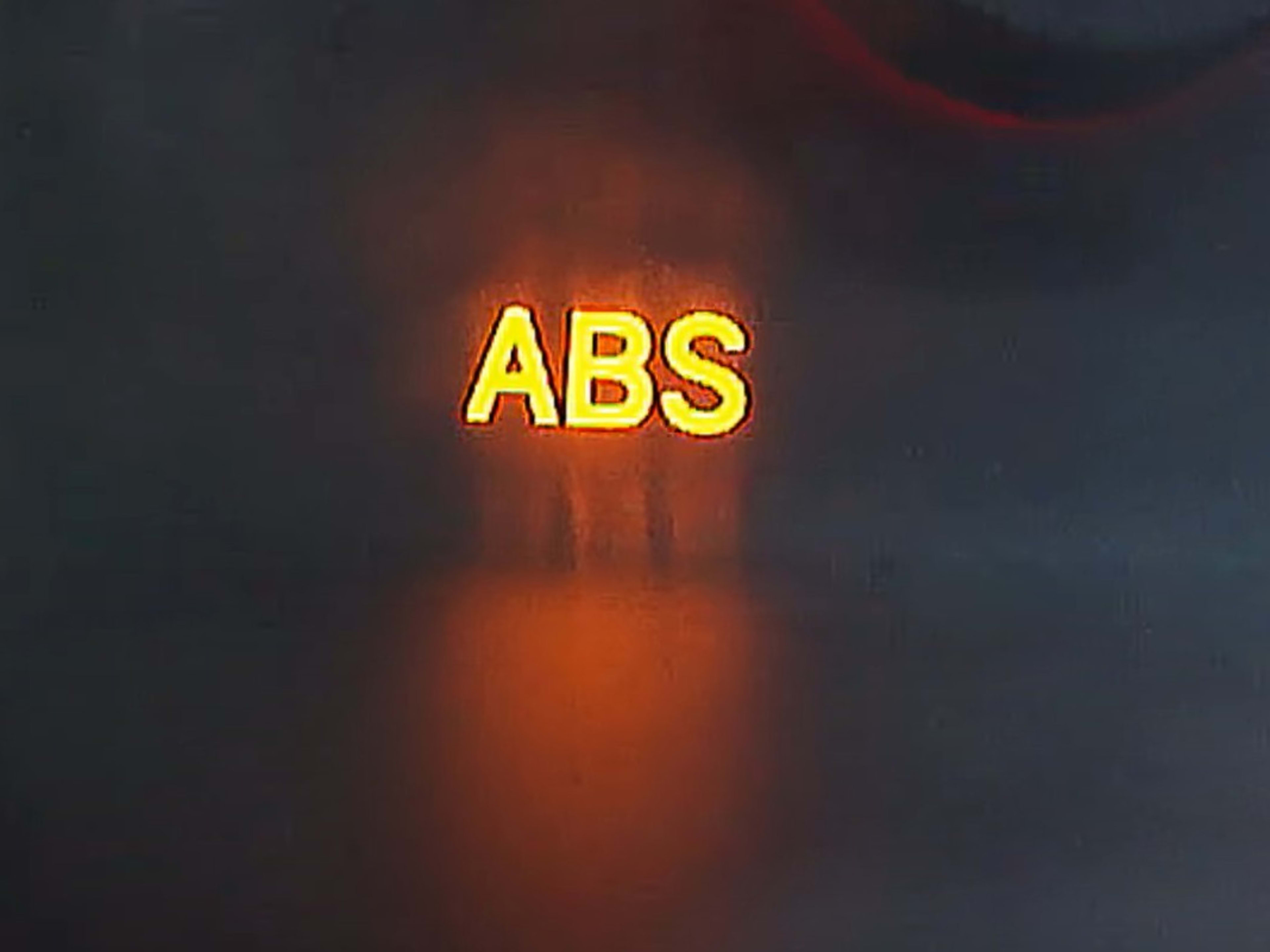
The ABS light turns on briefly when you start your car, as the system runs a self-check. If it goes off after a few seconds, everything is working fine. But if the light stays on or comes on while driving, it means the ABS system is malfunctioning.
This doesn’t mean your brakes won’t work, but the anti-lock feature might be disabled. You could lose better control during sudden stops or on slippery roads. Think about your last emergency stop—would you want the ABS to fail then?
Pay close attention if the ABS light stays on. You should get your brakes checked by a professional as soon as possible to ensure your safety. Ignoring this warning can lead to more serious brake problems and higher repair costs.
Role Of Abs In Vehicles
The Anti-lock Braking System (ABS) plays a vital role in vehicle safety. It helps drivers maintain control during sudden stops. ABS prevents the wheels from locking up, which can cause skidding. This system works by quickly modulating brake pressure. It allows the driver to steer while braking hard. Understanding ABS’s role helps appreciate its importance on the dashboard.
Preventing Wheel Lock
ABS stops the wheels from locking during heavy braking. Locked wheels lose traction and cause skidding. Skidding reduces the driver’s ability to control the vehicle. ABS senses when a wheel is about to lock. It then reduces brake pressure to that wheel. This action repeats many times per second. It keeps the wheels turning and maintains grip on the road.
Improving Braking Control
ABS improves braking control by balancing brake force. It helps the vehicle stop in a shorter distance on slippery roads. The system allows drivers to steer while braking hard. This can avoid obstacles and prevent accidents. ABS provides consistent braking performance in different conditions. It supports safer driving by increasing vehicle stability during stops.
Common Causes For Abs Warning
The ABS warning light often appears due to faulty wheel sensors or low brake fluid. Damaged wiring or a worn ABS module can also trigger the alert. Regular checks help keep the system working properly.
A glowing ABS light on your car dashboard can be concerning. It signals potential issues with your anti-lock braking system, an essential feature for safe driving. Understanding the common causes for ABS warnings can help you address the issue effectively and keep your vehicle in top shape.
Sensor Issues
ABS systems rely heavily on wheel speed sensors. These sensors monitor the speed of each wheel and relay information to the car's computer system. If a sensor is dirty, damaged, or malfunctioning, it might send incorrect data, triggering the ABS warning light. You might have experienced this when driving on muddy or snowy roads. Debris or ice can cover the sensors, leading to false alarms. Regular maintenance and cleaning can often prevent sensor-related problems.
Hydraulic Problems
The hydraulic system is another crucial component of the ABS. It uses brake fluid to apply pressure to the brakes. Leaks, air bubbles, or low fluid levels can disrupt the system's function, causing the ABS warning light to illuminate. Have you ever noticed your brake pedal feeling spongy or soft? This could be a sign of hydraulic issues. Ensuring your brake fluid is at the right level and free of contaminants can maintain the system’s efficiency.
Electrical Faults
Electrical faults can also lead to ABS warnings. The system relies on a complex network of wiring and fuses. Any break in the circuit can prevent proper communication between the ABS components. Imagine flipping a light switch and having no response. This is similar to how electrical faults in the ABS system behave. Regular inspections can help identify and rectify these issues before they escalate. Have you ever ignored a dashboard warning light, hoping it would go away on its own? It's tempting, but addressing ABS warnings promptly can ensure your safety on the road. Are you prepared to tackle these common causes head-on?

Credit: www.youtube.com
Impact Of Abs Malfunction
An ABS malfunction can affect your vehicle’s safety and control. The Anti-lock Braking System helps prevent wheel lock-up during hard braking. When it stops working, the car might not respond as expected on the road. This section explains the main impacts of an ABS failure.
Safety Risks
Without a working ABS, wheels can lock during sudden stops. Locked wheels reduce steering control, increasing the chance of skidding. Skidding on wet or icy roads can lead to accidents. Drivers may find it harder to avoid obstacles in emergencies. The risk of collisions rises significantly without ABS support.
Effect On Braking Performance
ABS helps maintain traction by adjusting brake pressure. A malfunction means braking becomes less smooth and effective. Stopping distances can increase, especially on slippery surfaces. You might feel the brakes pulsing or no feedback at all. This makes braking unpredictable and less reliable in critical moments.
Steps To Take When Abs Light Activates
Seeing the ABS light on your dashboard can be unsettling. It signals that your car’s Anti-lock Braking System may not be working correctly. Knowing what to do immediately can keep you safe and prevent further damage to your vehicle.
Initial Checks
Start by checking the basics under your control. Look at your brake fluid level; low fluid often triggers the ABS warning. Also, inspect your tires—uneven wear or low pressure can affect ABS sensors.
Next, think about recent driving conditions. Did you drive through deep water or mud? Sometimes, dirt or debris on the sensors can cause the light to come on. Cleaning the sensors might solve the problem temporarily.
Have you noticed any changes in braking performance? If your brakes feel different, avoid heavy braking and drive cautiously. This light might not mean your brakes have failed, but it’s a sign you shouldn’t ignore.
Professional Inspection
If the initial checks don’t clear the light, it’s time to see a professional mechanic. They can connect diagnostic tools to your car’s computer to read error codes. These codes pinpoint the exact problem with the ABS system.
A trained technician will check the wheel speed sensors, wiring, and the ABS control module. Sometimes, a simple sensor replacement fixes the issue. Other times, more complex repairs are necessary.
Don’t delay this inspection. Driving with a faulty ABS can increase the risk of skidding during emergency braking. Have you scheduled your next service appointment yet? This could be the perfect time to get it done.
Credit: axleaddict.com
Maintaining Abs System
Maintaining the ABS system ensures your car stays safe during emergency stops. The Anti-lock Braking System prevents wheels from locking. This helps keep control while braking hard. Regular care keeps the system working well. It also extends the life of your brakes and sensors.
Regular Brake Service
Brake pads wear out over time and need checks. Worn pads reduce ABS effectiveness. A mechanic inspects brake fluid levels and lines. Fresh brake fluid helps the ABS work smoothly. Regular service detects problems early. It keeps the braking system ready for use.
Sensor Cleaning And Replacement
ABS sensors track wheel speed to control braking. Dirt or rust on sensors causes wrong signals. Clean sensors regularly to avoid ABS warnings. Sometimes sensors wear out and must be replaced. A faulty sensor stops the ABS from working. Proper sensor care ensures the system stays reliable.
Credit: www.cartalk.com
Frequently Asked Questions
What Does Abs Light On A Car Dashboard Mean?
The ABS light indicates the Anti-lock Braking System status. If it stays on, ABS may be malfunctioning and needs checking.
Why Is My Abs Light Suddenly Turning On?
The ABS light can turn on due to sensor failure, low brake fluid, or electrical issues. Immediate inspection is advised.
Can I Drive With The Abs Warning Light On?
Yes, you can drive, but ABS may not work properly. Braking safety can be compromised, so get it checked quickly.
How To Reset The Abs Light On My Car?
Resetting usually requires a diagnostic tool or professional service. Disconnecting the battery may reset it temporarily but isn’t a fix.
Conclusion
The ABS light on your car dashboard shows the status of the anti-lock brake system. It helps keep control during hard braking. If the light stays on, it means the system needs attention. Driving with ABS problems can be risky.
Getting your brakes checked early keeps you safe. Understanding this light helps you react quickly. Stay alert and keep your car in good shape. Safe driving starts with knowing your dashboard signals.