
When it comes to your car battery, understanding what group size means can save you from costly mistakes. You might think all batteries are the same, but the group size actually plays a big role in how well your battery fits and performs.
If you choose the wrong size, your car might not start, or worse, you could damage your vehicle. You’ll discover exactly what group size means, why it matters to your car, and how to pick the right one every time.
Keep reading—you’ll never look at car batteries the same way again.
Credit: www.autobatteries.com
Car Battery Group Size Basics
Understanding the basics of car battery group size is essential for anyone looking to replace or upgrade their vehicle’s battery. It’s not just about power; it’s about making sure the battery fits perfectly in your car’s battery tray and connects properly to your vehicle’s electrical system. Knowing these basics helps you avoid common mistakes that can lead to poor battery performance or even damage.
Definition And Importance
Group size refers to the physical dimensions, terminal locations, and type of a car battery. It’s a standardized way to classify batteries so you can find the right fit for your vehicle. Choosing the correct group size ensures the battery fits securely and the terminals align with your car’s cables.
Why does this matter? A battery that’s too big or too small can cause mounting problems or damage to your car. Plus, the wrong terminal layout can lead to connection issues, which might leave you stranded.
How Group Size Affects Battery Fit
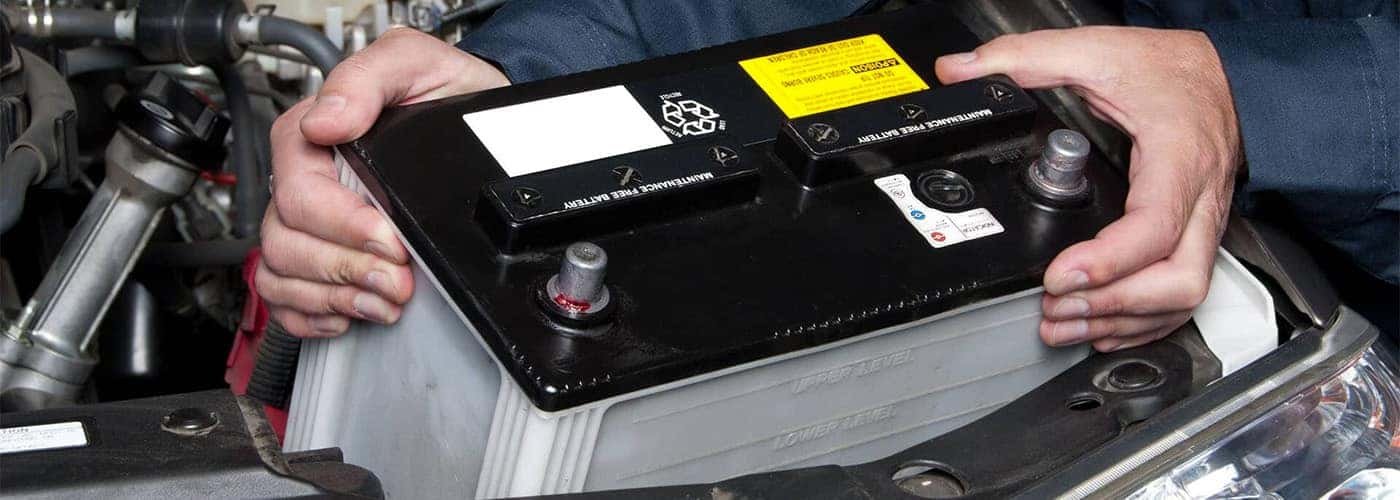
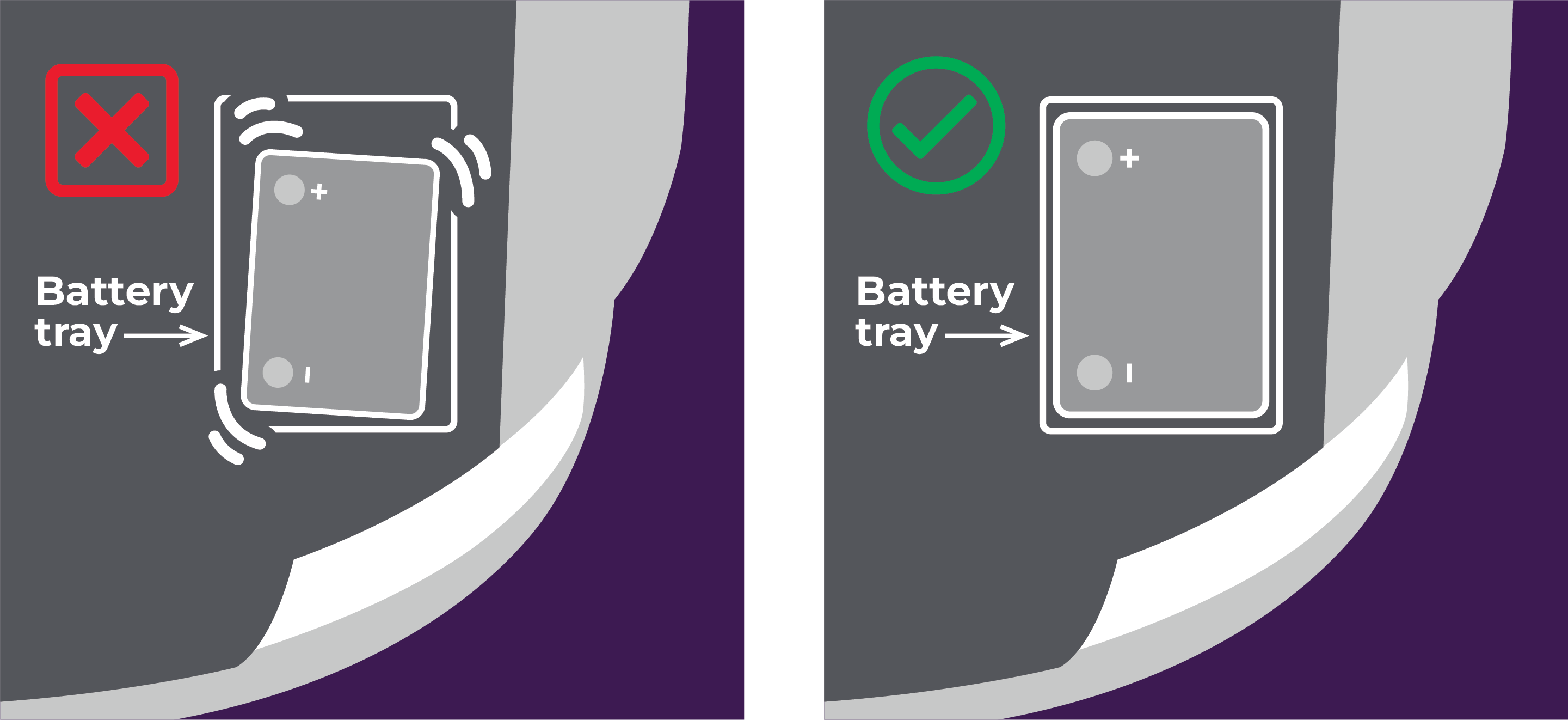
Think of your car’s battery tray like a puzzle piece—it has to match perfectly with the battery. The group size dictates the battery’s length, width, and height, so you get a snug fit. If the battery is loose, it can vibrate, shortening its lifespan and causing electrical problems.
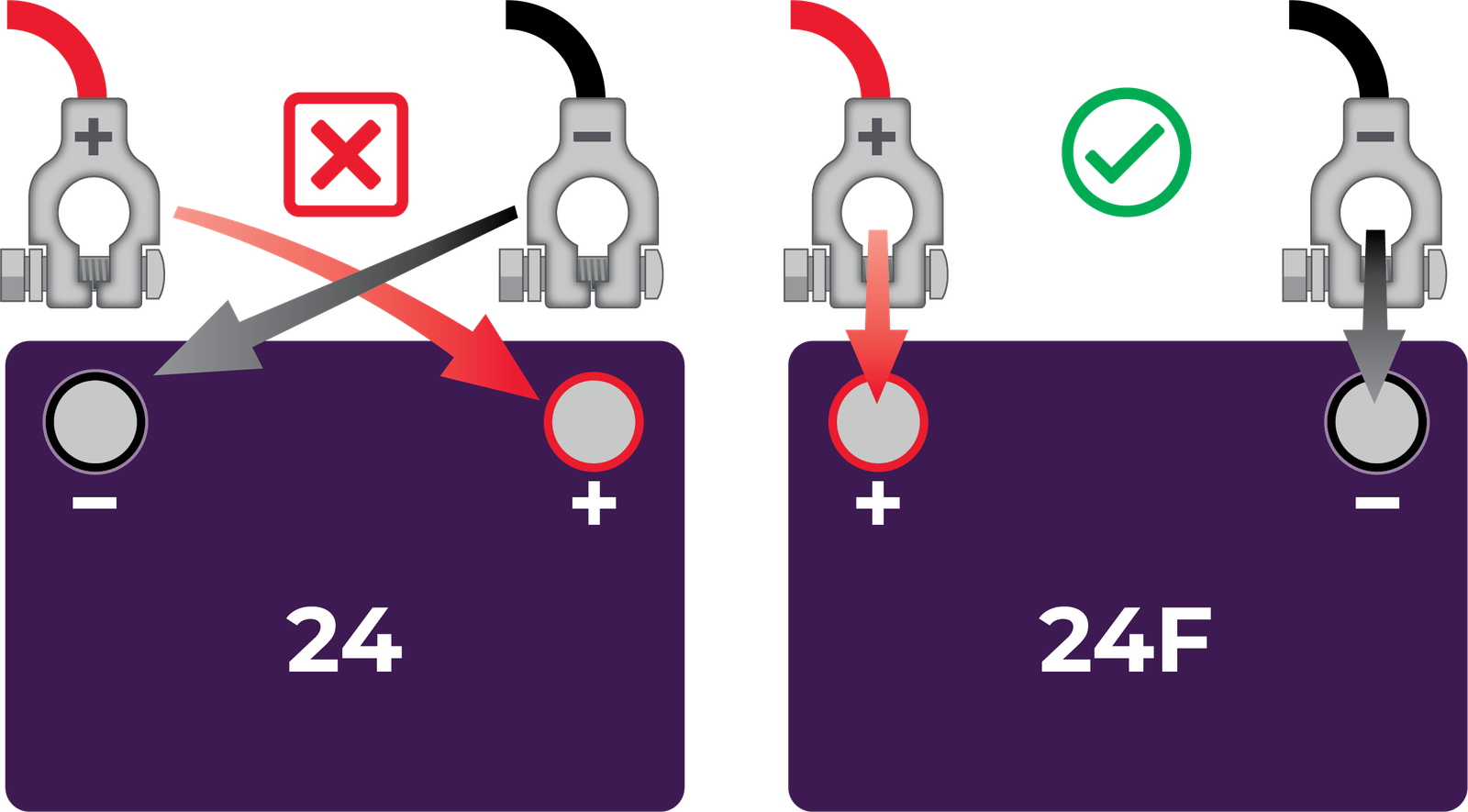
Terminal placement is just as crucial. Some group sizes have top terminals, others side terminals, and their positions vary. If you pick a battery with terminals in the wrong spot, the cables won’t reach or connect properly.
Common Group Sizes Explained
Car batteries come in many group sizes, but some are more common than others. Here are a few you might encounter:
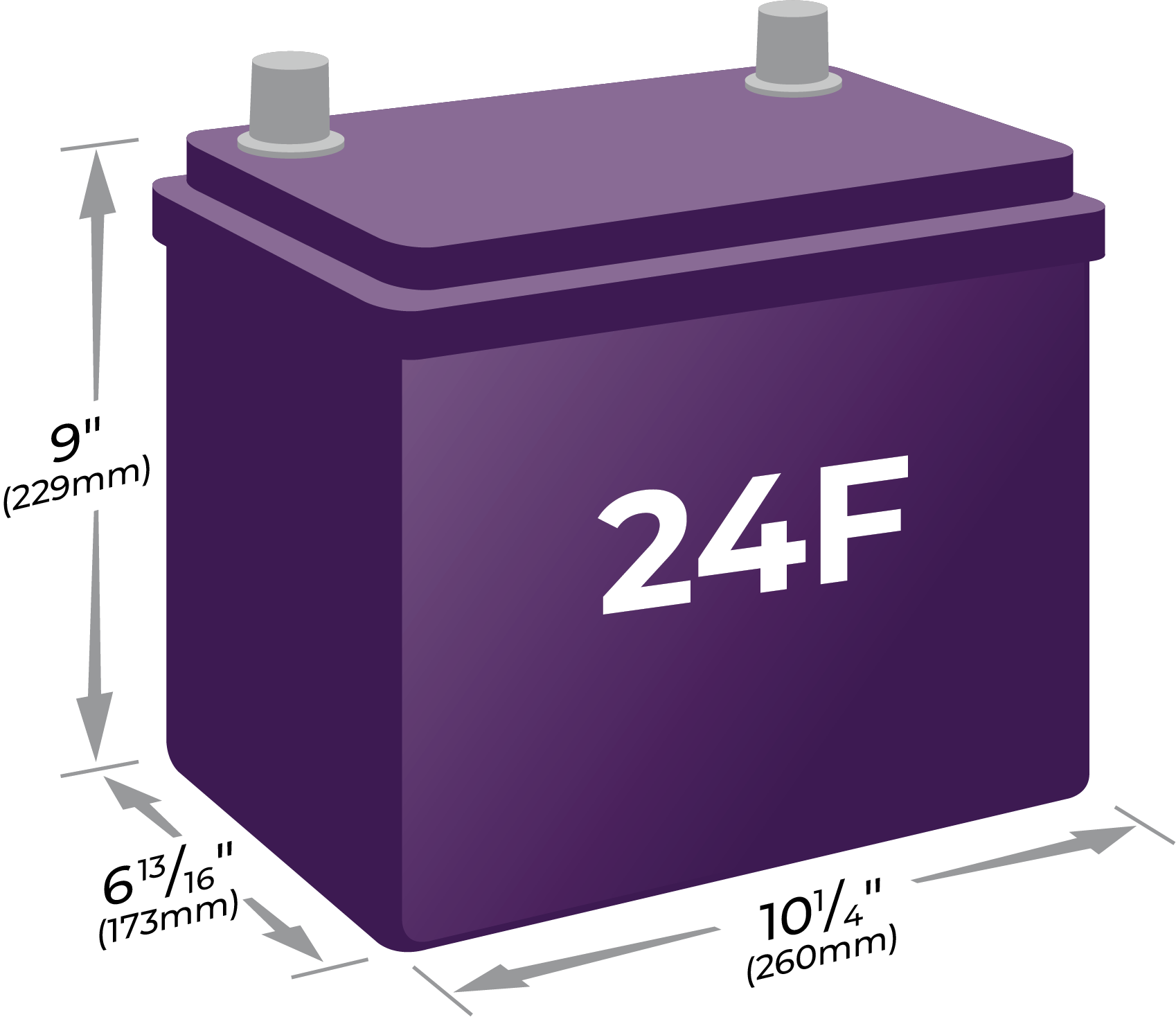
- Group 24: Popular in mid-sized cars and SUVs. Measures about 10 inches long and 6.8 inches wide.
- Group 35: Often found in compact cars. Slightly smaller and lighter than Group 24.
- Group 75: Used in larger vehicles like trucks and vans. Bigger and offers higher power capacity.
- Group 48 (H6): Common in many newer cars, known for its balance between size and power.
Have you ever replaced a battery only to find it didn’t fit right? Checking the group size first can save you time and hassle. What’s your experience with battery fit issues?
Credit: www.autobatteries.com
Measuring Group Size
Measuring group size on a car battery is more than just a number; it’s about fitting the right battery perfectly into your vehicle. Understanding what group size means helps you avoid installation issues and ensures your battery delivers the power your car needs. Let’s break down how group size is measured and why each aspect matters.
Physical Dimensions
The physical size of a battery is the first thing to check. Group size refers to the length, width, and height of the battery case. These dimensions must match the space in your car’s battery tray exactly.
For example, if a battery is too large, it might not fit securely. If it’s too small, it can move around and cause damage. Always measure your current battery or check your car’s manual to find the right group size.
Terminal Placement
Terminal placement is just as important as size. Group sizes also specify where the positive and negative terminals are located on the battery. This affects how you connect the battery cables.
Imagine buying a battery with terminals on the opposite side; you’d struggle to reach the cables, or worse, install it incorrectly. Matching terminal placement ensures a smooth, safe installation and proper electrical flow.
Capacity And Power Ratings
Group size often corresponds with the battery’s capacity and power ratings. This includes the Cold Cranking Amps (CCA) and Reserve Capacity (RC), which indicate how much power the battery can deliver and for how long.
Choosing a battery with the right capacity means your car will start reliably, even in cold weather. Have you ever had your car fail to start on a chilly morning? That’s often a sign of insufficient power rating.
Check the battery label or specifications to compare these ratings within the same group size. Picking the right capacity ensures your battery meets your driving needs without wasting money on extra power you don’t require.
Choosing The Right Group Size
Group size on a car battery refers to its physical dimensions and terminal placement. Choosing the right size ensures a proper fit and reliable connection. This helps the battery work well with your vehicle’s design and power needs.
Choosing the Right Group Size Selecting the right group size for your car battery is crucial for ensuring optimal performance and longevity. Group size refers to the physical dimensions, terminal locations, and type of your battery. It’s like finding the perfect pair of shoes; it must fit just right to function properly.
Matching Manufacturer Specifications
Always check your vehicle’s owner manual for the manufacturer’s recommended group size. This ensures the battery fits securely and connects correctly with your car’s terminals. Ignoring these specifications could lead to a battery that doesn’t fit or function properly, causing unnecessary headaches.
Impact On Vehicle Performance
Using the correct group size can significantly affect your vehicle’s performance. A properly sized battery provides the right amount of power needed to start your engine efficiently. Have you ever experienced a sluggish start? It might be a sign that the battery size isn’t optimal for your vehicle.
Consequences Of Incorrect Size
Choosing an incorrect battery size can lead to multiple issues. An oversized battery might not fit well, while an undersized one may not have sufficient power. Both scenarios can lead to frequent battery failures, leaving you stranded at the most inconvenient times. In my own experience, switching to the recommended group size eliminated my frequent starting issues. It’s a simple change that made a world of difference. Don’t underestimate the importance of getting the right fit; it’s an investment in your vehicle’s health.

Credit: www.autobatteries.com
Group Size And Battery Maintenance
The group size of a car battery plays a key role in how you maintain it. This size refers to the battery’s dimensions and terminal placements. Choosing the right group size ensures the battery fits perfectly in your car’s battery tray. It also affects how easy it is to install, store, and replace the battery. Proper maintenance extends the battery’s life and keeps your car running smoothly. Understanding group size helps with better care and handling.
Installation Tips
Select a battery that matches your vehicle’s group size exactly. This prevents loose fitting or pressure on battery terminals. Always clean the battery tray before installing a new battery. Secure the battery tightly using the hold-down clamp to avoid movement. Connect the positive terminal first, then the negative one for safety. Avoid over-tightening the terminal clamps to prevent damage.
Storage And Handling
Store batteries in a cool, dry place away from direct sunlight. Keep them upright to avoid acid leaks. Avoid stacking batteries on top of each other. Use insulated gloves when handling to protect your hands. Check battery voltage regularly if stored for long periods. Charge the battery every few months to maintain its health.
Replacing Old Batteries
Replace your battery when it shows signs of failure, like slow engine start. Match the new battery’s group size to your vehicle’s requirements. Dispose of old batteries at authorized recycling centers. Avoid mixing old and new batteries in the same vehicle. Test the new battery’s voltage before installation to ensure it is fully charged. Proper replacement prevents electrical issues and extends vehicle life.
Comparing Group Sizes Across Brands
Comparing group sizes across car battery brands helps you pick the right fit. Group size defines a battery’s physical dimensions, terminal locations, and type. Different brands may list the same group size but vary slightly in design. Understanding these variations avoids installation problems and performance issues.
Compatibility Issues
Not all batteries labeled with the same group size fit perfectly. Terminal placements or battery height might differ. These small changes can cause cables to stretch or not reach terminals. Always check your vehicle’s manual for exact specifications. Test fitting before purchase avoids returns and extra trips.
Brand-specific Variations
Brands often tweak battery designs within the same group size. Some use thicker plates or different internal structures for durability. Others focus on cold cranking amps or reserve capacity. These variations impact battery life and performance. Choose a brand that matches your climate and driving habits.
Price And Warranty Differences
Price varies widely among brands for the same group size. Premium brands usually offer longer warranties and better customer support. Budget options might have shorter life spans or less robust construction. Compare warranty terms closely. A longer warranty often signals higher confidence in product quality.
Future Trends In Battery Group Sizes
Battery group sizes are evolving as technology changes. This evolution affects how car batteries fit and perform. Future trends focus on making batteries more efficient and compatible with new vehicle designs. These trends also aim to simplify choices for consumers and manufacturers.
Advances In Battery Technology
New materials and designs improve battery power and lifespan. Smaller batteries may deliver the same or more energy. This means group sizes might shift to support these compact, powerful cells. Innovations like lithium-ion and solid-state batteries lead this change.
Standardization Efforts
Industry groups work to create common standards for battery sizes. Standardizing group sizes helps reduce confusion and makes replacements easier. It also supports global trade and manufacturing efficiency. Clearer standards benefit both mechanics and car owners.
Impact On Electric Vehicles
Electric vehicles use different battery needs than traditional cars. Battery group sizes for EVs focus on larger capacity and modular setups. Future EV designs might require new group size categories. This will help improve vehicle range and charging speed.
Frequently Asked Questions
What Is Group Size On A Car Battery?
Group size refers to the battery's physical dimensions and terminal locations. It ensures the battery fits properly in your vehicle's battery tray. Choosing the correct group size helps maintain secure connections and optimal performance.
Why Does Group Size Matter For Car Batteries?
Group size matters because it ensures compatibility with your vehicle. A wrong size may cause poor fit, loose terminals, or damage. Proper group size guarantees safe installation and reliable power delivery.
How Do I Find My Car Battery Group Size?
Check your vehicle's owner manual or existing battery label for group size info. You can also consult auto parts stores or online databases by vehicle make and model.
Can I Use A Different Group Size Battery?
Using a different group size is not recommended. It may cause fitting issues or electrical problems. Always choose a battery matching your vehicle’s specified group size.
Conclusion
Group size on a car battery tells you its physical size and shape. This helps fit the battery properly in your vehicle. Choosing the right group size avoids installation problems and battery damage. It also ensures the battery connects well with cables.
Remember, the correct size supports your car’s power needs. Always check your car manual or ask a professional for the right group size. This simple step keeps your car running smoothly and avoids battery issues. Understanding group size makes battery shopping easier and safer.