

When it comes to your car’s battery, choosing the right wire gauge is more important than you might think. Using the wrong size wire can cause poor performance, damage, or even safety issues.
If you’ve ever wondered, “What gauge wire is a car battery supposed to have? ” you’re in the right place. This article will help you understand exactly which wire size fits your car’s battery needs—and why it matters for your vehicle’s health.
Keep reading to make sure your car runs smoothly and safely every time you turn the key.
Car Battery Wire Basics
Understanding the basics of car battery wire helps maintain your vehicle’s electrical system. The wire connects the battery to various parts of the car. It carries the electrical current needed to start the engine and power electronics. Choosing the right wire ensures safety and efficiency.
Wire Gauge And Its Role
Wire gauge measures the thickness of the wire. Thicker wires carry more current safely. Thin wires can overheat and cause electrical problems. The gauge number is inversely related to thickness. A smaller gauge number means a thicker wire. Proper wire gauge prevents voltage drops and power loss.
Common Wire Gauges For Cars
Car wires usually range from 4 to 14 gauge. Battery cables are often 4 or 6 gauge for high current flow. Smaller wires like 10 to 14 gauge connect lights and smaller devices. Using the right gauge keeps your car’s electrical system reliable. Too thin wires can cause failures or damage.

Credit: www.amazon.com
Factors Influencing Wire Gauge Choice
Choosing the right wire gauge for your car battery isn't just about picking a number off the shelf. Several key factors influence this decision, and understanding them can save you from costly mistakes or performance issues. Let’s break down what you need to consider to make the best choice for your vehicle’s wiring.
Current Load Requirements
The wire gauge must support the amount of current your car battery and electrical system draw. Higher current requires thicker wire to prevent overheating and voltage drop. Think about your vehicle’s accessories—do you have high-powered audio systems or additional lighting? These increase current load and demand a lower gauge (thicker) wire.
Underestimating current load can lead to wire damage or even fire hazards. Have you ever experienced dimming lights when starting your car? That’s often a sign your wire gauge doesn’t handle the current properly.
Length Of Wire Runs
Longer wire runs cause more voltage drop, which means the electrical power reaching your components weakens. To counter this, you must increase the wire gauge as the length increases. For example, a 10-foot run might be fine with 8-gauge wire, but a 20-foot run may require 6-gauge.
Don’t guess the length—measure carefully from the battery to the component. This simple step can prevent headaches down the road and ensure your system runs smoothly.
Temperature And Environment
Wiring near hot engine parts or in harsh environments needs special attention. High temperatures reduce a wire’s current-carrying capacity, so you might need a thicker gauge than usual. Also, consider if your wires are exposed to moisture, chemicals, or abrasion, as this affects insulation and durability.
Ask yourself: Is the wire routed through the engine bay, or tucked safely inside the cabin? The answer changes the gauge and type of wire you should use to maintain safety and performance.
Safety Considerations
Choosing the right gauge wire for your car battery isn't just about performance—it’s a critical safety matter. Using incorrect wire size can lead to serious risks like overheating, voltage drops, and even electrical shorts. Understanding these safety aspects helps you protect your vehicle and yourself.
Preventing Overheating
Overheating happens when the wire gauge is too small for the current it carries. Thin wires resist electrical flow, causing heat buildup that can melt insulation or damage components.
Have you ever touched a wire that felt unusually warm? That's a warning sign. Using a thicker wire gauge reduces resistance and keeps temperatures safe.
- Always check the recommended wire gauge for your battery’s amperage.
- Never guess; underestimating current needs leads to heat risks.
- Consider the length of the wire—longer runs need thicker wire to prevent overheating.
Avoiding Voltage Drops
Voltage drop occurs when the wire is too thin or too long, causing a loss in power before it reaches your vehicle’s systems. This can lead to poor performance or failure of electrical components.
Think about how frustrating it is when your car’s electronics act up. It might be your wire gauge causing the issue.
- Use a wire gauge that matches both your current and distance needs.
- Calculate voltage drop to ensure your devices get proper voltage.
- Remember, a small voltage drop can mean big problems for sensitive electronics.
Proper Insulation And Protection
Even with the right gauge, improper insulation can lead to shorts, corrosion, or damage from vibrations. The wire’s protective covering is your first line of defense.
I once saw a car battery cable with cracked insulation causing a dangerous short circuit. It could have been prevented with better protection.
- Choose wires with insulation rated for automotive environments.
- Secure wires away from sharp edges or moving parts.
- Inspect wiring regularly and replace damaged insulation immediately.
Performance Impacts
Choosing the right wire gauge affects a car battery’s power flow and overall performance. Thicker wires reduce resistance, helping your vehicle start smoothly and run efficiently. Too thin wires can cause voltage drops and weak starts.
Understanding the gauge of wire used in your car battery is crucial for maintaining your vehicle's performance. The wire gauge impacts how efficiently power is delivered, affecting various car components. This section explores the performance impacts of wire gauge on your car battery, ensuring you make informed decisions for optimal vehicle function.
Ensuring Efficient Power Delivery
The right wire gauge ensures your car battery delivers power efficiently. Thicker wires, with a smaller gauge number, offer less resistance. This means electricity flows more freely from the battery to the engine. Imagine trying to drink a thick milkshake through a narrow straw. It's hard, right? The same principle applies to electricity flowing through a wire. A thicker wire makes it easier for electricity to reach the engine, especially during cold starts.
Impact On Starter And Accessories
Your car's starter and accessories depend heavily on the wire gauge. A wire that's too thin can cause a voltage drop. This could lead to your car struggling to start or accessories not functioning properly. Have you ever noticed dimming headlights when you start your car? This could be a sign of inadequate wire gauge. Ensuring the correct gauge can prevent these issues, providing a more reliable start and consistent accessory performance.
Effects On Battery Life
The gauge of wire also influences the lifespan of your car battery. Using a wire that's too thin can strain the battery, causing it to work harder than necessary. Over time, this stress can shorten the battery's life. Think of it as running a marathon with a backpack full of bricks. Your battery shouldn't have to work harder than necessary. Choosing the correct wire gauge helps maintain battery health, saving you money in the long run. Is your car's battery wire up to the task? Ensuring the right gauge can make a significant difference in performance and longevity. Take a moment to check your vehicle's wire gauge and enjoy a smoother, more efficient ride.
Choosing The Right Wire Gauge
Choosing the right wire gauge for a car battery is essential for safety and performance. The wire gauge affects how much current can safely flow from the battery to the car’s electrical system. Using the wrong gauge can cause overheating, voltage drop, or even damage to components. Understanding the proper wire size helps maintain efficient power delivery and protects your vehicle’s electrical parts.
Consulting Manufacturer Recommendations
Start by checking the car or battery manufacturer’s guidelines. They provide specific wire gauge sizes based on the battery’s capacity and vehicle needs. Following these recommendations ensures compatibility and safety. Manufacturers test their systems to find the best wire size for performance and durability. Ignoring these guidelines might lead to electrical issues or void warranties.
Using Wire Gauge Charts
Wire gauge charts are useful tools to select the right wire size. These charts show the maximum current each wire gauge can handle safely. They also consider the wire length, which affects voltage drop. A longer wire needs a thicker gauge to maintain power. Use these charts to match your battery’s amperage and the distance from the battery to the device.
| Wire Gauge (AWG) | Max Current (Amps) | Typical Use |
|---|---|---|
| 8 | 40-55 | Small accessories, short runs |
| 4 | 70-95 | Starter cables, medium runs |
| 2 | 95-130 | High-power systems, longer runs |
| 0/1/2/0 | 150+ | Main battery cables, heavy loads |
When To Upgrade Wire Gauge
Upgrade your wire gauge if you add high-power accessories. Devices like sound systems or winches need more current. A thicker wire prevents overheating and voltage loss. Also, upgrade if you experience dim lights or slow engine starts. These signs suggest the existing wire is too thin. Using the right gauge improves reliability and protects your battery and car electronics.

Credit: temcoindustrial.com
Installation Tips
Installing the correct gauge wire for your car battery is crucial for safety and performance. Proper installation ensures the battery delivers power efficiently and lasts longer. Follow these tips to handle the wiring installation correctly and avoid common mistakes.
Tools Needed
- Wire cutters and strippers for clean wire ends
- Crimping tool to attach terminals securely
- Multimeter to check voltage and continuity
- Screwdrivers for terminal connections
- Electrical tape or heat shrink tubing for insulation
- Cable ties to organize and secure wires
Securing And Routing Wires
Route the wires away from hot engine parts and moving components. Use cable ties to keep wires tight and prevent them from hanging loose. Avoid sharp bends or kinks in the wire, as they can cause damage over time. Keep wires clear of areas prone to moisture or dirt buildup. Secure wires along the frame or inside wire looms for added protection.
Checking Connections
Ensure all wire terminals are tightly connected to the battery posts. Loose connections cause voltage drops and poor performance. Use a multimeter to verify proper voltage at the battery and at the end of the wire. Look for corrosion or frayed wire ends, and replace damaged parts immediately. Double-check that positive and negative wires are connected correctly to avoid short circuits.
Credit: www.amazon.com
Frequently Asked Questions
What Gauge Wire Is Best For Car Battery Connections?
The ideal wire gauge for car battery connections is usually 4 to 8 AWG. Thicker wires reduce voltage drop and handle higher current. Choose wire size based on your car’s electrical system and accessories for optimal performance and safety.
Why Is Wire Gauge Important For Car Batteries?
Wire gauge affects the current capacity and safety of car battery wiring. Using the wrong gauge causes overheating or voltage drops. Proper gauge ensures efficient power delivery and prevents damage to electrical components.
Can I Use 10 Gauge Wire For A Car Battery?
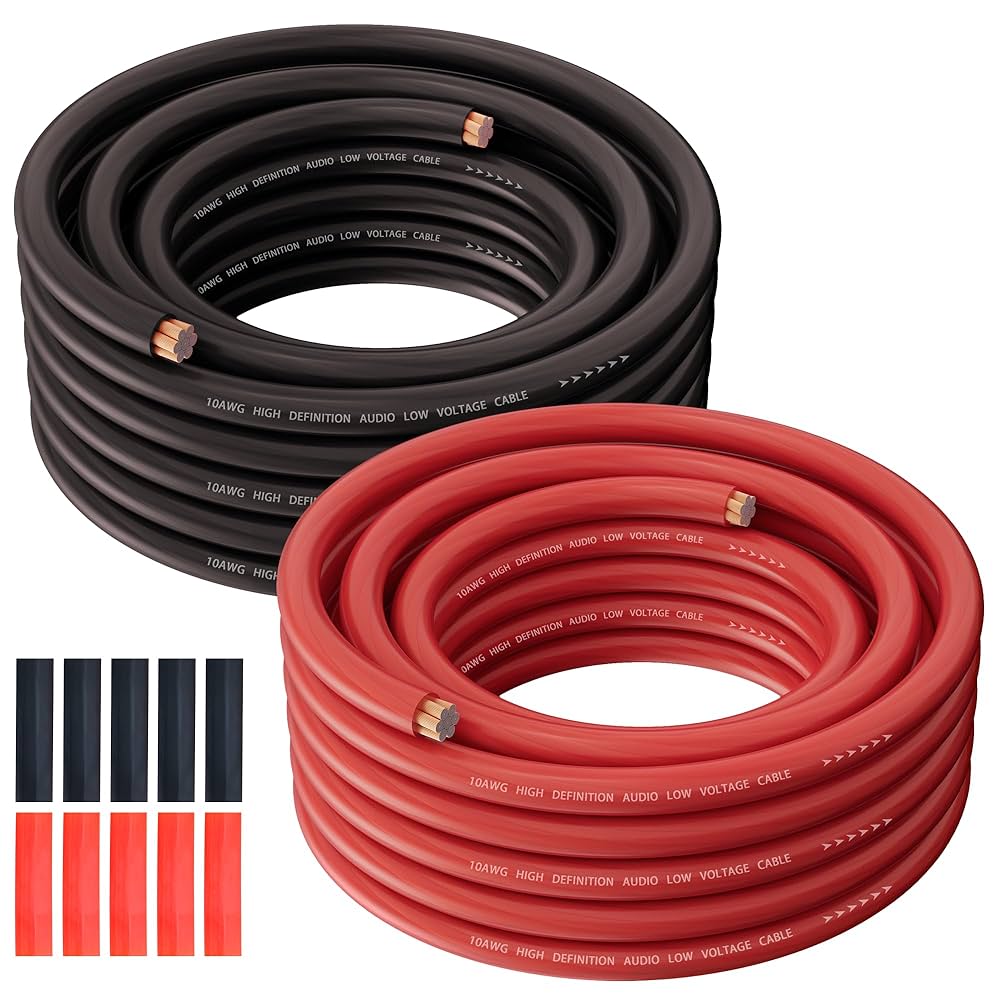
10 gauge wire is suitable for low-current car accessories but not recommended for main battery cables. For starting and high-current loads, thicker wires like 4 or 6 gauge are safer and more effective.
How Do I Determine The Correct Wire Gauge For My Car?
Check your car’s electrical manual or measure the current draw of connected devices. Use an online wire gauge chart to match wire size with current and length for safe and efficient battery wiring.
Conclusion
Choosing the right wire gauge keeps your car battery safe and strong. Thicker wires carry more power without overheating. Using the correct size prevents voltage drops and ensures good performance. Always check your car’s manual for recommended wire gauge. Simple care helps your battery last longer and work better.
Small details, big difference. Stay safe and keep your car running smoothly.