
Have you ever wondered what would happen if you put a car battery in backwards? It might sound like a simple mistake, but the consequences can be surprising—and costly.
If you’re about to work on your car’s electrical system or just curious about car batteries, understanding this can save you time, money, and frustration. Keep reading to find out exactly what goes wrong, how to spot the signs, and what you should do if it happens to you.
Don’t let a small error turn into a big problem.

Credit: www.reddit.com
Car Battery Basics
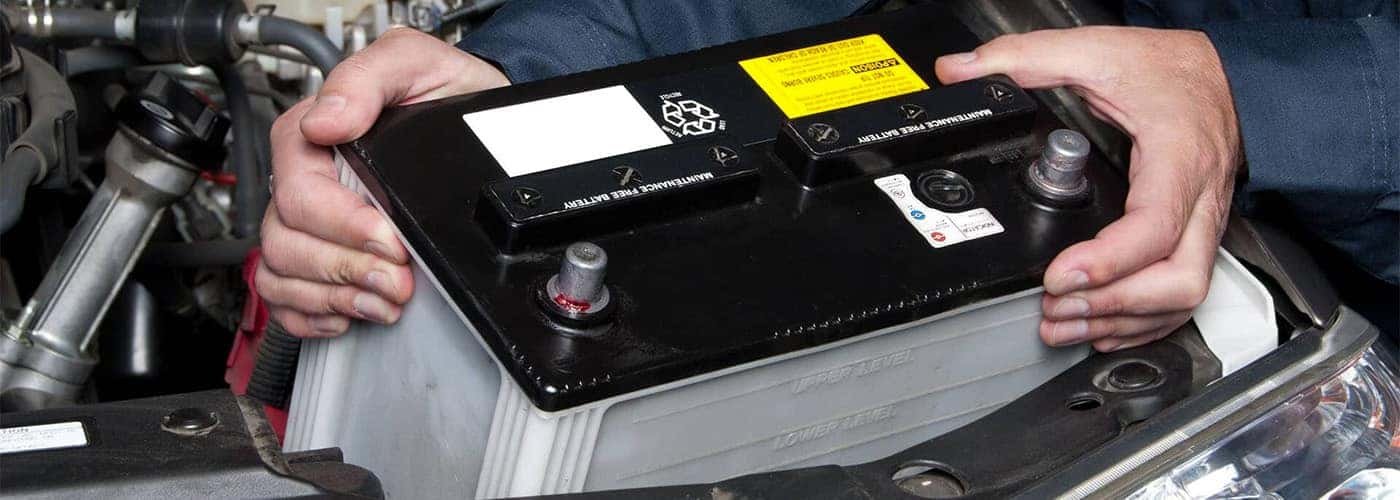
Car batteries are essential for starting and running vehicles. They store electrical energy and provide power to the starter motor and other electrical components. Understanding the basics of car batteries helps explain what happens if you connect them backwards. This knowledge is crucial for safe handling and maintenance.
Battery Components
- Positive Terminal:Connects to the car’s electrical system.
- Negative Terminal:Completes the electrical circuit.
- Lead Plates:Inside the battery, they react to create electricity.
- Electrolyte:A liquid that helps chemical reactions inside the battery.
- Battery Case:Protects internal parts from damage.
How Batteries Power Cars
The battery sends electrical energy to the starter motor. This starts the engine by turning it over. It also powers lights, radio, and other electronics when the engine is off.
The battery stores energy from the alternator while driving. This keeps it charged and ready for the next start. Proper connection of battery terminals is key to this process.
Reversing Battery Polarity
Reversing battery polarity means connecting the car battery terminals the wrong way. This mistake can cause serious problems for your vehicle’s electrical system. Understanding what happens when battery polarity is reversed helps avoid costly repairs and safety risks.
What Does Backwards Mean?
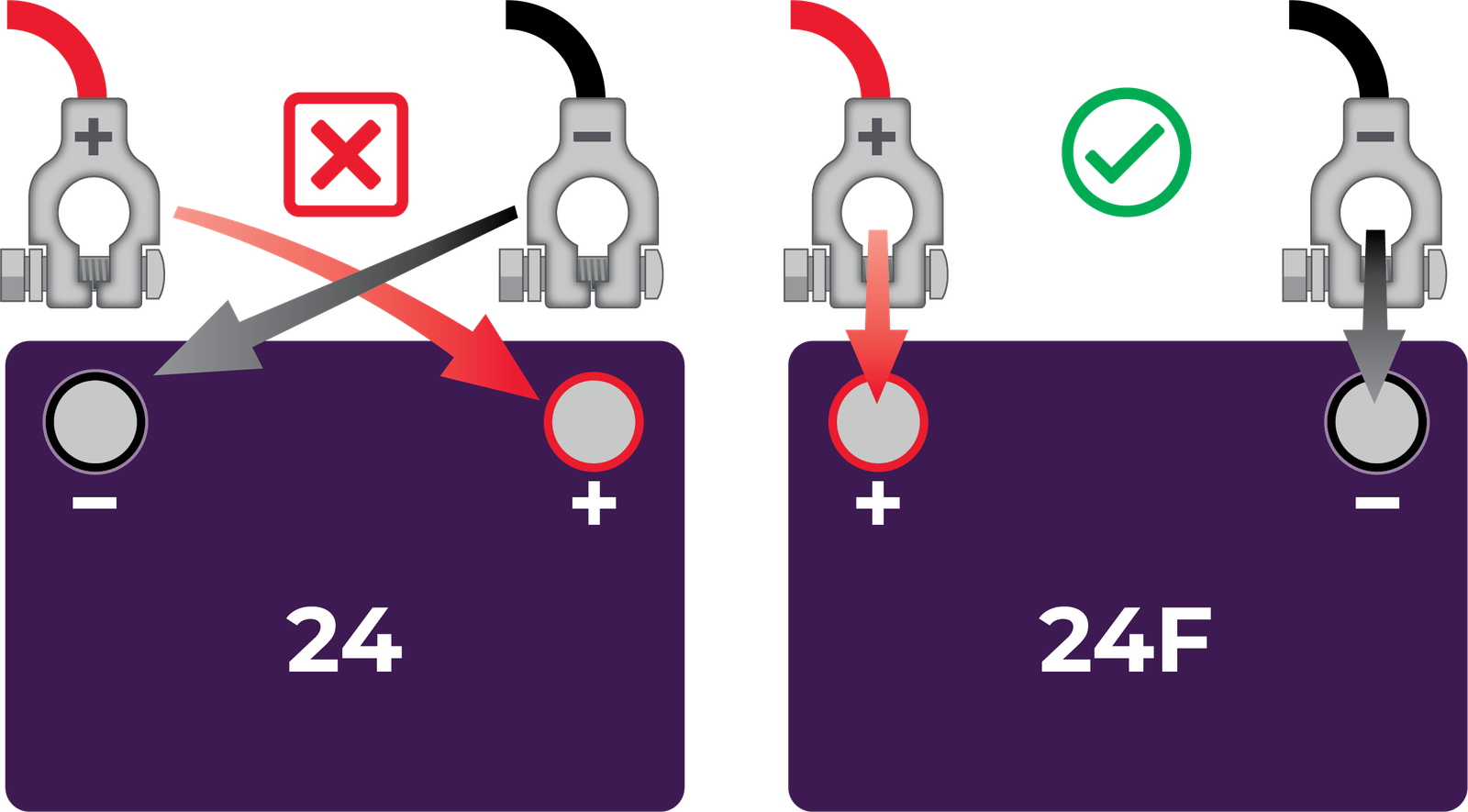
Putting a car battery backwards means swapping the positive and negative terminals. The positive terminal connects to the negative cable and the negative terminal to the positive cable. This incorrect connection disrupts the flow of electricity.
Electrical devices in the car rely on proper polarity. Reversing it can cause short circuits, blown fuses, and damaged components. Even a brief reverse connection can harm the vehicle’s computer and other electronics.
Common Mistakes
- Mixing up red and black cables during battery replacement.
- Connecting jumper cables to the wrong battery terminals.
- Using poorly labeled or worn cables that confuse polarity.
- Failing to double-check terminal markings before installation.
These errors often happen in a hurry or without proper tools. Taking a moment to verify terminal signs prevents reversing battery polarity and potential damage.
Immediate Effects Of Reversed Battery
Reversing a car battery can cause sparks and damage electrical parts instantly. It may also blow fuses and stop the car from starting. Immediate effects can lead to costly repairs if not fixed quickly.
Putting a car battery in backwards can lead to serious problems. The immediate effects are often noticeable and concerning. This mistake can harm the vehicle's electrical system and its components. Owners should be aware of the potential risks.
Electrical System Impact
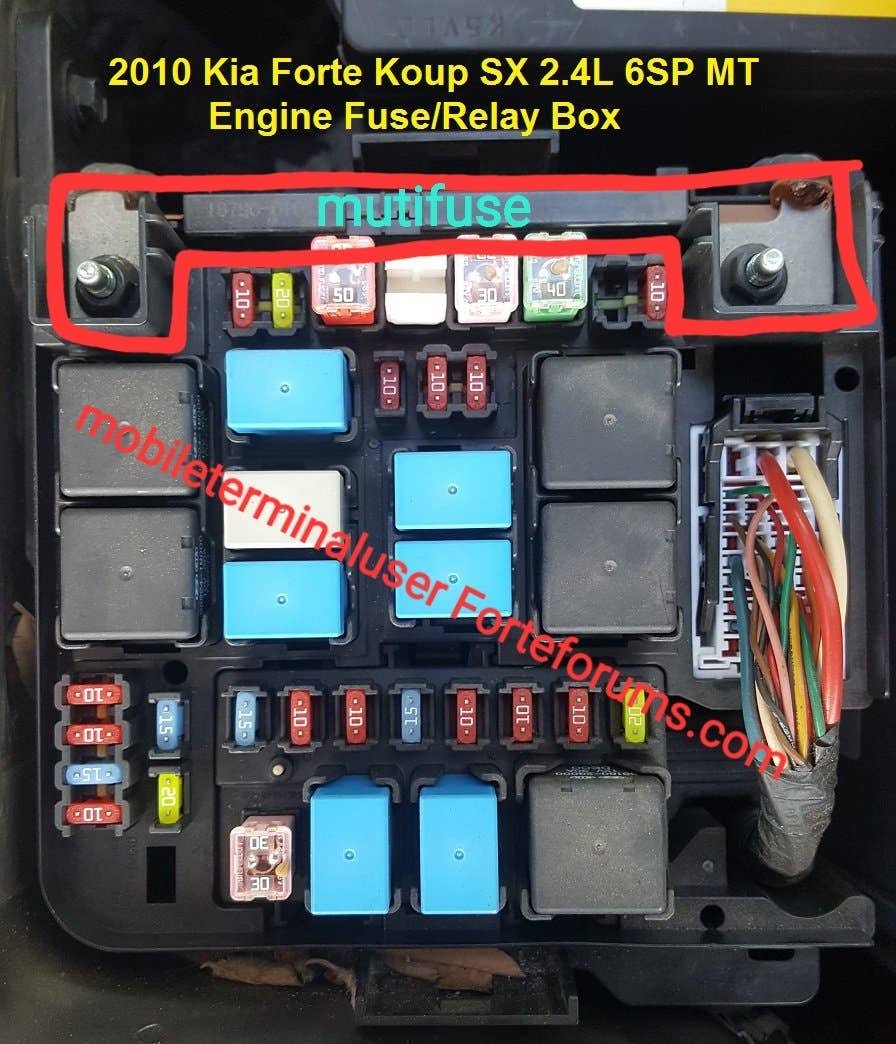
Reversing a car battery can disrupt the electrical system. This can cause fuses to blow instantly. The vehicle may not start, leaving you stranded. Lights and dashboard indicators could malfunction. These issues can lead to further complications.
Damage To Components
Incorrect battery installation can damage key components. The alternator might suffer harm, reducing its efficiency. Sensitive electronics like the stereo can fail. Wiring systems are at risk of overheating. Such damage can be costly to repair.
Potential Long-term Damage
Putting a car battery in backwards can cause serious long-term damage. The electrical system may suffer from reversed polarity. This mistake can impact multiple car components. Some damage may not appear immediately but worsen over time. Understanding the lasting effects helps prevent costly repairs.
Battery Life Reduction
Reversing a car battery can drastically reduce its life span. The internal plates inside the battery may get damaged. This damage lowers the battery’s ability to hold a charge. Over time, the battery may fail to start the car. Repeated errors can lead to permanent battery failure.
Alternator And Starter Issues
The alternator can suffer from reversed battery connections. It may overheat or get damaged by the wrong current flow. The starter motor can also face problems due to reversed polarity. Both parts rely on correct battery placement to function. Damage to these parts often requires costly replacements or repairs.
Safety Hazards
Putting a car battery in backwards is more than just a simple mistake—it can create serious safety hazards that you need to be aware of. The electrical system is designed to handle current flowing in one direction, so reversing the battery can trigger dangerous reactions. Understanding these risks can help you avoid costly damage and potential injury.
Sparks And Short Circuits
When you connect a car battery backwards, the first thing you might notice is a sudden burst of sparks. This happens because the electrical current tries to flow in the opposite direction, causing a short circuit in the system.
Short circuits can damage sensitive electronic components instantly. Even a quick spark can lead to blown fuses, fried wiring, or ruined control modules. Have you ever seen a tiny spark turn into a major electrical problem? That’s why it’s crucial to double-check your battery connections before powering up.
Fire And Explosion Risks
The danger doesn’t stop at sparks. A reversed battery connection can generate intense heat, which may ignite flammable gases around the battery. Car batteries release hydrogen gas during normal operation, and with a spark nearby, this gas can catch fire or even explode.
Battery explosions are not just loud—they can send acid and debris flying, posing serious risks to your skin and eyes. Imagine handling a battery that suddenly bursts—are you prepared with the right safety gear? Always work in a well-ventilated area and keep a fire extinguisher handy when dealing with car batteries.
How To Detect A Backwards Battery
Detecting a car battery installed backwards is crucial to avoid damage. Early identification can save you costly repairs. This section shows how to spot a backwards battery quickly and safely.
Signs To Watch For
- The car won’t start or struggles to turn over.
- Sparks or smoke near the battery terminals.
- Unusual smells, like burning plastic or rubber.
- The battery light on the dashboard stays on.
- Electrical components act strange or fail to work.
Using A Multimeter
A multimeter measures electrical voltage and polarity.
Set the multimeter to DC voltage mode.
Touch the red probe to the positive terminal.
Touch the black probe to the negative terminal.
A normal battery shows about 12.6 volts with a positive reading.
A backwards battery will show a negative voltage reading.
Negative voltage means reversed polarity. This confirms the battery is installed incorrectly.
Steps To Fix A Reversed Battery
Putting a car battery in backwards can cause serious electrical damage. But don't panic. There are clear steps you can take to address the issue and potentially save your vehicle from costly repairs.
Immediate Actions
First, disconnect the battery immediately to prevent further damage. Leaving it connected could fry important components or blow fuses.
Next, inspect the battery and terminals for visible signs of damage like burns or corrosion. If you see any, avoid touching them directly; use protective gloves or tools.
Before reconnecting, check your car's manual to confirm the correct battery orientation. Reinstall the battery correctly, ensuring the positive and negative terminals align properly.
Try turning on the car after the battery is installed properly. If it doesn’t start or you notice electrical issues, it’s a strong sign that damage occurred.
Professional Repairs
At this point, it's wise to consult a professional mechanic or auto electrician. They can run diagnostic tests to identify which electrical parts need repair or replacement.
Common issues caused by a reversed battery include blown fuses, damaged wiring, or even a fried alternator. Professionals have the tools to repair or replace these components safely.
Ignoring these repairs can lead to bigger problems down the road. Have you ever tried fixing a car issue yourself and ended up making it worse? Some repairs require expert knowledge to avoid costly mistakes.
Don’t hesitate to ask your mechanic for a detailed explanation of what was damaged and how they plan to fix it. Understanding the problem helps you prevent it in the future.

Credit: www.fordbarn.com
Preventing Battery Installation Errors
Preventing battery installation errors is crucial for vehicle safety and performance. Connecting a car battery backwards can cause serious damage to electrical systems. Taking simple precautions saves time and money. Knowing the right techniques helps ensure a correct and safe installation.
Proper Connection Techniques
Start by identifying the battery terminals clearly. The positive terminal usually has a “+” sign and is red. The negative terminal has a “-” sign and is black. Connect the positive cable to the positive terminal first.
Secure the cable tightly to avoid loose connections. Next, attach the negative cable to the negative terminal. Double-check that cables do not touch each other or any metal parts.
Keep terminals clean from dirt and corrosion. Use a wire brush if needed. Clean connections improve electrical flow and prevent mistakes during installation.
Tools And Tips
- Use insulated gloves to protect your hands.
- Wear safety glasses to guard your eyes.
- Use a wrench or pliers for a secure fit.
- Keep a flashlight handy for better visibility.
- Have a battery terminal cleaner for maintenance.
Follow these tips to avoid wrong connections. Take your time and work in a well-lit area. Safety first. Prevent costly errors by preparing well before starting.
Credit: www.coloradofans.com
Frequently Asked Questions
What Happens If You Reverse Car Battery Terminals?
Reversing battery terminals can cause sparks, damage electrical components, or blow fuses. It may also harm the battery and car’s electrical system.
Can A Car Battery Explode If Installed Backwards?
Yes, installing a car battery backwards can cause sparks and short circuits, increasing the risk of explosion or fire due to battery acid leakage.
How To Fix A Car Battery Connected In Reverse?
Disconnect the battery immediately. Inspect for blown fuses or damaged components. Replace any damaged parts and reconnect the battery correctly.
Will A Car Start With Battery Terminals Reversed?
Usually, the car won’t start if battery terminals are reversed. The electrical system prevents operation to avoid damage.
Conclusion
Putting a car battery in backwards can cause serious damage. It may harm the car’s electrical system or battery. You could face costly repairs or a car that won’t start. Always check the battery terminals before connecting. Taking time to connect correctly saves trouble later.
Remember, safety and care keep your car running well. Small mistakes lead to big problems. Stay careful and protect your vehicle every time.