
Have you ever wondered if your car battery is working just right? Knowing the normal car battery voltage can save you from unexpected breakdowns and costly repairs.
Your car’s battery voltage tells you a lot about its health and performance. If you don’t keep an eye on it, you might find yourself stranded at the worst possible moment. You’ll learn exactly what voltage to expect from a healthy car battery and how to spot warning signs before it’s too late.
Keep reading to protect your car and your peace of mind.

Credit: ipowerqueen.com
Car Battery Basics
Understanding car battery basics helps you keep your vehicle running smoothly. The battery provides the power needed to start your engine and run electrical components. Knowing its parts and how voltage works can help you maintain it better.
Battery Components
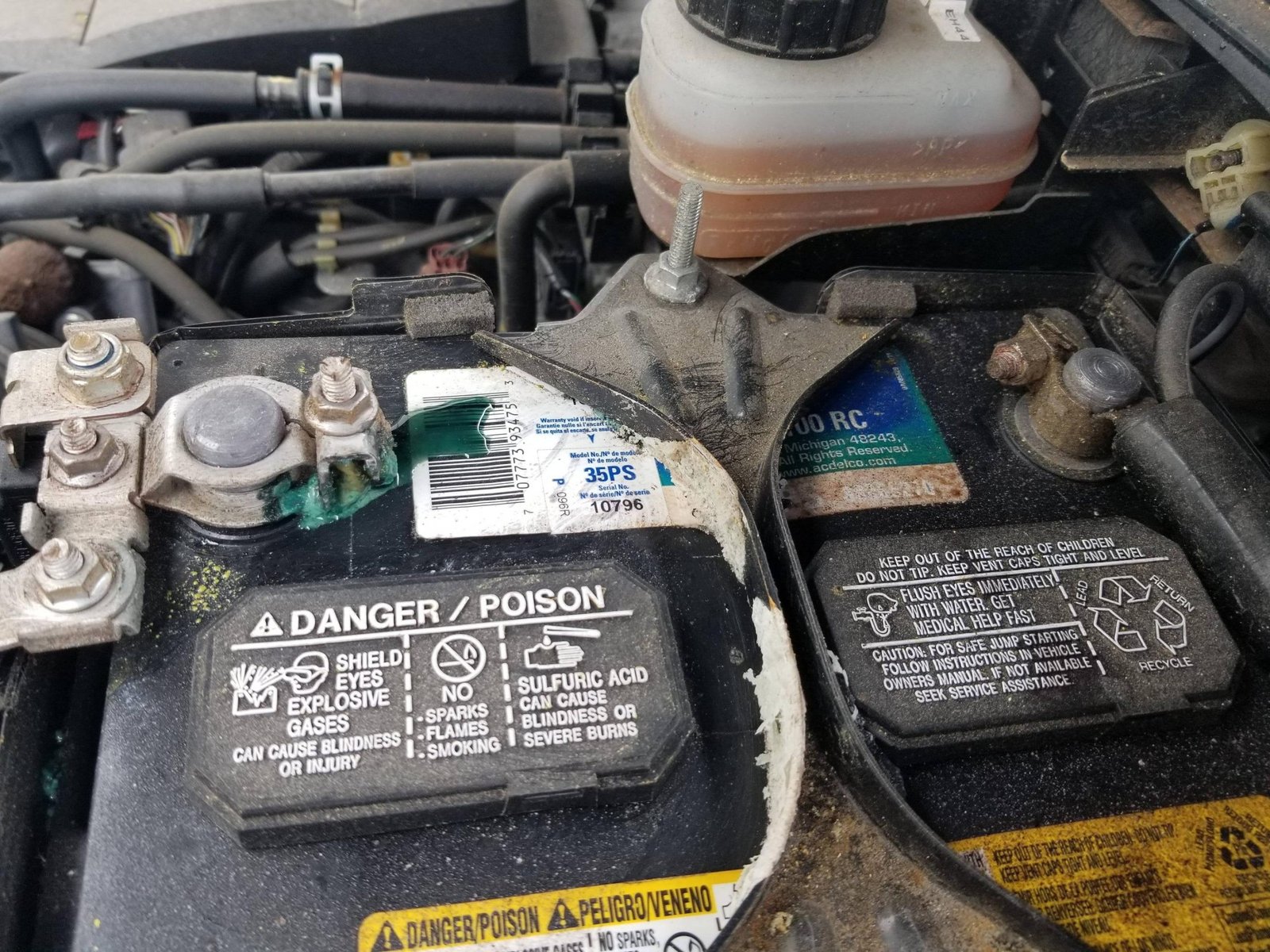
A car battery has several key parts. The case holds everything together and protects internal parts. Inside, lead plates and lead dioxide plates create a chemical reaction. This reaction produces electrical energy. The battery also contains an electrolyte, usually a mix of water and sulfuric acid. This liquid helps the chemical reaction happen.
Terminals connect the battery to the car’s electrical system. Positive and negative terminals allow electricity to flow. A vent lets gases escape safely during charging or use. Each part works together to power your car efficiently.
How Voltage Works
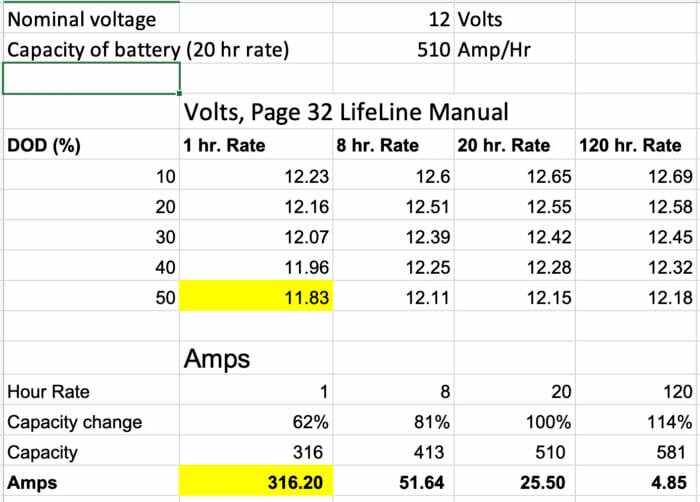
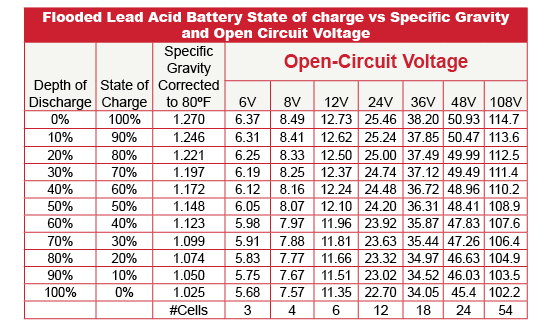
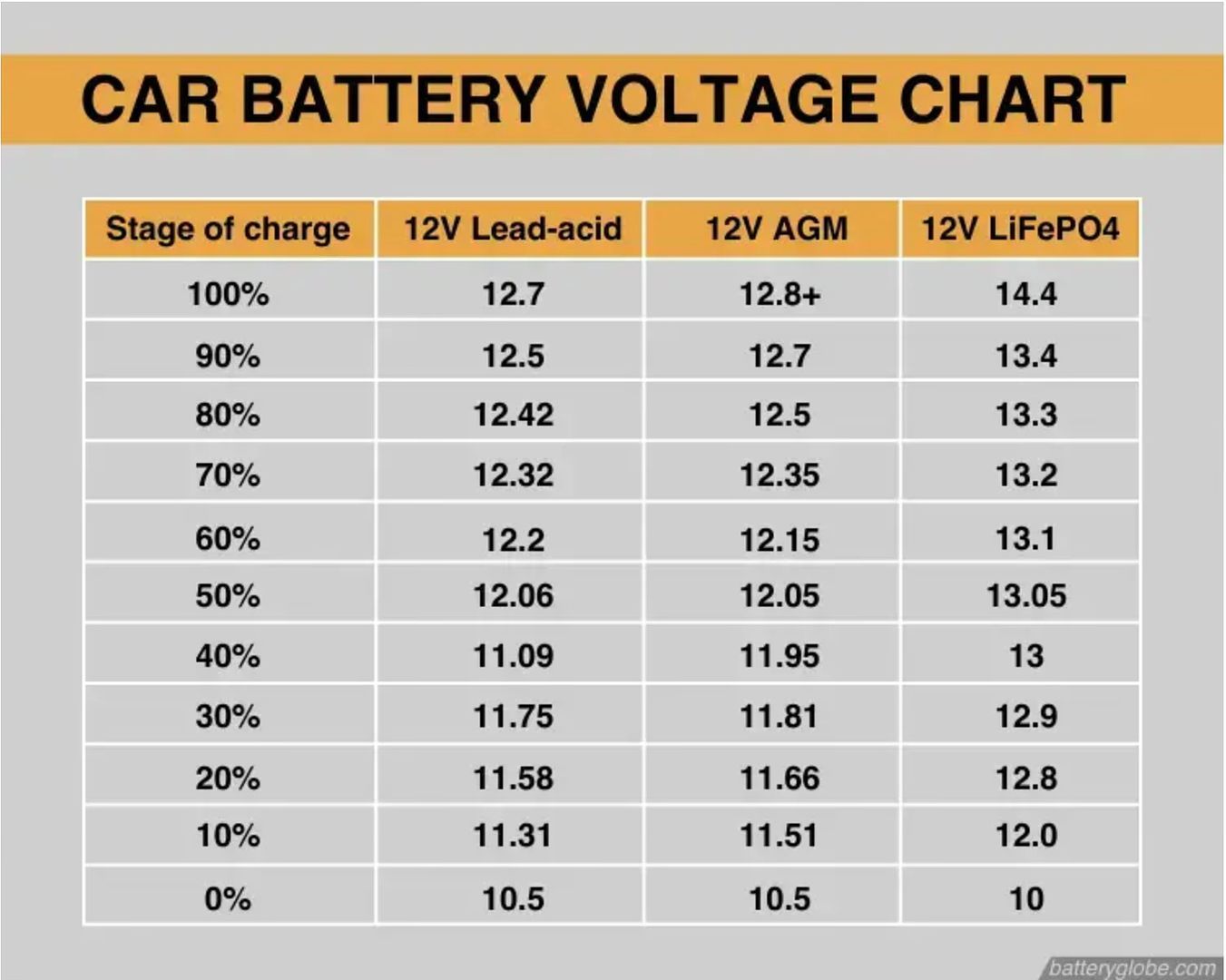
Voltage measures the electrical force in the battery. It tells how much power the battery can deliver. A fully charged car battery usually shows about 12.6 volts. If voltage drops below 12.4 volts, the battery may need charging.
The voltage comes from the chemical reaction inside the battery. This reaction creates a flow of electrons. When the car starts, the battery sends this flow to the starter motor. Voltage also powers lights, radio, and other electronics.
Voltage changes as the battery charges or drains. A healthy battery maintains steady voltage under normal conditions. Checking voltage can help spot problems early. This simple test keeps your car ready to start every time.
Credit: www.usbattery.com
Normal Voltage Range
Understanding the normal voltage range of your car battery is crucial for maintaining your vehicle’s health. Voltage levels tell you a lot about the battery’s condition and if your car’s electrical system is working properly. Let’s break down what you should expect to see in different situations.
Voltage When Engine Off
When your engine is off, a healthy car battery should show a voltage between 12.4 and 12.7 volts. This range indicates a fully charged battery ready to start your car.
If your battery voltage drops below 12.4 volts, it might mean the battery is partially discharged or aging. Have you ever tried to start your car on a cold morning only to find it sluggish? That’s often a sign your battery voltage is too low when the engine is off.
Voltage When Engine Running
With the engine running, the voltage should rise to about 13.7 to 14.7 volts. This happens because the alternator charges the battery while powering the electrical systems.
If the voltage stays below 13.7 volts while the engine is running, it could signal an issue with the alternator or charging system. On the other hand, if it goes above 14.7 volts, it might indicate overcharging, which can damage your battery.
Keeping an eye on these voltage ranges can save you from unexpected breakdowns. Are you regularly checking your battery voltage, or do you wait until something goes wrong?
Factors Affecting Voltage
Battery voltage depends on temperature, age, and how much it is charged. A normal car battery voltage usually reads around 12. 6 volts when fully charged. Voltage can drop if the battery is old or under heavy use.
Understanding the factors affecting car battery voltage is crucial. These elements can influence performance and lifespan. Let's explore key factors that impact battery voltage.
Temperature Impact
Temperature plays a significant role in battery voltage. Cold weather can reduce voltage. Batteries may struggle to deliver power. Conversely, high temperatures can increase voltage. This might lead to overcharging risks. Both extremes affect battery efficiency.
Battery Age And Condition
Aging affects a battery's voltage capacity. Older batteries often show lower voltage. Wear and tear reduce their effectiveness. Regular maintenance can help. Keeping the battery clean and checking for corrosion is vital. A healthy battery maintains optimal voltage levels.
Credit: www.pistonheads.com
Voltage Testing Methods
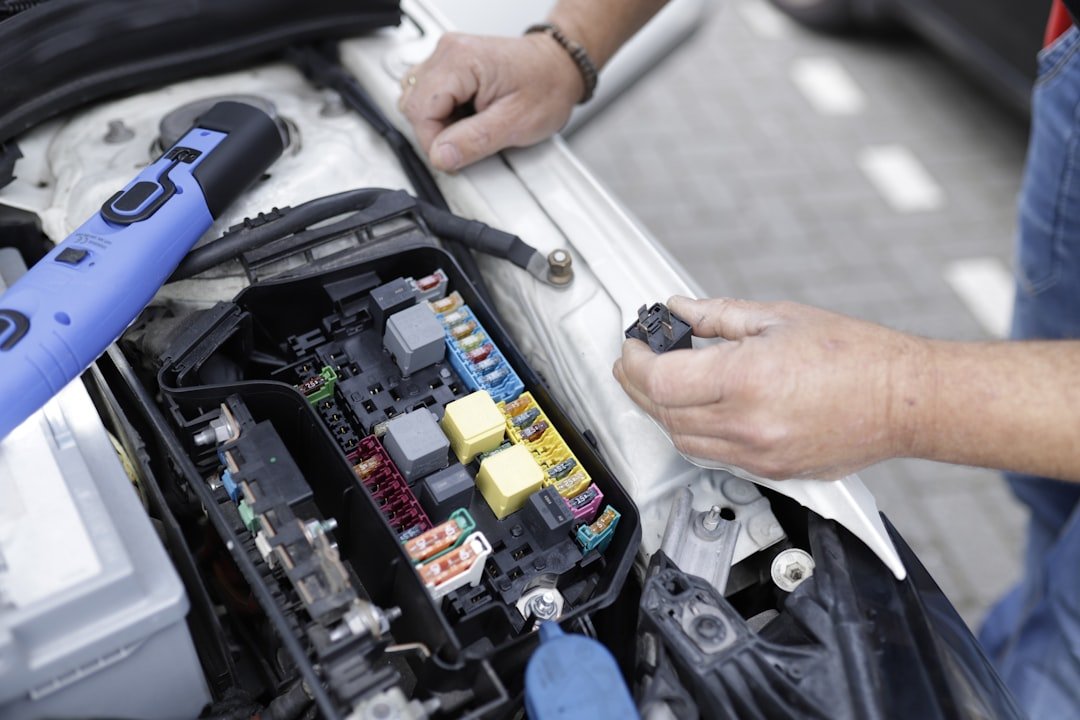
Testing your car battery voltage is a straightforward way to check its health and ensure your vehicle runs smoothly. You don’t need to be a mechanic to perform these tests; with the right tools and a bit of guidance, you can quickly assess your battery’s condition at home.
Let’s look at how you can measure your battery’s voltage accurately and what those numbers mean for your car’s performance.
Using A Multimeter
A multimeter is your best friend when testing battery voltage. It’s an affordable tool that measures electrical values like voltage, current, and resistance.
To test your car battery, set the multimeter to DC voltage (usually marked as “V” with a straight line). Connect the red probe to the positive terminal and the black probe to the negative terminal of the battery. Be sure the probes make firm contact but avoid touching them together.
Within seconds, you’ll see a voltage reading on the multimeter screen. This reading reflects your battery’s current charge level.
Interpreting Test Results
Understanding the numbers is crucial. A healthy, fully charged car battery should read about 12.6 volts or higher when the engine is off. If your reading falls between 12.4 and 12.6 volts, your battery is moderately charged but might need a top-up soon.
Readings below 12.4 volts indicate a weak battery, and anything below 12 volts suggests your battery may be failing or deeply discharged. However, don’t stop here—try testing the voltage with the engine running. A healthy charging system should show around 13.7 to 14.7 volts while the engine is on.
Have you checked your battery lately? Knowing these numbers can save you from unexpected breakdowns and help you decide when to replace your battery before it leaves you stranded.
Signs Of Voltage Problems
Voltage issues in a car battery can cause serious problems. These issues affect your vehicle’s performance and reliability. Recognizing the signs early helps prevent breakdowns and costly repairs. Watch for unusual behavior in your car’s electrical system and engine. These can signal voltage problems that need attention.
Low Voltage Symptoms
- Engine struggles to start or won’t start at all
- Dim headlights or interior lights
- Slow or weak electrical accessories like power windows
- Battery warning light on the dashboard
- Frequent need to jump-start the car
Low voltage usually means the battery is not charging properly. It can also indicate a weak or failing battery. Ignoring these symptoms may lead to a dead battery and leave you stranded.
High Voltage Risks
- Overheating battery or electrical components
- Burning smell near the battery
- Swollen or leaking battery case
- Erratic behavior of electronic systems
- Blown fuses or damaged wiring
High voltage can damage your battery and other parts. It often results from a faulty alternator or voltage regulator. Fixing high voltage problems quickly protects your car’s electrical system and extends battery life.
Maintaining Optimal Voltage
Maintaining your car battery’s voltage at an optimal level is key to ensuring your vehicle runs smoothly and reliably. Voltage that is too low or too high can cause starting problems or damage sensitive electronics. Paying attention to simple maintenance habits can save you from unexpected breakdowns and costly repairs.
Regular Battery Checks
Checking your battery’s voltage regularly helps you spot issues before they become serious. Use a multimeter to measure the voltage—an ideal reading should be around 12.6 volts when the engine is off. If you see readings consistently below 12.4 volts, it might signal a weak or failing battery.
Don’t just rely on voltage readings; look for physical signs like corrosion on terminals or swelling of the battery case. These signs often indicate poor battery health and can affect voltage stability. How often do you inspect your battery? Making it a monthly habit can improve your car’s reliability.
Proper Charging Techniques
Charging your battery correctly is just as important as checking it. Avoid jump-starting your vehicle frequently, as this can stress the battery and decrease its lifespan. Instead, use a smart charger that adjusts voltage and current automatically to keep the battery healthy.
Be cautious about overcharging—too much voltage can cause overheating and damage internal components. If you use your car infrequently, consider a trickle charger to maintain voltage without overloading the battery. What charging methods do you trust to keep your battery in top shape?
Frequently Asked Questions
What Is The Normal Voltage Of A Car Battery?
A typical car battery voltage is around 12. 6 volts when fully charged. Voltage below 12. 4 volts indicates a low charge. Proper voltage ensures the battery powers the vehicle efficiently.
How To Check Car Battery Voltage Correctly?
Use a digital multimeter to measure voltage across battery terminals. Turn off the vehicle before testing. A fully charged battery shows about 12. 6 volts.
What Voltage Indicates A Dead Car Battery?
A voltage reading below 12 volts usually means the battery is dead. It lacks sufficient charge to start the car. Immediate recharging or replacement is necessary.
Why Does Car Battery Voltage Drop When Engine Starts?
The voltage drops to about 10 volts due to starter motor load. This is normal as the battery provides extra power to crank the engine.
Conclusion
A normal car battery voltage usually reads around 12. 6 volts when the engine is off. This level shows the battery is healthy and charged well. If the voltage drops below 12. 4 volts, the battery might need charging or replacement soon.
Regular checks help avoid unexpected car troubles. Knowing your battery voltage saves time and money. Keep your car running smoothly by watching this simple number. It is an easy step anyone can take. Stay aware and keep your battery in good shape.