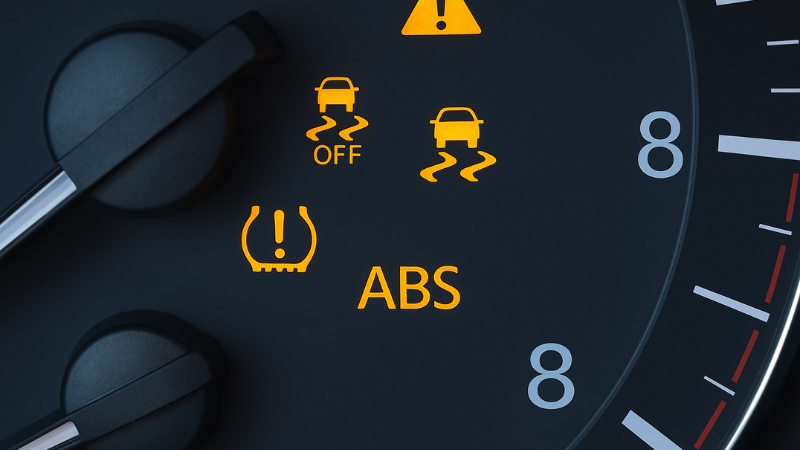


Are you sure your Toyota Camry’s tires have the right pressure? Getting this simple detail right can save you money, boost your car’s performance, and keep you safer on the road.
But what exactly is the recommended tire pressure for your Camry? If you’ve ever wondered whether you’re overinflating or underinflating your tires, this article will clear up the confusion. Keep reading to find out the exact numbers and tips to maintain your tires perfectly every time.
Ideal Tire Pressure Range
Maintaining the ideal tire pressure range for your Toyota Camry is key to ensuring safety, fuel efficiency, and tire longevity. Knowing the right pressure helps you avoid uneven tire wear and improves your car's handling on the road. Let’s break down what the ideal pressure range looks like and why it matters.
Front Vs Rear Tire Pressure
The recommended tire pressure for the front and rear tires of a Toyota Camry can differ slightly. Typically, front tires require a bit more pressure because they handle most of the steering and braking forces.
For many Camry models, the ideal pressure range is usually around 32-35 PSIfor the front tires and 30-33 PSIfor the rear tires. You can find the exact numbers on the sticker inside the driver’s door or in your owner’s manual.
Have you noticed your steering feeling a bit off or your car pulling to one side? Incorrect front tire pressure could be the culprit. Keep these pressures balanced to maintain smooth and safe driving.
Impact Of Load And Passengers
Are you carrying extra passengers or heavy cargo? The load inside your Camry affects the tire pressure you need. Adding weight increases the pressure on the tires, so you might need to inflate them slightly more than the standard recommendation.
Check your owner’s manual for load-specific pressure guidelines. Sometimes, increasing the tire pressure by a couple of PSI can prevent tire damage and improve stability. If you often drive with a full car or heavy trunk, adjusting your tire pressure before hitting the road can make a noticeable difference.
Have you ever felt your car sag or noticed sluggish handling after packing the trunk? That’s your tires asking for a pressure check. Staying on top of this simple adjustment can keep your Camry performing at its best, no matter the load.
Credit: www.toyotanation.com
Finding The Correct Pressure
Finding the correct tire pressure for your Toyota Camry is essential for safety and performance. Proper pressure improves fuel efficiency, tire life, and driving comfort. Overinflated or underinflated tires can lead to poor handling and increased wear.
Use trusted sources to identify the right pressure. Two common places offer accurate information about your Camry’s tire pressure.
Using The Owner's Manual
The owner's manual provides detailed tire pressure recommendations. It includes specific numbers for front and rear tires. These values suit your car's model and year. Follow the manual's guidance for best results. It also explains how to check tire pressure safely.
Checking The Door Jamb Sticker
Look at the sticker on the driver's side door jamb. This label shows the recommended tire pressure in pounds per square inch (PSI). It lists separate pressures for front and rear tires. This sticker is easy to find and read. Always trust this sticker over the tire sidewall pressure numbers.
Effects Of Incorrect Tire Pressure
Incorrect tire pressure can cause poor fuel efficiency and uneven tire wear. It also affects vehicle handling and safety. Maintaining the recommended tire pressure for a Toyota Camry ensures better performance and longer tire life.
Incorrect tire pressure can have a significant impact on your Toyota Camry's performance and safety. Maintaining the right tire pressure is not just about comfort; it affects fuel efficiency, tire longevity, and the overall handling of your vehicle. Neglecting this simple aspect can lead to bigger problems down the road.
Fuel Efficiency
Proper tire pressure can help maximize your Camry's fuel efficiency. Under-inflated tires create more rolling resistance, which means your engine has to work harder to move the car. This extra effort results in higher fuel consumption, leading to more frequent stops at the gas station. On the other hand, over-inflated tires, while reducing rolling resistance, can lead to a bumpy ride and uneven tire wear. It's a delicate balance that can save you money and reduce your environmental footprint. Have you checked your tire pressure lately?
Tire Wear And Longevity
Tire pressure directly affects how your tires wear over time. Too little air causes the tires to wear on the outer edges, reducing their lifespan. Conversely, too much air makes them wear more in the center, leading to premature replacement. Regularly checking and maintaining the correct tire pressure can extend the life of your tires, saving you money in the long run. Imagine the convenience of fewer visits to the tire shop just by spending a few minutes with a tire gauge.
Handling And Safety
Your Camry's handling and safety are at stake with incorrect tire pressure. Under-inflated tires can make your car feel sluggish and unresponsive, especially during quick maneuvers or emergency stops. This can be dangerous in critical driving situations. Over-inflated tires, meanwhile, reduce the contact area with the road, affecting grip and stability. This can lead to a higher risk of skidding, particularly on wet surfaces. Ensuring the right pressure helps you maintain control, keeping you and your passengers safe. Are you prepared for unexpected road conditions?
Seasonal And Driving Condition Adjustments
Adjusting tire pressure for different seasons and driving conditions helps keep your Toyota Camry safe. Proper pressure improves grip, fuel efficiency, and tire life. Changes in temperature and load affect tire pressure.
Check tire pressure regularly and adjust it based on weather and driving needs. Use the recommended pressure on the door sticker as a base. Make small changes for cold weather and heavy loads.
Cold Weather Considerations
Cold air makes tire pressure drop. Tires lose about 1 psi for every 10°F drop in temperature. Low pressure reduces grip and can wear tires unevenly.
Check pressure more often during winter. Inflate tires to the recommended pressure or slightly higher. Avoid overinflating, as cold air will warm up while driving and increase pressure.
Long Distance And Heavy Load Driving
Extra weight puts more stress on tires. Heavy loads or long trips need higher pressure for safety and performance.
Increase tire pressure by 2-4 psi above the normal recommended level. This adjustment helps maintain tire shape and reduces heat buildup. Do not exceed the maximum pressure listed on the tire sidewall.
How To Check And Adjust Tire Pressure
Maintaining the correct tire pressure for your Toyota Camry is crucial for safety, fuel efficiency, and tire longevity. Checking and adjusting tire pressure is a simple task you can do yourself with a few basic tools. Knowing how to do it properly ensures your car performs at its best and helps you avoid unexpected issues on the road.
Tools Needed
- Tire Pressure Gauge:A digital or analog gauge to measure air pressure accurately.
- Air Compressor or Air Pump:Available at most gas stations or for home use to add air when needed.
- Valve Stem Caps:Keep them handy to protect your valve stems after adjusting pressure.
- Owner's Manual or Door Placard:To check the recommended tire pressure specific to your Toyota Camry model.
Step-by-step Guide
Start by ensuring your tires are cold, ideally after your car has been parked for a few hours. Tire pressure rises with heat, so checking cold tires gives you an accurate reading.
Remove the valve stem cap from one tire and press the tire pressure gauge firmly onto the valve stem. The gauge will show the current pressure—compare this to the recommended value found in your owner’s manual or the sticker inside the driver’s door frame.
If the tire pressure is too low, add air using the air compressor. Check the pressure frequently to avoid overinflating. If the pressure is too high, press the valve stem to release some air, then recheck.
Repeat this process for all four tires. Don’t forget to replace the valve stem caps securely to keep dirt and moisture out.
Have you ever noticed how a slight difference in tire pressure can change your car’s handling? Regularly checking and adjusting your tire pressure can improve your driving experience and save money on fuel and tire replacement.

Credit: www.toyotaofnorthcharlotte.com
Common Myths About Tire Pressure
Tire pressure is often misunderstood. Many drivers believe incorrect information about it. These myths can lead to poor tire care and safety risks. Knowing the truth helps maintain the right tire pressure for your Toyota Camry.
Here are some common myths about tire pressure that need to be cleared up.
Overinflating Tires Improves Fuel Efficiency
Some think adding air saves gas. Too much pressure can reduce tire grip. It also causes uneven tire wear. Proper pressure keeps your car balanced and safe.
Tire Pressure Should Be Checked When Tires Are Hot
Checking pressure right after driving gives wrong results. Heat makes air expand. Measure pressure when tires are cold for accuracy.
The Number On The Tire Sidewall Is The Correct Pressure
This number shows the maximum pressure allowed. It is not the recommended level. Check your Toyota Camry’s manual for the right figure.
Low Tire Pressure Only Affects Fuel Economy
Underinflated tires can cause many problems. They increase the risk of blowouts. They also harm handling and braking. Keep pressure at the right level for safety.
All Tires Should Have The Same Pressure
Some cars need different pressures front and rear. The Toyota Camry often has specific recommendations. Follow the guide for each tire position.
Benefits Of Maintaining Proper Tire Pressure
Keeping the right tire pressure in your Toyota Camry is more than just a routine task. It directly affects how safe and efficient your car feels on the road. Understanding the benefits of proper tire pressure can help you avoid common issues and improve your driving experience.
Improved Safety
Proper tire pressure keeps your Camry stable and responsive, especially during sudden maneuvers. Over or under-inflated tires can cause poor grip, increasing the risk of skidding or blowouts. Have you ever noticed how your car handles better after a tire check? That’s the difference correct pressure makes.
Maintaining the right pressure also helps in shorter stopping distances. This can be crucial in avoiding accidents, especially on wet or slippery roads. Regularly checking your tires can give you peace of mind every time you drive.
Enhanced Performance
Correct tire pressure improves your Camry’s fuel efficiency by reducing rolling resistance. This means your engine doesn’t have to work as hard, saving you money at the pump. Have you tracked your mileage before and after adjusting tire pressure? Many drivers see a noticeable improvement.
Additionally, proper inflation promotes even tire wear. This extends the life of your tires and keeps your ride smooth and comfortable. It’s a simple step that protects your investment and makes every drive more enjoyable.
Credit: www.toyotanation.com
Frequently Asked Questions
What Is The Ideal Tire Pressure For Toyota Camry?
The ideal tire pressure for a Toyota Camry is usually between 30 to 35 PSI. Check the driver’s side door jamb for exact specs. Maintaining this pressure ensures optimal safety, fuel efficiency, and tire longevity.
How Often Should I Check Toyota Camry Tire Pressure?
You should check your Toyota Camry’s tire pressure at least once a month. Also, inspect before long trips or when carrying heavy loads. Proper monitoring helps avoid uneven tire wear and improves driving safety.
Can Incorrect Tire Pressure Damage Toyota Camry Tires?
Yes, incorrect tire pressure can cause uneven tire wear and reduce tire lifespan. Over-inflated tires may lead to a harsh ride, while under-inflated tires increase fuel consumption and risk blowouts.
Does Tire Pressure Affect Toyota Camry Fuel Efficiency?
Proper tire pressure improves fuel efficiency by reducing rolling resistance. Under-inflated tires increase fuel consumption. Keeping your Toyota Camry’s tires inflated to recommended pressure saves money and lowers environmental impact.
Conclusion
Maintaining the right tire pressure keeps your Toyota Camry safe and efficient. Check the recommended pressure on the driver’s door or owner’s manual. Proper inflation helps your tires last longer and improves fuel economy. Driving with correct pressure also ensures better handling and comfort.
Regularly inspect your tires to avoid problems on the road. Small efforts make a big difference in your car’s performance. Keep your Camry running smoothly by staying aware of tire pressure needs.