


Have you ever wondered what the volts on your car battery really mean? Understanding this simple number can save you from unexpected breakdowns and costly repairs.
Whether you’re trying to figure out why your car won’t start or just want to keep your battery in top shape, knowing the voltage is key. You’ll discover exactly what volts on a car battery tell you about your vehicle’s health—and how you can use this knowledge to avoid trouble on the road.
Keep reading to unlock the secrets behind your car’s power source.

Credit: swiftbatteryspecialist.sg
Car Battery Basics
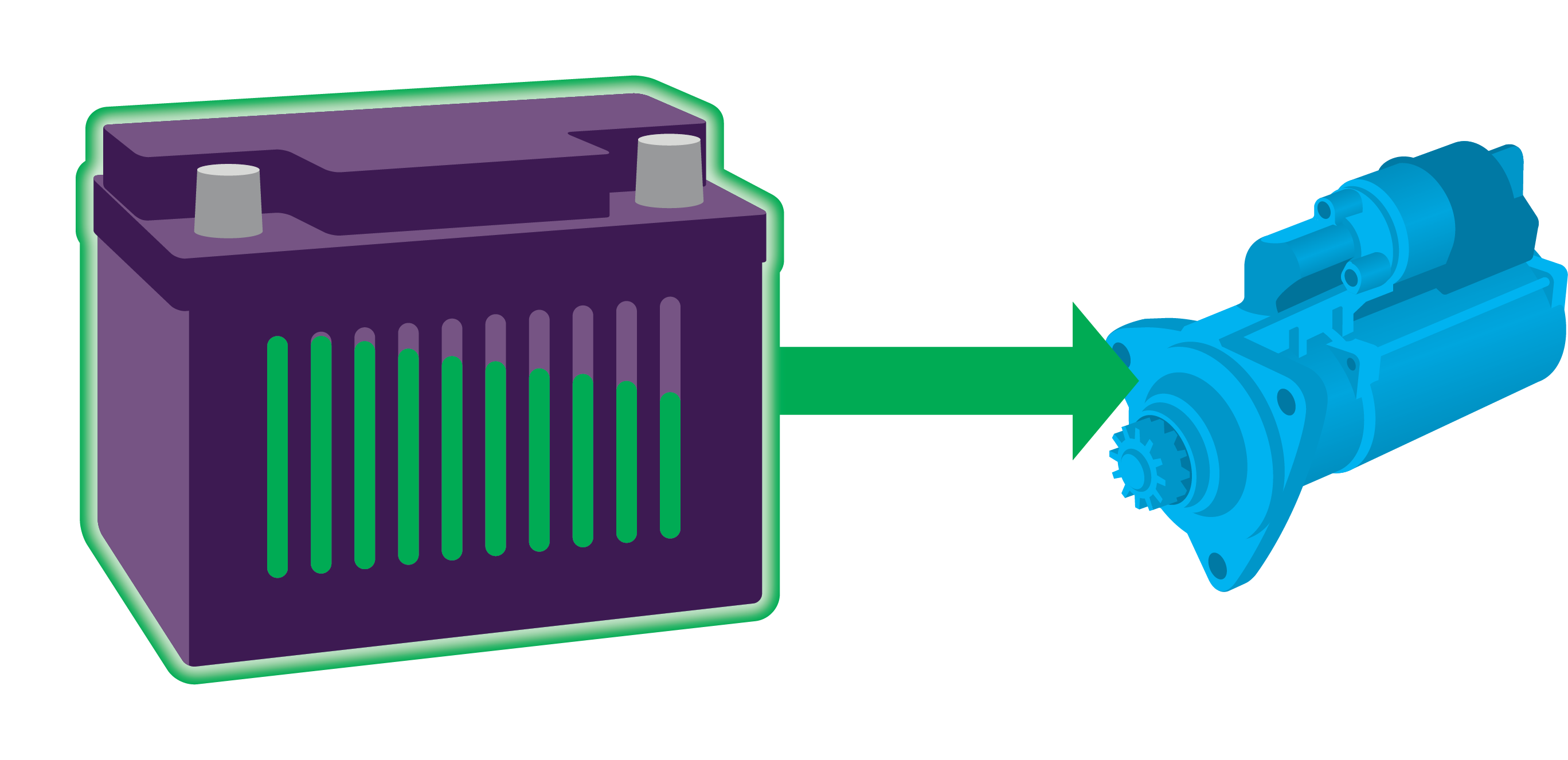
A car battery is a crucial part of your vehicle. It stores electrical energy to power the starter motor. It also runs lights, radio, and other electrical parts when the engine is off. Understanding the voltage helps you know if your battery is healthy or needs replacing.
Voltage And Its Role
Voltage measures the electrical force in a battery. It shows how much power the battery can provide. Higher voltage means more power. A fully charged car battery typically has a voltage around 12.6 volts. Lower voltage can indicate a weak or dead battery. Voltage affects how well your car starts and runs.
Standard Voltage Ratings
Most car batteries have a standard voltage of 12 volts. This is made up of six cells, each with 2.1 volts. The total adds up to about 12.6 volts when fully charged. Some larger vehicles use 24-volt batteries, but these are less common. Checking the voltage helps ensure your battery matches your car’s needs.

Credit: www.youtube.com
Measuring Battery Voltage
Measuring your car battery’s voltage is a simple yet crucial step to understand its health and performance. Knowing the voltage helps you catch issues early, avoiding unexpected breakdowns. Let’s look at what you need and when to check your battery voltage for the best results.
Tools Needed
You don’t need fancy equipment to measure your car battery voltage. A basic digital multimeter or a voltmeter works perfectly. These devices are affordable, easy to use, and widely available at auto parts stores or online.
Make sure the tool you choose can measure DC voltage and has a range that covers 0 to 20 volts. This range is ideal since car batteries typically operate around 12 volts. Using the right tool ensures accurate readings every time.
When To Test Voltage
Timing matters when testing your battery’s voltage. The best moment is when the car has been off for at least a few hours. This rest period gives the battery a chance to stabilize, offering a true reflection of its charge.
Checking the voltage right after driving or charging can give you a misleading high reading. Also, consider testing if you notice slow engine starts or dim headlights. These symptoms often point to a weak or failing battery.
Have you ever faced a car that wouldn’t start on a cold morning? Measuring the battery voltage beforehand could save you from that frustrating experience. Make it a habit, and you’ll be in control of your car’s power health.
Voltage Levels And Battery Health
Car batteries usually have a voltage around 12. 6 volts when fully charged. Lower voltage can mean the battery is weak or needs charging. Checking voltage helps keep the battery healthy and the car running smoothly.
Understanding the voltage levels of your car battery is key to maintaining its health and ensuring your vehicle runs smoothly. Voltage isn't just a number; it's an indicator of your battery's condition. Knowing the ideal voltage levels can help you diagnose potential issues before they become major problems.
Fully Charged Voltage
A fully charged car battery typically reads around 12.6 to 12.8 volts. This is the sweet spot where your battery is in its best health. It's important to regularly check this number with a multimeter to ensure everything is functioning optimally.
Low Voltage Indicators
When your battery's voltage drops below 12.4 volts, it's time to pay attention. A low voltage reading can signal that your battery is discharging or losing its charge capacity. You might notice your car struggling to start, or the headlights appearing dimmer than usual.
Overcharged Battery Risks
Exceeding a voltage of 14.8 volts can be dangerous for your battery. Overcharging can cause excessive heat and lead to battery damage or even failure. It's crucial to ensure your alternator and charging system are working correctly to prevent overcharging. Regularly monitoring your battery's voltage can prevent unexpected breakdowns. Have you checked your battery's voltage lately? Keeping an eye on these numbers can save you time and hassle in the long run.
Factors Affecting Battery Voltage
Battery voltage in a car does not stay constant. Several factors can change the voltage level. Understanding these factors helps maintain your battery’s health and performance.
Voltage depends on the environment, battery condition, and how much power the car uses. Each factor affects the battery differently. Let’s explore these key influences below.
Temperature Effects
Temperature has a strong effect on battery voltage. Cold weather lowers the battery’s ability to hold charge. The chemical reactions inside the battery slow down, reducing voltage.
Hot weather can increase voltage temporarily. But too much heat causes damage over time. Extreme temperatures cause faster battery wear and voltage drops.
Battery Age And Condition
Old batteries often show lower voltage levels. Over time, batteries lose their capacity to hold a full charge. Corrosion and internal damage reduce voltage output.
A well-maintained battery keeps voltage stable. Dirt, leaks, and damage all harm voltage. Regular checks help spot problems early.
Electrical Load Impact
Using many electrical devices drains battery voltage quickly. Lights, radio, and air conditioning add to the load. High electrical load causes voltage to drop during use.
At rest, the battery voltage recovers. But heavy loads for long periods weaken the battery. Managing electrical use protects voltage and battery life.
Maintaining Optimal Voltage
Maintaining the right voltage in a car battery keeps your vehicle reliable. Proper voltage ensures the battery powers the engine and electronics well. Low or high voltage can cause battery damage or poor performance. Regular care helps extend battery life and avoids unexpected breakdowns.
Regular Testing Tips
Check your battery voltage every few months. Use a digital multimeter for accurate readings. A healthy car battery should read about 12.6 volts when the engine is off. When the engine runs, the voltage should be between 13.7 and 14.7 volts. Record the readings to track battery health over time. Test the battery more often in extreme weather.
Charging Best Practices
Charge the battery fully after any deep discharge. Use a smart charger to avoid overcharging. Slow charging is better than fast charging for battery health. Disconnect the charger once the battery is full. Avoid leaving the charger connected for days. Keep battery terminals clean and tight during charging. Always charge in a dry and ventilated area.
Avoiding Common Mistakes
- Do not let the battery stay discharged for long.
- Avoid mixing old and new batteries in the same vehicle.
- Never use a charger with incorrect voltage or current.
- Do not ignore warning signs like slow engine start or dim lights.
- Keep battery terminals free from corrosion.
- Do not expose the battery to extreme heat or freezing cold.
Credit: www.autobatteries.com
Troubleshooting Voltage Issues
Voltage issues in a car battery can be frustrating and confusing, especially when your vehicle won’t start or electrical components behave erratically. Understanding how to troubleshoot these problems can save you time and money. Let’s break down how to spot voltage drops, explore common causes, and decide when it’s time to replace your battery.
Identifying Voltage Drops
Voltage drops occur when the battery’s voltage falls below the necessary level to power your car’s electrical systems. You can identify this by using a multimeter to measure the battery voltage.
- A fully charged car battery should read about 12.6 volts when the engine is off.
- If the voltage falls below 12.4 volts, it indicates a partially discharged battery.
- Voltage lower than 12 volts usually means the battery is significantly drained or faulty.
Have you noticed your headlights dimming or the engine cranking slowly? These are classic signs of voltage drops, signaling that your battery isn’t delivering enough power.
Common Causes Of Voltage Problems
Several factors can cause voltage problems in your car battery. Understanding these can help you pinpoint the issue faster.
- Corroded or loose battery terminals:These interfere with electrical flow.
- Parasitic drain:Electrical components or accessories continue drawing power even when the car is off.
- Faulty alternator:It fails to recharge the battery properly while the engine runs.
- Extreme temperatures:Both hot and cold weather can reduce battery performance.
Have you checked the cleanliness and tightness of your battery connections lately? Sometimes, a quick cleanup can restore proper voltage and save a battery from premature replacement.
When To Replace The Battery
Knowing when to replace your battery can prevent unexpected breakdowns. Testing and observing battery performance over time is essential.
- Battery voltage consistently reads below 12 volts even after charging.
- Your car struggles to start despite a fully charged battery.
- Battery is older than three to five years, depending on make and usage.
- Repeated jump starts are needed to get your car running.
Have you ever ignored weak battery signs only to get stranded at the worst moment? Replacing the battery before it fails completely can save you from that hassle and keep your car reliable.
Frequently Asked Questions
What Voltage Should A Car Battery Have When Fully Charged?
A fully charged car battery typically measures around 12. 6 volts. This voltage indicates the battery is in good condition and ready to start your vehicle reliably.
Can A Car Battery Have More Than 12 Volts?
Yes, when the engine runs, the alternator charges the battery, increasing voltage to about 13. 7 to 14. 7 volts. This higher voltage powers electrical systems and keeps the battery charged.
How Low Can A Car Battery Voltage Go Before Failing?
A car battery voltage below 12. 0 volts usually indicates a weak or discharged battery. At 11. 8 volts or less, the battery may fail to start the engine.
Why Does My Car Battery Voltage Drop When The Engine Is Off?
Voltage drops when the engine is off due to natural self-discharge and electrical drain. If it drops below 12. 4 volts, the battery may need charging or replacement.
Conclusion
A car battery usually has about 12 volts when fully charged. This voltage powers the vehicle’s electrical parts. Checking battery volts helps find problems early. Low voltage can mean a weak or dead battery. Keeping the battery healthy ensures your car starts well.
Simple voltage checks save time and money. Remember, a good battery keeps your car running smoothly. Understanding volts helps you care for your car better. Easy steps make battery care clear and stress-free.