
You just replaced your car battery — great job! But what comes next?
Many people think the hard part is over once the new battery is in, but there are important steps you need to take to make sure your car runs smoothly and your battery lasts longer. If you want to avoid unexpected problems and keep your vehicle in top shape, you’ll want to follow these simple, easy tips right after installing a new battery.
Keep reading to discover exactly what you should do next to protect your investment and drive worry-free.
Check Battery Connections
After replacing your car battery, checking the battery connections is crucial to ensure your vehicle runs smoothly. Loose or dirty connections can cause starting problems or even damage your new battery. Taking a few minutes to inspect and maintain these connections can save you from unexpected breakdowns.
Ensure Tight And Clean Terminals
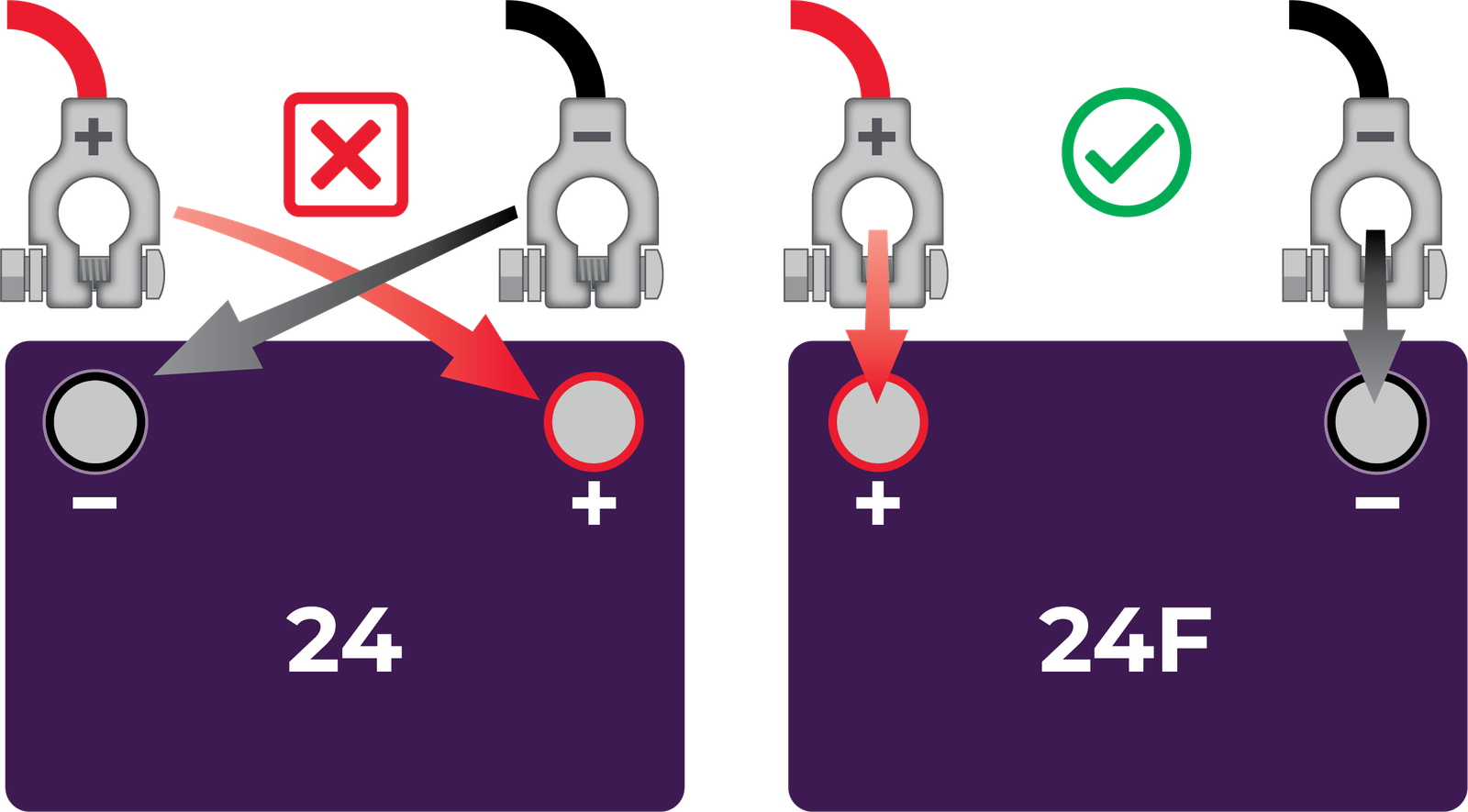
Start by inspecting the battery terminals. Make sure the clamps are tight enough to hold the battery securely. Loose terminals can cause poor electrical contact, leading to intermittent power issues.
Use a wrench to gently tighten the terminal nuts. Avoid over-tightening, which can damage the battery posts. If you notice any dirt or grease, clean the terminals with a battery terminal cleaner or a mixture of baking soda and water.
Avoid Corrosion Build-up
Corrosion looks like a white or bluish powder around the battery terminals. It can block the flow of electricity and reduce battery life. After cleaning, apply a thin layer of petroleum jelly or a commercial anti-corrosion spray to prevent corrosion from returning.
Regularly check your battery connections for signs of corrosion, especially during extreme weather. Have you ever faced a no-start situation because of unnoticed corrosion? Preventing this can keep your car reliable and your battery healthy for longer.

Credit: www.whocanfixmycar.com
Reset Electrical Systems
Replacing a car battery often causes the vehicle’s electrical systems to reset. This reset affects various settings saved in your car’s memory. It is important to restore these settings to keep your car functioning smoothly.
Electrical systems like the radio, clock, power windows, and sunroof may lose their configurations. Resetting them ensures comfort and convenience during your drive. Taking time to recalibrate these features can prevent future issues.
Restore Radio And Clock Settings
The radio often loses preset stations after a battery change. Manually reprogram your favorite stations for easy access. Set the correct time on your car clock to avoid confusion while driving.
Many cars require a security code to unlock the radio after battery removal. Check your vehicle’s manual or contact the dealer for this code. Enter it carefully to reactivate the radio system.
Recalibrate Power Windows And Sunroof
Power windows and sunroofs may stop working correctly after a battery replacement. Recalibrate these systems to restore smooth operation. This process usually involves fully opening and closing each window or sunroof.
- Hold the switch to open the window completely.
- Keep holding the switch for a few seconds after it stops.
- Close the window fully and hold the switch again.
- Repeat for each window and the sunroof if applicable.
Recalibration helps the car remember the limits of each window and sunroof. This prevents issues like windows getting stuck or not closing properly.
Inspect Engine Performance
After replacing your car battery, it's crucial to inspect how your engine performs. A fresh battery powers your vehicle’s electrical system, but sometimes engine behavior changes subtly. Paying attention now can help you catch issues early and avoid unexpected breakdowns.
Monitor Idle Speed
Check your engine’s idle speed once the battery is replaced. A stable idle means your engine runs smoothly without unnecessary strain. If the idle feels rough or fluctuates, it might indicate that the engine control unit needs to adjust to the new battery’s voltage.
Try to listen closely to the engine at rest. Does it sound steady, or do you notice irregular revving? If you spot a problem, restarting your car a few times can help the system recalibrate. However, persistent issues should prompt a quick visit to your mechanic.
Watch For Warning Lights
After installing a new battery, watch your dashboard for any warning lights. Lights like the check engine or battery indicator might flicker or stay on if there’s an electrical glitch. This could happen if the battery isn’t fully compatible or if connections are loose.
Don’t ignore these signals. They are your car’s way of telling you something needs attention. If any warning lights remain illuminated after driving a short distance, it’s wise to have your vehicle’s diagnostic system scanned as soon as possible.

Credit: www.tycorunenergy.com
Test Charging System
After replacing your car battery, testing the charging system is crucial to ensure everything works smoothly. A new battery alone won’t solve problems if your alternator or electrical system has issues. Checking the charging system helps avoid unexpected breakdowns and keeps your vehicle reliable.
Verify Alternator Output
Your alternator charges the battery while the engine runs. To verify its output, use a multimeter set to measure voltage. With the engine running, place the probes on the battery terminals.
You should see a voltage between 13.8 and 14.4 volts. Anything lower or higher may signal an alternator problem. If you find abnormal readings, don’t ignore them—your car might not charge properly, risking another dead battery soon.
Check For Battery Drain
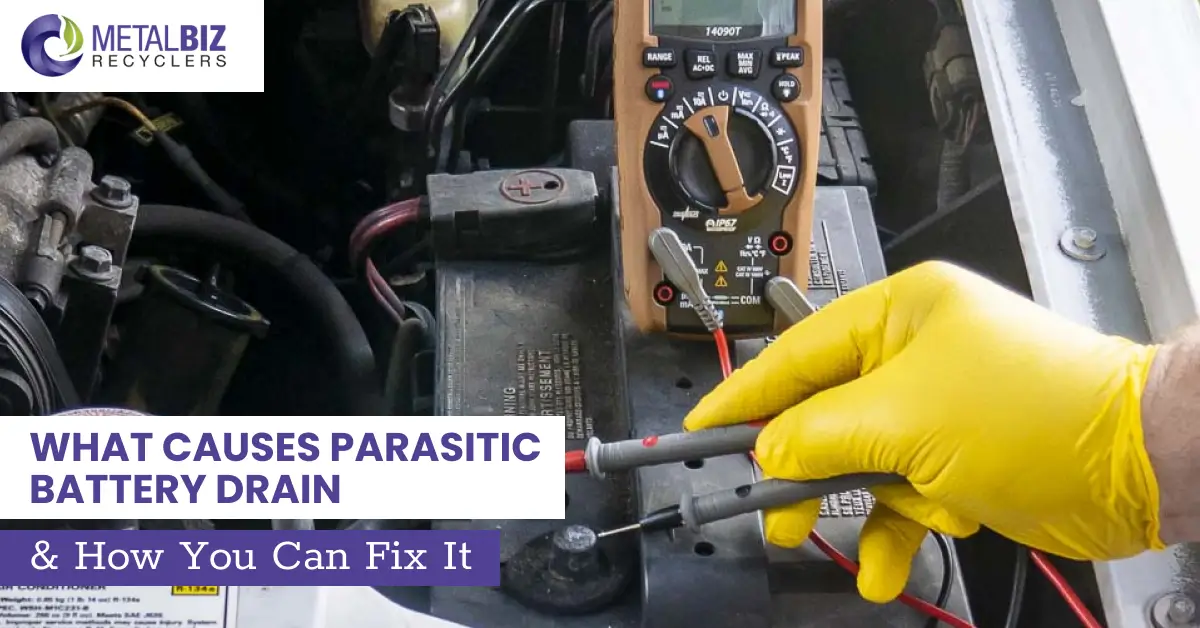
Even with a new battery, a constant electrical drain can wear it out fast. To check for battery drain, turn off your car and remove the key. Then, disconnect the negative battery cable and connect a multimeter set to measure current between the cable and the battery terminal.
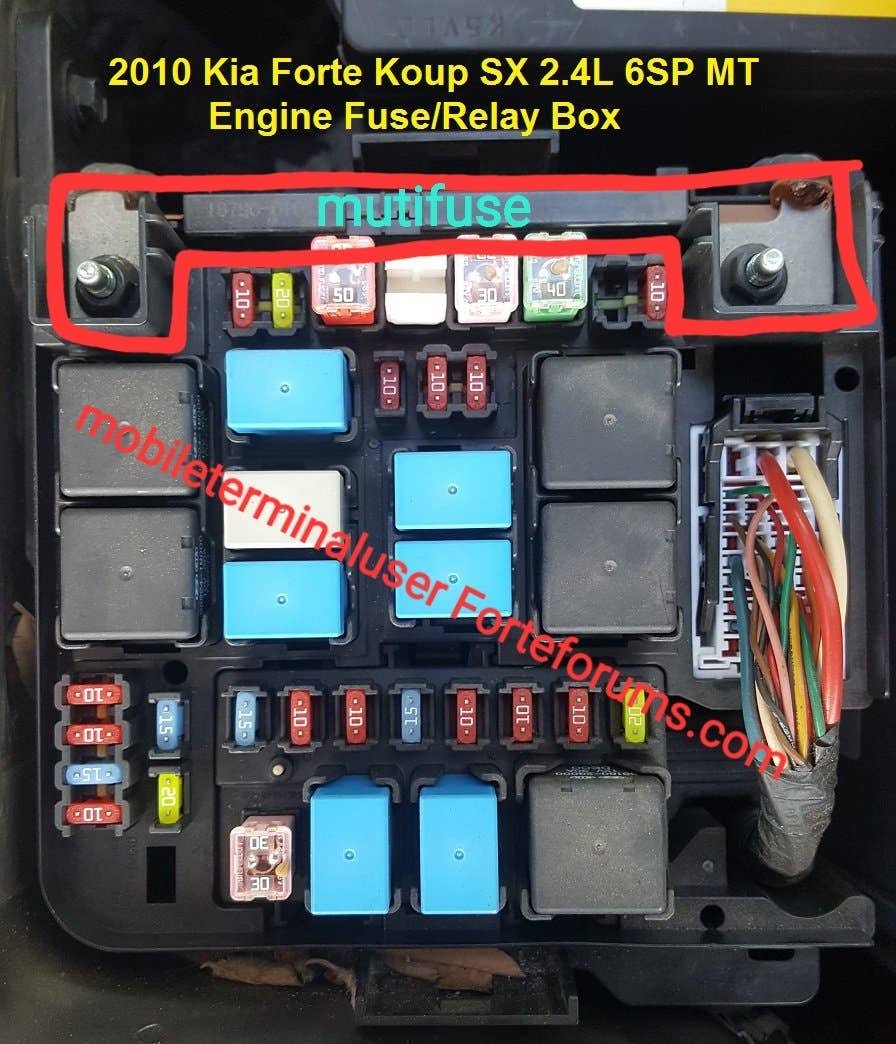
Most cars have a small parasitic drain, typically under 50 milliamps. If you see a higher reading, something in your electrical system is pulling power when it shouldn’t. You might want to inspect fuses, lights, or accessories that stay on, like glove box lights or faulty wiring.
Have you ever been stranded by a battery that dies too soon? Testing your charging system right after replacement can save you that frustration.
Drive To Recharge Battery
After replacing a car battery, driving the vehicle helps recharge the new battery quickly. Keep the engine running for at least 20 minutes to restore full power. This prevents battery drain and ensures reliable starting later.
After replacing your car battery, it's crucial to get the most out of your new investment by ensuring it's properly charged. Driving your vehicle is a natural way to recharge the battery, utilizing the alternator to replenish the power. But how long should you drive, and what should you be cautious of during this process? Let's dive into the specifics.
Recommended Driving Duration
To effectively recharge your new battery, it's generally recommended to drive your car for at least 20 to 30 minutes. This duration allows the alternator enough time to generate a significant charge. Think about this drive as a way to boost your battery’s health. Consider choosing a route with minimal stops to maintain a steady speed. The alternator works best when the car is running at a consistent pace. Frequent stopping and starting can hinder the charging process.
Avoid Short Trips Initially
Short trips might be convenient, but they don't give your battery the time it needs to charge adequately. If you’re only driving a few blocks, the battery may not receive enough power to stay fully charged. Why is this important? A partially charged battery can lead to premature wear and a shorter lifespan. If your schedule allows, opt for a slightly longer route. This ensures your battery remains in top condition, ready for the demands of daily life. How do you plan your drives to keep your battery healthy? Share your thoughts or tips in the comments below!
Dispose Of Old Battery Properly
Disposing of your old car battery properly is important for safety and the environment. Car batteries contain harmful chemicals and metals. Throwing them in the trash can cause pollution and health risks. Safe disposal helps recycle valuable materials and prevents damage to nature.
Locate Recycling Centers
Find local recycling centers that accept car batteries. Many auto shops and service stations take old batteries. Some stores offer battery recycling programs. Use online tools or contact your city’s waste management for locations. Always transport the battery carefully to avoid spills.
Follow Environmental Guidelines
Handle old batteries with care to avoid leaks. Wear gloves and avoid touching the battery acid. Store the battery in a cool, dry place before disposal. Follow your area's rules for battery disposal and recycling. Proper disposal protects water, soil, and air quality.

Credit: www.reddit.com
Frequently Asked Questions
How To Reset Car Electronics After Battery Replacement?
After replacing the battery, start the engine to reset electronics. Some vehicles need a manual reset for clocks and radio presets. Check your owner's manual for specific reset procedures to ensure all systems function correctly.
Should I Check Battery Terminals After Replacement?
Yes, always inspect battery terminals for tightness and corrosion. Loose or corroded terminals can cause starting issues and electrical problems. Clean terminals and secure connections to maintain optimal battery performance and longevity.
What Immediate Steps To Take Post Battery Installation?
After installing a new battery, verify all electrical components work. Drive the car for at least 15 minutes to recharge the battery fully. Monitor for warning lights and unusual behavior to detect potential installation issues early.
Can I Drive Normally Right After Battery Replacement?
Yes, you can drive normally, but avoid short trips initially. Short drives may not allow the battery to charge fully. Longer drives help the alternator recharge the battery and stabilize the vehicle's electrical system.
Conclusion
Replacing your car battery is just the first step. Check all connections to keep the power steady. Start the engine and watch for any warning lights. Test your electronics like lights and radio. Drive for a bit to help the battery charge.
Keep an eye on how your car runs. Regular checks can save you from future troubles. Taking these simple steps helps your car stay reliable. Stay safe and enjoy smooth rides ahead.