
Your car won’t start, and you suspect the battery is dead. It’s frustrating, right?
But don’t panic just yet. Knowing exactly what to do with a dead car battery can save you time, money, and stress. Whether you’re stuck at home or on the road, this guide will walk you through easy steps to get you moving again.
Keep reading to find out simple fixes, safety tips, and smart solutions that anyone can handle. Your next move could make all the difference.

Credit: www.youtube.com
Signs Of A Dead Battery
Recognizing the signs of a dead car battery helps avoid sudden breakdowns. Early detection saves time and money. Knowing what to watch for keeps your car reliable.
Common Symptoms
- Engine won’t start or cranks slowly
- Dim headlights or interior lights
- Electrical accessories fail to operate
- Clicking sound when turning the key
- Dashboard warning lights flicker or don’t appear
- Swollen or leaking battery case
How To Test Battery Health
Use a multimeter to check voltage. A healthy battery reads around 12.6 volts or higher. Below 12.4 volts means the battery is weak. Under 12 volts indicates a dead battery.
Try a load test with a battery tester if possible. It measures battery performance under stress. Car shops offer free battery tests too. Testing confirms the battery’s condition before replacement.
Immediate Fixes
Facing a dead car battery can be frustrating, especially when you’re in a hurry. Immediate fixes can save your day and get you back on the road quickly. These quick solutions don’t require professional help and can be done with basic tools or devices you might already have.
Jump-starting Your Car
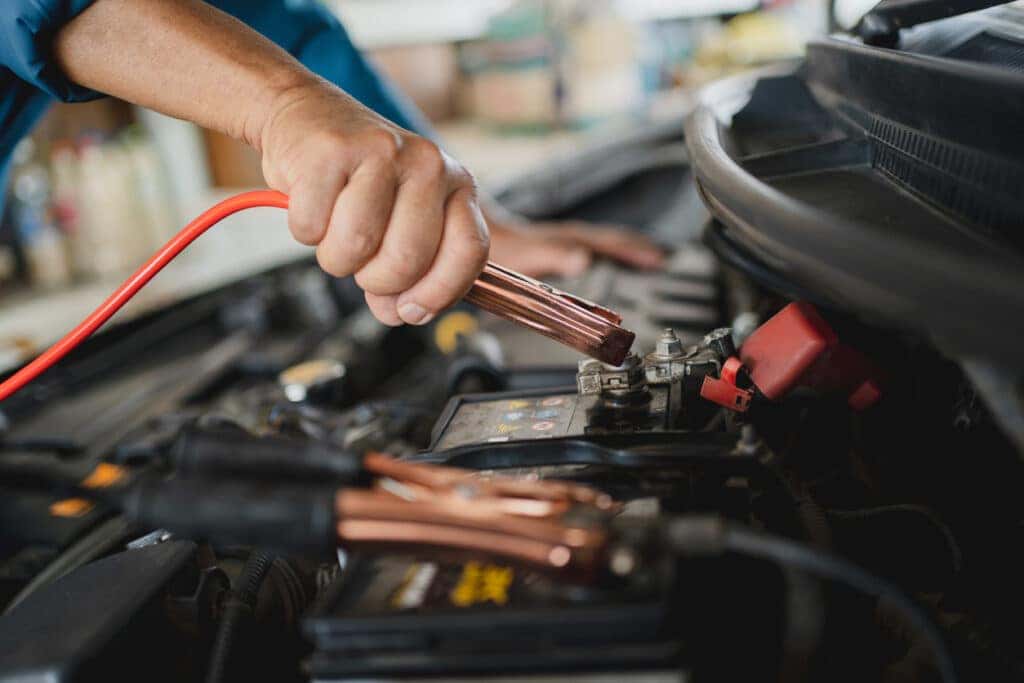
Jump-starting is the quickest way to revive a dead battery. You’ll need a set of jumper cables and another vehicle with a charged battery.
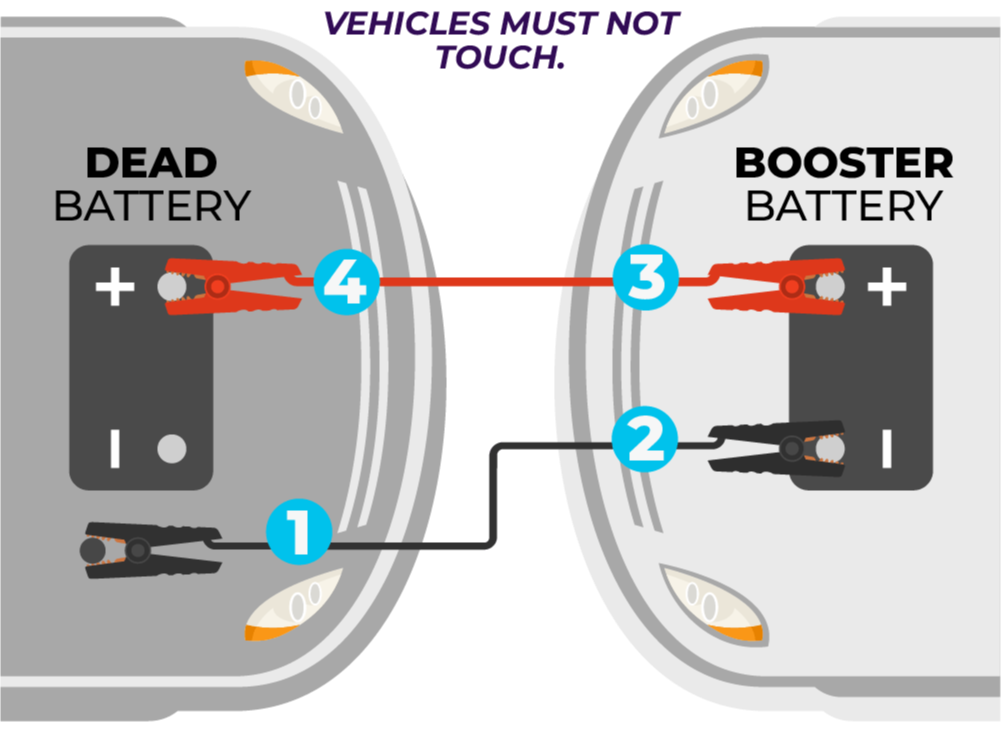
- Position the working car close to yours, but don’t let the vehicles touch.
- Connect the red jumper cable clamp to the positive terminal (+) of the dead battery.
- Attach the other end of the red cable to the positive terminal of the charged battery.
- Connect the black cable clamp to the negative terminal (-) of the charged battery.
- Attach the other end of the black cable to a metal ground on your car, away from the battery.
Start the working car and let it run for a few minutes. Then, try starting your car. If it starts, keep it running for at least 20 minutes to recharge the battery. Ever wondered why grounding the cable on your car helps? It prevents sparks near the battery, making the process safer.
Using A Portable Battery Charger
A portable battery charger is a handy tool if you don’t have access to another vehicle. It works by slowly charging your battery, which can be a lifesaver if jump-starting isn’t an option.
- Turn off your car and connect the charger clamps to the battery terminals—red to positive and black to negative.
- Plug in the charger and set it to the appropriate voltage and charge mode.
- Leave the charger connected until the battery reaches a full charge, which can take several hours.
This method is slower but gentler on your battery. Have you noticed how some chargers have different modes for different battery types? Choosing the right mode can extend your battery’s life.
Battery Maintenance Tips
Keeping your car battery in good shape extends its lifespan. Regular maintenance prevents unexpected breakdowns. Here are some easy tips to maintain your car battery.
Regular Inspection
Check your battery every month. Look for cracks or leaks on the battery case. These signs indicate a failing battery. Ensure the battery is securely mounted. A loose battery can cause damage.
Keeping Terminals Clean
Dirt and corrosion build up on battery terminals. This can hinder performance. Clean the terminals with a brush and baking soda solution. Ensure they are dry before reconnecting. This helps maintain a good connection.
Avoiding Deep Discharge
Avoid letting your battery drain completely. Frequent deep discharges shorten battery life. Turn off lights and electronics when the engine is off. Charge the battery regularly if not in use.
When To Replace Your Battery
Knowing when to replace your car battery saves time and prevents unexpected breakdowns. A battery shows clear signs before it fails completely. Acting early keeps your vehicle reliable and avoids extra costs. Regular checks help spot these signs and decide on replacement.
Signs Of Irreparable Damage
- Car struggles to start or won't start at all.
- Battery is swollen or leaking acid.
- Corrosion builds up on battery terminals persistently.
- Electrical systems work weakly or flicker.
- Battery is over three to five years old.
- Frequent jump-starts needed to start the car.
These signs mean the battery cannot hold a charge well. Repairing is often impossible or unsafe. Replace the battery to avoid getting stranded.
Choosing The Right Replacement
Pick a battery that matches your car’s specifications. Check the size, voltage, and cold-cranking amps (CCA) ratings. Use the owner’s manual or ask a professional for help.
Consider the following:
- Brand reputation and warranty length.
- Battery type, such as lead-acid or AGM.
- Climate conditions where you live.
- Price balanced with quality and durability.
Installing the correct battery ensures your car runs smoothly and safely.
Disposing Of Dead Batteries Safely
Disposing of dead car batteries safely is essential for protecting the environment and your health. These batteries contain hazardous materials like lead and acid that can cause serious damage if not handled correctly. Taking the right steps ensures you avoid contamination and legal issues.
Recycling Options
Recycling dead car batteries is the smartest choice. Many auto shops and battery retailers accept used batteries for recycling at no cost. You can also check with local recycling centers, which often have special drop-off points for hazardous waste like batteries.
Recycling recovers valuable materials such as lead and plastic, reducing the need for new raw materials. Have you ever wondered where your old battery ends up? Proper recycling helps keep toxic substances out of landfills and water supplies.
Local Disposal Regulations
Each area has its own rules for battery disposal. Some places require you to hand over dead batteries only to certified recycling centers, while others may impose fines for improper disposal. It’s important to find out your local regulations to avoid penalties.
Contact your city’s waste management office or visit their website to get accurate information. Knowing the rules helps you dispose of your battery safely and responsibly. What steps will you take to ensure you meet your local disposal laws?

Credit: www.youtube.com
Preventing Future Battery Issues
Preventing future battery issues is key to avoiding the frustration of a dead car battery again. Small changes in how you drive and maintain your battery can extend its life significantly. Understanding these habits helps you keep your car reliable and ready to go.
Driving Habits That Help
Short trips often don’t give your battery enough time to recharge fully. If you mostly drive short distances, consider taking a longer drive once a week to let the alternator recharge the battery completely.
Turning off all electronics before shutting down your car can prevent unnecessary battery drain. Leaving headlights, interior lights, or the radio on, even for a short while, can weaken your battery over time.
Have you noticed your car struggling to start after leaving it parked for a few days? This could be a sign your battery isn’t getting enough charge during your regular drives.
Using Battery Maintainers
Battery maintainers are devices designed to keep your battery charged when you’re not driving frequently. They supply a low, steady charge that prevents the battery from dying during long periods of inactivity.
If you own a second car or use your vehicle seasonally, a battery maintainer can save you from the hassle of a dead battery. Simply connect the device to your battery and plug it into a standard outlet.
Some maintainers also have safety features like automatic shut-off to avoid overcharging. Investing in a quality maintainer can be a simple yet effective way to protect your battery’s health.
Credit: www.gallagherautos.com
Frequently Asked Questions
How To Identify A Dead Car Battery?
A dead car battery usually shows slow engine crank and dim lights. Check for corrosion on terminals and a swollen battery case. Use a multimeter to test voltage; below 12. 4 volts indicates a weak or dead battery.
Can I Jump-start A Dead Car Battery?
Yes, you can jump-start a dead car battery using jumper cables and another vehicle. Ensure correct cable connections and start the donor car first. Let the dead battery charge for a few minutes before attempting to start the engine.
How To Properly Dispose Of A Dead Car Battery?
Dead car batteries must be recycled at authorized centers or auto shops. Do not throw them in regular trash due to toxic chemicals. Many stores offer battery recycling services and may provide discounts on new battery purchases.
When Should I Replace A Dead Car Battery?
Replace a dead car battery if jump-starting fails or battery is over 3-5 years old. Frequent battery issues and slow engine cranking also signal replacement. Always choose a battery compatible with your vehicle’s specifications.
Conclusion
A dead car battery can cause many problems. You can try jump-starting the battery safely. Cleaning the battery terminals may help too. Sometimes, replacing the battery is the best choice. Always handle batteries carefully to avoid harm. Recycling old batteries protects the environment.
Knowing these steps saves time and stress. Keep these tips in mind for future issues. Stay prepared and keep your car running smoothly.