

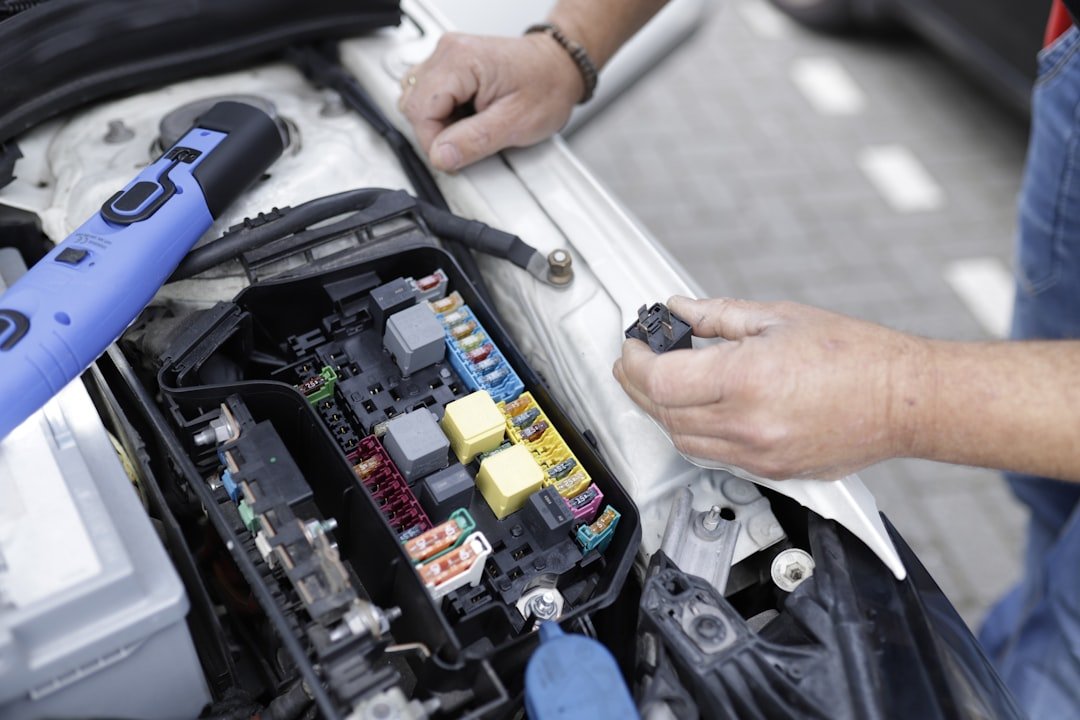
When hooking up a car battery, you might wonder: which terminal should you connect first? This simple step can make a big difference in your safety and your car’s performance.
If you’re not sure whether to start with the positive or negative terminal, you’re not alone. Getting this right can save you from sparks, shocks, and even damage to your vehicle. Keep reading, and you’ll learn the exact order to follow and why it matters so much for your safety and your car’s health.
Choosing The Right Terminal
Choosing the right terminal to connect first when hooking up a car battery is crucial for safety and to avoid damaging your vehicle’s electrical system. Understanding which terminal is positive and which is negative helps you connect the battery properly without causing sparks or short circuits. Let’s look closely at how to identify these terminals clearly.
Identifying Positive And Negative
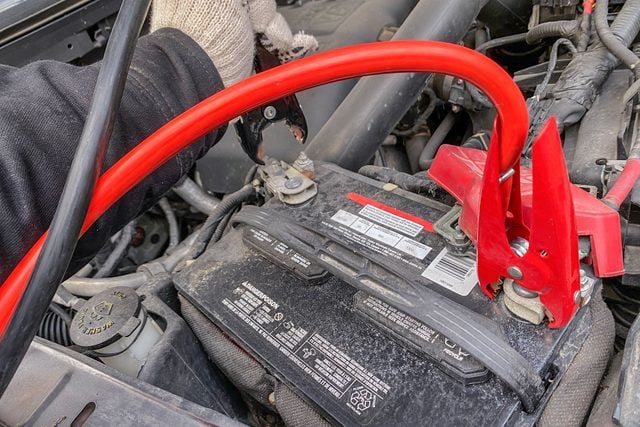
The positive terminal on a car battery is usually marked with a plus sign (+), while the negative terminal has a minus sign (−). These symbols are your first clue in distinguishing the two. If you ever find yourself unsure, check the battery cables—positive cables often have a red cover or are thicker.
Connecting the wrong terminal first can cause sparks, which may damage your battery or the car’s electrical components. Have you ever tried to jumpstart a car and noticed a spark? That’s often due to connecting the terminals in the wrong order.
Color Coding And Symbols
Color coding is a quick and easy way to identify battery terminals. The positive terminal is almost always red, and the negative is black. This color scheme reduces confusion, especially when you’re in a hurry or working in low light conditions.
Some batteries also include embossed symbols near the terminals—look for a “+” sign by the positive and a “−” sign near the negative. If you find faded or unclear markings, don’t guess. Use a multimeter to test or refer to the car’s manual to avoid mistakes.
Credit: www.familyhandyman.com
Connecting The Battery Safely
Connecting a car battery safely is crucial to avoid damage to your vehicle and protect yourself from injury. The order in which you attach the terminals can make a significant difference. Paying attention to the right terminal connection helps prevent electrical shorts and sparks that could lead to accidents.
Why Connect Positive Terminal First
Connecting the positive terminal first ensures that the battery is properly grounded as you finish the connection. When you attach the positive cable, you create a path for the current to flow safely through the electrical system once the negative terminal is connected.
Think about the risk: if you connect the negative terminal first, touching the positive terminal to any metal part of the car can cause a short circuit. This can generate sparks or even damage sensitive electronics in your vehicle.
From my own experience, I once reversed this order and immediately saw a spark jump when the positive terminal touched a metal surface. That moment taught me the importance of following the correct sequence every time.
Risks Of Reversing The Order
Attaching the negative terminal before the positive one increases the chance of creating a direct short circuit. If the positive cable touches any grounded metal surface, it completes the circuit and causes sparks or a battery explosion.
Besides physical harm, reversing the terminal order can fry your vehicle’s electrical components. Modern cars have many sensitive electronics that are vulnerable to sudden voltage spikes.
Ask yourself: is the moment saved by changing the order worth the potential damage or injury? Taking a few extra seconds to connect the positive terminal first avoids unnecessary risks.
Tools And Precautions
Always use insulated tools to avoid sparks. Connect the positive terminal first, then the negative to prevent short circuits. Wear gloves and eye protection for safety.
Hooking up a car battery might seem straightforward, but safety and preparation are key. Ensuring you have the right tools and taking necessary precautions can make the process smooth and hazard-free. Whether you're a seasoned DIYer or a curious beginner, understanding the essentials can save you time and protect you from potential mishaps.
Essential Tools For Battery Hookup
Before diving into the task, gather the following tools to ensure a seamless experience:
- Wrench or Socket Set: A dependable wrench or socket set is crucial for loosening and tightening battery terminals.
- Battery Terminal Cleaner: Corrosion can impede connectivity; a cleaner ensures optimal contact.
- Multimeter: This tool checks the voltage and verifies the battery's charge status.
- Battery Terminal Puller: If terminals are stubborn, a puller can safely remove them without damage.
Having these tools on hand not only simplifies the process but also enhances your efficiency. Have you ever started a project and realized halfway through that you're missing a key tool? Avoid that frustration by preparing ahead.
Protective Gear Recommendations
Safety should never be an afterthought when dealing with car batteries. Equip yourself with the right gear to protect against potential hazards:
- Safety Glasses: Shield your eyes from acid splashes or flying debris.
- Rubber Gloves: These provide insulation and protect your hands from acid and electrical currents.
- Apron or Old Clothes: Acid can damage clothing, so wear something you don't mind getting ruined.
You might wonder if these precautions are truly necessary. Consider this: even seasoned mechanics wear protective gear because accidents can happen to anyone. Your safety is worth the extra effort. By equipping yourself with the right tools and protective gear, you're setting the stage for a successful battery hookup. Are you ready to take on the task with confidence?
Credit: www.midtronics.com
Step-by-step Battery Connection
Connecting a car battery needs careful steps for safety and performance. The order of attaching terminals matters to avoid sparks or damage. Follow this guide to connect your battery properly.
Preparing The Battery And Cables
Start by placing the battery on a stable surface. Check for dirt, corrosion, or damage on battery terminals. Clean terminals with a wire brush if needed. Make sure cables are free of rust and fraying. Wear gloves and safety glasses to protect yourself.
Attaching The Positive Terminal
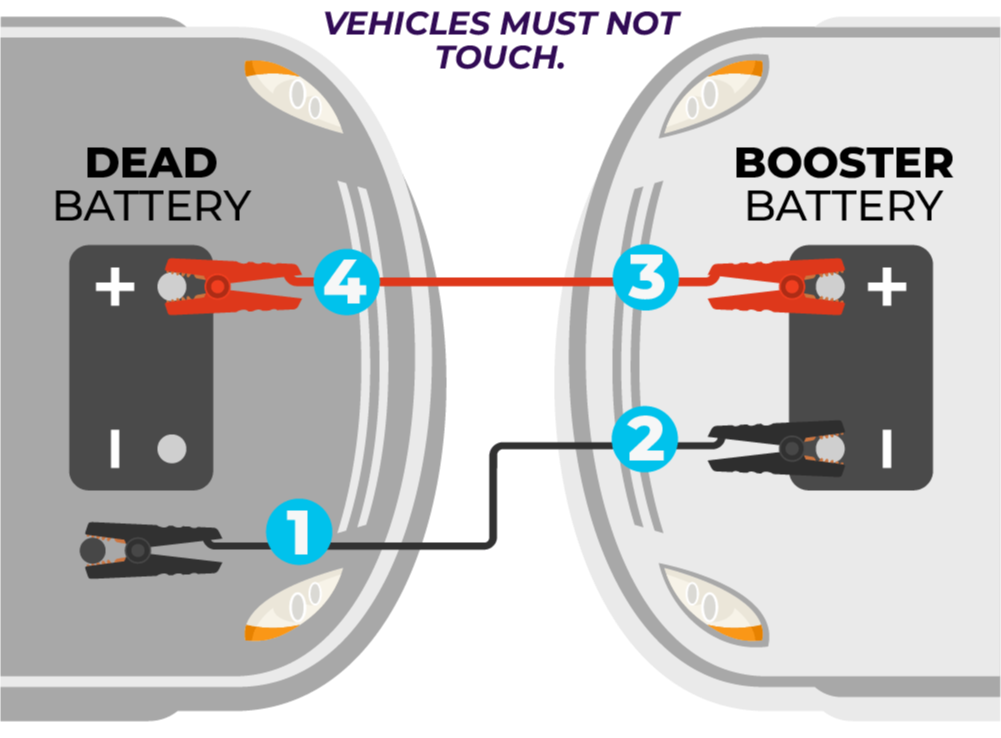
Identify the positive terminal by its plus sign (+) or red color. Connect the positive cable clamp firmly to this terminal. Tighten the clamp using a wrench until it holds tightly. Avoid letting the clamp touch other metal parts during connection.
Securing The Negative Terminal
Locate the negative terminal marked with a minus sign (-) or black color. Attach the negative cable clamp securely to this terminal. Tighten the clamp just like the positive one. This step completes the battery connection safely and correctly.
Common Mistakes To Avoid
Hooking up a car battery might seem straightforward, but many people make mistakes that can cause damage or even be dangerous. Knowing what to avoid helps you handle the battery safely and efficiently. Let’s look at some common errors that can trip you up and how to steer clear of them.
Crossing Terminals
One of the biggest mistakes is mixing up the terminals. Connecting the positive cable to the negative terminal or vice versa can cause sparks, damage the battery, or fry your car’s electrical system.
Always double-check the terminals before attaching cables. The positive terminal usually has a plus sign (+) and is often red, while the negative is marked with a minus sign (-) and is black.
Have you ever accidentally crossed them? I once did, and the sudden spark was a clear warning. It’s a simple step that can save you a lot of trouble.
Ignoring Corrosion And Dirt
Corrosion and dirt on the battery terminals can block proper connection and reduce the battery’s performance. Many people skip cleaning the terminals, which leads to poor contact and starting problems.
Before hooking up the battery, inspect the terminals closely. If you see a white or green powdery buildup, clean it off with a mixture of baking soda and water using a brush.
Taking a few minutes to clean the terminals can make a big difference. Would you risk a no-start day just to save a little time?
Additional Safety Tips
Handling a car battery safely goes beyond just connecting the terminals in the right order. Paying attention to extra safety measures can prevent accidents and protect you from harmful substances. These additional tips will help you work confidently and securely around your vehicle’s battery.
Working In A Well-ventilated Area
Battery fumes can be dangerous, especially in closed spaces. Always make sure you're in an area with good airflow to avoid breathing in harmful gases. I once worked in a cramped garage without ventilation and immediately felt dizzy—don’t make the same mistake.
If you're indoors, open windows and doors or use a fan to circulate fresh air. This simple step can reduce the risk of explosion and keep you safe while connecting or disconnecting the battery.
Handling Battery Acid Spills
Battery acid is corrosive and can cause serious burns or damage to your car. If you accidentally spill acid, don’t panic—act quickly by neutralizing it with a baking soda and water mixture. I keep a small container of this mix in my garage for emergencies, and it has saved me from potential injuries more than once.
Wear gloves and protective eyewear whenever you handle a battery to avoid direct contact. Always clean the spill thoroughly and dispose of any contaminated materials safely to protect yourself and the environment.
Credit: www.autobatteries.com
Frequently Asked Questions
Which Car Battery Terminal To Connect First?
Always connect the positive terminal first when hooking up a car battery. This reduces the risk of short circuits and sparks during installation.
Why Connect Positive Terminal Before Negative?
Connecting positive first prevents accidental grounding. It minimizes electrical shock and protects both you and the vehicle’s electrical system.
What Happens If Negative Terminal Is Connected First?
Connecting the negative terminal first can cause sparks or short circuits. This may damage the battery or vehicle electronics and pose safety risks.
How To Safely Disconnect Car Battery Terminals?
Always disconnect the negative terminal first to prevent sparks. Then remove the positive terminal to safely detach the battery from the car.
Conclusion
Always connect the positive terminal first when hooking up a car battery. This helps avoid sparks and keeps you safe. Then attach the negative terminal last to complete the circuit. Follow these steps carefully to protect yourself and your vehicle.
Remember, safety matters most during any battery work. Taking a few extra seconds can prevent accidents. Keep your tools ready and stay calm while working. This simple habit makes battery installation easier and safer every time.