
When you need to replace or jump-start your car battery, one question often trips people up: which battery terminal should you connect first? It might seem like a small detail, but getting it wrong can lead to sparks, damage, or even injury.
You want to do this safely and quickly, without any guesswork or stress. You’ll discover the simple step-by-step answer that experts swear by, so you can handle your car battery with confidence every time. Keep reading—your safety and your car depend on it.
Car Battery Basics
Understanding the basics of a car battery helps you handle it safely. A car battery powers the vehicle’s electrical system. It starts the engine and runs lights, radio, and other devices. Knowing how the battery terminals work is key to proper maintenance and jump-starting.
Types Of Battery Terminals
Car batteries usually have two terminals. One is positive, marked with a plus (+) sign. The other is negative, marked with a minus (–) sign. These terminals come in different shapes:
- Top post terminals:Round posts on top of the battery.
- Side post terminals:Threaded holes on the battery side.
- Stud terminals:Bolt-like connectors for cables.
Each type fits specific cable connectors. Knowing your battery terminal type helps with correct cable attachment.
Battery Terminal Functions
The positive terminal delivers power from the battery to the car. It connects to the starter and electrical systems. The negative terminal acts as a ground. It completes the electrical circuit by connecting to the car’s frame.
Proper connection order of these terminals is crucial. It prevents sparks and short circuits. Connecting the terminals correctly protects you and the vehicle’s electrical parts.

Credit: baterihub.com
Safety Precautions
Handling car battery terminals requires care to avoid accidents. Safety precautions protect you from sparks, acid, and electric shocks. Preparing well helps complete the task smoothly and safely.
Protective Gear
Wear safety glasses to shield your eyes from acid splashes. Use gloves to protect your hands from battery acid and dirt. Choose clothes that cover your arms and legs to avoid skin contact. Avoid wearing metal jewelry to prevent electrical shorts.
Working In Safe Environment
Work in a well-ventilated area to avoid inhaling harmful gases. Keep sparks, flames, and smoking materials far from the battery. Place the car on a flat surface and use the parking brake. Have a fire extinguisher nearby in case of emergencies.
Tools Needed
Basic tools include safety gloves, a wrench, and a wire brush for cleaning terminals. Having these ready ensures a smooth battery connection process.
To safely connect a car battery, having the right tools is essential. This ensures a smooth process and prevents any mishaps. A well-equipped toolbox can make the task straightforward.
1. Protective Gear
Always wear safety goggles and gloves. They protect against sparks and acid. This gear is crucial for your safety.
2. Wrench Or Socket Set
A wrench or socket set is needed to loosen and tighten terminal nuts. Ensure it fits snugly to avoid stripping.
3. Battery Terminal Cleaner
A terminal cleaner helps remove corrosion. This ensures a better connection and prevents issues.
4. Multimeter
A multimeter checks battery voltage. It helps confirm the battery is in good condition.
5. Baking Soda And Water
Use this mixture to clean corrosion. It neutralizes acid and cleans terminals effectively.
6. Wire Brush
A wire brush scrubs away rust and dirt. It ensures a clean surface for connections.
7. Flashlight
A flashlight provides better visibility. It helps spot issues in low-light conditions.
8. Battery Terminal Puller
A terminal puller removes tight terminals. It prevents damage to the battery posts.
Credit: www.toyotanation.com
Step-by-step Connection Process
Connecting your car battery properly is crucial for safety and ensuring your vehicle starts without issues. The order in which you attach the terminals matters a lot. Let’s walk through the process carefully so you can avoid sparks and damage.
Identifying Positive And Negative Terminals
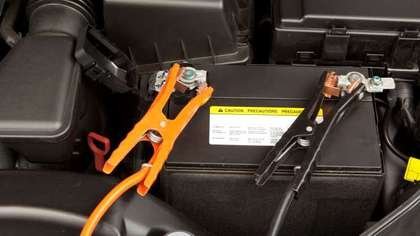
First, you need to clearly identify which terminal is positive and which is negative. The positive terminal usually has a plus sign (+)and often a red cover or red cable. The negative terminal will have a minus sign (–)and is typically black.
Take a moment to double-check these symbols. Misidentifying them can cause a short circuit or damage to your car’s electrical system. If the terminals are dirty or corroded, clean them gently before proceeding.
Connecting The Positive Terminal First
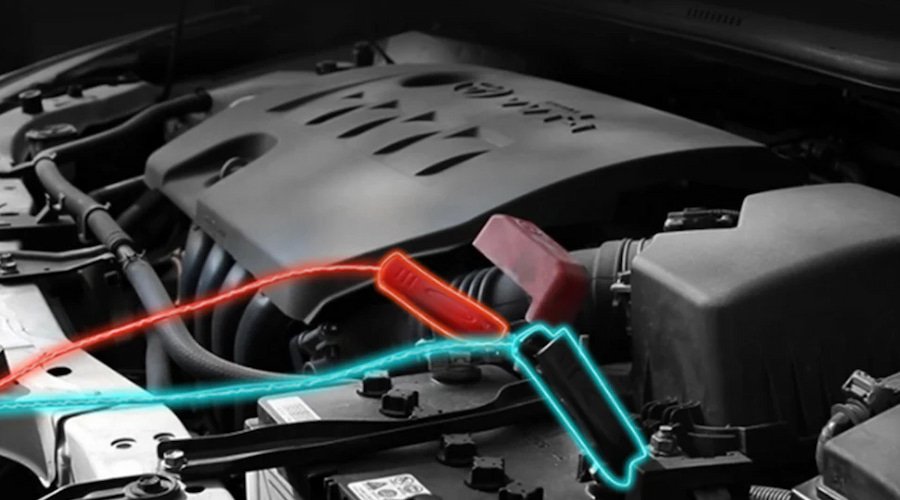
Always connect the positive terminal first. This step reduces the risk of accidental short circuits. When you attach the positive cable, make sure it fits snugly on the terminal and tighten the clamp securely.
Think of it like establishing a safe electrical connection before grounding. I’ve seen situations where skipping this step led to sparks—something you definitely want to avoid. If your battery terminals are loose, your car might not start or could have electrical glitches.
Connecting The Negative Terminal Last
After securing the positive terminal, connect the negative terminal. This terminal acts as the ground, completing the circuit safely. Attach the negative cable firmly and tighten its clamp to prevent any movement.
Connecting the negative terminal last is a safety measure. It reduces the chance of sparks near the battery, which could ignite battery gases. Have you ever wondered why mechanics always emphasize this order? It’s about keeping you safe and your car running smoothly.
Common Mistakes To Avoid
Knowing which car battery terminal to connect first is crucial, but equally important is avoiding common mistakes that can cause damage or even injury. These errors often happen because of haste or misunderstanding. Let’s look at key pitfalls you should watch out for to keep your battery connections safe and effective.
Reversing Terminal Connections
Connecting the terminals backwards is more than just a small error; it can seriously harm your car’s electrical system. If you connect the positive cable to the negative terminal and vice versa, you risk short-circuiting the battery and damaging sensitive electronics.
Have you ever accidentally grabbed the wrong cable in a rush? It’s easy to do when the terminals look similar or the battery is dirty. Always double-check the signs (+ and –) before connecting, and remember: connecting the positive terminal first usually helps avoid sparks.
Loose Or Corroded Connections
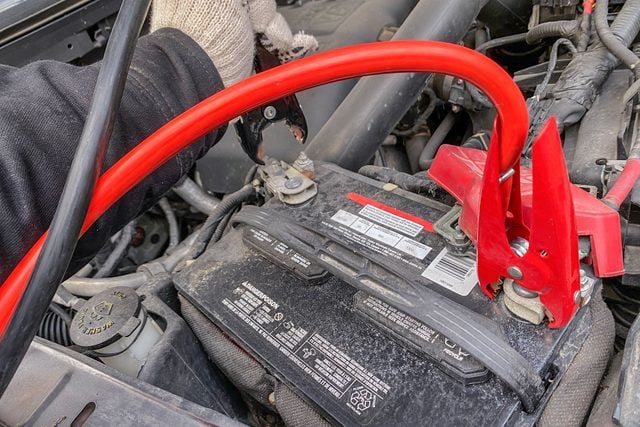
Even if you connect the terminals correctly, loose or corroded connections can cause your car to struggle with starting or electrical issues. Loose terminals can create intermittent contact, leading to power loss or unusual dashboard warnings.
Corrosion builds up over time, especially in humid or salty environments, and can prevent a solid connection. Regularly inspect your battery terminals for white or greenish buildup. Cleaning them with a mix of baking soda and water can improve performance and extend battery life.
Have you checked your battery terminals lately? Ensuring a tight, clean connection could save you from unexpected breakdowns on the road.
Credit: www.familyhandyman.com
Troubleshooting Connection Issues
Connection issues with your car battery terminals can be frustrating, especially when you’re unsure why the battery isn’t working as expected. Identifying and fixing these problems early can save you time and prevent further damage. Let’s look into common issues and practical tips to get your battery back in shape.
Battery Not Starting
If your car doesn’t start after connecting the battery, the first thing to check is whether the terminals are attached securely. Loose connections can interrupt the flow of electricity, leaving you with no power.
Another common culprit is mixing up the order of connection. Always connect the positive terminal first and then the negative to avoid sparks or electrical shorts. Have you ever noticed a clicking sound when trying to start your car? This often points to a weak or dead battery.
Testing the battery with a multimeter can confirm if it has enough voltage. If the voltage reads below 12.4 volts, your battery might need charging or replacement. Also, check the battery cables for any visible damage or wear that could affect the connection.
Corrosion Removal Tips
Corrosion on battery terminals is a silent enemy. It looks like a white or blue powdery substance around the terminals and can block electrical flow. Cleaning it off can dramatically improve your battery’s performance.
Here’s a simple way to remove corrosion safely:
- Wear gloves to protect your hands from acid residue.
- Mix baking soda with a small amount of water to create a paste.
- Apply the paste to the corroded areas and let it fizz for a few minutes.
- Use an old toothbrush or wire brush to scrub the corrosion gently.
- Rinse the area with clean water and dry with a cloth.
Make sure the terminals are dry before reconnecting the battery. Have you checked your battery terminals lately? A quick clean might be all your car needs to start smoothly again.
When To Seek Professional Help
Knowing when to seek professional help is important for car battery issues. Some problems need expert skills and tools. Trying to fix these yourself can cause damage or injury. Safety comes first. Recognizing the signs that require a mechanic can save time and costs.
Signs Of A Faulty Battery Terminal
Corrosion that is thick and hard to remove needs expert care. Loose or damaged terminals affect battery performance. Sparks or unusual smells during connection are warning signs. A professional can inspect and fix these safely.
Complex Electrical Problems
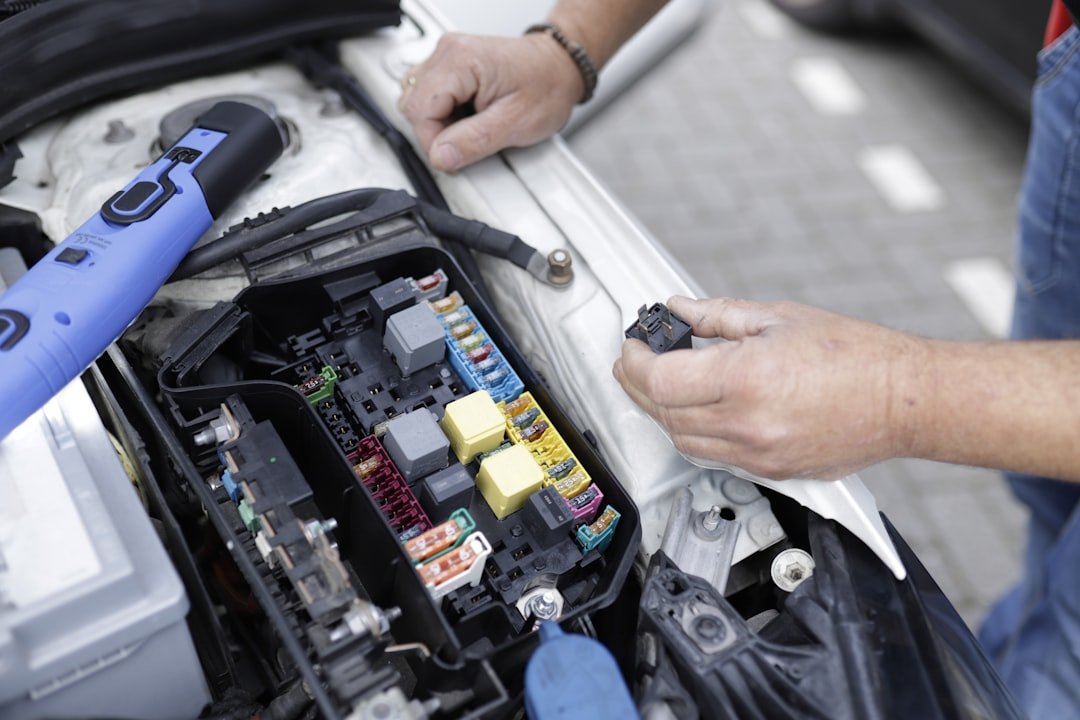
Issues beyond battery terminals, like wiring or fuse problems, need a specialist. Modern cars have sensitive electronics. Wrong handling can cause more damage. Experts use diagnostic tools to find the real cause.
When You Lack Proper Tools
Special tools are required to connect or replace terminals safely. Without them, connections might be loose or unsafe. Mechanics have the right equipment to do the job correctly.
After A Battery Replacement
Sometimes, a new battery needs programming or calibration. Professionals ensure the battery works well with the car’s system. This step keeps the vehicle running smoothly.
Safety Concerns
Batteries contain acid and store electrical energy. Mishandling can cause burns or shocks. Professionals follow safety rules to protect themselves and your car.
Frequently Asked Questions
Which Car Battery Terminal Connects First When Installing?
Always connect the positive terminal first when installing a car battery. This reduces the risk of short circuits and sparks during connection.
Why Connect The Positive Terminal Before The Negative?
Connecting positive first prevents accidental grounding. It ensures safety by reducing the chance of electrical shorts while installing the battery.
What Happens If You Connect The Negative Terminal First?
Connecting negative first can cause sparks or short circuits. This increases the risk of injury and damage to your vehicle’s electrical system.
How To Safely Disconnect Car Battery Terminals?
Always disconnect the negative terminal first to break the circuit safely. Then remove the positive terminal to avoid electrical hazards.
Conclusion
Always connect the positive terminal first when installing a car battery. This helps prevent sparks and keeps you safe. Next, attach the negative terminal to complete the connection. Remember to wear gloves and avoid touching both terminals together. Taking these steps makes battery installation easier and safer.
Now, you can change your car battery with confidence and avoid common mistakes. Simple care leads to better car performance and longer battery life. Stay safe and follow these easy tips every time you replace your battery.