
Have you ever felt your car suddenly lose power and stall without warning? It’s frustrating, and often, the culprit might be something as simple as bad spark plugs.
You rely on your car every day, so understanding how these small parts can cause big problems is crucial. You’ll discover why bad spark plugs can make your car stall and what you can do to fix the issue before it leaves you stranded.
Keep reading to learn how to keep your engine running smoothly and avoid unexpected breakdowns.
How Spark Plugs Affect Engine Performance
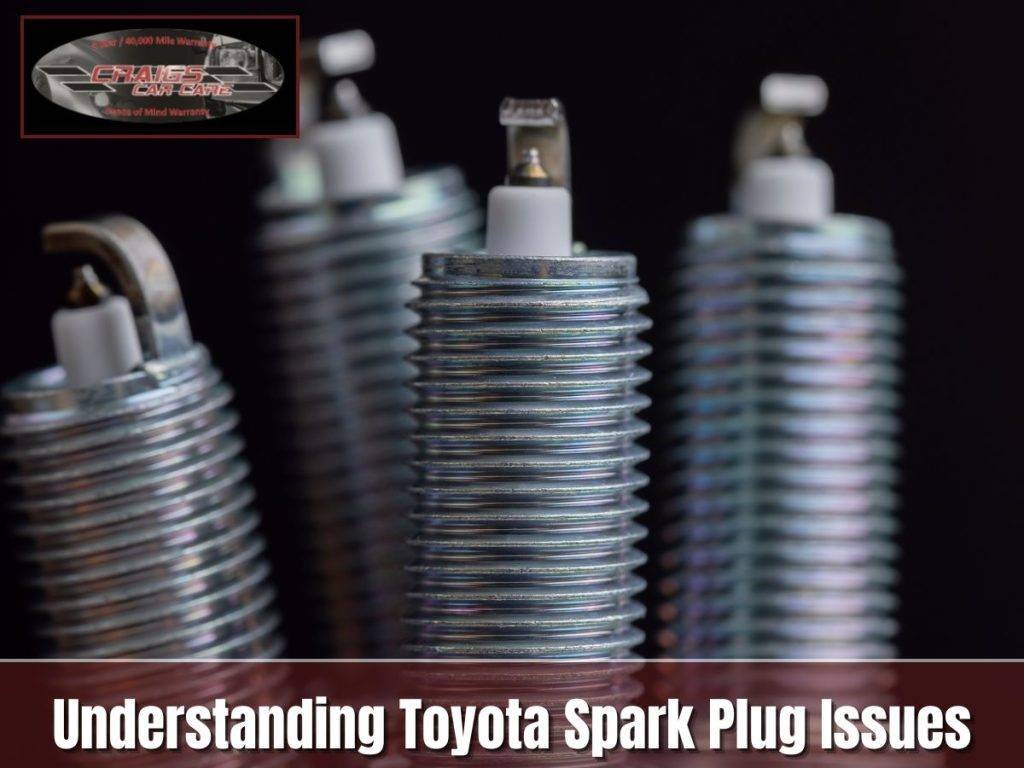
Spark plugs play a vital role in how well your engine runs. They create the spark that ignites the air-fuel mixture inside the engine cylinders. This ignition powers the engine and keeps the car moving smoothly. Poor spark plug condition can reduce engine efficiency and cause problems like stalling.
Understanding how spark plugs affect engine performance helps in maintaining your vehicle. It also aids in spotting issues early to avoid expensive repairs. Here’s a closer look at their role and the signs that show they need attention.
Role Of Spark Plugs In Combustion
Spark plugs deliver an electric spark to ignite the fuel-air mix. This process happens inside each cylinder every time the engine runs. The spark's timing and strength directly affect engine power and smoothness.
Good spark plugs ensure:
- Complete combustion of fuel
- Smooth engine operation
- Better fuel efficiency
- Lower emissions
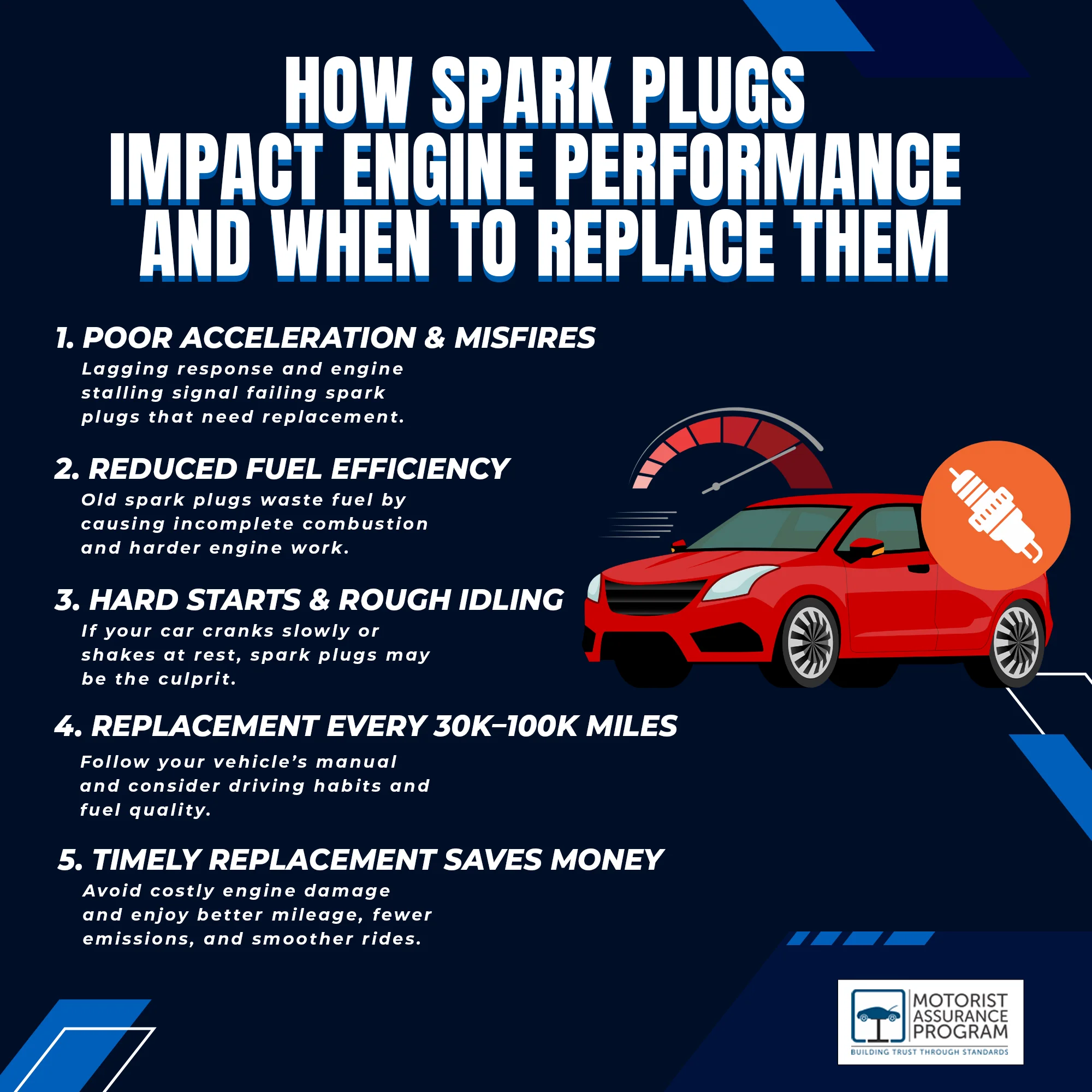
Weak or inconsistent sparks cause misfires. This leads to rough idling, less power, and increased fuel use. Proper spark plugs keep the combustion process steady and reliable.
Signs Of Worn Or Faulty Spark Plugs
Old or bad spark plugs show clear signs. Watch for these symptoms:
- Engine stalls or hesitates during acceleration
- Hard starting or no start at all
- Rough idling or vibrations
- Reduced fuel economy
- Engine misfires or loss of power
Ignoring these signs can damage the engine over time. Regular spark plug checks help maintain engine health and avoid stalling issues.

Credit: www.youtube.com
Common Causes Of Car Stalling
Car stalling can happen for many reasons. Understanding these causes helps prevent sudden stops. Stalling means the engine stops running unexpectedly. This can be dangerous on the road. Several parts of the car might cause this issue. Some are related to fuel, ignition, and sensors.
Fuel System Issues
The fuel system delivers gas to the engine. Problems here can make the engine stall. A clogged fuel filter blocks gas flow. A failing fuel pump cannot send enough fuel. Dirty fuel injectors stop fuel from reaching cylinders. Low fuel pressure causes the engine to stall.
Ignition System Problems
The ignition system starts the engine’s combustion process. Faulty spark plugs can cause misfires and stalling. Bad ignition coils lead to weak sparks. Worn distributor caps and rotors disrupt spark delivery. Ignition timing that is off can stop the engine.
Sensor Failures
Modern cars use sensors to manage engine functions. A bad crankshaft sensor can cut engine power. The camshaft sensor controls fuel and timing. Faulty mass airflow sensors cause incorrect air fuel mix. Oxygen sensor problems affect fuel efficiency and stall risk.
Link Between Bad Spark Plugs And Stalling
The link between bad spark plugs and stalling is significant. Spark plugs are crucial for igniting the air-fuel mixture in the engine. When they fail, the engine struggles to maintain power. This can lead to stalling during idle or acceleration. Understanding this connection helps in diagnosing car problems effectively.
Misfires Leading To Engine Stall
Faulty spark plugs often cause engine misfires. A misfire occurs when the spark plug fails to ignite the fuel. This incomplete combustion disrupts engine performance. Frequent misfires can cause the engine to stall unexpectedly. Replacing bad spark plugs can resolve this issue.
Impact On Idle And Acceleration
Bad spark plugs affect both idle and acceleration. During idle, the engine may run rough and unstable. This inconsistency can lead to stalling at stoplights or in traffic. During acceleration, the car may hesitate or jerk. The engine struggles to deliver smooth power.
Real-life Examples
Many drivers face stalling due to bad spark plugs. Consider a car that stalls at every stop sign. The driver replaces the spark plugs and the problem disappears. Another example is a vehicle struggling to accelerate on highways. New spark plugs restore its smooth performance. These real-life cases highlight the importance of maintaining spark plugs.
Credit: motorist.org
Diagnosing Spark Plug Problems
Diagnosing spark plug problems is essential if your car stalls unexpectedly. Spark plugs are tiny but vital parts that ignite the fuel-air mixture in your engine. Spotting issues early can save you from costly repairs and frustrating breakdowns.
Visual Inspection Tips
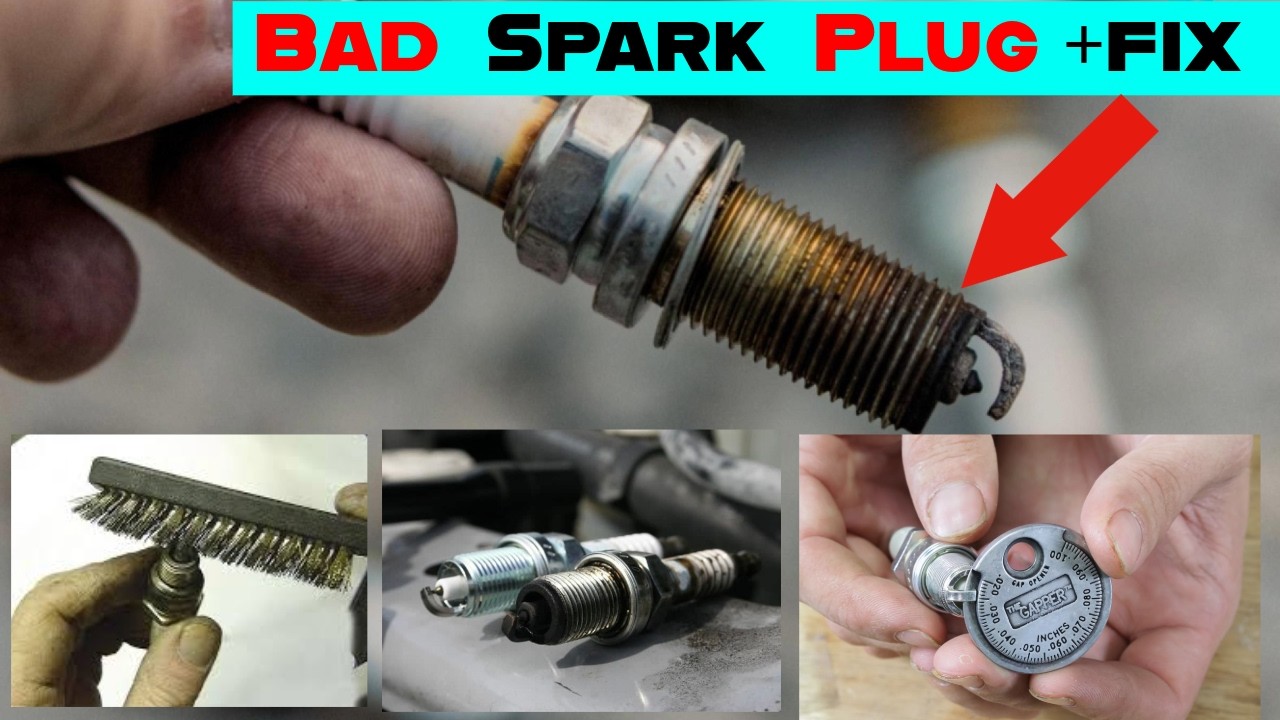
Start by removing the spark plugs and checking their condition. Look for signs like black soot, oily deposits, or worn electrodes. These clues reveal whether your plugs are fouled, overheating, or damaged.
Pay attention to the color of the plug’s tip. A healthy spark plug usually has a light tan or grayish color. If you see heavy deposits or cracks, it’s a sign that the spark plug isn’t firing properly.
Testing Spark Plug Performance
You can test spark plug performance with a spark tester or a multimeter. A spark tester shows if the spark plug is producing a strong spark by simulating engine conditions. No or weak sparks often mean the plug needs replacement.
A multimeter helps check the plug’s resistance. High resistance indicates internal damage, which reduces the spark’s efficiency. This test is quick and gives you a clear idea of the plug’s health.
When To Replace Spark Plugs
Replace spark plugs if you notice consistent engine misfires, poor fuel economy, or rough idling. Even if your car runs fine, check the manufacturer’s recommended replacement interval—usually every 30,000 to 50,000 miles.
Keep in mind, worn spark plugs can cause stalling, especially during acceleration or at idle. Waiting too long to replace them can lead to bigger engine problems, so trust your inspections and testing results.
Preventing Stalling Through Maintenance
Stalling can be frustrating and even dangerous, especially if it happens unexpectedly while driving. One of the best ways to avoid this issue is through proper maintenance. Keeping your spark plugs and engine in good shape helps your car run smoothly and reduces the chances of sudden stalls.
Regular Spark Plug Replacement Schedule
Checking and replacing your spark plugs regularly is key. Spark plugs wear out over time and can cause misfires, rough idling, or even stalling if ignored. Most manufacturers recommend changing spark plugs every 30,000 to 50,000 miles, but you should consult your owner's manual for specifics.
Have you noticed your car hesitating or losing power? This might be a sign your spark plugs need attention. Replacing them on time not only prevents stalling but also improves fuel efficiency and engine performance.
Other Engine Tune-up Tips
Besides spark plugs, several other parts deserve your attention to prevent stalling:
- Air Filter:A clogged air filter reduces airflow, causing rough idling or stalls.
- Fuel Filter:Dirty fuel filters can restrict fuel flow and lead to engine hesitation.
- Ignition Wires:Worn wires can cause weak sparks, resulting in misfires and stalls.
- Battery and Alternator:Weak electrical components can cause irregular engine behavior.
Have you checked these components during your last tune-up? Addressing them alongside spark plug replacement keeps your engine firing smoothly and reduces surprises on the road.
When To Seek Professional Help
Knowing when to seek professional help is important for car safety and performance. Some spark plug problems are easy to fix. Others need expert care to avoid damage or repeated stalling. Early action can save time and money.
Complex Ignition Issues
Problems with spark plugs can sometimes affect the ignition system. If your car stalls despite changing spark plugs, the ignition coil or wires might be faulty. These parts need special tools and knowledge to check and fix. A professional mechanic can diagnose complex ignition problems quickly and accurately.
Persistent Stalling Problems
Stalling that happens often or without clear cause requires expert attention. A professional can inspect other components like fuel injectors, sensors, or the engine control unit. Ignoring persistent stalling can lead to bigger engine trouble. Trust a skilled technician to find the root cause and fix it safely.
Credit: www.youtube.com
Frequently Asked Questions
Can Bad Spark Plugs Cause A Car To Stall?
Yes, bad spark plugs can cause a car to stall. They disrupt the ignition process, leading to engine misfires and stalling, especially at low speeds or idle.
How Do Spark Plugs Affect Engine Performance?
Spark plugs ignite the fuel-air mixture in the engine cylinders. Worn or fouled plugs reduce ignition efficiency, causing poor acceleration, rough idling, and increased fuel consumption.
What Are Common Symptoms Of Bad Spark Plugs?
Symptoms include engine misfires, rough idle, difficulty starting, poor fuel economy, and stalling. Timely spark plug replacement helps maintain smooth engine operation.
How Often Should Spark Plugs Be Replaced?
Most spark plugs need replacement every 30,000 to 100,000 miles, depending on type and vehicle. Check your owner’s manual for specific intervals.
Conclusion
Bad spark plugs can cause your car to stall unexpectedly. They affect engine performance and fuel efficiency. Regularly checking and replacing spark plugs keeps your engine running smooth. Don’t ignore signs like rough idling or poor acceleration. Taking care of spark plugs saves you time and money.
Keep your car healthy and avoid sudden stalls on the road. Simple maintenance makes a big difference in driving safety and comfort.